The Golden Era of CBD Land is Over: Landlords Advised to Stop Resisting Price Cuts and Offer Long-Term Leases as a Survival Strategy in a Downturn Market. Condo Purchasing Power in Q2/2026 Plummets!
Cushman & Wakefield reveals that the prime land market has fully shifted to "buyers" as property developers aggressively lower prices to nearly half of the listed rates. This is due to the impact of rising household debt and banks denying loans, which has severely affected condo purchasing power. The peak price cycle has ended. Landowners are advised to urgently adjust their strategies from selling outright to offering "long-term leases" to generate cash flow and reduce the burden of vacant land taxes. Meanwhile, condo purchasing power in Q2/2026 faces economic storms as Thai consumers lack confidence and are wary of the impacts of global conflicts, leading to a slowdown in spending. This has forced smaller developers to halt project launches, while larger firms are adjusting strategies to survive, pushing average prices to the highest levels since 2020 by focusing on premium segments near the BTS lines to mitigate the risk of loan rejections.

Mr. Warat Sirisakdanukool, Senior Manager of Capital Markets and Investments at Cushman & Wakefield Thailand, shared crucial data over the past decades showing that land prices in the Central Business District (CBD) and surrounding areas have been driven by fierce competition among property developers for condominium projects, resulting in continuous price increases. However, the cycle of high land prices has ended since the COVID-19 crisis and has yet to recover to previous levels due to the real estate market facing multifaceted economic storms, including shrinking purchasing power, high household debt, and rising loan rejection rates from financial institutions, all of which directly impact consumer purchasing power.
Warning Signals for Landlords: The Market is Now for Buyers; Cutting Prices is Unsustainable. Long-Term Leasing is the Solution.
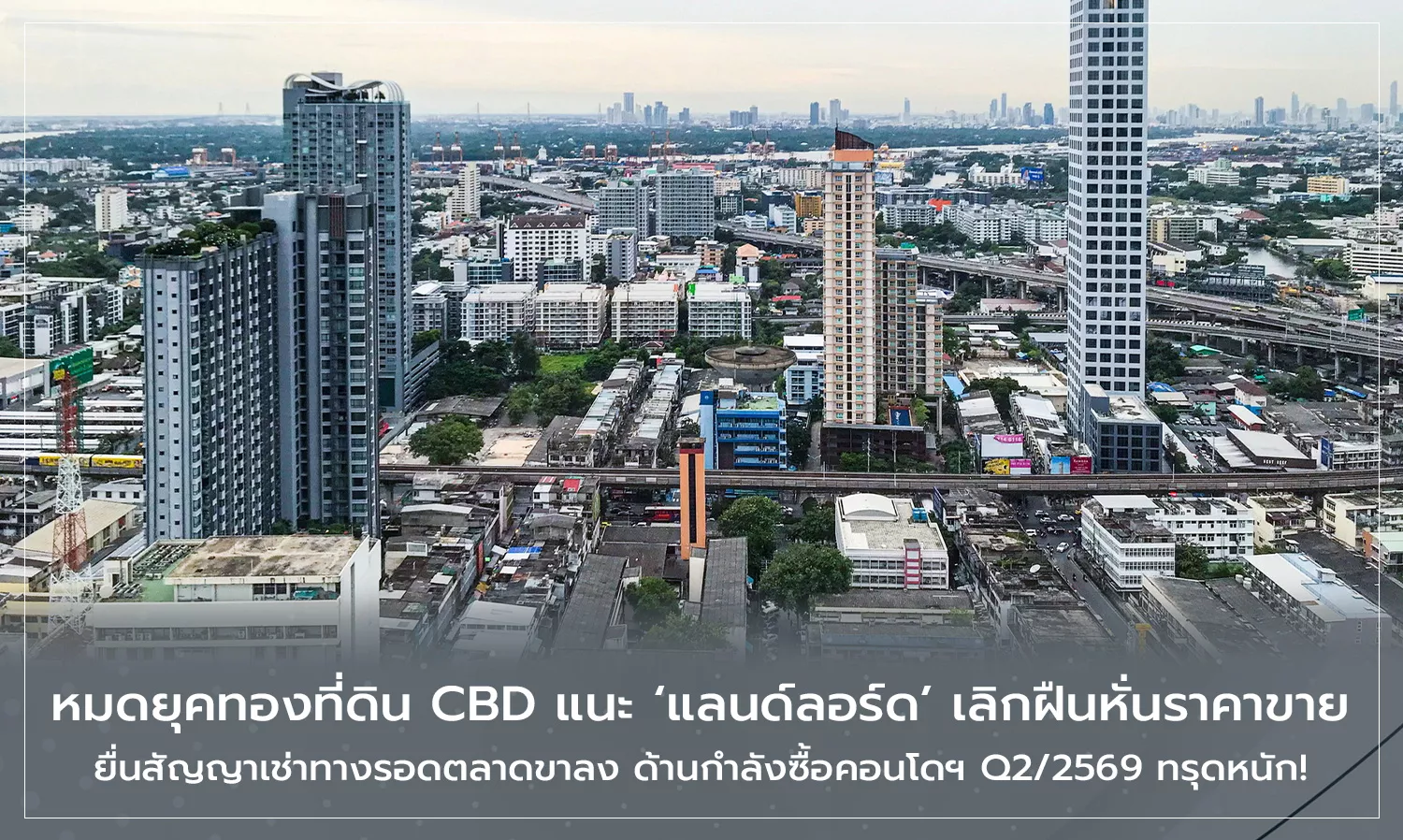
The negative factors have directly impacted property developers, making it impossible to bear high land costs as in the past. Many have had to negotiate lower prices to maintain profit margins. This is clearly reflected in areas along major roads from BTS Bang Chak to BTS Udom Suk, where landowners still set selling prices as high as 900,000 to 1,000,000 Baht per square wah, while developers are offering to buy at less than 600,000 Baht per square wah.
Mr. Warat further stated that this phenomenon is a clear signal that land prices are no longer rising. If landowners need to sell today, they may have to accept selling below their desired price. Therefore, from an asset management perspective, the strategy of "long-term leasing for 10 to 30 years" is a more worthwhile option than outright selling in a buyer's market. This not only avoids price cuts but also helps generate consistent cash flow while retaining ownership. Moreover, it significantly reduces the burden of land and property taxes from vacant land rates, making it the most suitable strategy in a slowing market.
Condo Purchasing Power in Q2/2026 Declines Amid Global Economic Uncertainty.
Regarding condo purchasing power, Mr. Surachet Kongcheep, Head of Research and Consulting at Cushman & Wakefield Thailand, reported that as of Q2/2026, Thai purchasing power has clearly slowed down due to economic conditions, stemming from a lack of confidence in external factors, especially the volatility of the Middle East conflict affecting oil prices and living costs. Although consumers are starting to adapt, the uncertainty of the situation remains a risk factor pressuring expenses. This slowdown directly impacts the condominium market, which requires significant capital and long-term debt commitments, as reflected in the persistently high mortgage rejection rates amid a lack of clear government policies or measures to stimulate the real estate sector.
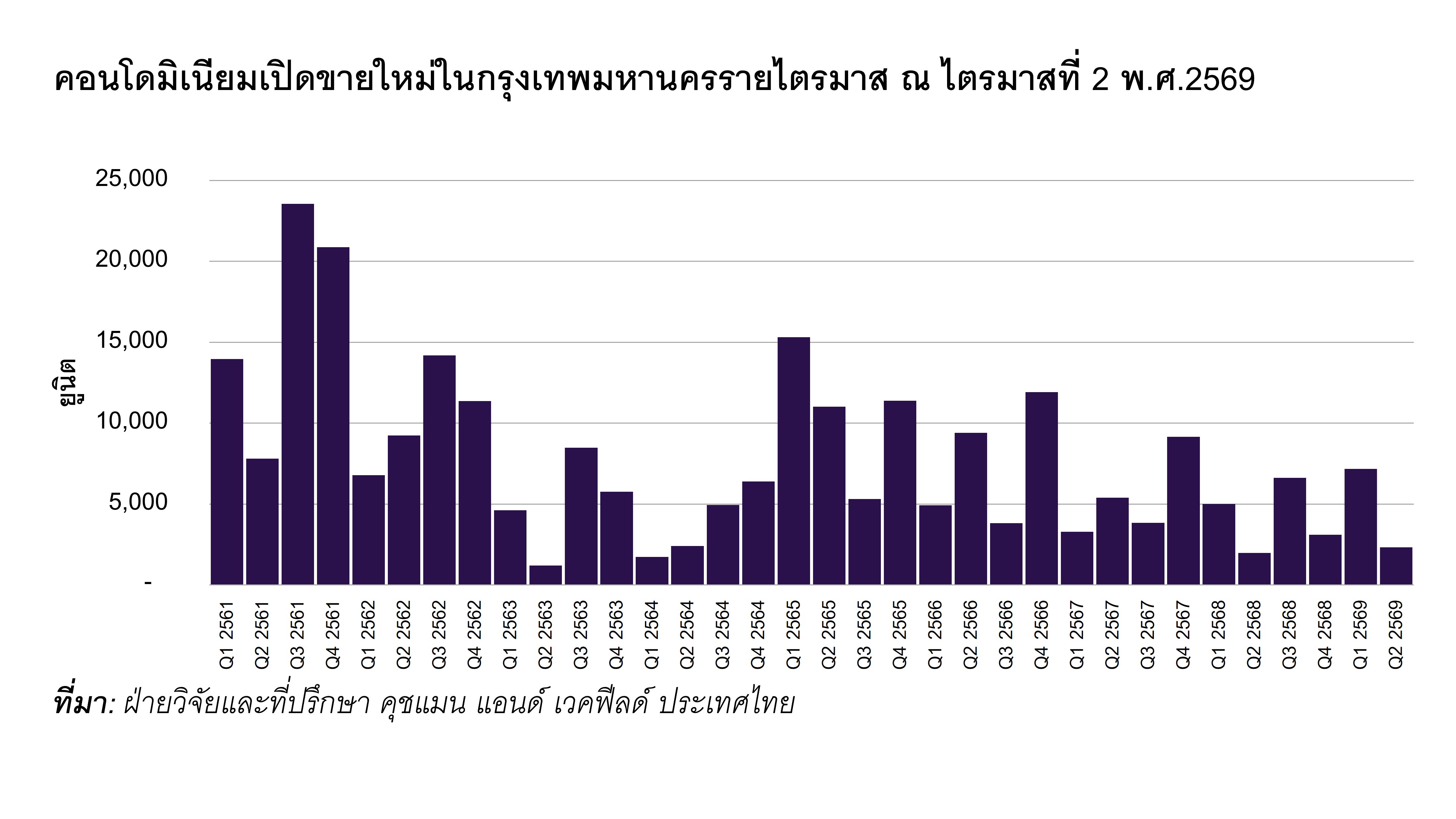
In Q2/2026, the launch of new condominiums totaled approximately 2,332 units, a decrease of about 67% compared to the previous quarter (QoQ). However, the overall first half of 2026 saw a cumulative launch of about 9,501 units, still growing by 42% compared to the same period last year (YoY). For the entire year of 2026, it is anticipated that new condominium launches may exceed the original target of 17,000 units set at the beginning of the year, as some developers begin to gradually launch and reveal new project development plans, estimating that the total for the year could rise but not exceed 20,000 units. Nonetheless, it is essential to monitor global negative factors that may intensify again, particularly the conflict situations in the Middle East and other regions that impact the overall economy.
Average Selling Prices Reach Highest Levels Since 2020 Due to Focus on Premium Segments Near BTS.
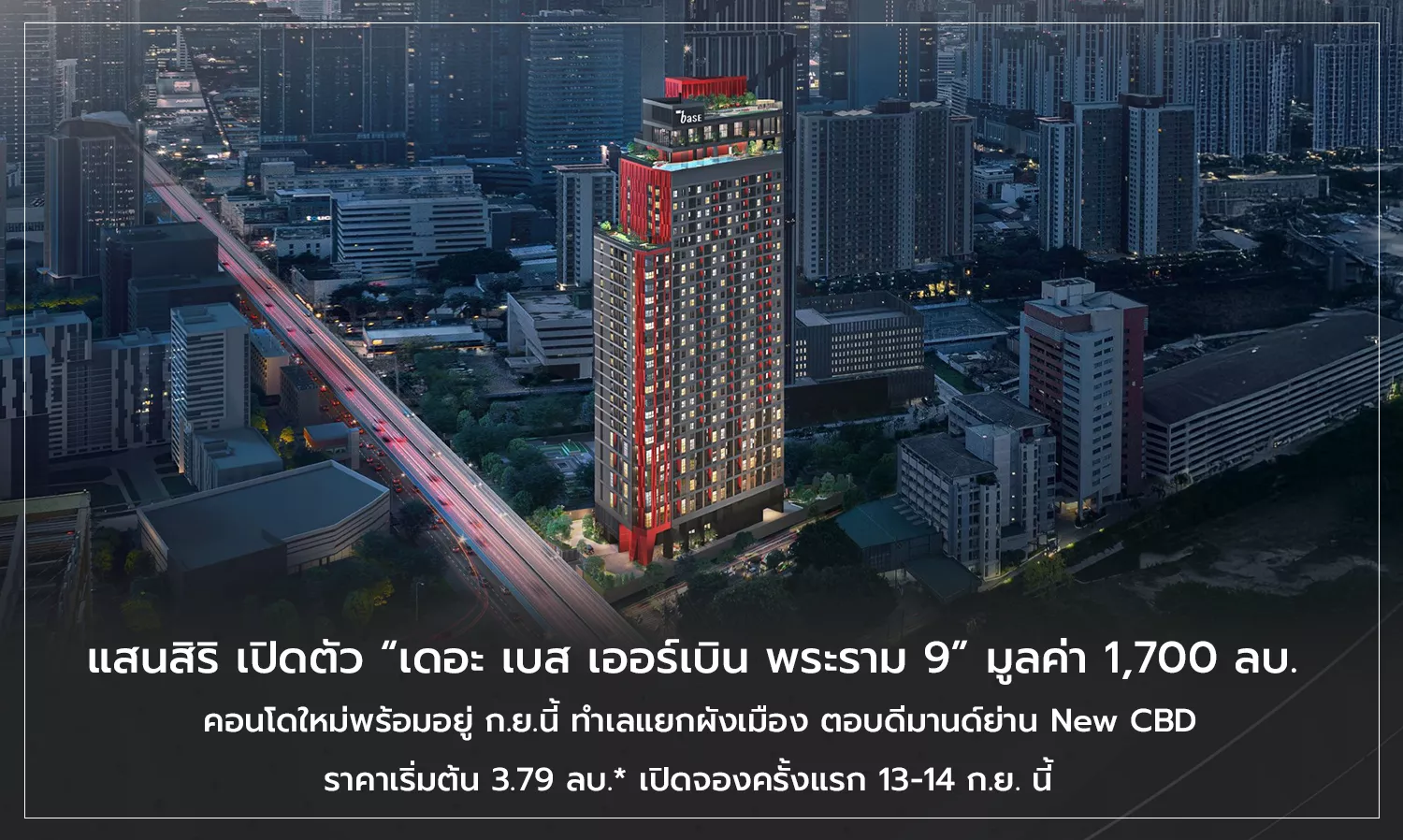
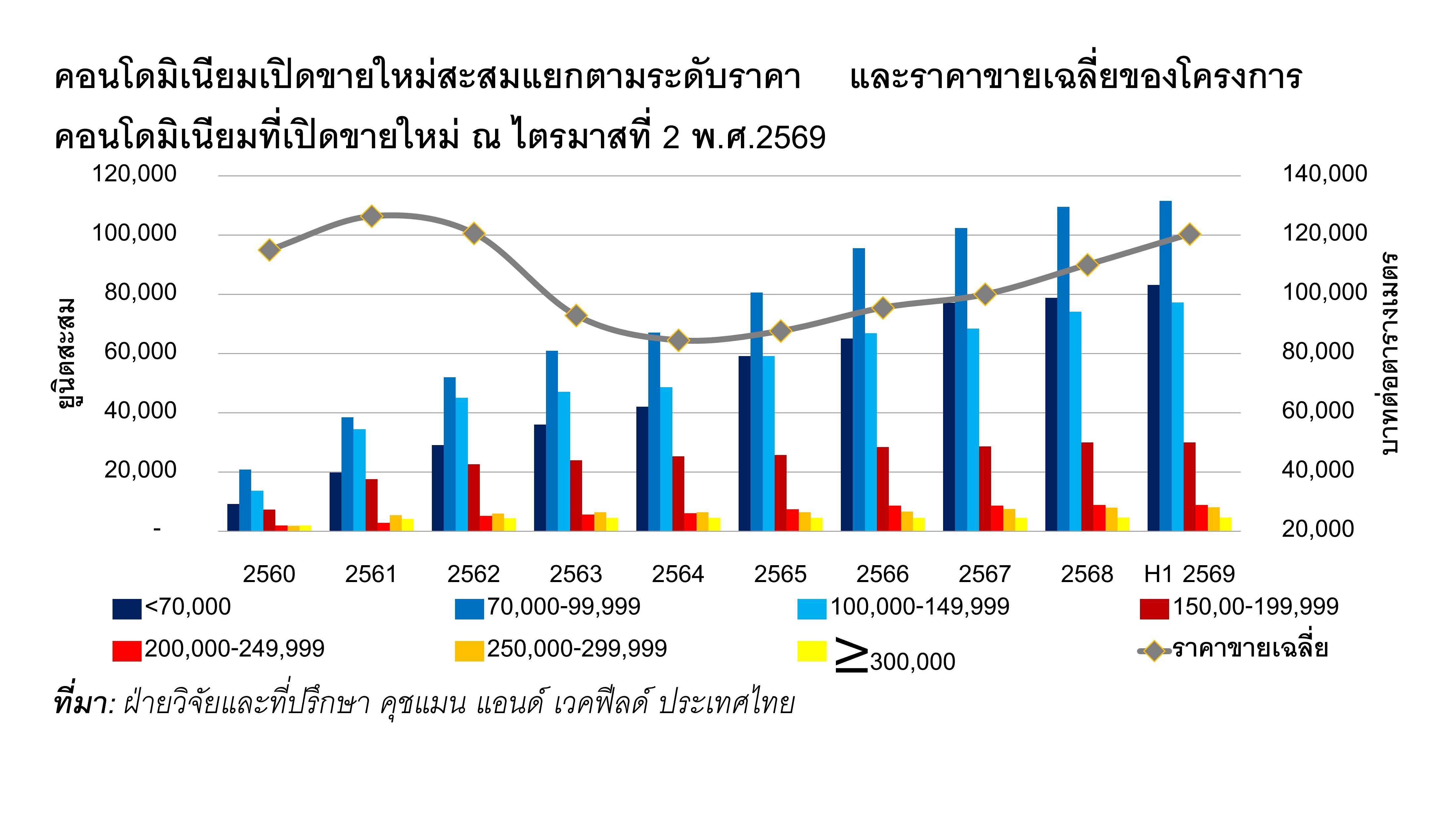
When delving into the locations of newly launched condominiums in Q2/2026, over 90% are situated along the BTS Sukhumvit line (outside the CBD), while the remainder is distributed in the outskirts of Bangkok. This has led to an average selling price in this quarter soaring to approximately 150,420 Baht per square meter, an increase of 78.4% from the previous quarter. This factor has pushed the average selling price for the first half of 2026 to 120,360 Baht per square meter, marking the highest record since 2020.
Despite the market being in a slowdown, the increase in average selling prices is due to developers focusing on high purchasing power buyers to escape the difficulties of securing loans in the lower price segments. Additionally, the chosen locations for project launches are all near or within walking distance to BTS stations, as the expansion of the BTS network into the outskirts has driven up land costs and consequently pushed condominium prices higher.
Smaller Developers Halt Plans – Large Developers Adjust by Focusing on "Ready-to-Move" Projects to Deter Speculators.
The landscape of new project launches in the first half of 2026 is driven almost entirely by publicly listed developers, with only 68 units from non-listed developers out of a total of 9,501 units. This reflects that medium and small developers have chosen to delay new project launches to observe market direction in the second half of the year, as well as potential government measures to stimulate real estate. Meanwhile, some developers are starting to adjust their strategies by launching "ready-to-move" projects, small condominium units priced at 180,000 Baht per square meter and above. In the past 1-2 years, there has been virtually no launch of condominiums outside the BTS lines, as developers aim to target genuine residential buyers who wish to transfer ownership rather than short-term speculators. Additionally, many are tackling the issue and reducing the risk of loan rejections by pre-screening credit readiness or offering campaigns like "pay before moving in" to facilitate smoother transfers.
In terms of foreign buyers, the overall picture in Q2/2026 has seen a noticeable decline, particularly among Chinese buyers, with no other groups fully compensating for this loss. Although there are some buyers from Myanmar, they represent only a small fraction. The Russian buyer segment has shown significant growth in Phuket and Pattaya, but in Bangkok, their impact remains minimal.
For other foreign nationalities, although their numbers have increased, they still cannot compensate for the loss of Chinese buyers. Meanwhile, Middle Eastern buyers, who were once a trending topic, have not shown clear expansion, which is a crucial issue to monitor closely in the second half of 2026, Mr. Surachet concluded.