Sansiri Decodes the Thai Real Estate Signals Through the Landscape of Foreign Buyers, Revealing Thailand as a 'Key Destination' for Residents and Investors Worldwide
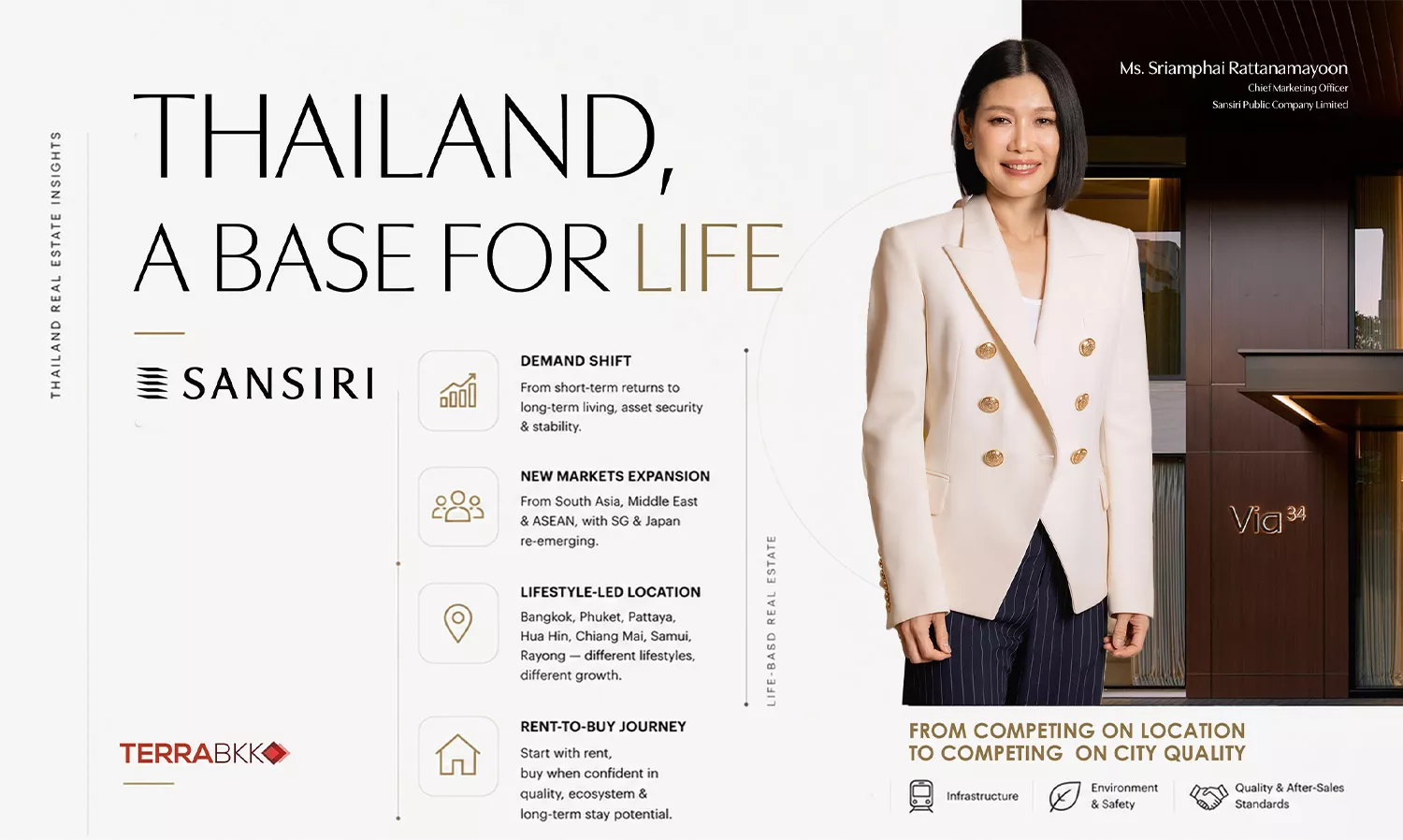
- Demand Shift: The motivation for purchasing has shifted from short-term investment returns to "asset risk management, seeking a second home with sustainable quality of life, and long-term living."
- New Markets Expansion: The buyer base is diversifying into new high-potential markets (Emerging Markets) such as South Asian countries, the Middle East, and the ASEAN region.
- Lifestyle-Led Location: Lifestyle drives location choices, with property purchases catering to diverse living needs from Bangkok, Phuket, Pattaya, Hua Hin to Chiang Mai, Koh Samui, and Rayong.
- Real-Estate Outlook: Thailand must compete with regional countries by accelerating the development of clear long-term residency policies, infrastructure, and real estate industry standards.
Foreigners View Thailand as a 'Life Base' Elevating to Long-term Asset Management
Mr. Sriampai Rattanamayu, CEO of Sansiri Public Company Limited, a leading real estate company in Thailand, analyzed the overall real estate market for foreign buyers in the first half of 2023, stating, "Amid global economic volatility, the overall real estate market in Thailand continues to attract foreign buyers and is facing a significant turning point due to noteworthy structural changes, from purchasing motivations, buyer nationalities, to the roles of various cities (Locations) that meet their needs."

Diverse Lifestyles
Previously focused on rental yields, we now see a significant portfolio adjustment among global investors seeking "long-term stability" over short-term returns. Foreign buyers are transitioning to long-term asset holders, viewing Thailand as a primary destination for second homes and preparing for long-term living or future residency plans.
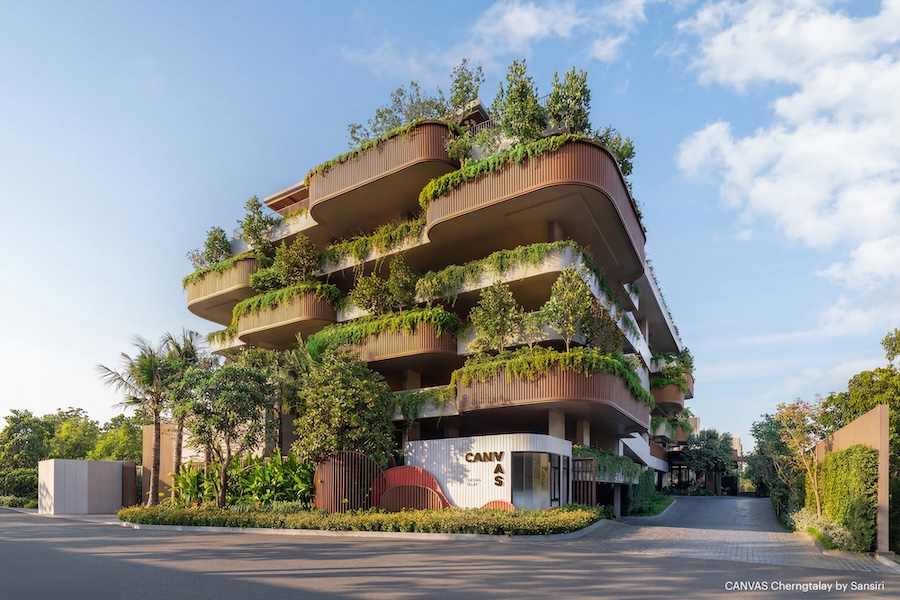
Balancing Core Customer Base While Expanding into New Potential Markets
For the primary buyer group, particularly from China, the market is currently in a balancing phase, with more cautious purchasing decisions due to global economic conditions. Meanwhile, the Hong Kong market is diversifying its investments. However, Thailand remains one of the most popular destinations due to its manageable cost of living, internationally recognized healthcare system, continuously developing infrastructure, and potential as a regional hub.
Additionally, new potential and rapidly growing markets include South Asian countries, the Middle East, and the ASEAN region, particularly those with high average purchase values per unit for actual family living. At the same time, high purchasing power markets are re-emerging, such as Singapore and Japan, viewing Thailand as both an investment area and a second home, with government policies supporting long-term residency (e.g., LTR Visa) being a crucial factor in building confidence among retirees and those seeking long-term stays. The clear trend is that current buyers are beginning to see Thailand as a quality life base with future flexibility.

Lifestyle Drives Location: Foreigners Choose Locations that Meet Living Needs
The new challenge for the Thai real estate market is not just location but also meeting life design needs. Bangkok remains the primary market for working professionals and investors, especially mid to luxury condominiums in the CBD near public transport systems. Phuket is the destination for luxury lifestyles and second homes in the region, offering premium villas and residences that cater to privacy and digital nomads. Pattaya meets the needs for vacation homes and retirement living, with quick access to Bangkok and benefits from the development of the EEC area, while Hua Hin caters to families seeking tranquility and more living space.
Moreover, alternative cities are growing according to specific lifestyles, such as Chiang Mai attracting wellness-focused individuals, and Koh Samui for luxury second homes seeking privacy.
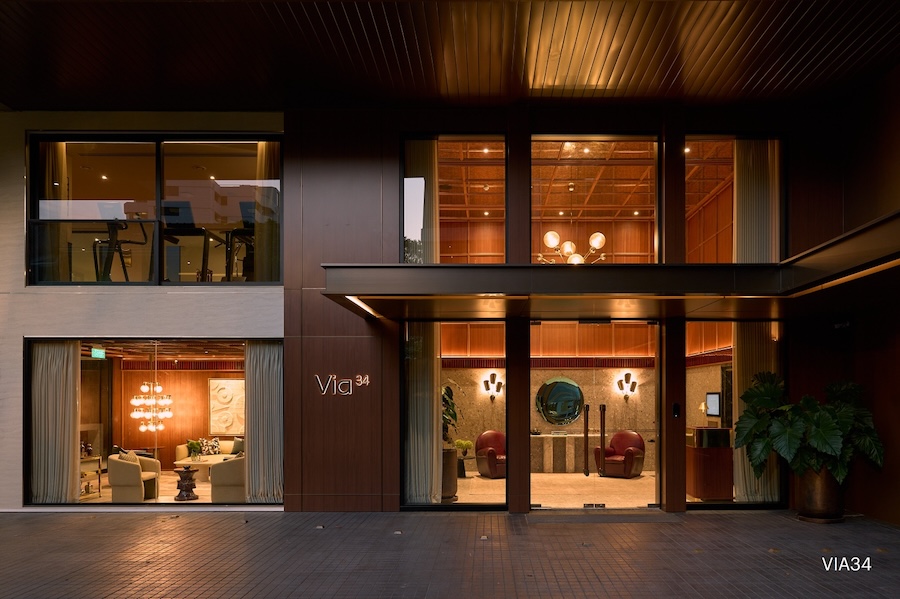
Viewing the 'Rental' and 'Purchase' Markets as Complementary in the Long Term
Another important trend is the changing rental and purchase markets, particularly among Expat Professionals who often start with renting before deciding to buy when planning for long-term residency. Investors are still considering both rental yield and asset appreciation opportunities. Meanwhile, retirees and second home buyers are likely to decide to purchase sooner if they are confident that Thailand can indeed be a long-term life base. Therefore, the rental and purchase markets support each other behaviorally, with many quality renters having the potential to become buyers in the future if they have a good living experience and confidence in the city's ecosystem that meets their needs.
Strategies Thailand Must Accelerate to Maintain Leadership
In the eyes of foreign investors, countries in this region are rapidly developing advantages to attract investment. Thailand thus has a significant opportunity to elevate from a real estate investment market to a "long-term living destination (Life-Based Real Estate)" for high-potential groups worldwide, shifting from competition based on location to competition based on city quality and the ability to maintain long-term asset value.

“However, the areas Thailand should expedite development to maintain its advantage include clarity and continuity of long-term residency facilitation policies, investment in transportation infrastructure to connect new cities, enhancing environmental quality and safety, as well as building confidence in real estate industry standards, including project quality and effective after-sales service,” Mr. Sriampai concluded.