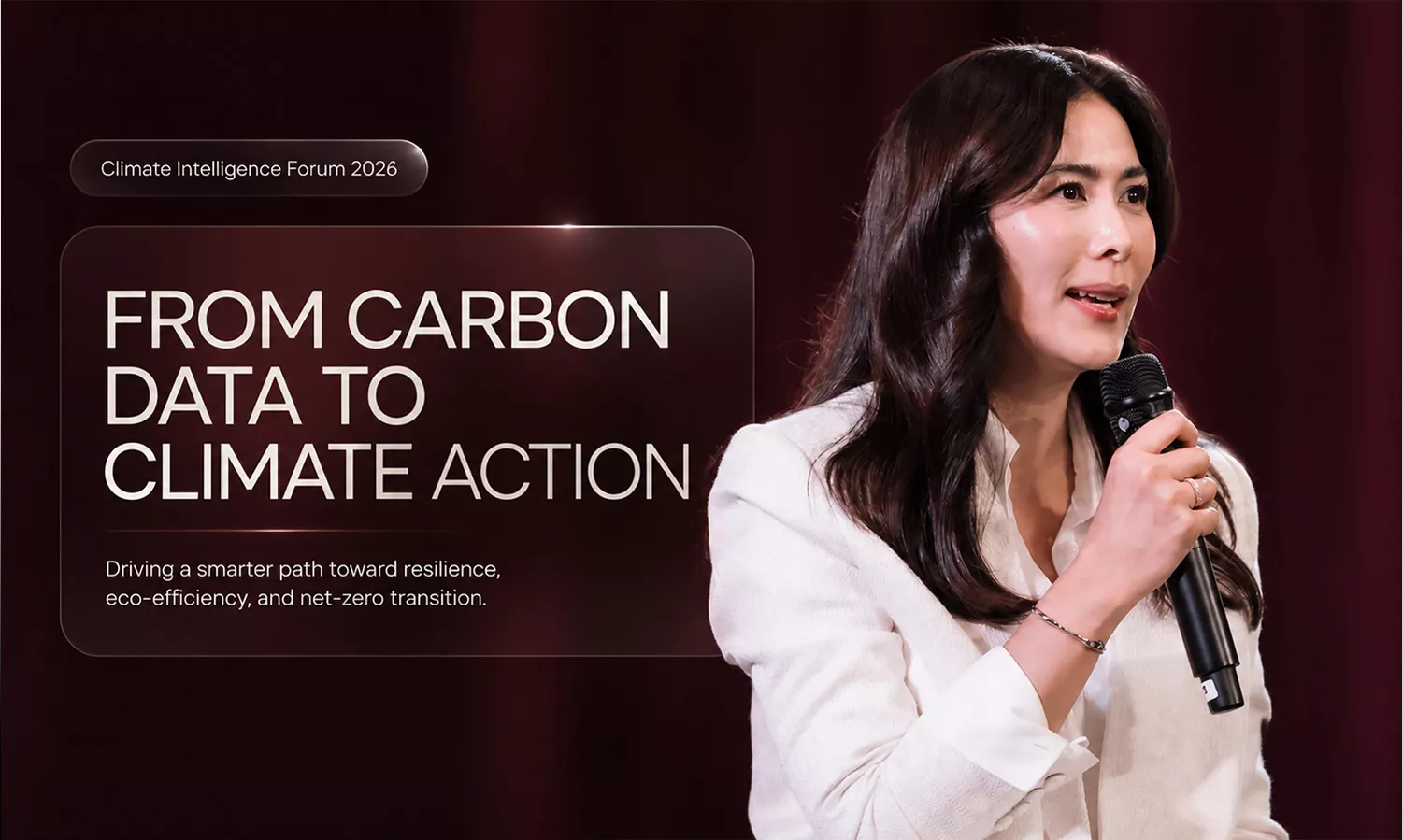
Climate Intelligence Forum 2026: Uniting Government, Private Sector, Industry, Agriculture, and Academia to Transform "Carbon Data" into Thailand's Net Zero Drive
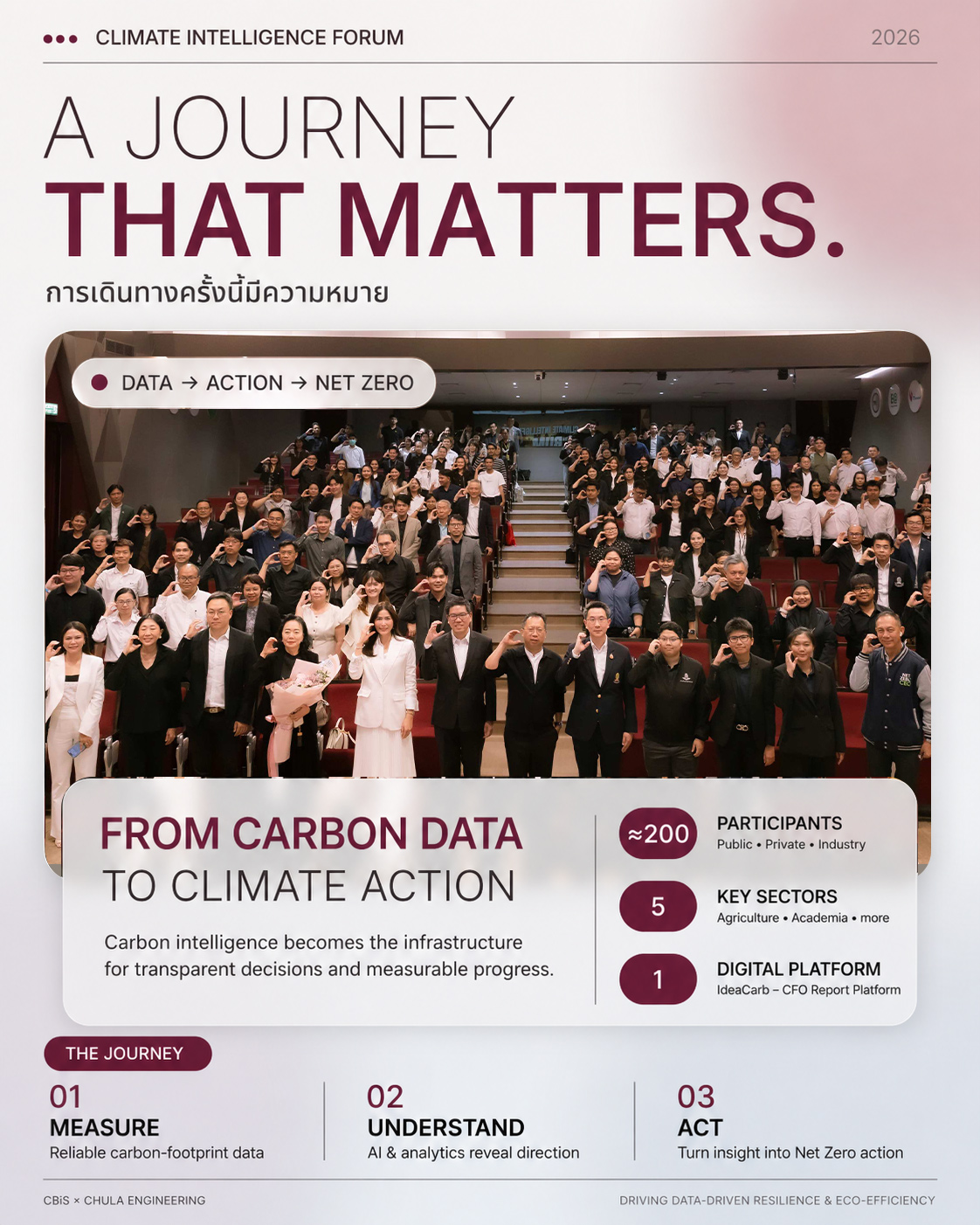
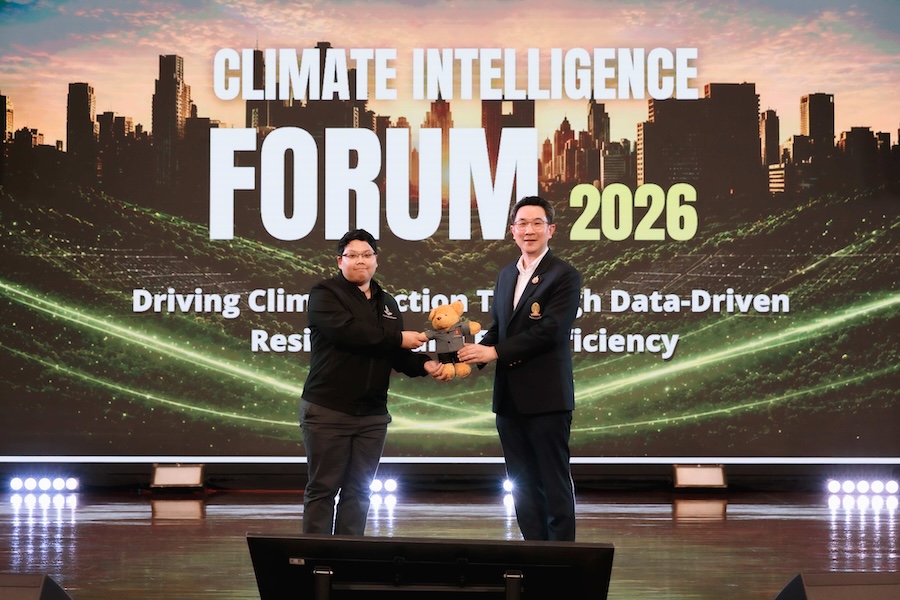
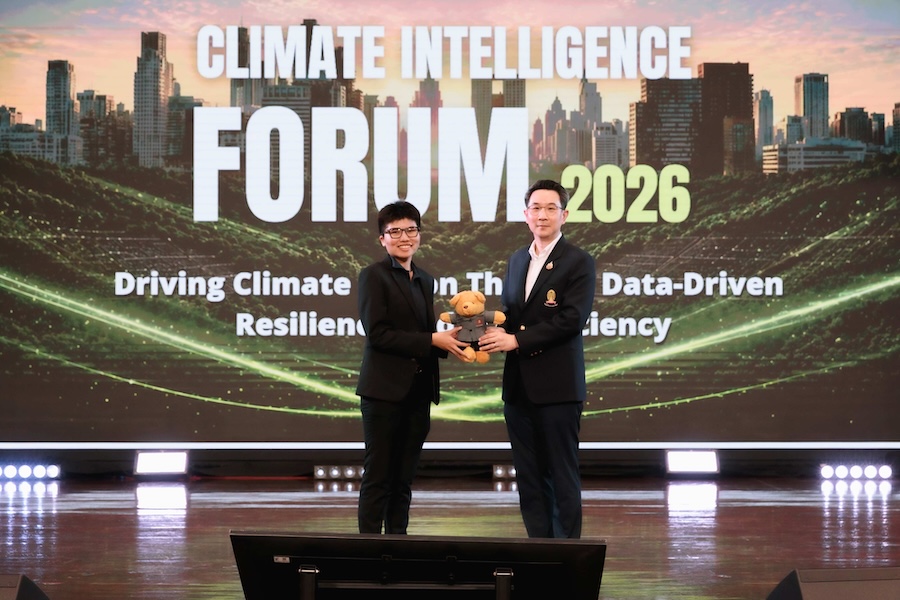
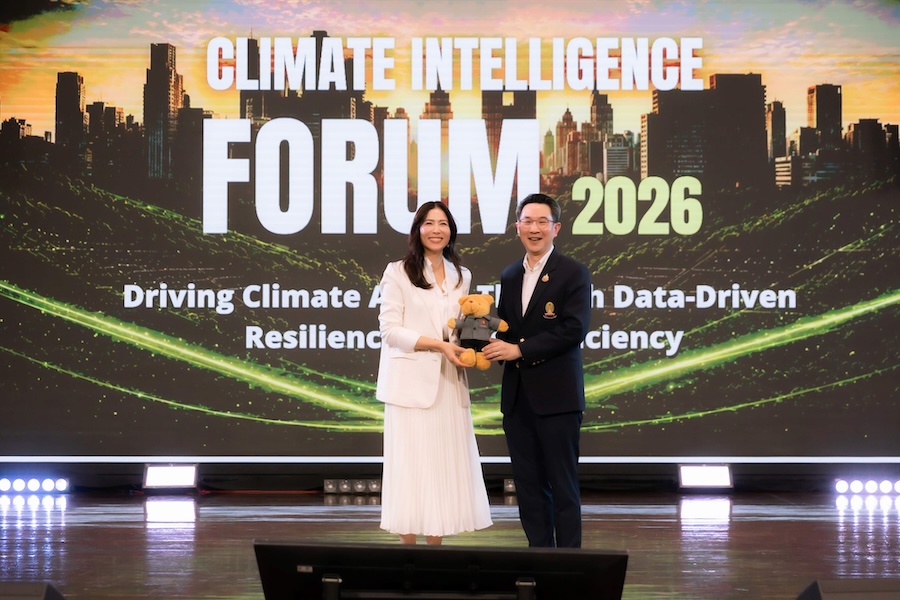
In an era where global trade rules are changing, "carbon data" is no longer just an environmental statistic; it is becoming a strategic asset that impacts the competitiveness of organizations and nations. This includes aspects of exports, investments, green procurement, and the pursuit of Net Zero goals. The Carbon Institute for Sustainability (CBiS), under the Arun Sarakham Foundation and the Faculty of Engineering at Chulalongkorn University, organized the "Climate Intelligence Forum 2026: Driving Climate Action Through Data-Driven Resilience and Eco-Efficiency", attended by approximately 200 participants from government, private sector, industry, agriculture, and academia. The forum aimed to exchange views and strategies on utilizing Carbon Footprint data as a tool to reduce greenhouse gas emissions and enhance the country's competitiveness towards a low-carbon economy. Professor Dr. Pisuth Piamnukul, Deputy Dean for Sustainability and Community Engagement at the Faculty of Engineering, Chulalongkorn University, welcomed attendees and opened the academic forum, reflecting on the increasingly severe global climate change situation. He emphasized that addressing these issues requires reliable data, the integration of scientific and engineering knowledge, and the systematic development of decision-support systems at both policy and practical levels.
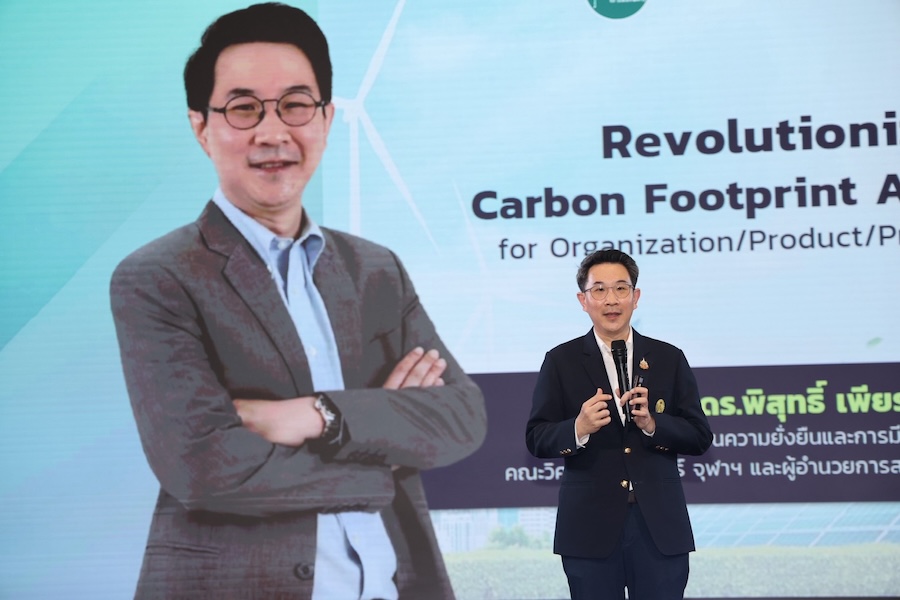
The event also featured a keynote speech on "The Importance of Data Platforms: Collecting and Managing Carbon Footprint Data" by Mr. Nakorn Trakvirapat, Director of the Greenhouse Gas Management Organization (Public Organization)", who shared insights on the concept of Climate Intelligence, a crucial framework for managing climate issues today. He stressed that data is not just technical numbers but the infrastructure for decision-making that can be used for trend analysis, forecasting, and designing effective greenhouse gas reduction measures. Additionally, Professor Dr. Pisuth Piamnukul delivered a lecture on "Revolutionizing Carbon Footprint Assessment for Organizations, Products & Projects Platform", highlighting the role of educational institutions in linking knowledge, technology, and collaboration across sectors. This reflects the necessity of integrating carbon footprint data from all sectors to create a comprehensive overview of greenhouse gas emissions that can be practically applied, facilitating a sustainable transition to a low-carbon society. He also discussed the systematic use of tools to assess carbon footprints.
Furthermore, the launch of the “IdeaCarb - CFO Report Platform”, a digital platform developed for assessing and reporting Carbon Footprint at all levels, starting from the organizational level with plans to expand to products and projects, was announced. The platform is designed to support a comprehensive MRV (Measurement, Reporting, and Verification) system, incorporating technologies such as Machine Learning and AI to analyze trends in greenhouse gas reduction, evaluate the economic viability of carbon reduction measures, and support in-depth data analysis in the future. Thus, the launch of this platform not only presents a technological tool but also reflects a systemic transformation in managing carbon footprint data in Thailand, aiming to elevate carbon footprint data from “reporting” to “policy decision-making and actual implementation” systematically with transparent and accurate data.
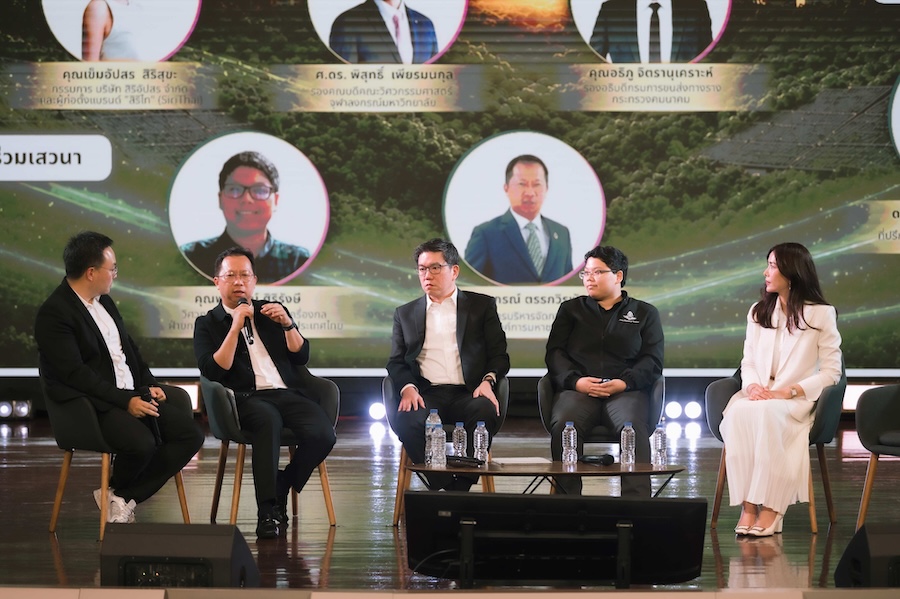
Another significant highlight of the event was a panel discussion titled "From Data to Action: Achieving Net Zero Through Carbon Footprint Assessment", reflecting perspectives from policymakers, infrastructure developers, transport operators, agricultural businesses, and academia. The panel included Mr. Nakorn Trakvirapat, Director of the Greenhouse Gas Management Organization (Public Organization), Mr. Athiphu Jitranukroh, Deputy Director-General of the Rail Transport Department, Ministry of Transport, Ms. Khemapsorn Sirisukha, Director of Siriapsorn Co., Ltd. and founder of the "SiriThai" brand, Ms. Pornpavee Sirirangsee, Engineer at the Mechanical Engineering Center, State Railway of Thailand, and Professor Dr. Pisuth Piamnukul, Deputy Dean of the Faculty of Engineering, Chulalongkorn University, moderated by Dr. Natthawit Chawalertpornsiya, advisor to the Carbon Institute for Sustainability. The discussion highlighted that despite differing contexts across sectors, there is a consensus that carbon footprint data is not merely environmental numbers but is becoming a "common language for development" that connects decision-making from policy levels to organizations, businesses, and public behavior. The quality and reliability of data will be crucial factors in determining the direction of future greenhouse gas reduction efforts.
At the policy level, the country's Carbon Footprint data is used as a key indicator for tracking progress in Climate Action under international reporting frameworks, such as the BTR (Biennial Transparency Report), reflecting that systematic data management is essential for achieving Net Zero goals. The private sector is emphasized as a crucial mechanism for carbon reduction due to its significant economic role and pressure from capital markets and supply chains. Carbon Footprint data is thus used for reporting, risk management, and business decision-making, and it was also discussed in the context of products and projects, highlighting that carbon reduction must encompass the entire system, from products and activities to various projects, to create a “Check and Balance” between data at each level and ensure comprehensive emission reductions.
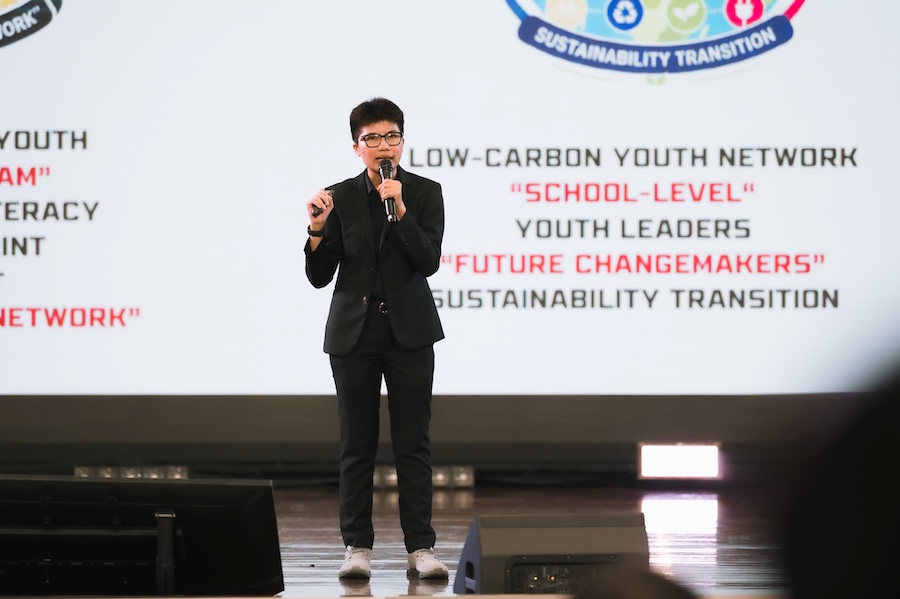
The event concluded with the sharing of experiences from the "Low Carbon NextGen: Youth Action for Sustainable Communities" project, presented by Ms. Lalita Lamphung, Head of Project Evaluation and Management at the Carbon Institute for Sustainability. She presented the results and lessons learned from developing a youth network through training activities, concept development camps, and the creation of model activities at the school and community levels to cultivate a new generation knowledgeable about Climate Change and Carbon Footprint, becoming a vital force in driving a low-carbon society in the future. This project is supported by the Electricity Generating Authority of Thailand (EGAT).
Thus, the Climate Intelligence Forum 2026 is not just a platform for exchanging knowledge on Carbon Footprint but an essential space for connecting key players in Thailand's Net Zero ecosystem, from government, business, industry, and education to the new generation of youth, to collectively transform "data" into "decisions" and "decisions" into "actions" that yield tangible results.
Ultimately, this forum reflects the crucial understanding that driving Thailand towards the Net Zero goal cannot rely solely on data but requires a “Carbon Footprint Data Platform” as a vital central structure for collecting, analyzing, and transforming data into actionable policy decisions systematically and effectively. Furthermore, the success of such a data system necessitates collaboration from all sectors to ensure that carbon footprint data becomes a fundamental basis for sustainable economic development in the future.