ETDA Highlights AI Governance Week 2026: From Global Principles to Real-World Applications in Thailand
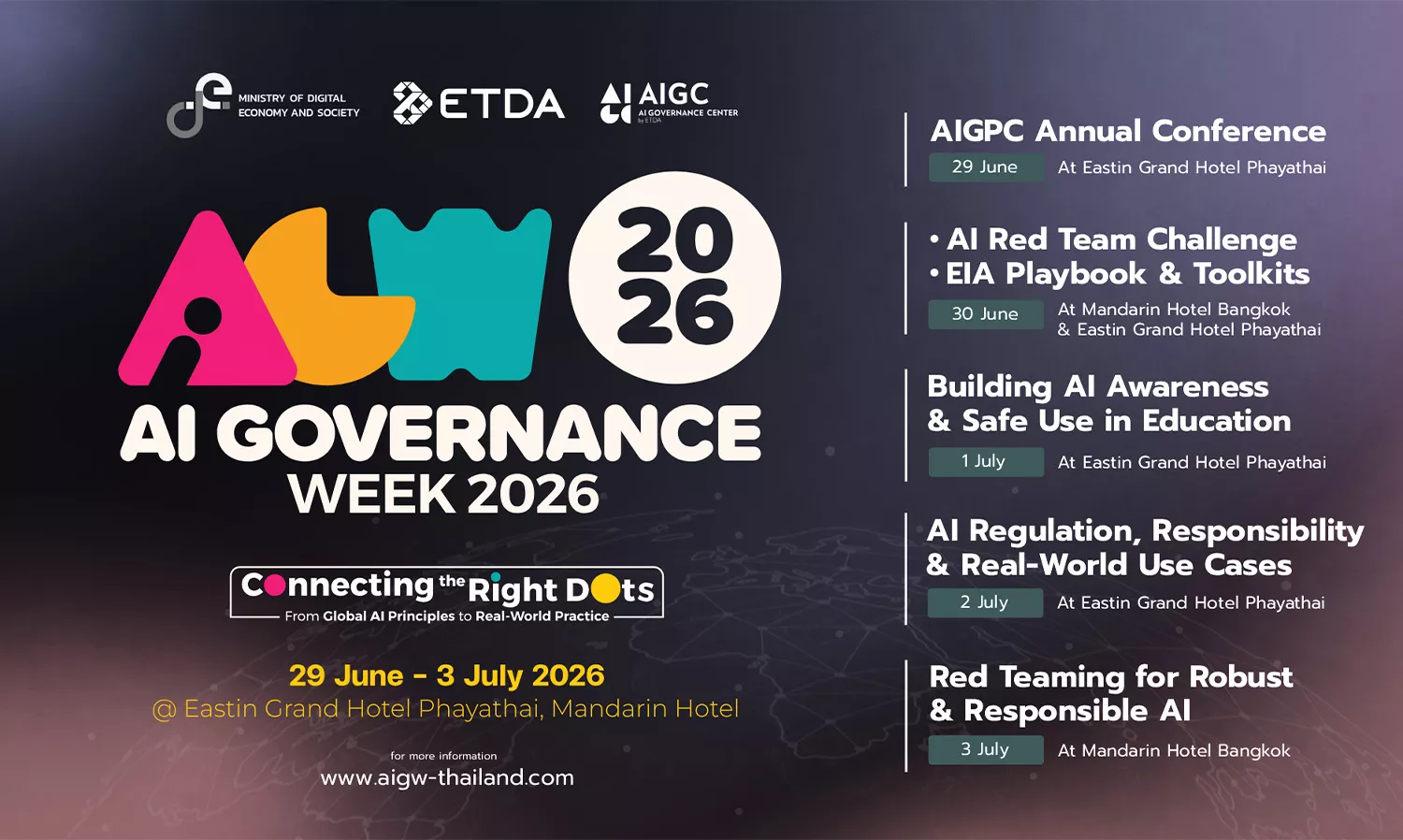
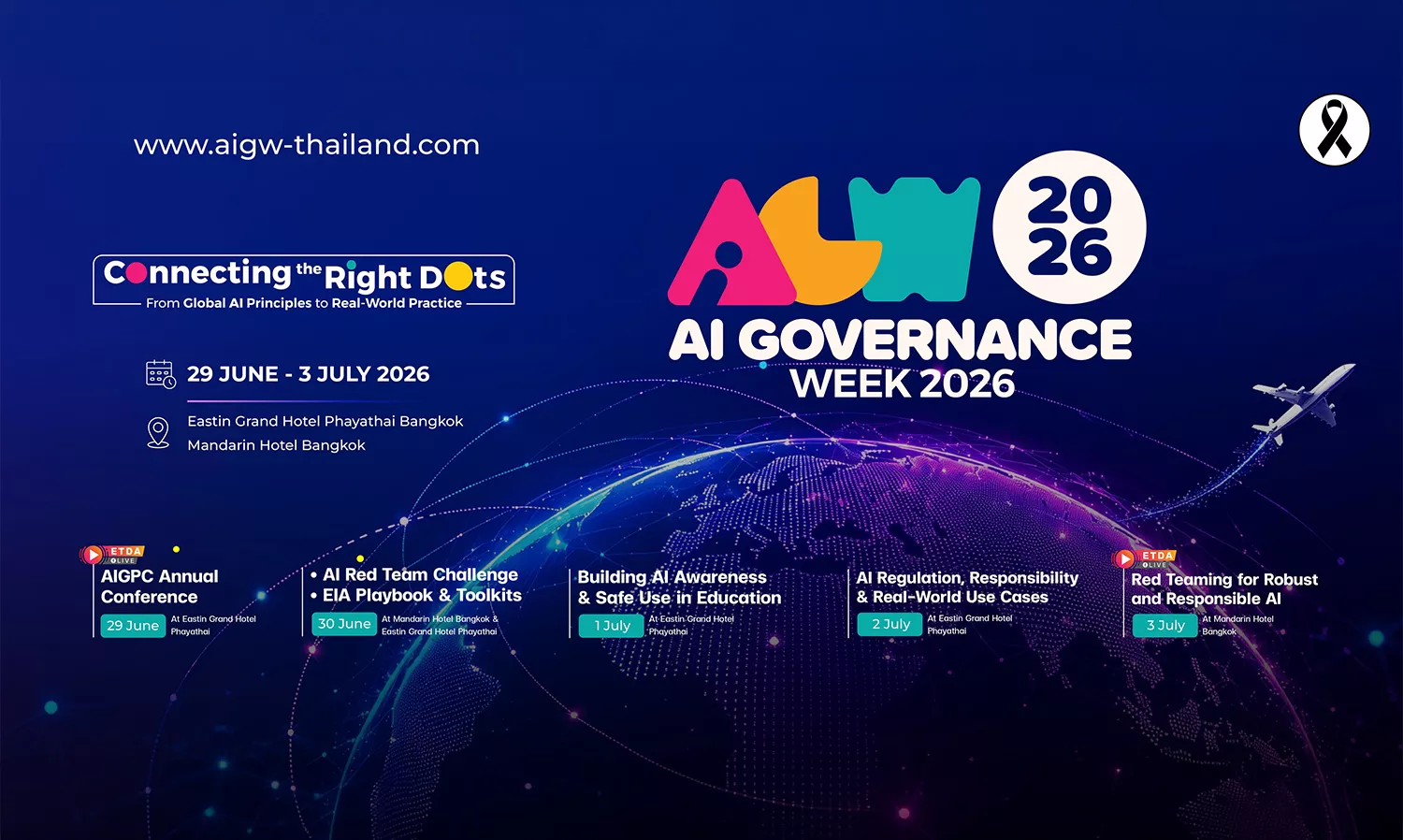
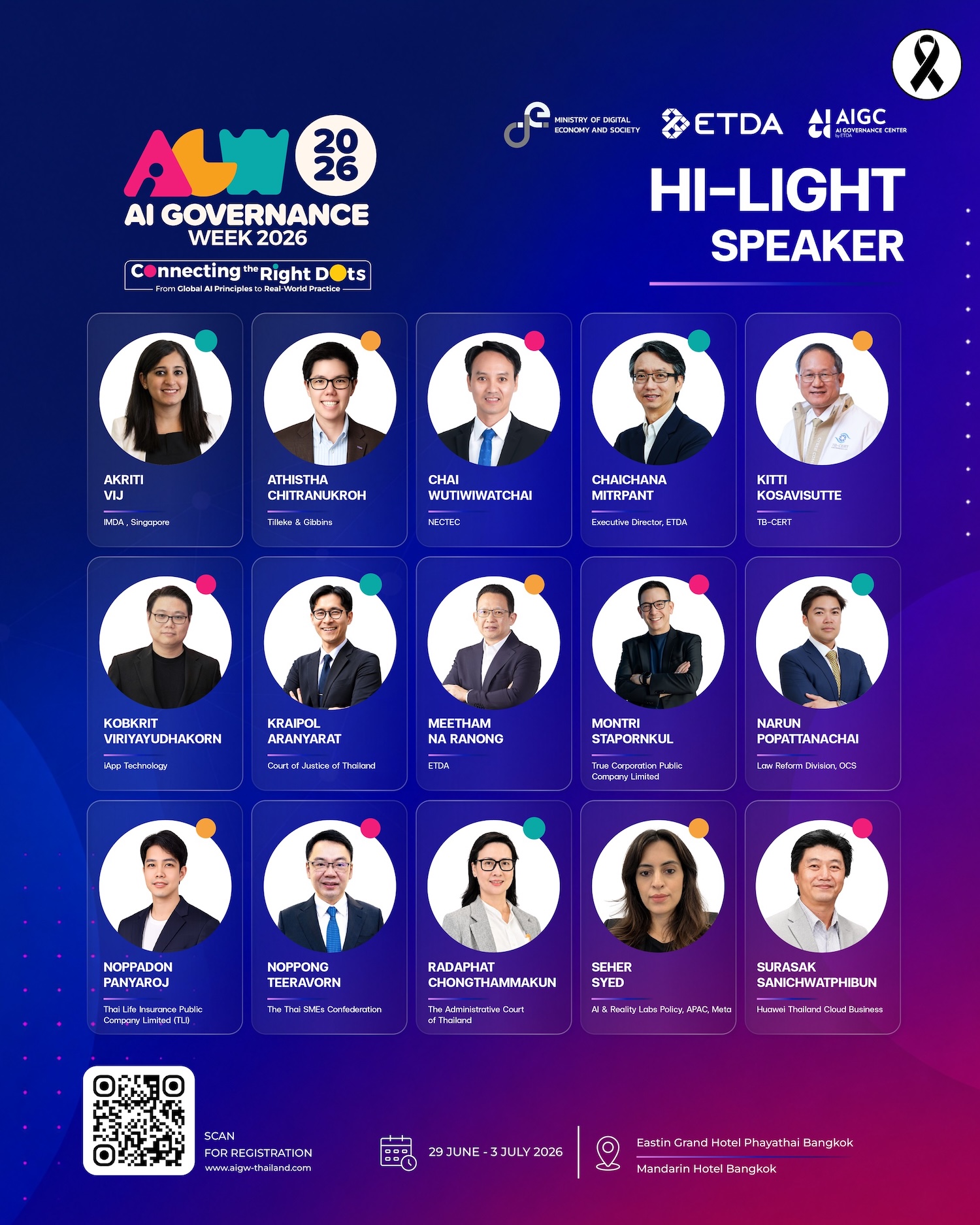
The Electronic Transactions Development Agency (ETDA) of the Ministry of Digital Economy and Society, in collaboration with leading partners from both Thailand and abroad, is set to organize the AI Governance Week 2026 (AIGW 2026). This important platform for AI governance in Thailand will take place from June 29 to July 3, 2026, under the theme "Connecting the Right Dots: From Global AI Principles to Real-World Practice." The event aims to bridge global AI governance principles with practical applications relevant to Thailand.
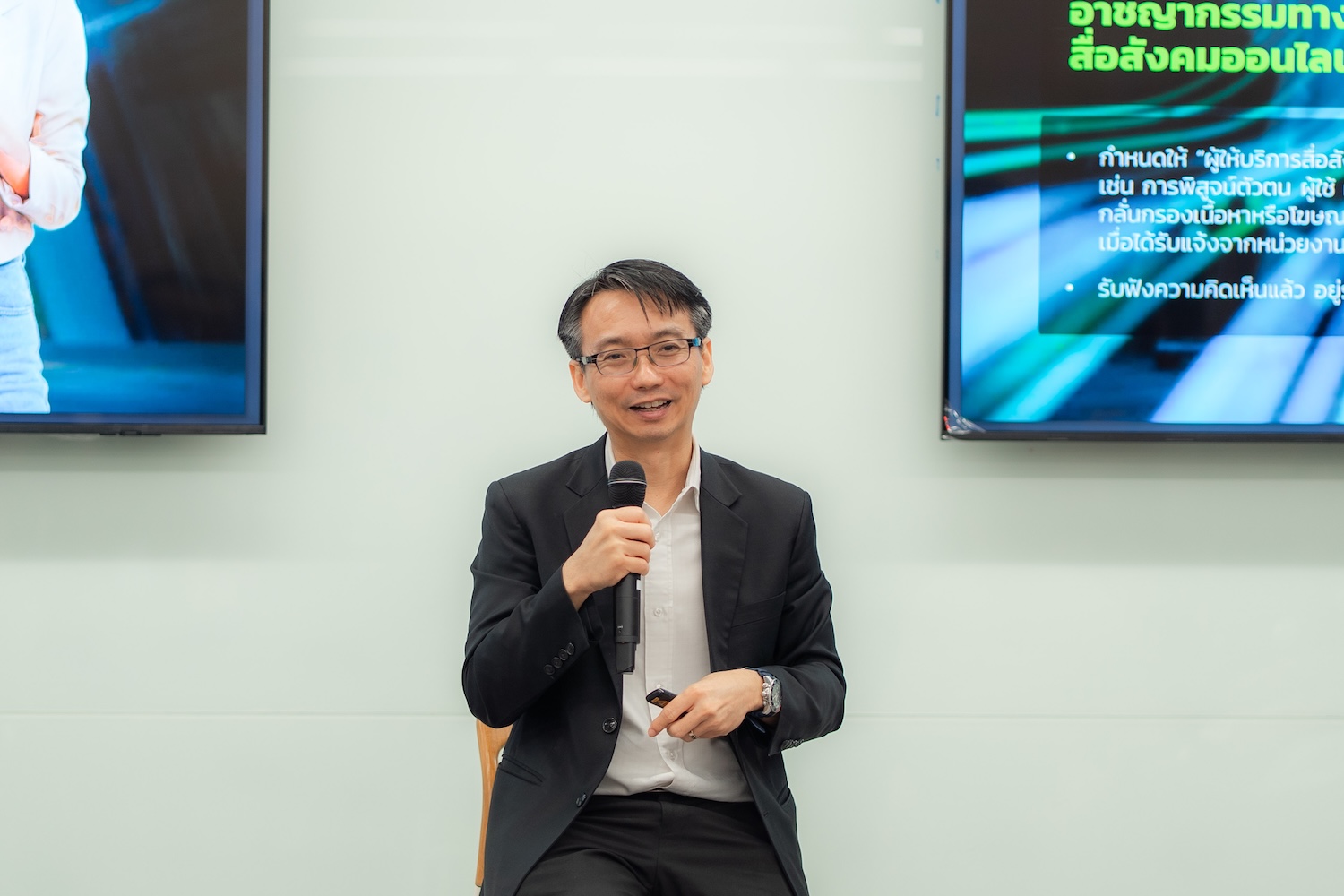
Dr. Chaiyana Mitrpan, Director of ETDA, revealed that the AI Governance Week 2026 (AIGW 2026) is being held for the second consecutive year under the operation of the AI Governance Center (AIGC). This year, the event is designed to transition all sectors from "Global AI Governance Principles" to "Real Implementation in the Context of Thailand" through knowledge exchange, experiences, and interesting use cases from policymakers, international organizations, Big Tech, the finance sector, education, law, and AI governance experts from over 60 individuals representing more than 40 organizations, including the Technical University of Munich (TUM), IPAP, World Bank, OECD, IRCAI, AWS, Google, UNICEF, the Embassy of Japan in Thailand, UNESCO, Meta, Microsoft, Huawei, IBM, and leading Thai agencies, throughout the five days of the event.
One of the key highlights of AIGW 2026 is the elevation of the AI Governance Center (AIGC) to the AI Governance Practice Center (AIGPC), reflecting Thailand's new role in creating knowledge and guidelines for AI governance to support organizations both domestically and regionally in implementing internationally aligned AI governance principles. This will be achieved through tools, practices, consulting, testing, and capacity building. The event will also introduce the AI Ethical Impact Assessment Playbook or AI EIA Playbook, developed by ETDA through AIGC, to help Thai organizations systematically assess the impacts of AI in various use cases. This playbook is not a new framework but a practical guide that enables organizations to adapt international AI ethics and governance frameworks, such as UNESCO's guidelines, more easily within the Thai context. Assessing the impact of AI requires a comprehensive view that considers all stakeholders involved. For example, if a hospital uses an AI chatbot, the stakeholders may include doctors, nurses, patients, system administrators, and relevant agencies, each of whom may be affected differently in terms of safety, privacy, data accuracy, reliability of results, and accountability in case of errors.
In addition to organizational aspects, this year's event will emphasize AI in education through the Building AI Awareness and Safe Use in Education forum, inviting all sectors to look beyond "using AI in the classroom" to designing AI usage with appropriate governance frameworks that balance innovation, risk, and responsibility, thereby building confidence in the Thai education system. The forum will also provide a space for exchanging ideas on AI literacy, safe AI usage in schools, and preparing the skills of learners, teachers, and the public in the AI era, including hands-on workshops from leading technology organizations.
Another important topic is AI for Justice, focusing on the responsible use of AI in the justice process. AIGW 2026 will showcase lessons learned from participatory Hackathon designs and presentations from the winning teams of the Responsible AI Innovation Hackathon 2026, reflecting the development of concepts from real challenges to solutions that address justice processes under the principles of safety, fairness, and accountability. Additionally, the event will cover topics such as AI Regulation, Responsibility, and Real-World Use Cases, linking laws, policies, and actual AI applications in the Thai context, from AI laws and intellectual property to automation in digital commerce and the direction of Thailand's AI legislation, balancing innovation with governance.
Another highlight that all sectors should not miss is the AI Red Teaming, a competition simulating AI system testing to identify risks, weaknesses, blind spots, and vulnerabilities before actual implementation. This year, ETDA emphasizes testing AI in the finance and banking sectors, which are services that directly affect the public and have a direct impact on economic confidence.
Dr. Chaiyana explained that AI Red Teaming is akin to having expert teams "test" AI systems in realistic simulated scenarios to see if the systems could be deceived, respond incorrectly, produce unsafe outcomes, or reveal vulnerabilities that the organization may not have noticed. The insights gained will then be used to design preventive measures or guardrails to ensure that AI operates safely and responsibly. ETDA collaborates with partner agencies like TB-CERT to provide the Thai financial sector with deeper insights, leading to more targeted policy design, preventive measures, and risk management strategies.
“What ETDA aims to communicate through AIGW 2026 is that AI governance must not stop at principles but must be transformed into tools and guidelines that organizations can practically implement, from elevating AIGC to AIGPC, launching the EIA Playbook, creating AI literacy in education, using AI responsibly in the justice process, to testing AI safety through Red Teaming, so that Thailand can fully leverage AI's potential alongside safety, responsibility, and public trust,” Dr. Chaiyana stated.
The AI Governance Week 2026 (AIGW 2026) will take place from June 29 to July 3, 2026. Interested participants can follow registration details for sessions open to the public at https://aigw-thailand.com/ or follow updates on the ETDA Thailand page.