Maximizing Solar Rooftop Benefits Starts with Safety, Not Just Low Prices
As electricity costs become a significant expense for households and businesses in Thailand, "Solar Rooftop" is no longer just an option for clean energy; it is evolving into a long-term investment that addresses cost reduction, increases property value, and contributes to reducing greenhouse gas emissions from households. The overall market reflects this trend clearly, with data from IEA PVPS indicating that by 2024, Thailand will have installed nearly 10 gigawatts (9,942 megawatts) of solar energy, of which over 3,310 megawatts are from solar rooftops, accounting for about one-third of the total solar power generation capacity. Meanwhile, Thailand's Alternative Energy Development Plan (AEDP 2024) aims to increase solar power generation capacity to nearly 39,000 megawatts by 2037, indicating significant growth opportunities in the long term.
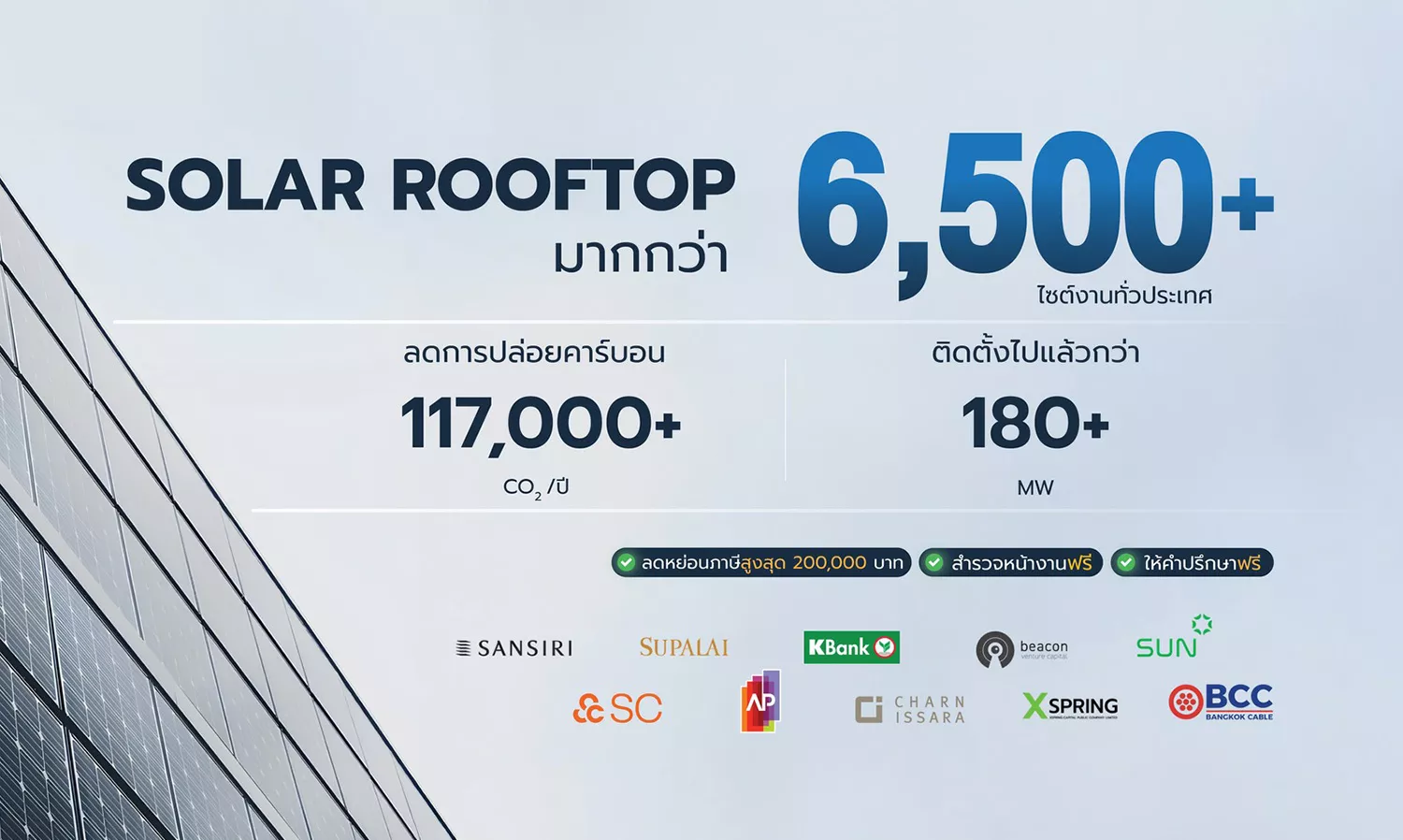
The support from the government is another crucial factor accelerating investment decisions. Recently, the government announced personal income tax deductions for installing Solar Rooftop systems in residential homes, with a maximum of 200,000 baht for On-Grid systems connected to the electricity grid of the Metropolitan Electricity Authority or Provincial Electricity Authority. This is expected to significantly boost installations in households over the coming years.
From the consumer's perspective, KTC or Krung Thai Card Public Company Limited predicts that spending through credit cards in the category of Solar Rooftop sales and installations will grow by over 300% by the end of the year, reflecting the increasing interest of Thais in adopting clean energy. However, while calculating the payback period and comparing prices are important factors, one should not overlook the "standards and safety" of the system, as Solar Rooftop is an investment meant to last over 20-25 years.
Check the Inverter and Electrical Connections: The Starting Point for a Safe System
The heart of the Solar Rooftop system is the "inverter", which converts direct current from solar panels into alternating current for household use. This device should be a certified model suitable for the home's electrical system. Consumers should clearly inquire whether the inverter is on the list approved by the electricity authority, whether it supports proper connection to the electricity grid, and ensure there are documents confirming the model, brand, and product serial number for future reference in case of issues. While this may seem like technical detail, it is actually the starting point for a quality system, as Solar Rooftop is not just an ordinary appliance but a power generation system directly linked to the home's main electrical system.
Another aspect not to overlook is the wiring, connectors, electrical panels, circuit breakers, surge protection devices, and various cut-off devices. Even if the solar panels and inverter are of high quality, if the supporting equipment does not meet standards or the wiring is poorly done, risks can still arise. A reputable installation business should be able to explain what equipment is used, what standards are met, and whether they are suitable for the panels and inverter. Additionally, wiring should be stored safely, protected from sunlight, rain, and pests in at-risk areas, especially for homes installed on rooftops exposed to weather conditions year-round. In simple terms, a good Solar Rooftop should not only look good at the time of signing the proposal but must also be "safe and verifiable" years after installation.
Engineers and Certification Documents: What to Ask Before Payment
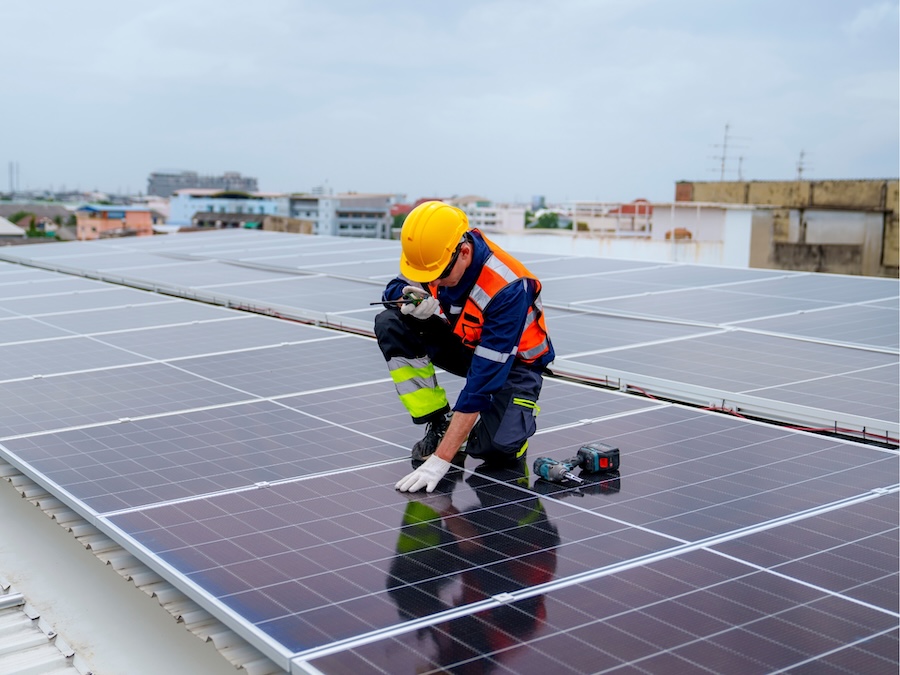
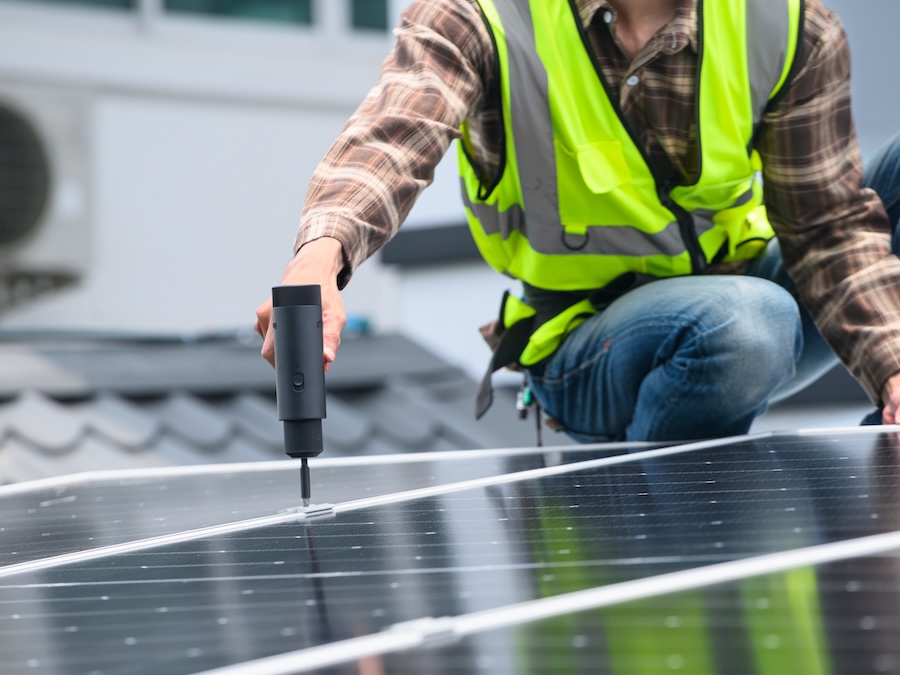
Installing a Solar Rooftop is not just a typical handyman job; it involves both electrical and structural aspects of the building, particularly the weight of the panels, securing the structure to the roof, and enduring long-term wind loads. Each home has different roof conditions and structures, so an engineer or expert should inspect before installation. Documents to request from the installer include a quotation and installation contract, a list of equipment and product models, an electrical system diagram or Single Line Diagram, warranty documents for products and installation, and a basic user manual. These are not just ceremonial documents but crucial evidence for product claims, system checks, or future home sales. Another point to clarify is who will be responsible for submitting documents or coordinating with relevant authorities after installation. Consumers should not accept "I'll take care of it" as the final answer without further details.
Before Acceptance, Test the System and Check the Display Thoroughly
Many people think that once installation is complete, they can use the system immediately. However, the "pre-acceptance" phase is crucial for homeowners to check with the installer, from testing the system operation, viewing production values on the display or application, to checking the condition of the panels and wiring, and ensuring all documents are complete. It is advisable to record contact details for the installer, after-sales service team, and warranty conditions clearly, as Solar Rooftop is a long-term investment. If issues arise after installation, quick contact and resolution are just as important as the installation price.
If you encounter unusually low prices, unclear equipment models, lack of written contracts or warranties, or pressure to decide immediately, you should delay your decision and compare additional information first. Installing a Solar Rooftop is not a promotion that should be rushed into; a lower price today may turn into higher costs in the future if work needs to be redone, systems repaired, or safety issues arise. Therefore, choosing an installer should consider equipment standards, team experience, company credibility, documentation, and after-sales service together.
Plan Finances Well: Solar Rooftop Will Be a More Comfortable Investment
Another aspect homeowners should plan for is "cash flow" because Solar Rooftop has relatively high initial costs. While it helps reduce electricity bills in the long run, making a large one-time payment can affect the liquidity of some families. This is where financial tools can help make clean energy investments more accessible, whether through installment payments via credit cards, utilizing reward points, or choosing to pay with retailers and service providers that offer suitable financial terms.
For "KTC credit card members," checking promotions with Solar Rooftop partners or home-related services is another option that helps manage expenses more flexibly. In addition to promotional benefits, KTC also emphasizes selecting partners with quality and industry-standard installation, such as leading energy and solar service providers or experienced and certified home electrical contractors. Participating retailers include A Solar, KG Solar, and Sunday by Gulf1.
KTC believes that the decision to invest in Solar Rooftop or home improvements should start with choosing a reliable and expert installer first, alongside considering financial value and suitable promotions to maximize long-term benefits. Ultimately, the most worthwhile Solar Rooftop is not the cheapest system but one that is safe, functional, verifiable, has after-sales support, and assures homeowners that their investment is long-term, not a hidden risk on their rooftops.
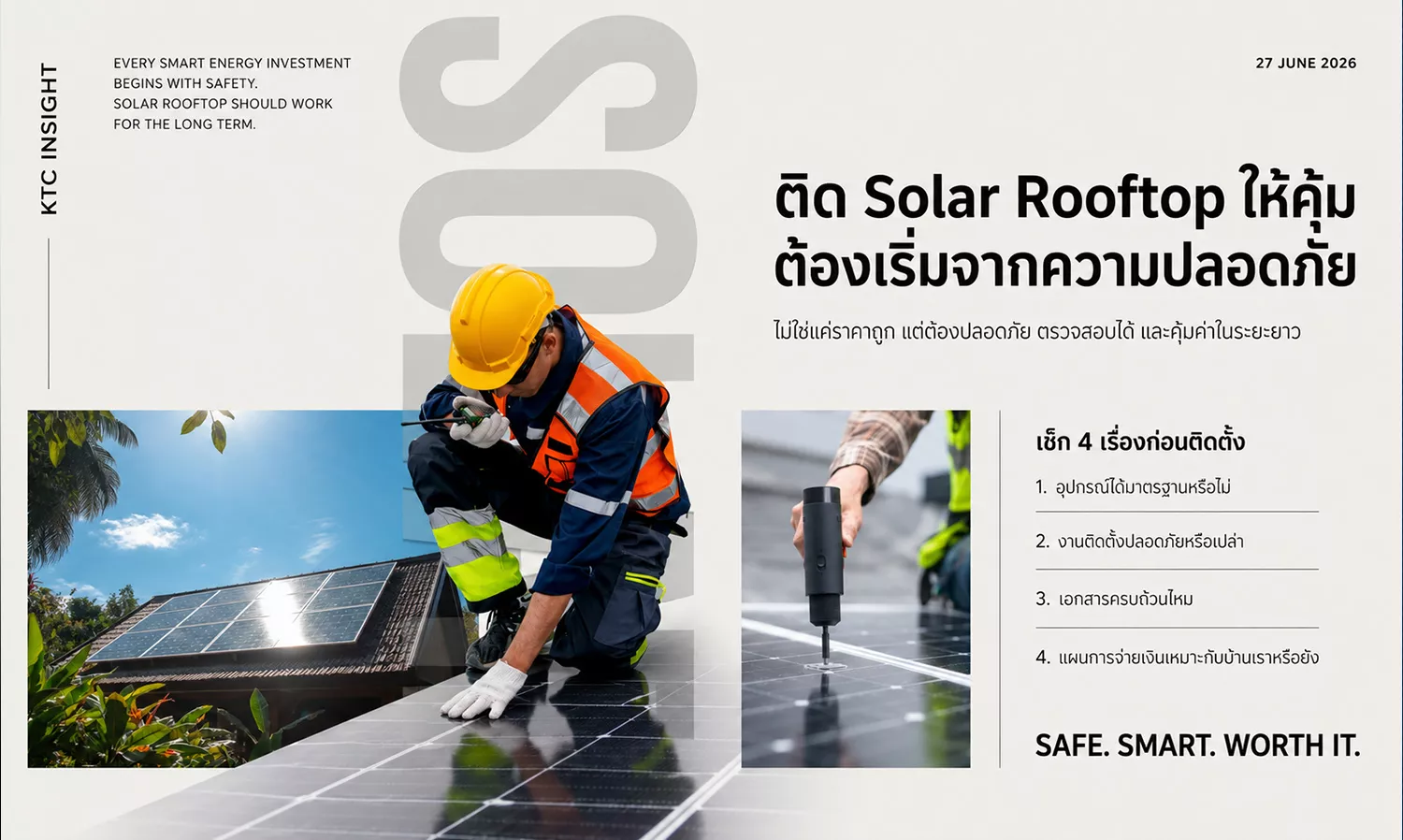
Before installing a Solar Rooftop, it is essential to ask four important questions: 1. Is the equipment standard? 2. Is the installation safe? 3. Are the documents complete? And 4. Is the payment plan suitable for our home? Once all aspects are checked, solar energy will not just be an option for reducing electricity bills but a reliable investment for the home.