LIV-24 Brings Together Public and Private Sectors to Decode AI Investment in the New Era, Supporting Factories to Enhance Efficiency Cost-Effectively at the "LIV-UP: Rethinking Factory Investment" Forum
The Thai industrial sector is at a crucial turning point, facing pressures from rising production costs, labor shortages, and increasingly fierce global market competition. This has compelled operators to urgently seek ways to enhance operational efficiency without unnecessarily increasing investment burdens. Meanwhile, AI technology has emerged as a key mechanism for elevating production and management within the industrial sector.
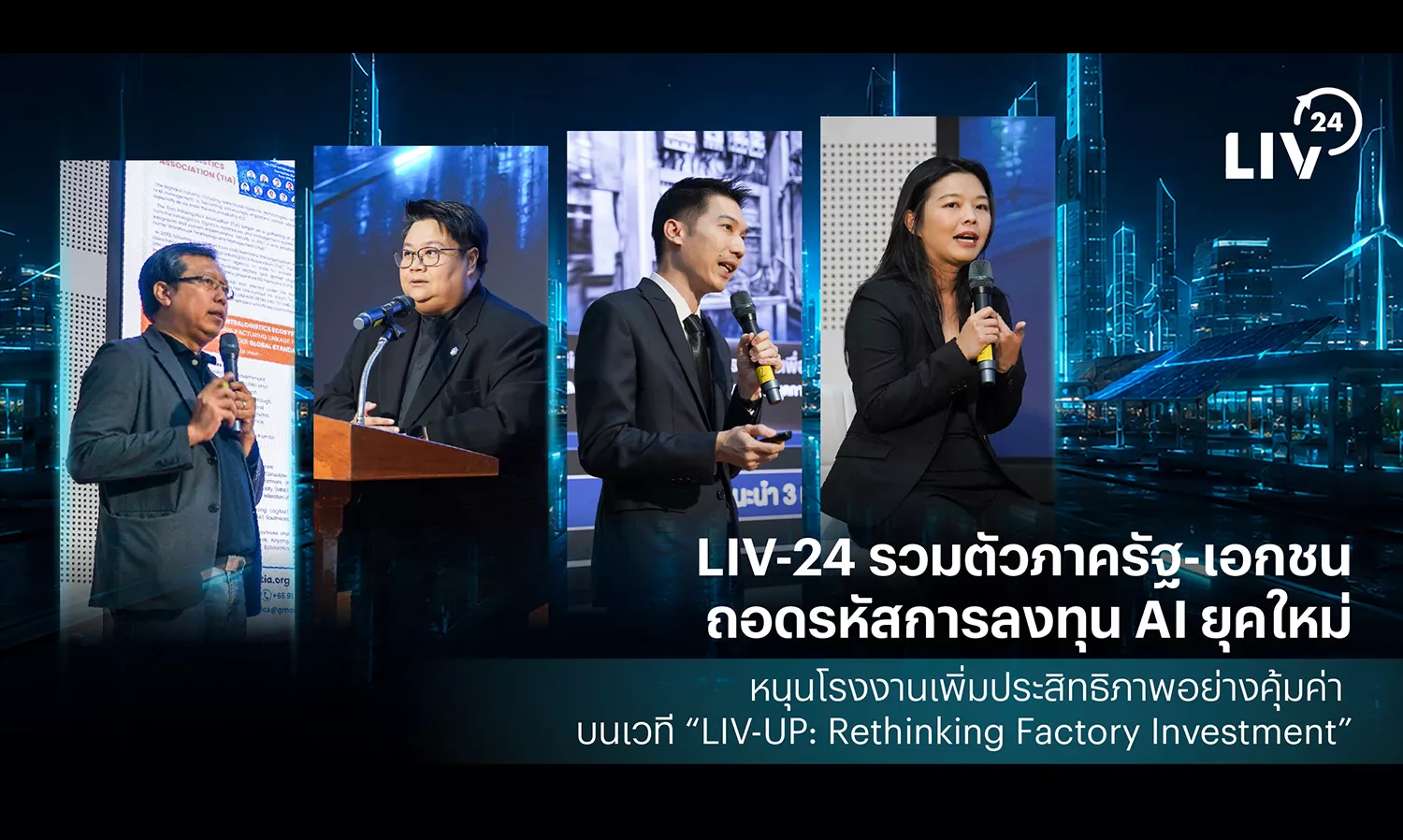
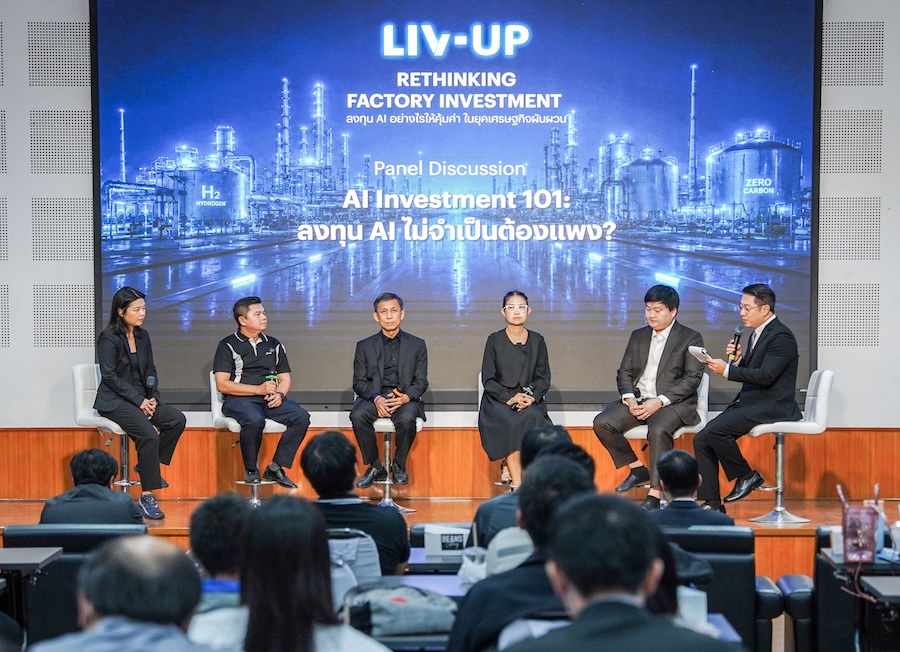
LIV-24 has therefore collaborated with the government and the industrial sector to organize a seminar titled “LIV-UP: Rethinking Factory Investment - How to Invest in AI Effectively in a Volatile Economy”. This event serves as a platform for exchanging views on technology investment for the manufacturing sector, featuring representatives from the Ladkrabang Industrial Estate Authority, the Thai Warehouse Management Association, the Ladkrabang Industrial Club, and experts from AIS, Ajax, and Honeywell, who shared real experiences on leveraging AI to enhance the competitive capabilities of Thai factories.
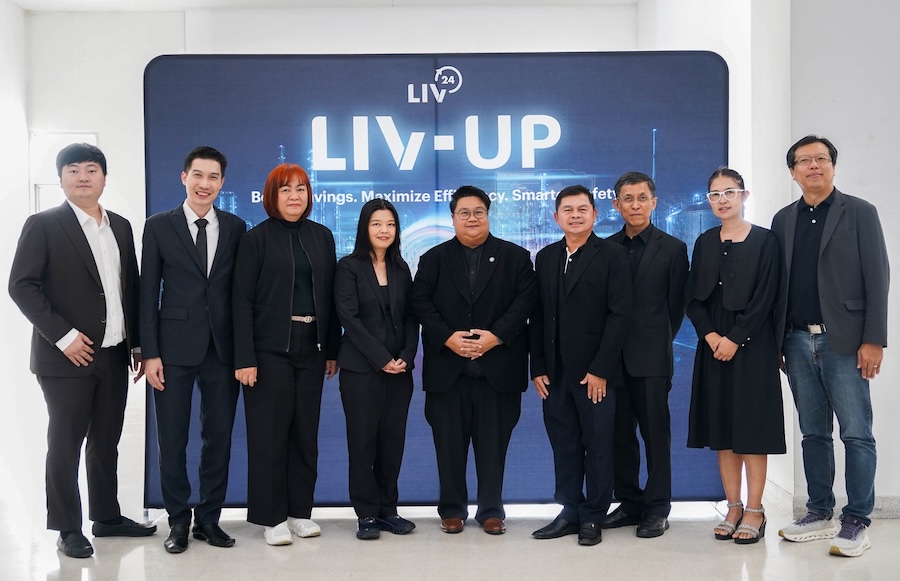
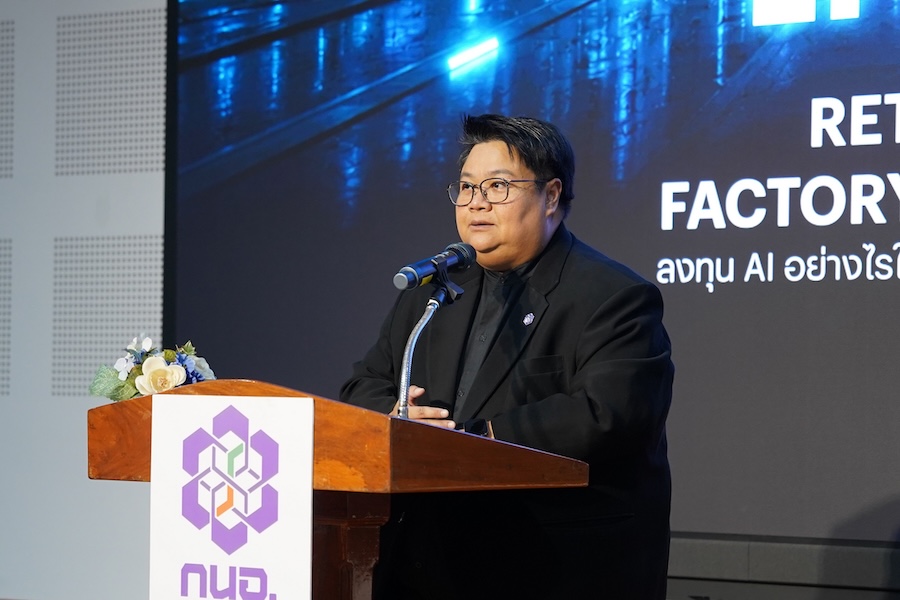
The event was honored by the presence of Ms. Isariya Sangjaroen, Director of the Ladkrabang Industrial Estate Authority (IEAT), and Ms. Niramol Direkmahamongkol, Managing Director of LIV-24 Co., Ltd., who jointly presided over the opening ceremony.
From Automation to Intelligent Operation
Mr. Sakda Sarapadwit, President of the Thai Warehouse Management Association (TIA), stated that the direction of industrial investment is shifting from automating systems to replacing labor with data and AI to support decision-making and manage workflows in real-time, or Intelligent Operation, which allows factories to utilize resources more efficiently amidst a highly volatile economy.
Additionally, the government has measures to support technology investment, including tax benefits and funding support programs for entrepreneurs, such as IDA, ITAP-ERP, and Matching Fund, to help businesses, especially SMEs, access digital technology and facilitate their transition to Smart Factories more easily.
AI Does Not Require High Investment If You Start with the Right Problems
Experts at the event unanimously agreed that the perception that AI is a technology requiring high investment may not align with current realities. Organizations can start by addressing specific problems or Pain Points that affect operational efficiency before selecting appropriate technologies to meet their needs.
Mr. Jirat Saitong, President of the Ladkrabang Industrial Club, emphasized that the primary goal for operators remains cost management and profit generation. Therefore, technology investments should focus on reducing labor costs, minimizing errors, and enhancing operational efficiency in areas that significantly impact the business.
However, merely selecting the right technology may not be sufficient if organizations lack the data and infrastructure necessary to support AI usage. Ms. Busayamas Phumhom, Smart Solutions Manager at Advanced Info Service Public Company Limited (AIS), pointed out that the key factors for effectively implementing AI start with having accurate and trusted data, as well as appropriate network and security infrastructure, since data quality directly affects the quality of analysis and decision-making.
Both Mr. Chutidet Parinthitipa, Business Development Director at Ajax Supplies Co., Ltd., and Mr. Athiphat Thanchawanont, Business Development Manager at Honeywell Holdings (Thailand) Ltd., agreed that organizations do not need to overhaul their entire systems at once but can opt for solutions that address business needs and build upon existing systems to control budgets and reduce investment risks.
Quick Win: Transforming Traditional Factories into Smart Factories
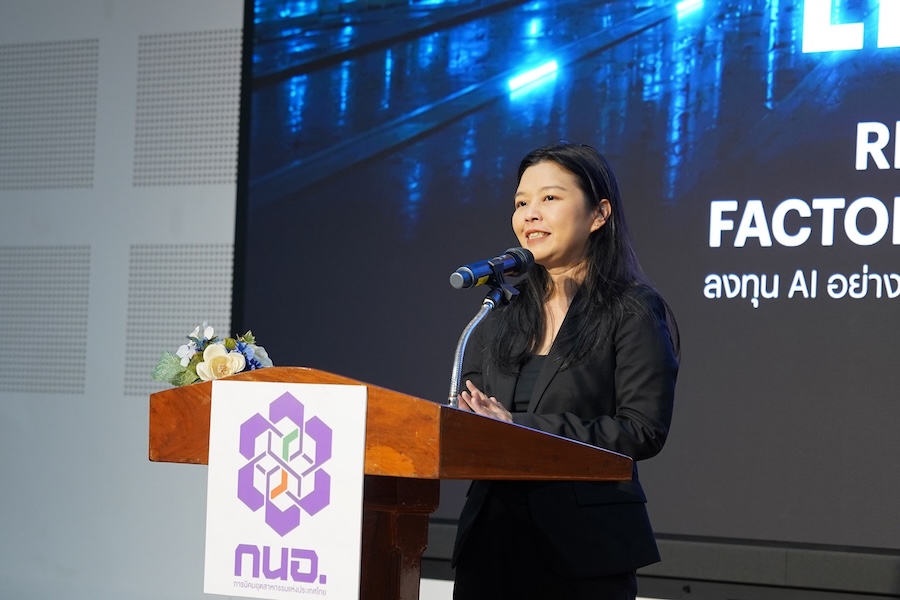
Ms. Niramol from LIV-24 stated that technology investments do not have to start with completely overhauling existing systems but can build upon existing equipment and infrastructure to enhance efficiency and reduce operational risks. Organizations should consider the returns received in terms of revenue, costs, and safety rather than focusing solely on the investment value.
“Today's competition is not just about the fast fish eating the slow fish; it is an era where the fast fish must also be smart, meaning they must choose to invest in the right areas that suit their organizational problems and create tangible results,” she added.
Examples of approaches presented at the event by Mr. Wanasak Kraiwoothithanakul, Head of Integrated Solutions and Business at LIV-24 Co., Ltd., indicated that upgrading factories to Smart Factories does not require investing in entirely new systems but can leverage existing structures through the concept of adding a “smart layer” in a Plug & Play format that is ready for immediate use, which can reduce system investment costs by up to 50%.
The recommended solutions include AI Edge Box, which upgrades existing CCTV cameras to analyze images with AI in real-time; Hybrid Fire Protection, which reduces false alarm issues with AI; and Smart Visitor Management, which allows for pre-registration before entering the premises and includes an LPR system for reading license plates. All of these can connect and integrate data through LIV-CORE on a single screen to enhance safety management in factories.
In the context of the industrial sector facing multifaceted challenges, experts at the event agreed that investing in AI and Smart Technology is no longer an option but a crucial tool for enhancing productivity, reducing costs, and increasing the competitive capabilities of Thai factories in the long term. The key is not to invest the most but to choose technologies that align with organizational challenges and can deliver real business results.
For consultation or details on installing LIV-24 for your business, contact 02 688 7555 or https://bit.ly/livupseminar.