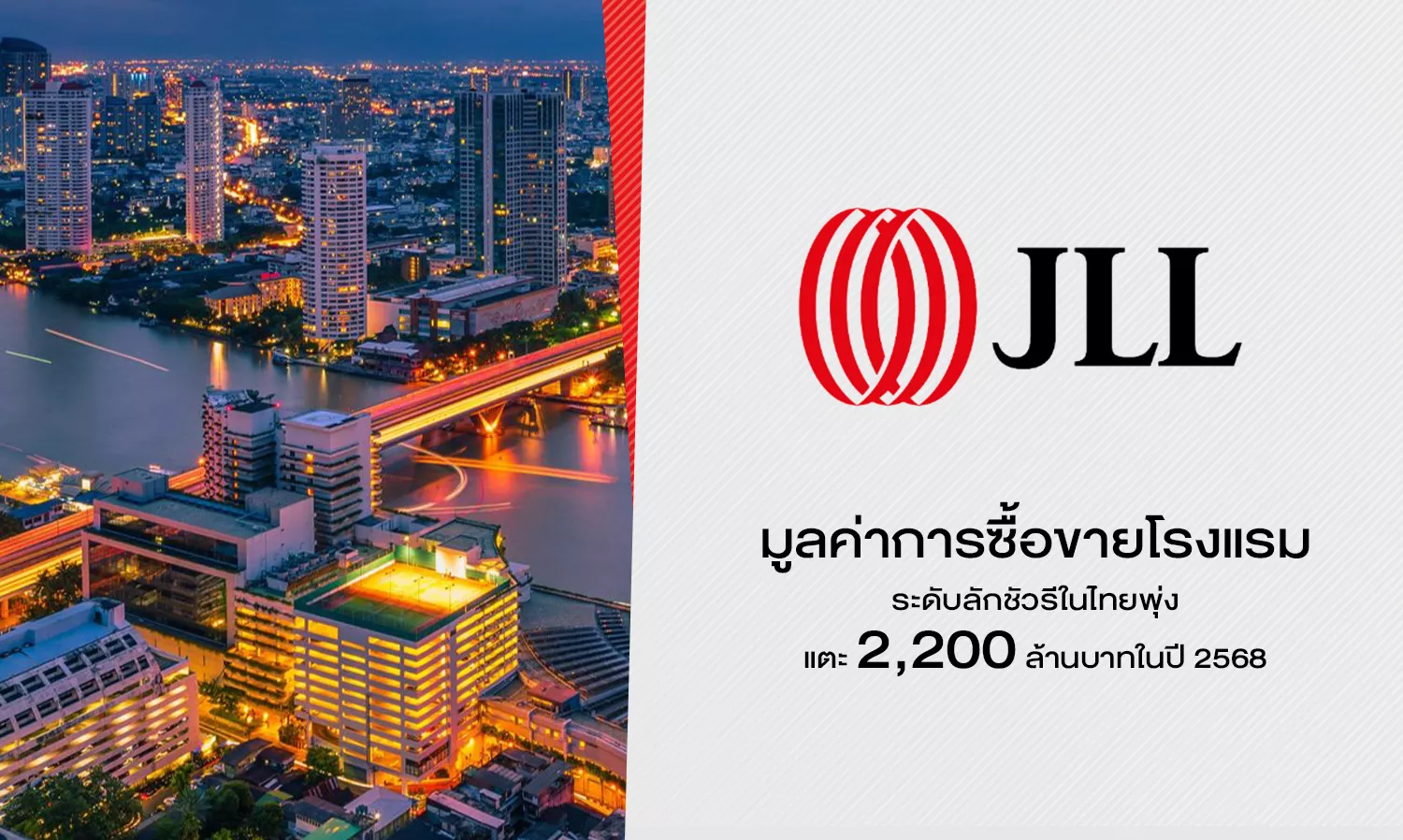
The Value of Luxury Hotel Transactions in Thailand Surges to 2.2 Billion Baht by 2025
The investment trend in luxury hotels across the Asia-Pacific region has seen remarkable growth, as investors perceive these assets to be resilient against economic fluctuations and consistently popular among travelers both regionally and globally. According to JLL (NYSE: JLL), the transaction value of luxury hotel sales in the Asia-Pacific region is expected to increase by 77% from 2017 to 2025, reaching approximately $2.1 billion by 2025. This figure represents one of the highest annual investment levels in the luxury hotel sector since the pre-COVID-19 crisis, which recorded over $2.4 billion in 2019.
Although luxury hotel transactions accounted for nearly 20% of all hotel sales in the Asia-Pacific region in 2025—more than doubling from 8% in 2017 and exceeding the 16% level seen before the COVID-19 pandemic—the hotel investment market in Thailand still faces supply constraints. Most hotel owners focus on long-term asset holding, resulting in a limited number of properties available on the market. Since 2017, luxury hotels have represented 19.2% of the total hotel transaction value in Thailand. However, in the past year, this segment accounted for only 7.9% of total transactions, despite ongoing interest from investors. Notable transactions in the past year included a share buyback from shareholders of a hotel in central Bangkok and the sale of a 51% stake in the InterContinental Bangkok.
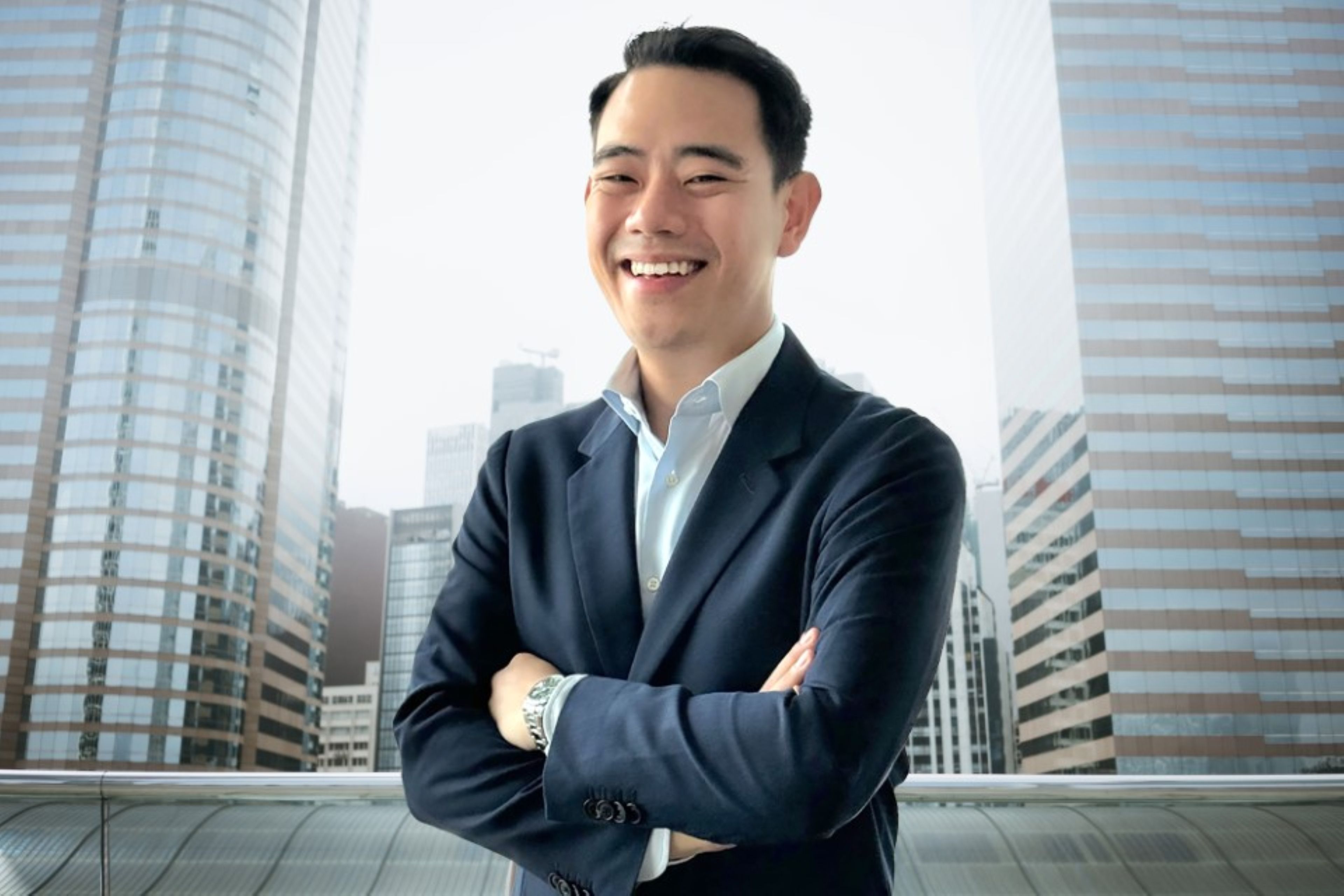
"The luxury hotel market in the Asia-Pacific region is entering a pivotal moment, driven by its resilience and exceptional recovery capabilities throughout and after the COVID-19 pandemic, coupled with rising wealth and changing consumer behaviors. This has led to a continuous demand for investment from a diverse base of investors, including private wealth and foreign capital, all seeking opportunities in assets that combine reliability, value preservation, and long-term growth potential," said Ms. Pimphana Yamjinda, Executive Vice President of Investment Services for Asia-Pacific at JLL.
The luxury hotel market is undergoing structural changes in terms of market share competition. While these hotels have traditionally been able to charge premium rates, the gap in occupancy rates between luxury hotels and standard hotels is narrowing, indicating that luxury hotels can maintain performance and sustainable demand year-round.
This strong performance continues to attract investment and new project developments. In the Asia-Pacific region, the supply of luxury hotels has grown at an average rate of 4% per year over the past decade, maintaining a market share of approximately 8% of the total hotel market. This trend is expected to continue moderately until 2030, with average daily rates able to rise consistently alongside strong occupancy rates. Since 2019, the average daily rates for luxury and ultra-luxury hotels in Bangkok, Phuket, and Samui have surged, with supply expansion aligning with market demand helping to avoid the oversupply issues that have previously affected the hotel industry, ensuring that demand and supply remain conducive to investment.

Another key factor driving the growth of the luxury hotel market is the development of service models that cater to diverse traveler needs. Operators, both global and regional, are launching unique concepts and brands, ranging from wellness retreats to culturally immersive experiences. The new supply entering the market reflects broader changes in consumer demand, with traditional five-star hotels being complemented by "Lifestyle Luxury" concepts that blend luxury accommodations with carefully curated lifestyle, wellness, and cultural experiences. This trend is further supported by the emergence of large mixed-use projects such as One Bangkok, Dusit Central Park, and Narai Group's Hatai project, which integrate hotel components with retail, office, and residential spaces, making hotels not just places to stay but part of a destination that offers a comprehensive lifestyle experience.
The luxury hotel market in Thailand continues to expand with the introduction of new brands such as Aman Nai Lert, Andaz One Bangkok, and The Ritz-Carlton One Bangkok. At the same time, the reopening of the Dusit Thani hotel, a well-known Thai brand with a long-standing presence in the market, is also noteworthy, along with the upcoming launches of new hotels like Six Senses Bangkok and The Langham – Custom House Bangkok. The increase in luxury hotel supply focusing on lifestyle experiences has driven the average daily rates for ultra-luxury hotels to soar, now approaching 15,000 Baht per night compared to around 10,000 Baht per night before the COVID-19 pandemic.
"The landscape of the luxury hotel business has changed significantly. We see operators adjusting their service models to meet the evolving needs of travelers while maintaining their position as premium assets that remain attractive to investors," said Mr. Chanawut Wanchaiwong, Senior Assistant Managing Director and Head of Hotel Advisory Business in Thailand at JLL.
Despite the higher operational costs of luxury hotels compared to other hotel markets due to factors such as a higher staff-to-room ratio, premium food and beverage services, and more intensive personalized services, luxury hotels still manage to achieve operating margins close to the overall market. Their ability to set premium room rates while maintaining profitability reflects their pricing power and exceptional management potential within the luxury hotel segment.
For more information, read here.