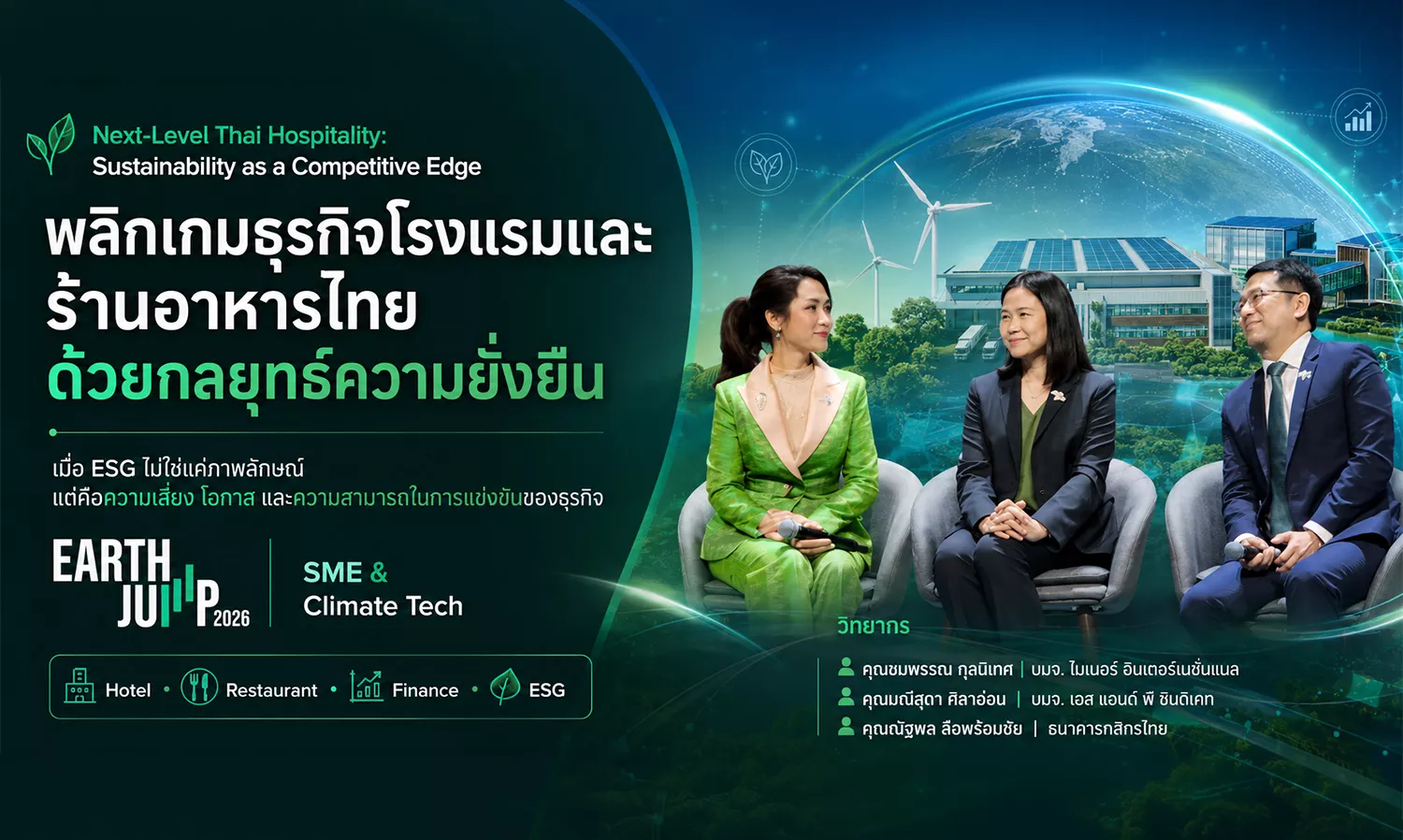
Transforming the Thai Hotel and Restaurant Business with Sustainable Strategies to Reduce Risks, Increase Opportunities, and Enhance Competitiveness at EARTH JUMP 2026
Transforming the Thai hotel and restaurant business with sustainable strategies to reduce risks, increase opportunities, and enhance competitiveness at EARTH JUMP 2026, focusing on the topic of sustainability as a condition for survival, business growth, and a new system that businesses must adopt, especially in the hotel, restaurant, and service sectors, which need to address customer needs, partners, costs, risks, and long-term access to funding.
▪️ Ms. Chomphan Kulnithit, Chief Sustainability Officer of Minor International Public Company Limited: "Modern hotels must have customer data, especially from the MICE sector, multinational companies, and large travel agencies. It's no longer just about price, room availability, or services; we are now being asked about the carbon footprint per room, water usage, Green Meeting arrangements, and verifiable sustainability data. Therefore, 'we must have solutions, answers, and data. Being prepared is not enough; we must also demonstrate that we are genuinely implementing these practices.'"
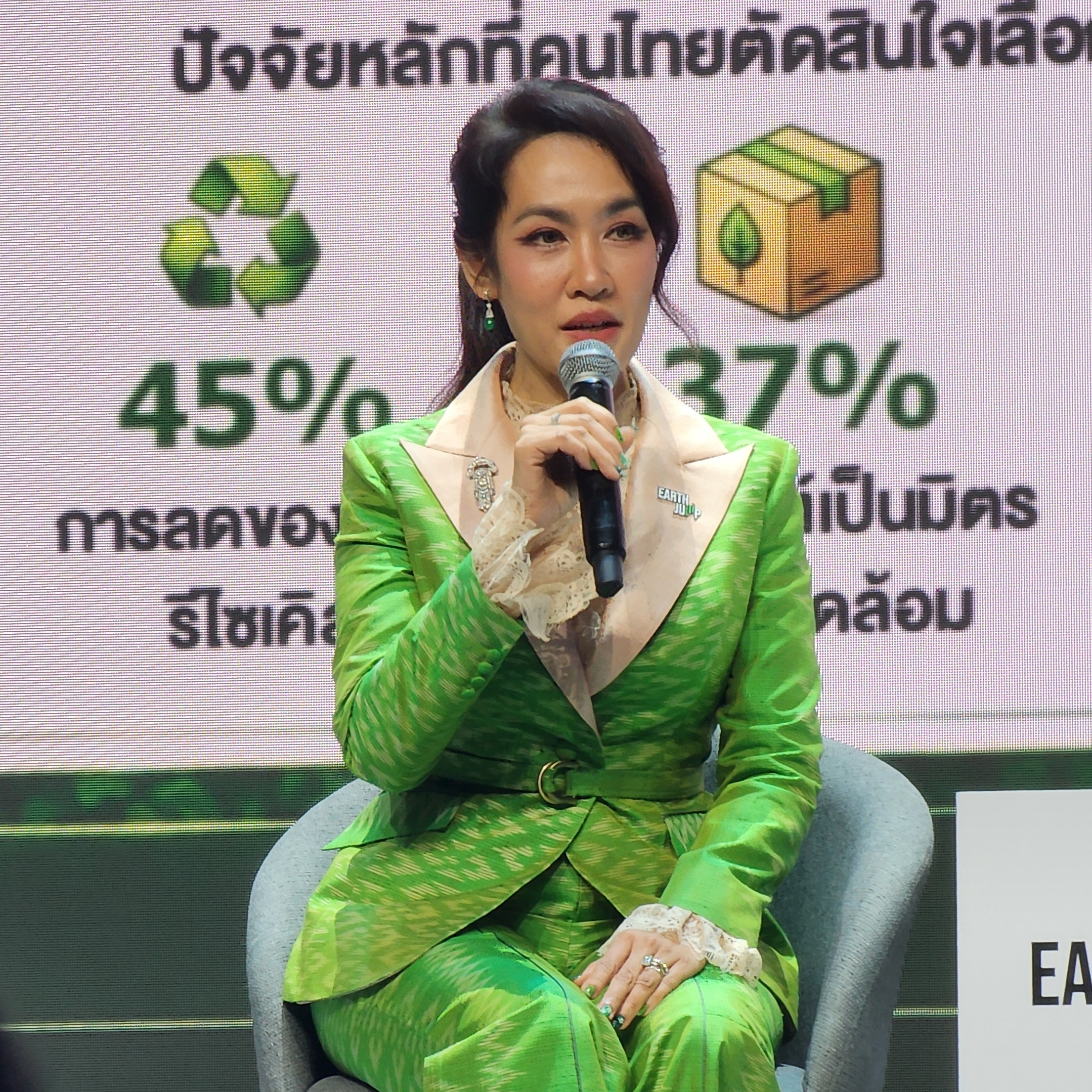
A crucial turning point for the hotel business is that sustainability must not only involve certifications or corporate reports but must be integrated into every customer journey, from information search and room booking to the actual experiences that customers see and feel. An example is the Anantara Golden Triangle Elephant Camp & Resort in Chiang Rai, which connects sustainability with customer experience through nature conservation, elephant care, biodiversity, and ensuring that what the brand communicates aligns with its actual practices.
▪️ Ms. Maneesuda Silaporn, Chief Sustainability and Corporate Communications Officer of S&P Syndicate Public Company Limited: "The food business faces significant challenges related to the supply chain and food waste, from raw materials, farmers, factories, transportation, branches, packaging, food leftovers, to consumer behavior."
Today, consumers are increasingly interested in the origins of food, health, packaging, and brand responsibility. At the same time, major partners and international collaborators are beginning to use ESG as a key factor in business cooperation considerations because "sustainability is no longer just about corporate image; it is about enhancing the competitiveness of businesses in the future."
S&P's journey began in 2016 with the installation of solar roofs, followed by the establishment of a sustainability development office in 2019 to drive systematic efforts. Even during the initial phase of the COVID crisis, the organization chose to move forward with initiatives that "do not require funding" first, such as reducing plastic, waste separation, packaging adjustments, employee training, and creating ESG DNA within the organization.
According to S&P data, they have reduced plastic usage by approximately 352 tons over the past 2-3 years and aim to switch to 100% eco-friendly packaging, achieving about 97% so far. Another significant case is food waste management through ordering planning between stores and factories, developing products sized for single consumption, and donating surplus food through the SOS Foundation. This project has been running for over six years, providing approximately 1.18 million meals to communities, accounting for about 27% of total food waste, and expanding from just 10 branches to around 205 branches across 10 provinces.
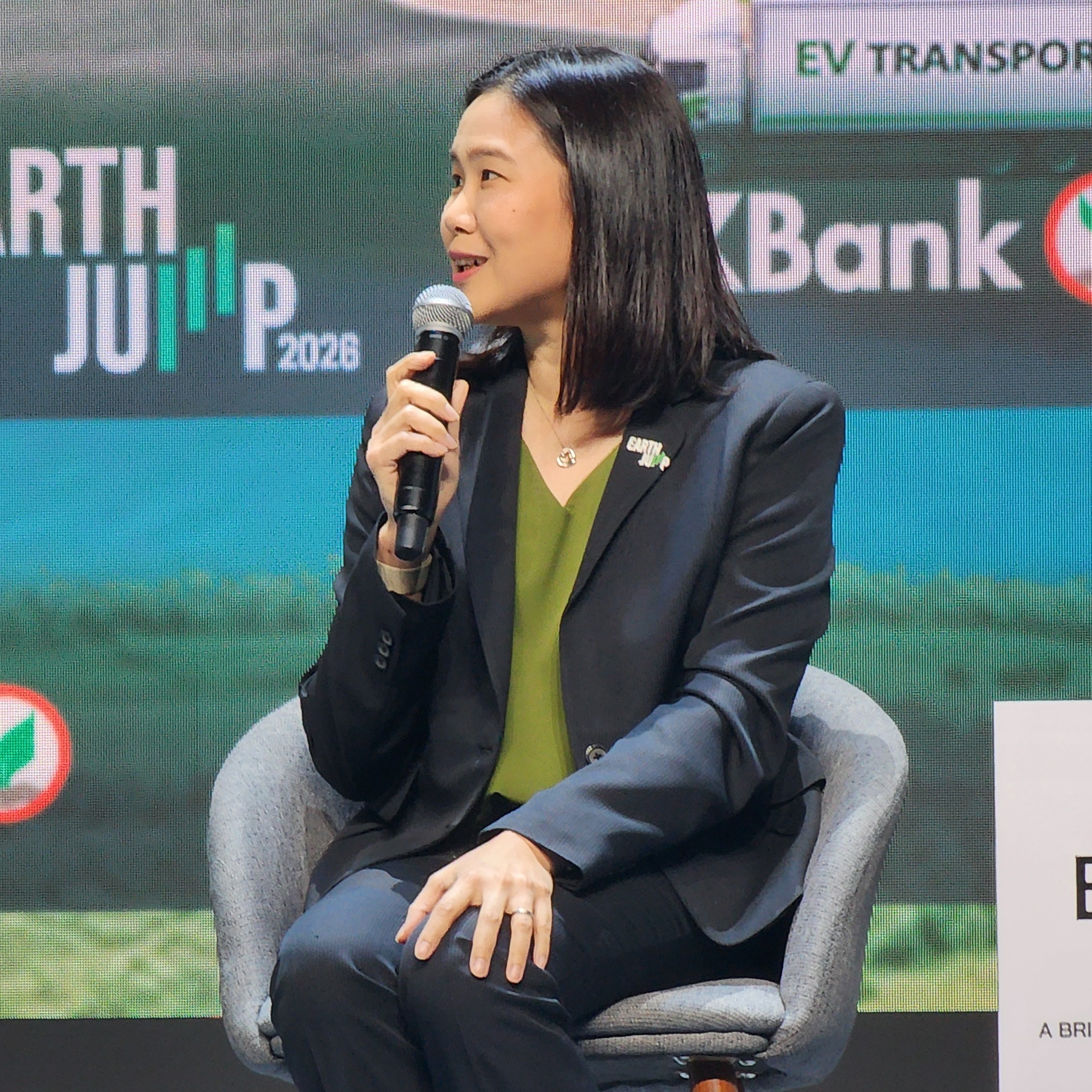
▪️ Mr. Natthapol Leuprapchai, Deputy Managing Director of Kasikorn Bank: "The financial sector views ESG as both a risk and an opportunity, particularly climate risk, which directly impacts businesses through flooding, property damage, operational disruptions, repair costs, and lost revenue. 'The risks associated with climate change may seem distant, but they are indeed business risks.'"

Implementing sustainability does not automatically mean businesses will face higher interest rates. On the contrary, the financial sector is developing tools to reduce financial costs for businesses undergoing transitions. Therefore, "it's not about higher interest rates; rather, sustainability initiatives can lower interest rates."
KBank has been developing sustainable financial products since 2011, marking 15 years this year, with offerings that support businesses, such as green loans with starting interest rates around 3.5% for the first two years, K Climate Shield to help businesses invest in flood risk prevention, and the 'Greener is Better' loan that allows businesses to reduce interest rates if they meet energy goals or receive green certificates. 'We want to make sustainability easy enough because doing business is already challenging.'"
✨ Key takeaways from this forum✨
▪️ ESG should start with issues that businesses are "passionate" about and that have real impacts.
▪️ It is not necessary to be 100% ready before starting; begin with what is feasible.
▪️ Data is crucial because what cannot be measured is difficult to manage.
▪️ Sustainability must connect with customers, partners, employees, and the supply chain.
▪️ The financial sector is playing a vital role in making the transition easier for SMEs.
Ultimately, sustainability is not an add-on for businesses but a system that must be implemented, linking organizational strategy, operational work, cost management, and long-term competitiveness.