Summer Changes the Game: Thai Consumers Choose Appliances Based on Future Electricity Costs
The soaring temperatures this summer have not only forced many households to run their air conditioners for longer periods but have also inevitably impacted energy expenses. The continuously rising electricity bills are changing consumer mindsets, shifting from viewing appliances as mere necessities to making decisions akin to "long-term investments" that consider both cost-effectiveness and comfort in daily life. Data from KTC's credit card spending in the first quarter of 2023 clearly reflects this trend, with the air conditioning category seeing an increase in spending share to 41% from 36% in the same period last year. Notably, in April, KTC credit card spending in the air conditioning category from April 1-15, 2023, grew by 53% compared to the same period last year, aligning with the extreme heat that prompted many households to upgrade or choose more efficient cooling devices.
Consumer spending trends also align with the overall picture of the electrical appliance market, with the industry estimating that the air conditioning market is expected to grow by about 20% this year. This reflects the role of these appliances as a key factor in summer life, with consumers placing greater importance on both quality of use and long-term electricity costs. The familiar question of "What temperature should I set the air conditioner?" is shifting to a new question: "How can I keep my home cool without skyrocketing my electricity bill?" This change reflects a shift in consumer attitudes towards a more "systematic thinking" approach, encompassing appliance selection, behavior adjustments, and investments in technology that help reduce long-term costs.
From "Wanting Cool" to "Wanting Energy Control"
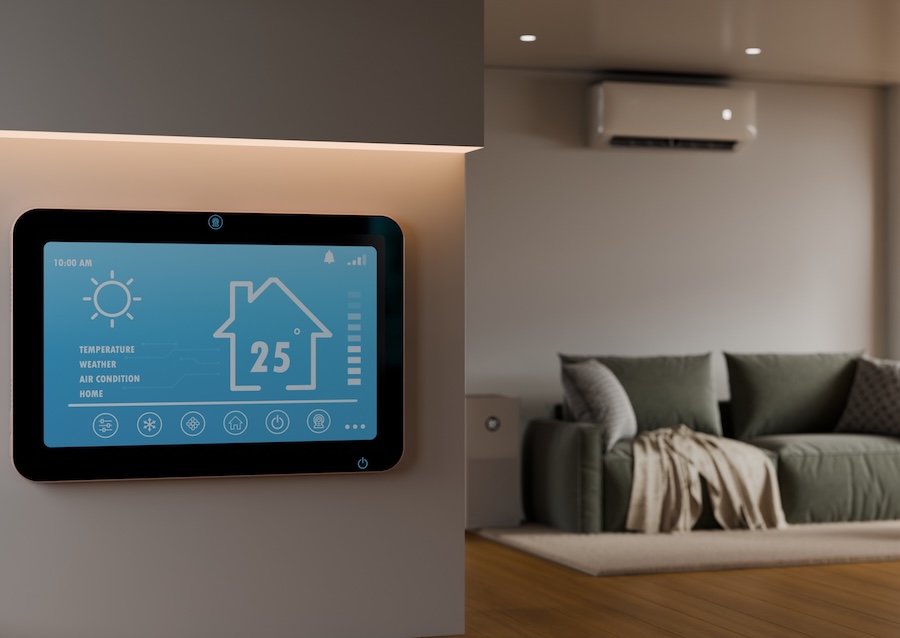
Thai consumers are beginning to view energy use in their homes as a bigger picture, not just about reducing monthly bills but about designing energy systems for greater efficiency. This includes energy-efficient air conditioners (which account for approximately 40-60% of household electricity use), smart appliances, temperature control systems, solar rooftops, and EV home chargers—all reflecting the move towards the concept of a "Smart Energy Home" or a home that manages energy systematically.

When Electricity Costs Become a "Catalyst for Investment"
Under the pressure of living costs, consumers are no longer deciding based solely on "the price of the appliance" but are increasingly considering the "total cost of ownership". Energy-efficient air conditioners or appliances, while initially more expensive, can lead to significant long-term savings. At the same time, competition in the market and rapidly advancing technology have made these products more accessible.
Finance's Role Shifts from "Paying" to "Planning" Assistance
Another crucial catalyst is the "financial tools" that make investments for energy savings more accessible, such as 0% installment payments, cashback offers, and reward points. Today's consumers are not just looking at purchase prices but are increasingly considering the total cost of ownership. This shift has transformed the role of KTC credit cards and financial services from "payment tools" to "assistants in designing quality spending".
Today, "summer" is not just a season; it is becoming a significant driving force that is clearly transforming Thais from consumers into "managers of their own home energy".