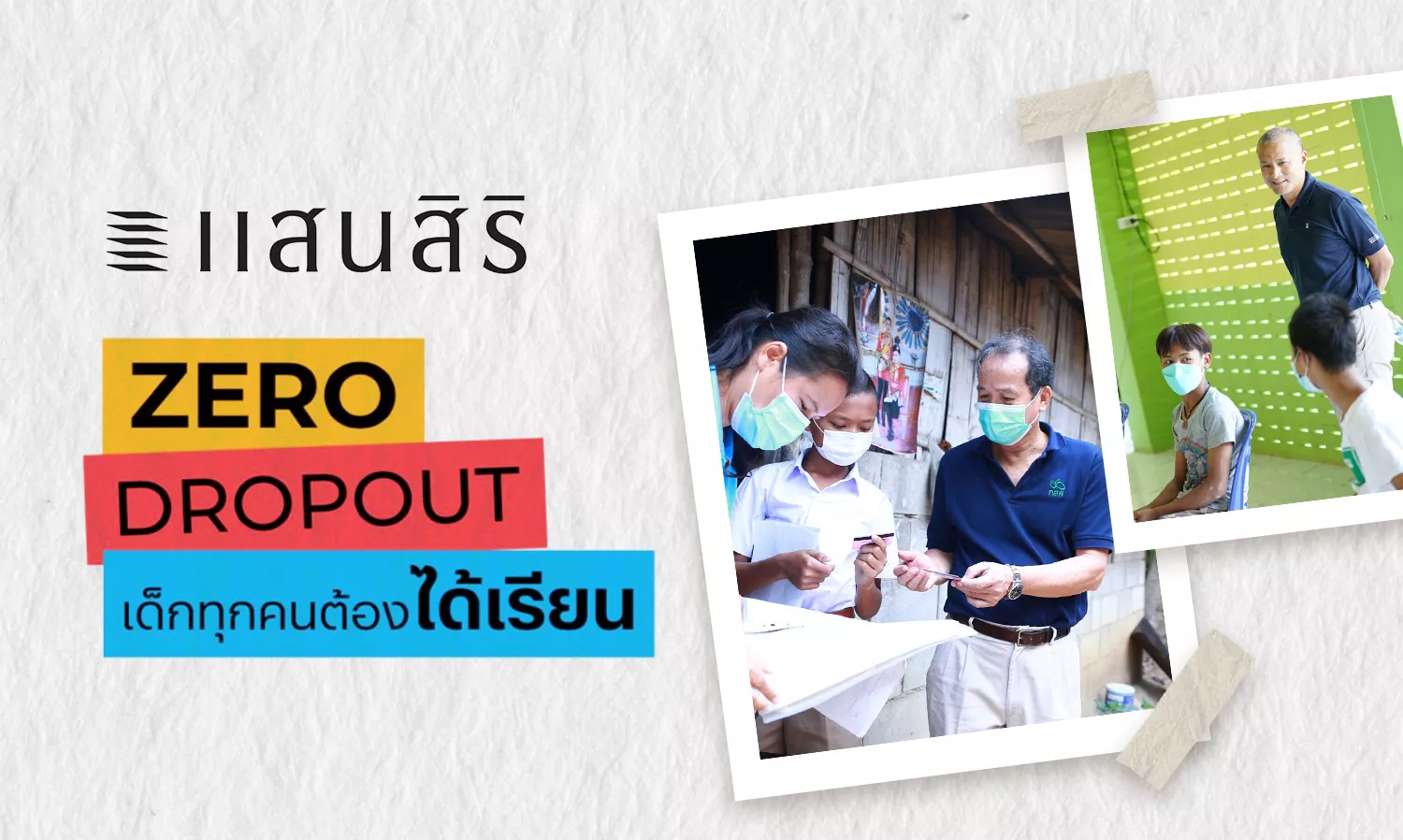
Sansiri Reveals 'Zero Dropout' from CSR Project in One Province Expanding into a National Education Policy Model
“Educational Equality” is a crucial concept for promoting national progress through the development of human capital in youth, who are the future of the nation. This has led to the creation of the "Zero Dropout: Every Child Must Learn" project by Sansiri Public Company Limited, a leading real estate developer in Thailand, which prioritizes creating equality in all dimensions.
The Zero Dropout project, which operates over a three-year period (2022 - 2025), is piloted in Ratchaburi Province, in collaboration with the Ministry of Education and the Education Equality Fund (EEF). It has proven to be a successful initiative that has created significant positive impacts at both provincial and national levels.
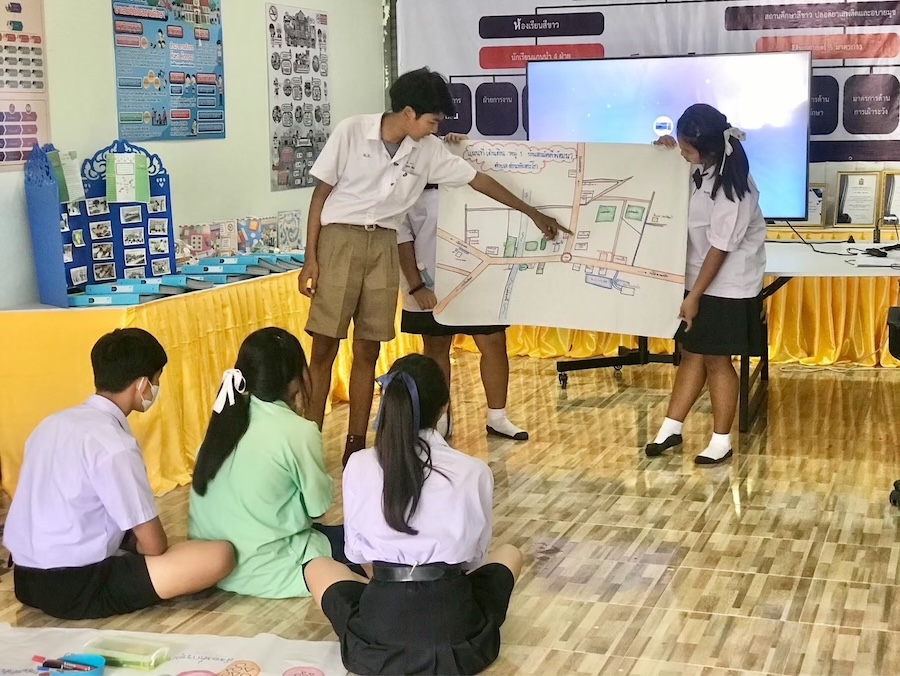
Provincial Success: Over the three-year period, the project has assisted more than 13,500 children and youth, both in and out of the education system, aged from early childhood to 24 years through various mechanisms such as 1 School 3 Models, transition scholarships from Grade 6 to Grade 9, 3 Power Volunteers, Opportunity Learning Centers, out-of-system child life models, and Learn to Earn programs with local businesses.
Beyond the clear numbers, what this project has created is a “system-wide transformation” in Ratchaburi, which includes:
- 332 schools in Ratchaburi are moving towards becoming flexible learning spaces under the “1 School 3 Models” initiative, achieving 100% across the province, allowing working children, impoverished children, those with family responsibilities, or out-of-system children to complete their education without abandoning their life responsibilities.
- Establishment of the first “Opportunity Learning Center” in the province to support special groups of children, such as disabled children, stateless children, and those who have dropped out of the system, providing them with flexible and suitable learning pathways.
- Creation of a data system for identifying out-of-school children that can be shared among agencies in the province to ensure that no child is “left behind by the system.”
- Empowering communities in 10 pilot areas to take ownership of their own dropout prevention plans, utilizing community resources and local networks to care for children and youth in the long term without waiting for external projects.
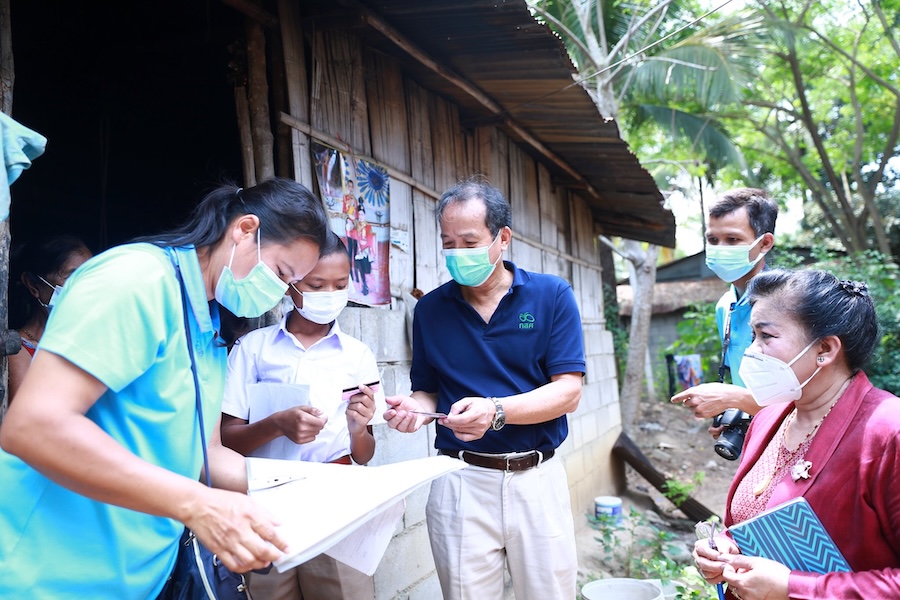
At the National Level, this project has achieved the goal of becoming a “Model Prototype” for implementing the national policy “Thailand Zero Dropout,” ensuring that children and youth across the country do not drop out of the education system. This is achieved through provincial collaboration and proactive efforts to assist target groups, such as community development plans to prevent at-risk children from dropping out, tapping into the “power of the community” to transform their role from recipients of aid to “owners of change,” along with developing an ecosystem of “flexible education that meets life’s needs.”
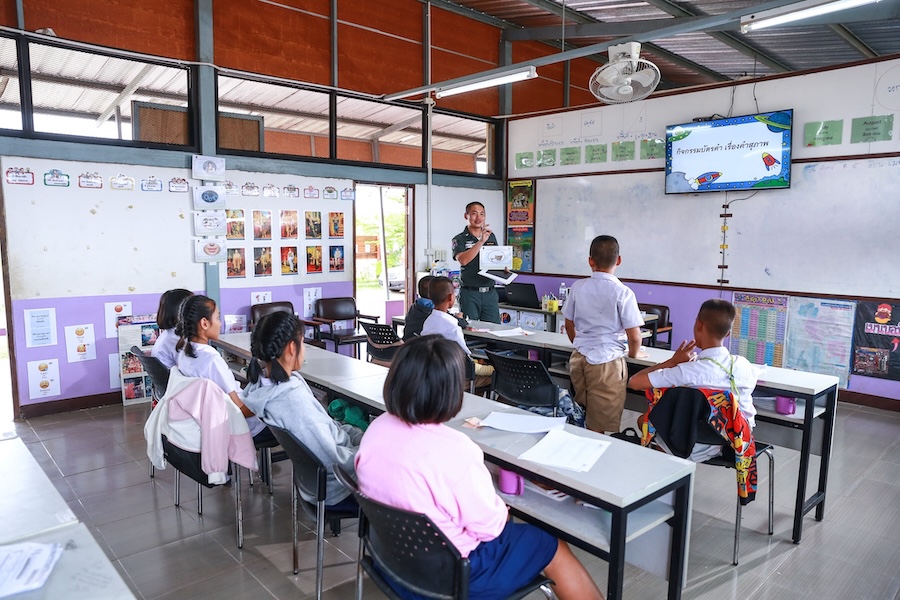
This model has been compiled into a “manual” for flexible education management with 1 School 3 Models for basic education institutions under the Office of the Basic Education Commission (OBEC), to be expanded nationwide. The official guidelines were announced to educational service areas across the country in 2025. Additionally, a “knowledge transfer curriculum” has been developed for educational institutions and those interested in child and youth management nationwide.
Samatcha Promsiri, Chief of Staff at Sansiri Public Company Limited stated, “The figure of 13,500 individuals assisted is just the beginning. What we believe is more valuable is the “system” that has been created in Ratchaburi, including data on out-of-school children, provincial mechanisms, flexible working teachers, and communities stepping up to care for their own children. This is what will ensure that future generations of children do not miss out on opportunities again. It is a significant achievement in creating a ripple effect at the national level, starting from a private sector project in one province that can expand into a “policy framework” for the country regarding flexible education, leading to substantial outcomes in driving the nation’s human capital (children and youth) through equitable education as a key force for national development in the future.”
The project has five key highlights: 1. A data system for identifying out-of-school children that can be tracked. 2. A volunteer mechanism in education acting as case managers to follow up, locate, and care for children. 3. Private sector involvement in supporting and driving educational initiatives in the province, including educational institutions collaborating to ensure seamless transitions for children and youth across educational levels. 4. An educational assembly integrating various agencies, data, and resources across the province. 5. A model area for educational innovation “1 School 3 Models,” which will serve as a tool to help children and youth access education that is flexible and tailored to their life contexts.
In the past, Sansiri has supported and driven various educational initiatives in Ratchaburi through the flexible education model “1 School 3 Models” and has provided funding of 100 million baht through financial innovation by issuing bonds for educational investment, making it the first private sector entity to undertake this.
“For Sansiri, we do not view this project merely as CSR but as a public policy model that has been proven in Ratchaburi and is now being expanded nationally. We are not just providing funds but also contributing to the creation of data systems and provincial mechanisms. Therefore, even when this project concludes its operational period, the established mechanisms will continue. We are proud to see an idea that started in one province become part of the Thailand Zero Dropout framework of the government,” Samatcha added.
The success of the Ratchaburi Zero Dropout project reflects Sansiri’s philosophy of conducting socially responsible activities not by counting the number of projects but by focusing on being a “system designer” for the country, collaborating with the government and communities, rather than just being a donor. This success serves as a “prototype that the country can realistically implement,” specifically in designing a flexible education platform for the nation.
In the past, CSR projects may have meant building facilities, providing scholarships, or donating goods, but today, the role of the private sector has evolved to become a co-designer of “social infrastructure” for the country, and Ratchaburi Zero Dropout is one proven example of what can be achieved.