Future Park and Spell Set Roadmap Towards a Sustainable Shopping Center, Launching 'New Waste Room' to Enhance Comprehensive Waste Management Services Without Leaving Residue in the Community
Future Park and Spell Shopping Centers have announced their commitment to becoming a fully sustainable shopping center by launching the 'New Waste Room' (Waste Management Center), which is a key component in driving a comprehensive waste management model. The goal is to achieve 'Zero Waste to Landfill' with the concept that 'every piece of waste has value and does not remain in the community' through various projects of the center, while engaging partners from government agencies, the private sector, and the community to create a collaborative environmental value chain in all dimensions.
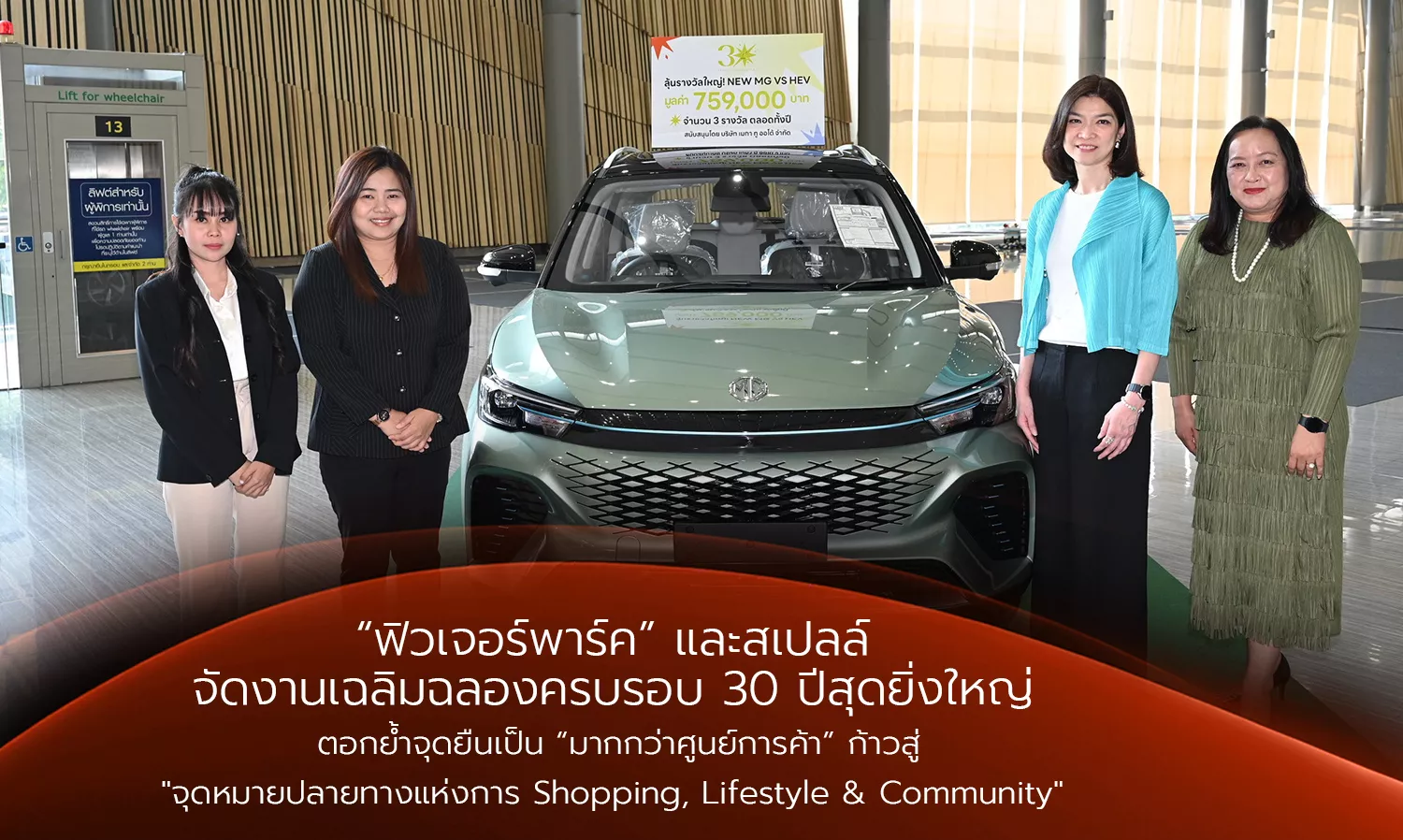
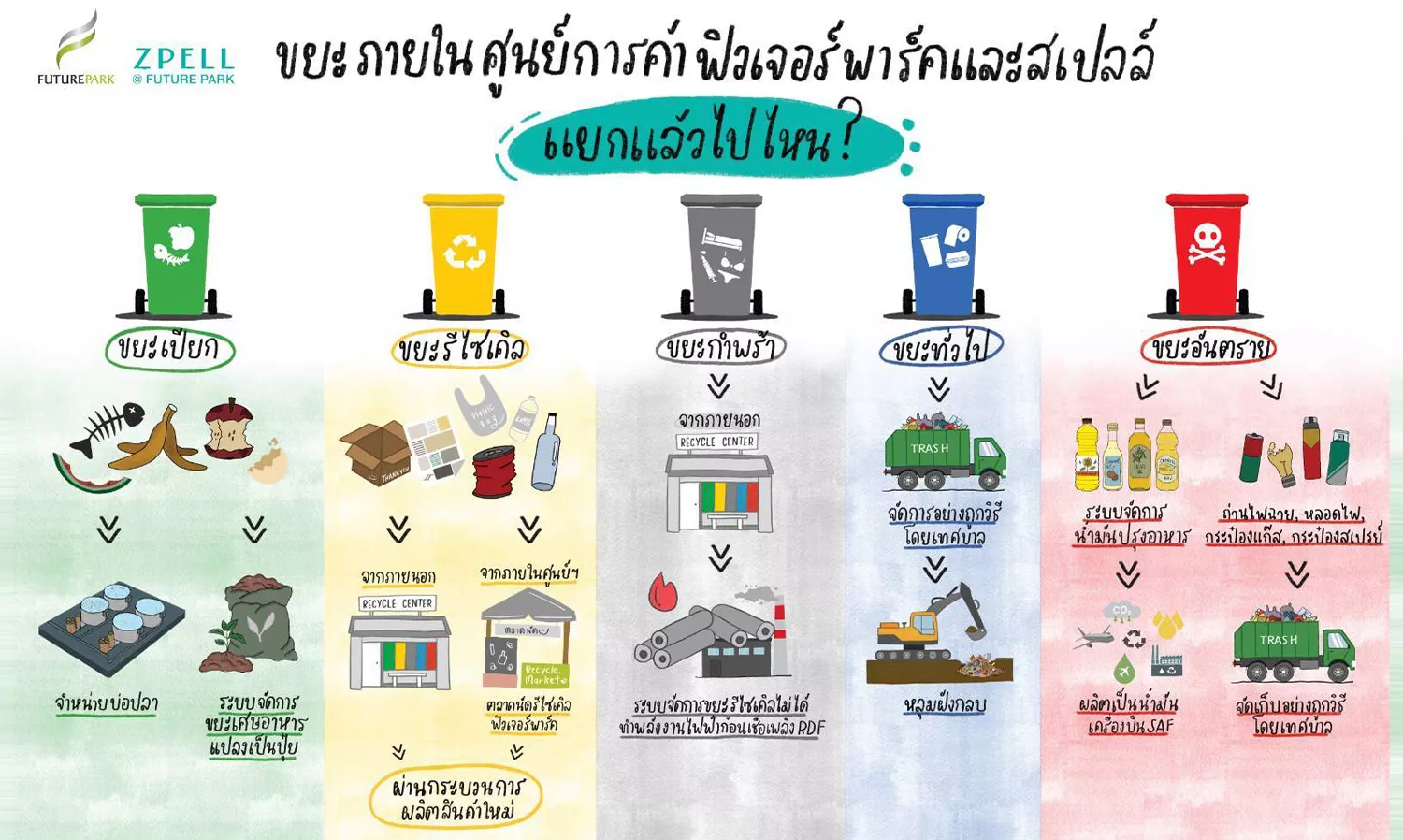
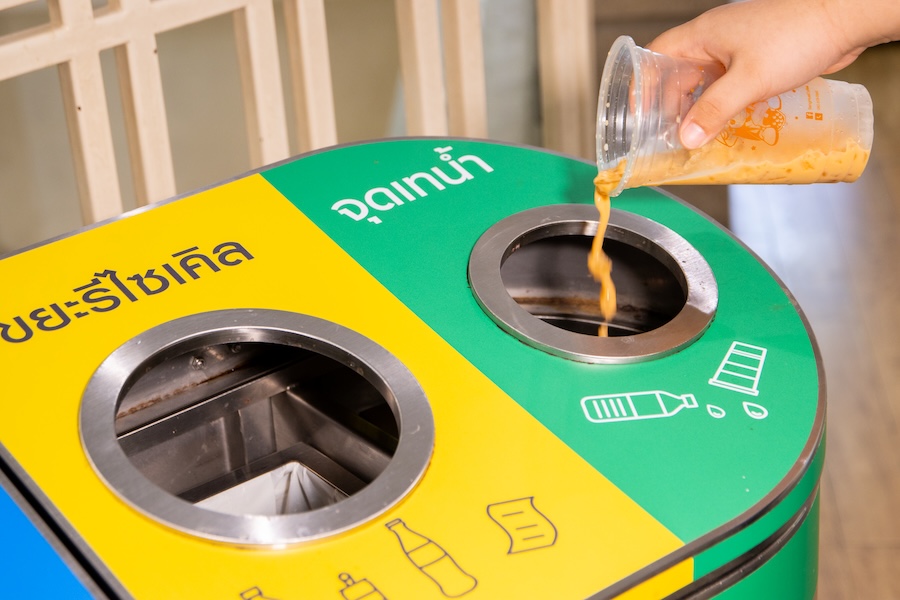
Dr. Suchai Watchapai-kul, Managing Director of Future Park and Spell Shopping Centers, revealed that our shopping centers focus on waste management from the source to the end through projects and innovations that encompass resource reduction, sorting, recycling, and the realization of a Circular Economy. This is achieved by connecting cooperation from all sectors, including shops, business partners, government agencies, and surrounding communities, to collaboratively create a tangible sustainable waste management system. The launch of the New Waste Room serves as a central hub for comprehensive waste management from all zones of Future Park and Spell, covering tenant shops, common areas, offices, and various activity spaces, using the principle of sorting waste into five main categories: Recyclable Waste, Organic Waste, General Waste, Hazardous Waste, and Infectious Waste.
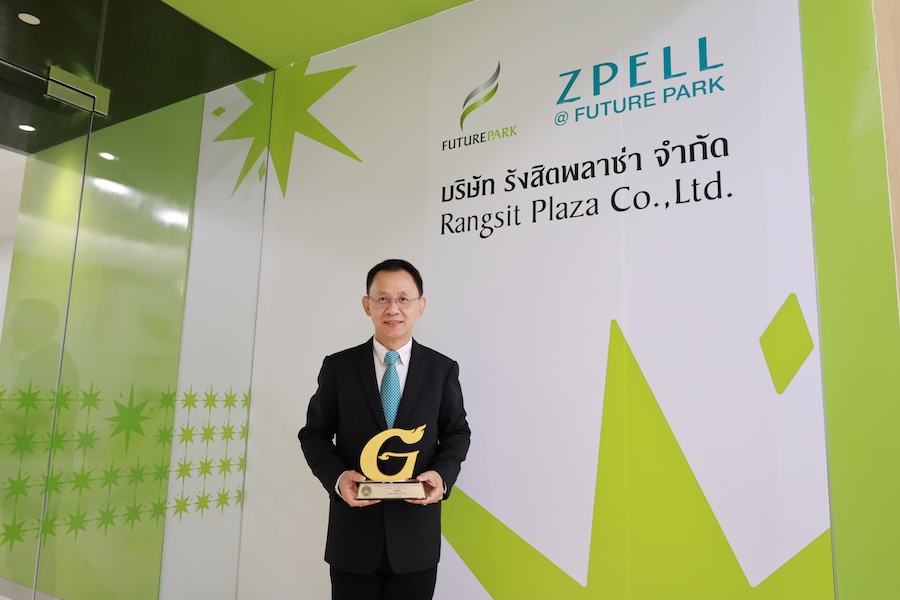
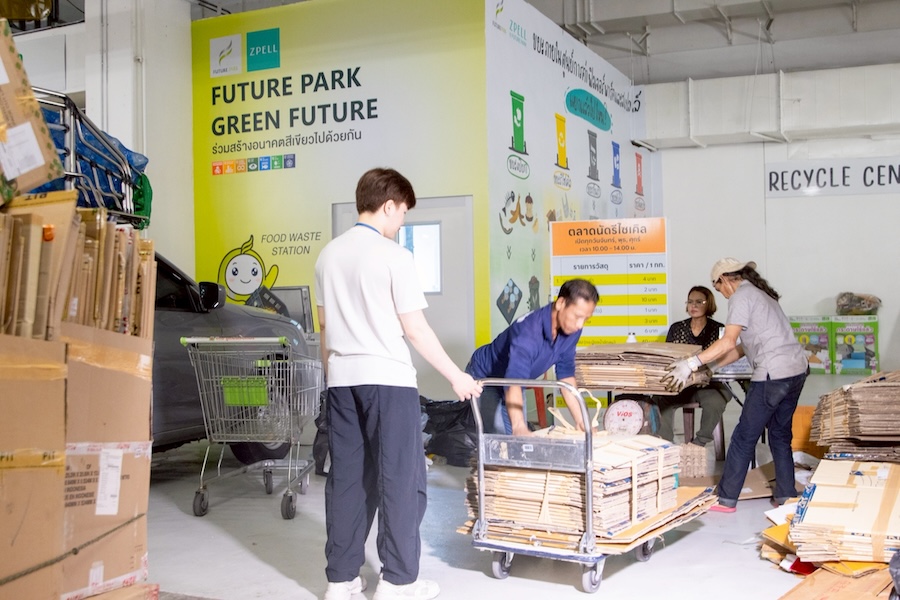
Dr. Suchai Watchapai-kul further stated that all types of waste will be collected and transferred in a hygienic and systematic manner. Separate waste bins have been established in the common areas of the shopping center to allow customers to participate in waste sorting from the source, which will then be sent to the waste room located at the Future Park parking building, Level B, East side. For instance, organic waste will be repurposed through the Green from Waste project, turning organic waste into fertilizer returned to nature, in collaboration with Oklin, which has installed food waste composters that can produce organic fertilizer averaging 75 kilograms per day or over 2 tons per month. The fertilizer produced will be used to nourish trees within Future Park, Spell, and Future City, as well as distributed to customers during eco-friendly activities and shared with the surrounding community to create a sustainable waste cycle that generates new value. Additionally, excess food scraps from the composting process will be used as fish feed, further enhancing the ecosystem.
For recyclable waste, the center has organized a Recycle Market to drive the Circular Economy, providing space for shops within the center to sell reusable materials such as cardboard boxes, plastics, glass, or metals directly to external buyers every Monday, Wednesday, and Friday. This initiative helps generate additional income for shops, reduces landfill waste, and connects businesses with community-level waste management, making the Circular Economy a reality within the shopping center. Meanwhile, general waste, hazardous waste, and infectious waste will be forwarded to Rangsit Municipality for proper management according to environmental standards.

However, Dr. Suchai Watchapai-kul concluded by stating that our center continues to collaborate with various environmental partners to further develop and enhance the waste management system, including:

‘Recycle Bank’ project (an unmanned recycling bank) in collaboration with Glean Thailand through the Drop & Go platform, allows customers and shops to deposit recyclable waste into a QR code scanning machine to accumulate points for rewards, encouraging continuous recycling behavior in daily life.
‘Send Waste Home’ and ‘Mobile Waste Return’ projects in collaboration with Better World Green accept donations of used clothing and fabrics for deep recycling processes, producing Refuse-Derived Fuel (RDF), and also accept 'orphaned waste' such as snack wrappers, film bags, or air-filled bags for customers and the public to return during designated rounds.
‘Green Way Notebook’ project in collaboration with Tollway, repurposes used paper into recycled notebooks to be donated to schools and communities, reducing the use of new resources and promoting creative reuse.
‘Don’t Waste’ project in collaboration with Bangchak Corporation collects used cooking oil from shops within the center to produce biofuel (SAF – Sustainable Aviation Fuel), which helps reduce waste from cooking processes and generates income for operators.
Through continuous collaboration on these projects, we reflect a comprehensive Circular Economy approach that connects operators, shops, customers, and the recycling industry into a shared environmental value chain, pushing Future Park and Spell Shopping Centers towards becoming the ESG shopping center of the future, committed to environmental care in all dimensions, including waste management, clean energy use, and sustainable community engagement.