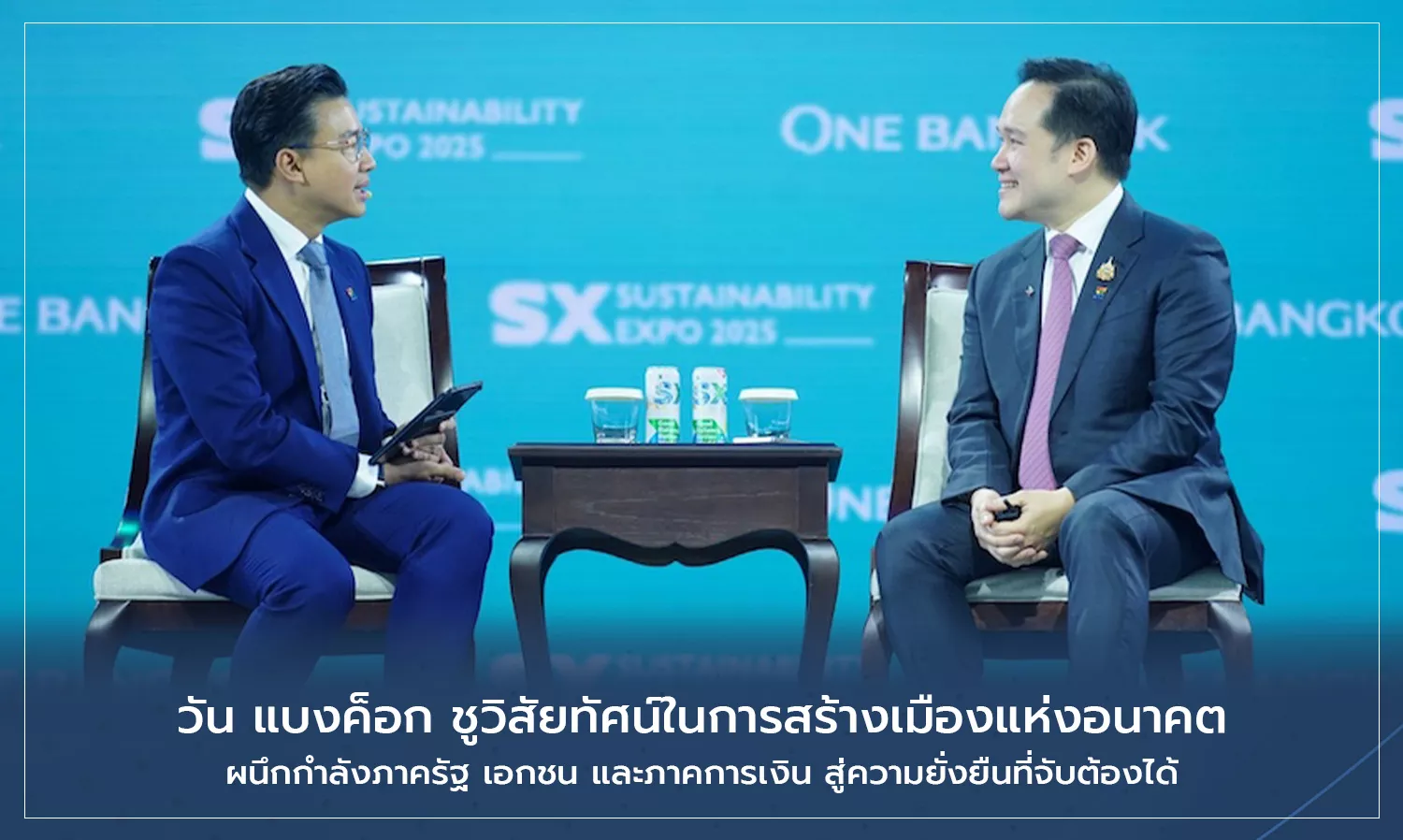
One Bangkok Presents Vision for Future City: Collaborating with Government, Private Sector, and Finance for Tangible Sustainability
At the recent Sustainability Expo 2025, One Bangkok held a special forum under the main theme "Planet Shift 2025: Breaking Through the Crisis Towards Future Cities". Leaders from the government, private sector, and finance came together to showcase their collaboration in driving the city forward, transforming the concept from mere “adaptation” to “designing a truly sustainable future.”
Transforming the Concept of "Adaptation" into "Designing the Future"
The forum began with a keynote speech titled “Shaping the Future of Resilience” by Dr. Yousef Nasef, Director of the Adaptation Division at The United Nations Framework Convention on Climate Change (UNFCCC). He emphasized the climate crisis the world is facing and pointed out that addressing it goes beyond just reducing greenhouse gas emissions; it also includes “resilience.” He stressed that this is the “designing of the future” we desire, which must consider ecological realities, integrate technological dynamics, and carefully weigh long-term impacts and benefits over short-term gains, while also considering the overall picture and necessary trade-offs. He highlighted the importance of integrating knowledge from diverse sources, both scientific and traditional wisdom, concluding with the thought that “the future does not happen to us. We happen to the future,” which is a core principle in driving towards future cities.
Architects of the Future – Creating Cities with Sustainable Vision
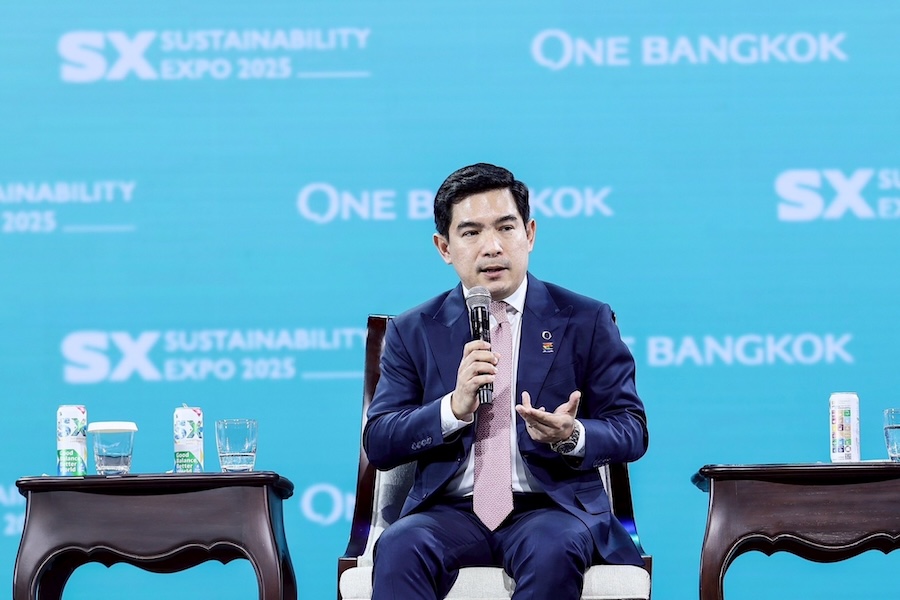
Following this, a special discussion titled “The Future-Proof Paradigm: Pathway to Sustainable Future” was led by Panot Sirivadhanabhakdi, CEO of Frasers Property Limited, who reflected on the private sector's perspective on developing future cities. He emphasized that development should not only focus on the physical growth of cities but also prioritize the “mindset” that enhances the quality of life for people while driving economic, social, and environmental growth in a balanced manner.
The concept of “sufficiency, reasonableness, and resilience” was introduced as a foundation for development, viewing sufficiency not as stagnation but as growth that is reasonable and resilient, balancing progress with preservation, which is the heart of long-term sustainability.
Sustainable city development begins with recognizing the interconnectedness of everything around us. Cities, people, and the environment all depend on and pass on values to each other. When one grows, another moves forward in sync. Therefore, sustainability is not a final destination but a process of growth that involves all parties.
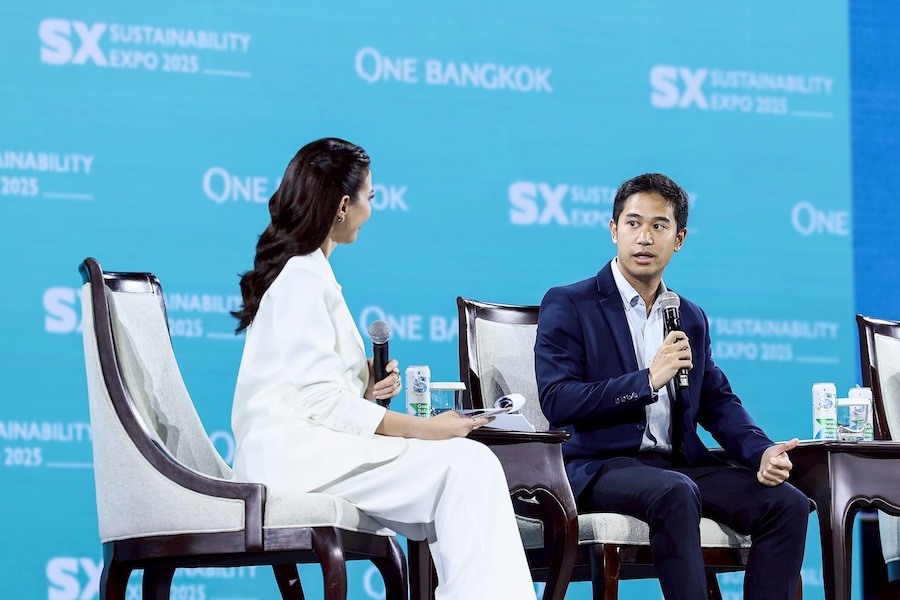
This concept is illustrated through the development of One Bangkok, designed to be more than just a real estate project, but a space that harmoniously integrates urban life across economic, social, and environmental dimensions to create a city that grows steadily and shares value in the long term, aligning with Frasers Property's mission to “create spaces that inspire good experiences.”
The event concluded with a panel discussion on Sufficiency in City Development: Private & Public Sectors Undertaking, reflecting the idea of “sufficiency” in sustainable urban development, featuring representatives from the government, private sector, and finance exchanging views. Participants included Porphrom Wikitseth, advisor to the Governor of Bangkok and sustainability executive, who discussed applying sufficiency concepts at the city level to ensure balanced growth for Bangkok between development and resource conservation for future generations, emphasizing collaboration with the private sector in campaigning and educating on effective waste management.
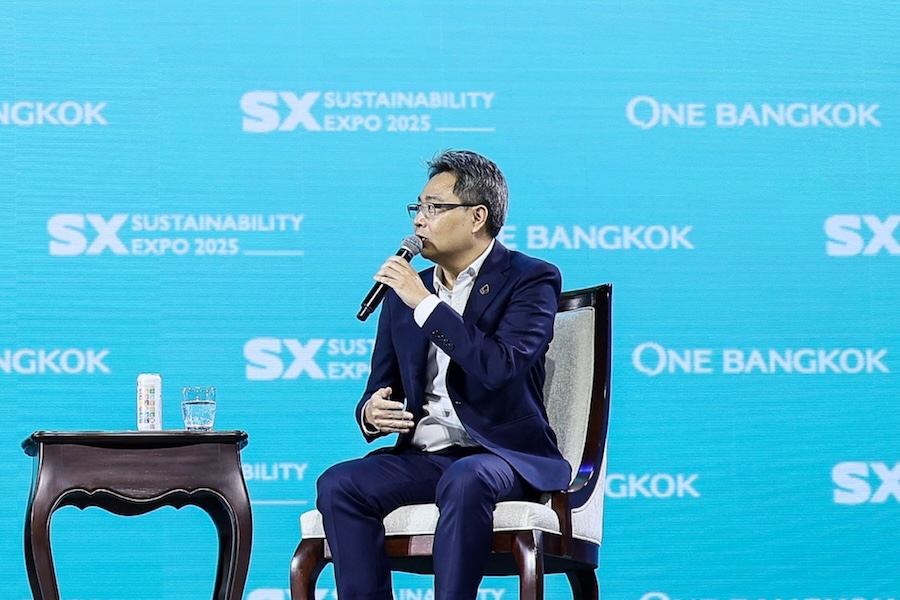
Dr. Jirawat Panpiemrat, Vice President of Bangkok Bank, provided insights from the financial sector, stressing that a “sufficient city” must be built on a solid foundation of economic, social, and environmental well-being. Bangkok Bank has continuously supported economic development and is increasingly focusing on green investments that support environmentally friendly activities, reduce carbon emissions, and align with environmental goals such as the Paris Agreement (keeping temperature rise below 1.5 degrees). Uraset Naavanukroh, CEO of One Bangkok Project, emphasized the importance of sufficient investment, aiming to use resources efficiently and effectively while promoting green investments that consider environmental impacts, all under the principles of “balance” and “responsibility” towards society, economy, and sustainable environment.
One Bangkok and Green Investments for Sustainable Returns
Uraset presented the concept of large-scale real estate development that considers sufficiency and sustainability, as seen in the One Bangkok project, which aims to utilize urban land resources efficiently while returning a large green space of 25 rai to the city. Additionally, infrastructure is designed to promote public transport systems, connect expressways to alleviate traffic issues, and create energy- and water-efficient utilities, such as centralized air conditioning systems that save up to 15% energy and water recycling systems that conserve nearly 3 million cubic meters of water annually. He pointed out that investing in green projects helps reduce management costs, enhances competitiveness, and attracts clients who prioritize sustainability, especially multinational companies that often choose green buildings first. Furthermore, being a green project facilitates easier access to green financing sources.
Conclusion: Uniting for a Bright Future
From these discussions, we see a strong commitment and collaboration from all sectors in creating future cities that are not only beautiful and prosperous but also uphold sufficiency, sustainability, and a good balance between economy, society, and the environment. Change begins with the right mindset, continuous action, and collaboration to overcome various challenges towards a common goal: “sustainable sufficiency for the world” where everyone can coexist happily and enjoy a better quality of life.