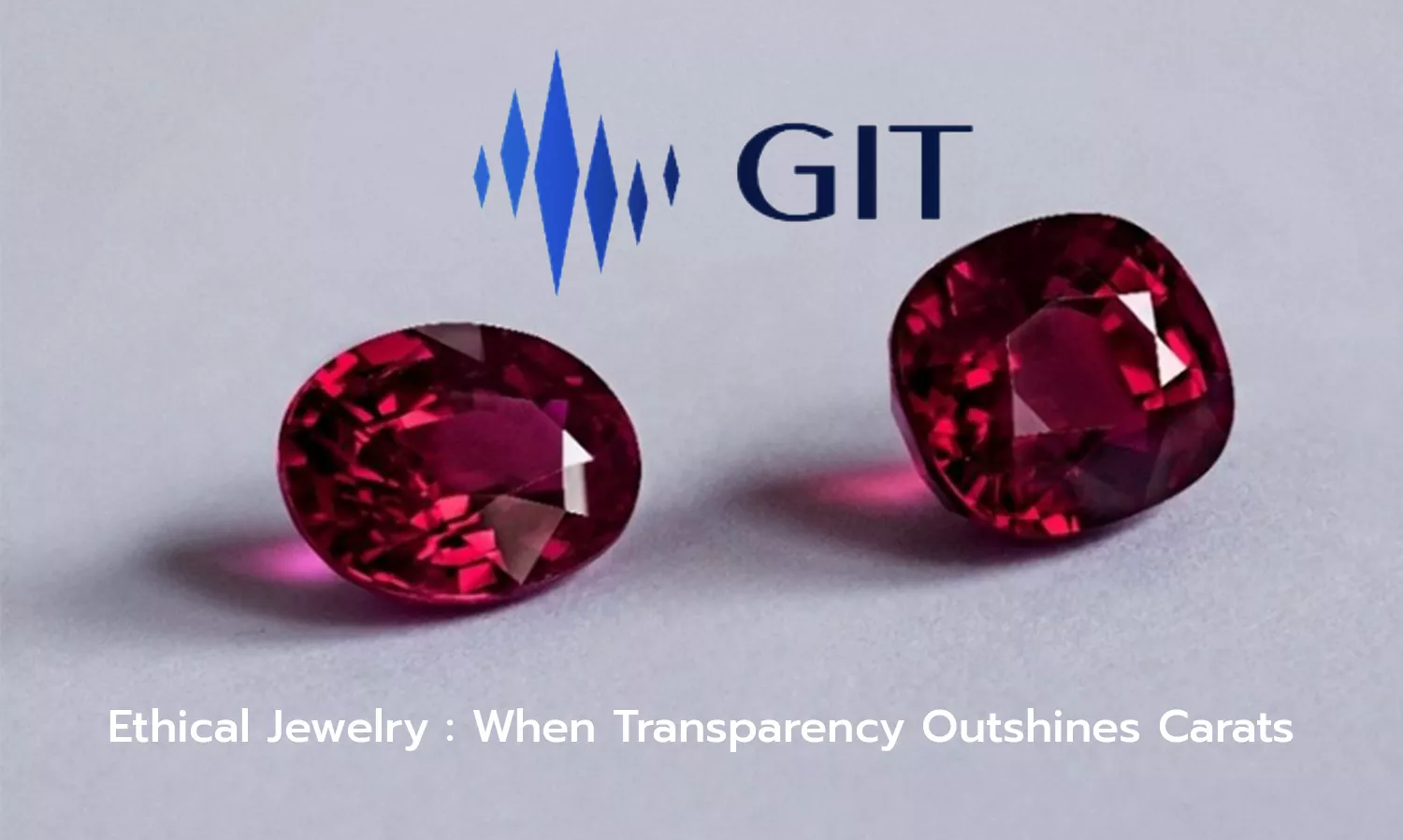
Ethical Jewelry: When Transparency is Worth More Than Carats
The New Definition of Beauty — Where Transparency Shines Brighter Than Carats
In a world where the light reflecting from diamonds no longer merely showcases beauty, it also reflects profound questions: “What lies behind that sparkle?” The era of “Ethical Jewelry” has begun — a time when the value of jewelry is not measured by weight or appraised price, but by “transparency” and “responsibility” towards the world and people in every process.
Beauty Accompanied by Integrity
In the past, jewelry symbolized status, wealth, and artistic refinement. However, today’s new consumers—especially the Conscious Consumers—place greater importance on the “backstory of beauty” rather than the gemstones themselves. They question the sources of raw materials, fair labor practices, and environmental impacts, driving the concept of Ethical Jewelry or “ethical adornment,” which is being hailed as the “new standard of luxury” or traceable luxury — luxury that can be verified.

Because Diamonds Shouldn’t Have the Color of Blood
The jewelry industry is one of the most complex and challenging supply chains in the world. The hidden issues behind the sparkle of gemstones include destructive mining practices, labor exploitation, and the infamous “Blood Diamond” scandal used to fund wars. Thus, “transparency” has become the heart of the new-age industry — ensuring consumers can trust that the jewelry they wear does not harm anyone. Ethical Jewelry is not just an idealistic concept but a “moral system” that encompasses the entire production chain, including:
-
Traceable Sourcing – Verified sources of raw materials
-
Fair Labor Practices – Fair treatment of labor
-
Eco-Conscious Production – Production that does not harm the environment
-
Good Governance – Conducting business with ethics and responsibility
To prevent the term “Ethical” from becoming merely a greenwashing marketing strategy, global organizations like CIBJO, RJC, and GIT Standard have collaborated to establish central governance standards to ensure that every gemstone can be “truly traceable” from the mine to the jewelry box.
From Fashion to Faith in Values
A report by McKinsey indicates that by 2025, ethical and sustainable factors will influence jewelry purchasing decisions by as much as 20–30%, reflecting that consumers worldwide are willing to pay a “premium price” for the assurance of a brand’s integrity. This is why global brands like Chopard, Tiffany & Co., Cartier, Pandora, Bulgari, and Gucci have declared their commitment to ethical business practices.
For them, “true beauty” is not measured in carats but in the responsibility that shines from within.
Ethical Jewelry in Thailand: Transparency as Beautiful as Gemstones
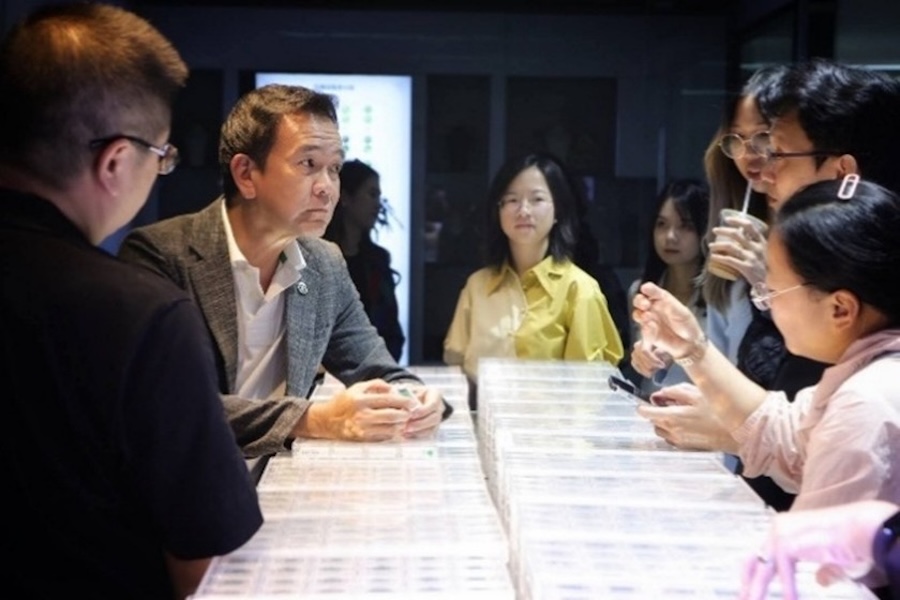
Thailand is one of the leading centers for gemstone and jewelry production in the world, known for its craftsmanship, precision, and internationally recognized designs. Mr. Sumet Prasongphongchai, Director of the Gem and Jewelry Institute of Thailand (GIT), stated:
“The Thai jewelry industry is a pillar of the economy, employing over 1 million people and ranking third in export value.”
“In an era where the world values Traceability and Ethical Sourcing, we must elevate governance standards to ensure that the beauty of Thai gemstones reflects transparency and sustainability together.”
Under the GIT Standard project, GIT has developed a standard verification system for Thai operators, especially SMEs, to advance towards international standards in management, traceability, and certification from the Responsible Jewellery Council (RJC). To date, over 40 operators have participated, reflecting the “transformation of the Thai industry” that competes not only in beauty but also in “transparency” and “responsibility.”
Because Beauty Should Not Be Built on Injustice
Ethical Jewelry is not just a trend in the fashion world; it is “the call of the times” reminding us that true luxury is something we can take pride in for both its beauty and the transparency of our conscience.