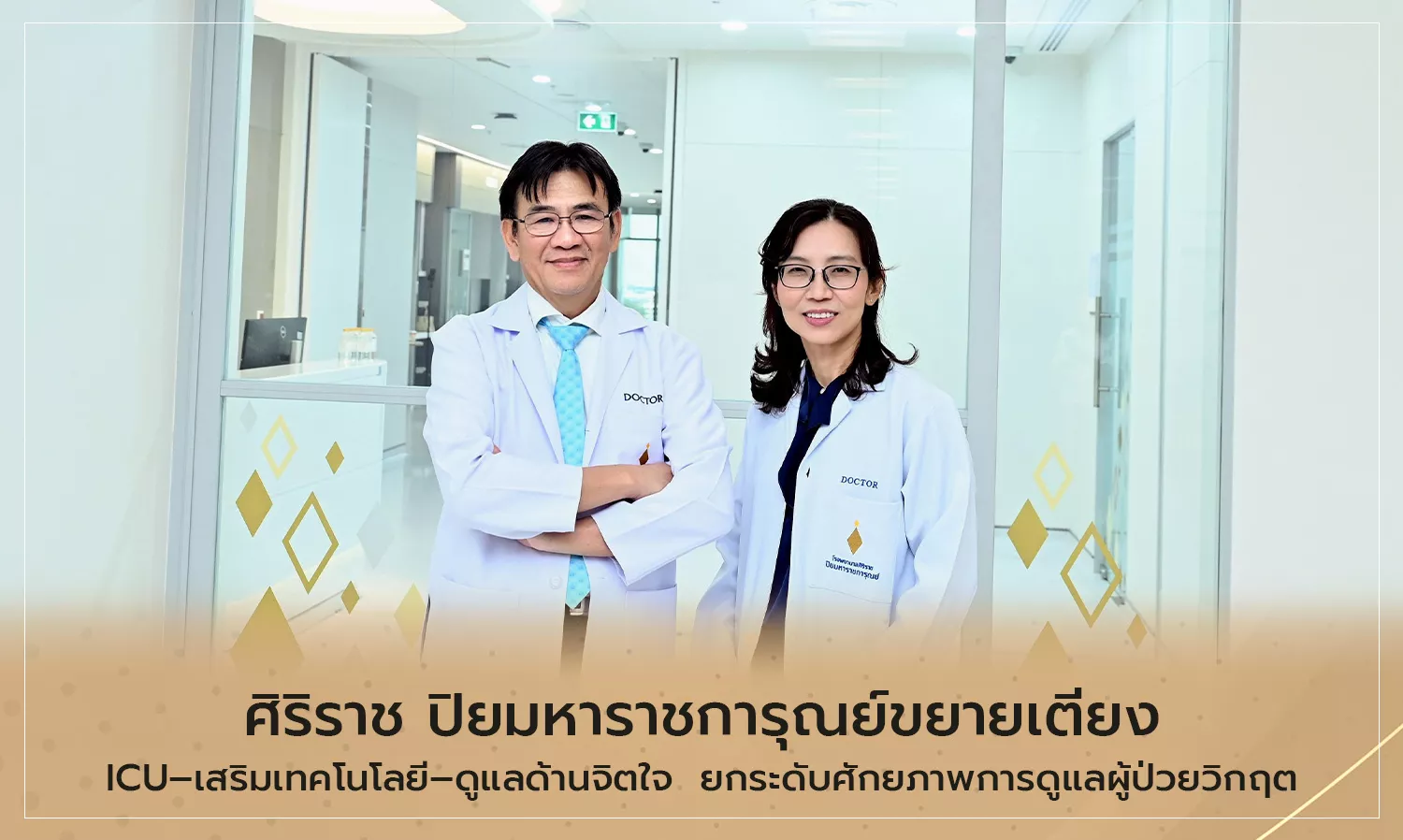
Siriraj Piyamaharajkarun Hospital Expands ICU Beds – Enhances Technology – Focuses on Mental Health to Elevate Critical Care
Siriraj Piyamaharajkarun Hospital (SiPH) is prepared to accommodate the increasing number of critical patients due to the impacts of an aging society and complex diseases. The hospital is expanding its intensive care unit (ICU) space and increasing the number of ICU beds while also preparing to implement the SMART ICU innovation to enhance treatment capabilities. The hospital places great importance on the mental health care of patients and their families, fostering clear communication to bridge the gap (Communication Gap) between patients and families, as well as among the medical team, nurses, and interdisciplinary professionals, to elevate the quality of care for both physical and mental health.
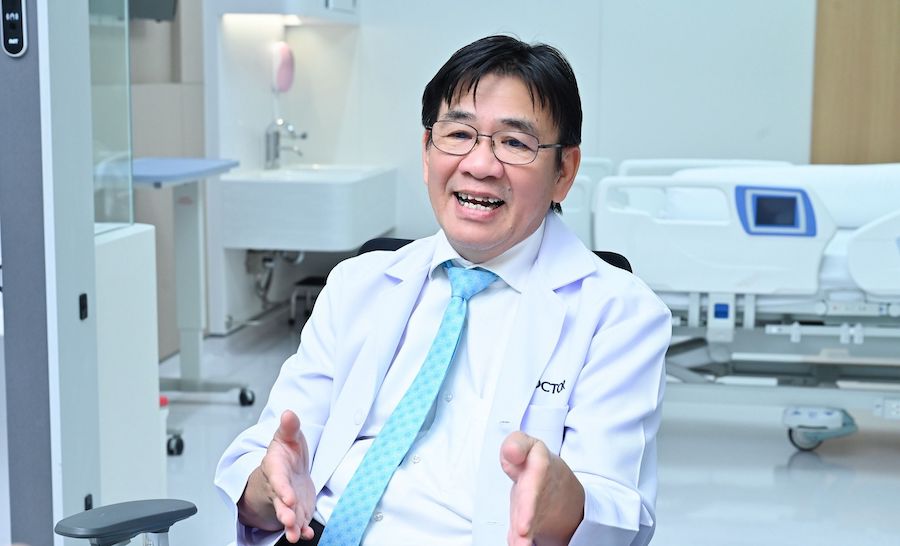
Assoc. Prof. Dr. Sunai Liwansangthong, Deputy Director of Medical Affairs at Siriraj Piyamaharajkarun Hospital, under the supervision of the Faculty of Medicine Siriraj Hospital, revealed that Thailand has fully entered an aging society, which directly impacts the country's healthcare system. The demand for medical and health services for the elderly is continuously rising. Additionally, lifestyle changes in the digital age significantly affect health and complicate diagnosis and treatment, posing risks of life-threatening crises that can occur at any age. These challenges are critical issues that test the development of the current medical system.
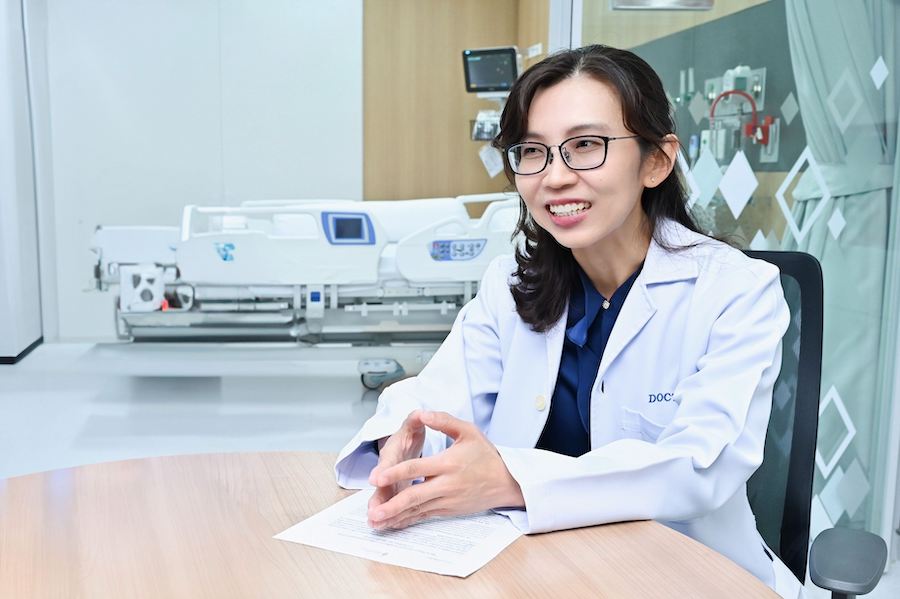
Asst. Prof. Dr. Srisakul Jirakarnjanakorn, Assistant Director of the Specialized Center (Critical Patients) stated that Siriraj Piyamaharajkarun Hospital is preparing to accommodate the increasing number of patients, especially critical patients, by increasing the number of ICU beds from 75 to 92 to ensure timely and effective care for critical patients.
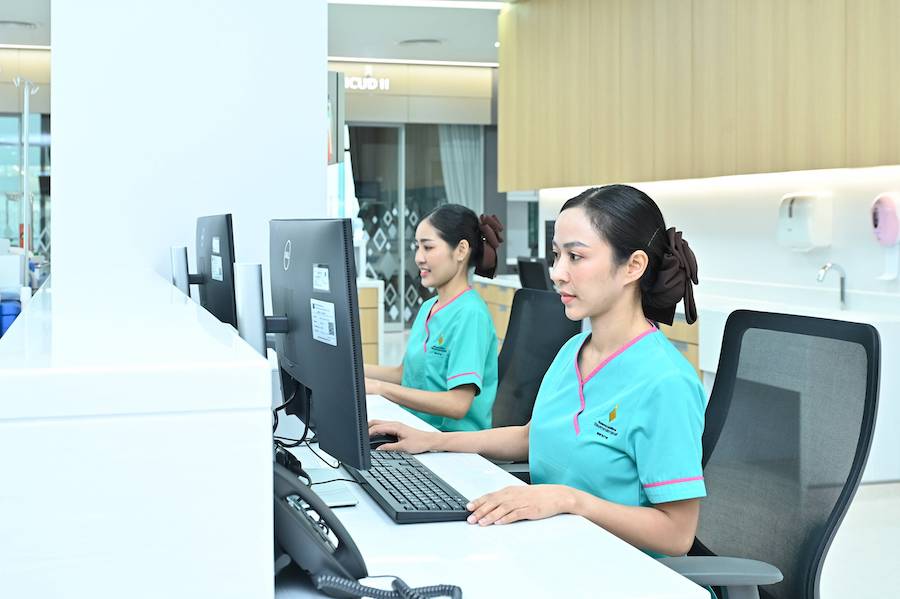
Additionally, the hospital is preparing to introduce the SMART ICU medical innovation to enhance patient care capabilities, expected to be fully operational by next year. This technology helps analyze medical data accurately, reduces treatment discrepancies, and supports real-time decision-making by the medical team. It also alleviates the workload of nurses, allowing them to dedicate more time to patient care, resulting in quicker recovery opportunities for patients and enabling them to return to their families with improved quality of life.
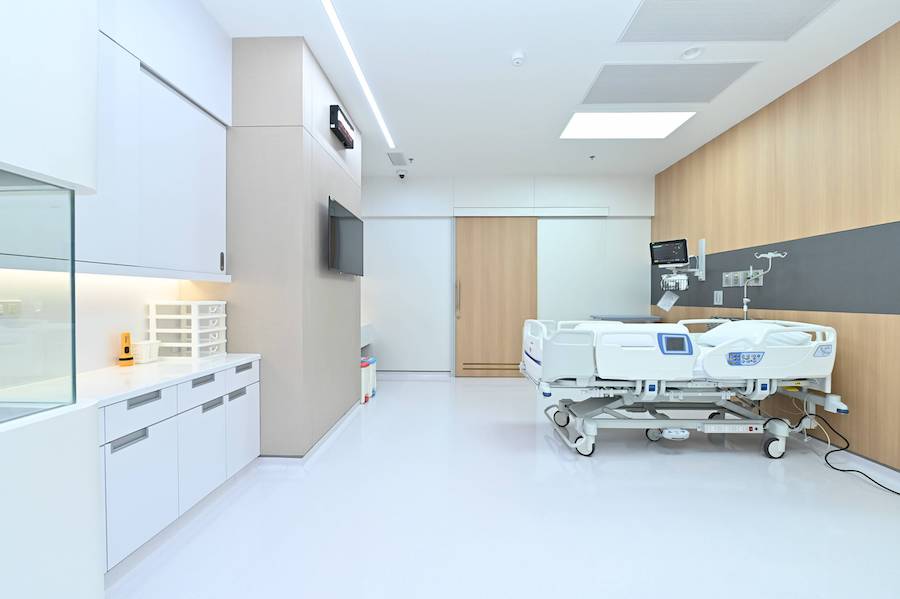
In addition to holistic patient care with empathy provided by a team of specialized doctors and critical care nurses, as well as medical personnel such as pharmacists, dietitians, and physical therapists, the hospital emphasizes clear and transparent communication between the hospital and patients' families. This ensures understanding of treatment approaches, monitoring of care processes, and full participation in treatment decisions, ultimately improving patients' quality of life and allowing them to return to their families happily.
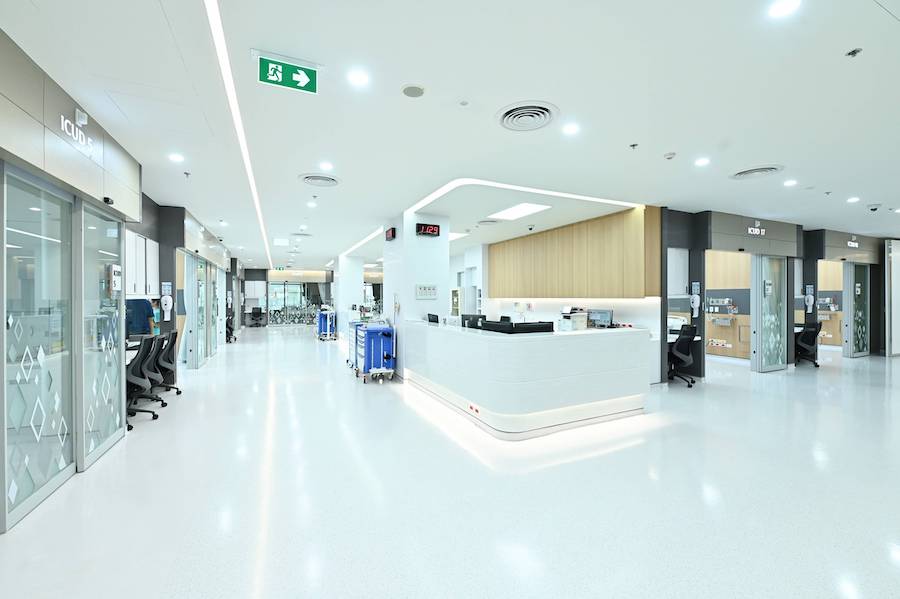
The hospital is also preparing to expand the number of beds for sub-critical patients to accommodate those who have passed the crisis stage from the ICU but still require close monitoring from specialized medical teams. Family members will be allowed to stay with patients just like in regular wards, enabling effective medical care while allowing families to be closely involved in patient care 24 hours a day, which will help boost patients' recovery progressively.