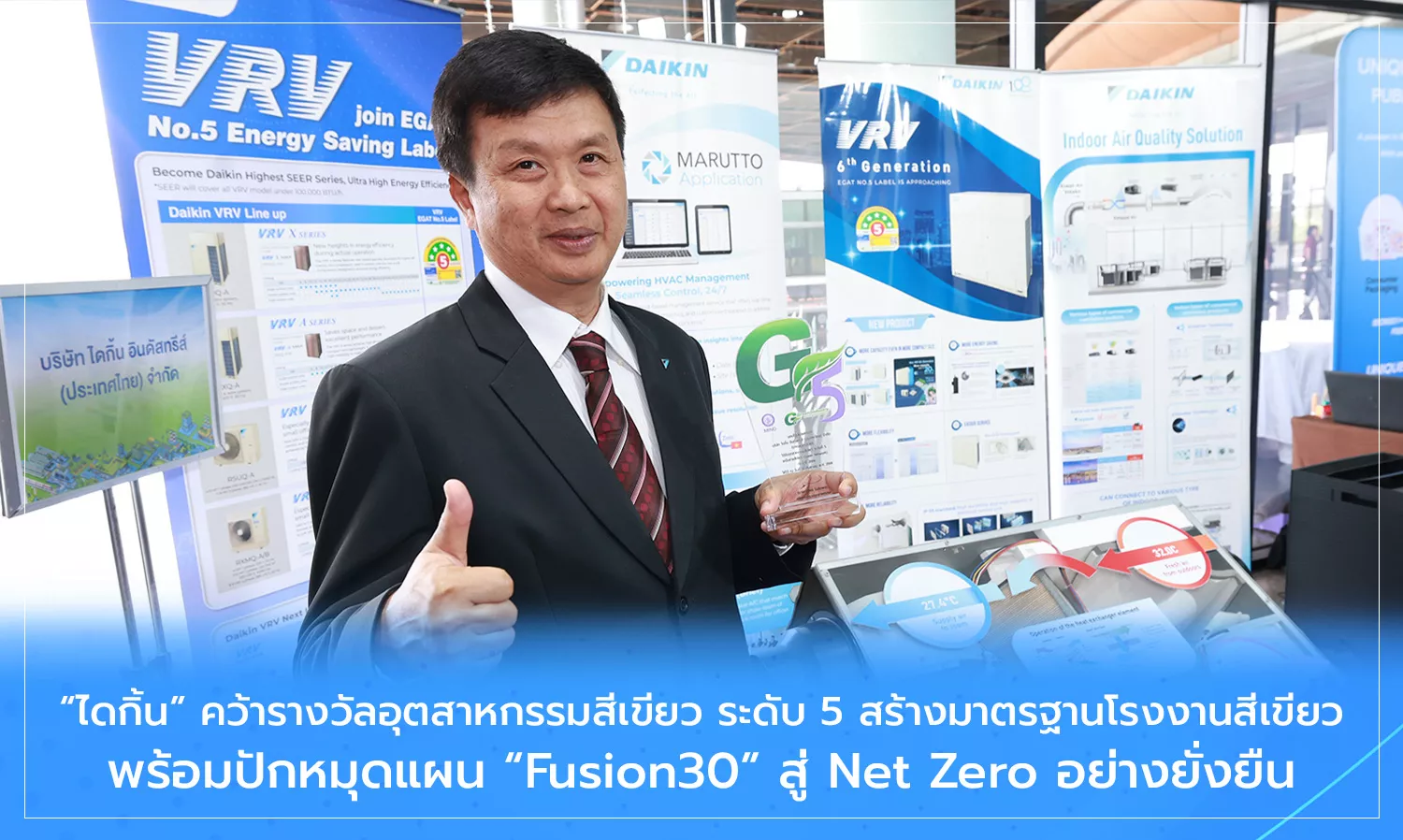
"Daikin" Wins Green Industry Award Level 5, Establishing Green Factory Standards and Paving the Way for Sustainable Net Zero with 'Fusion30' Plan
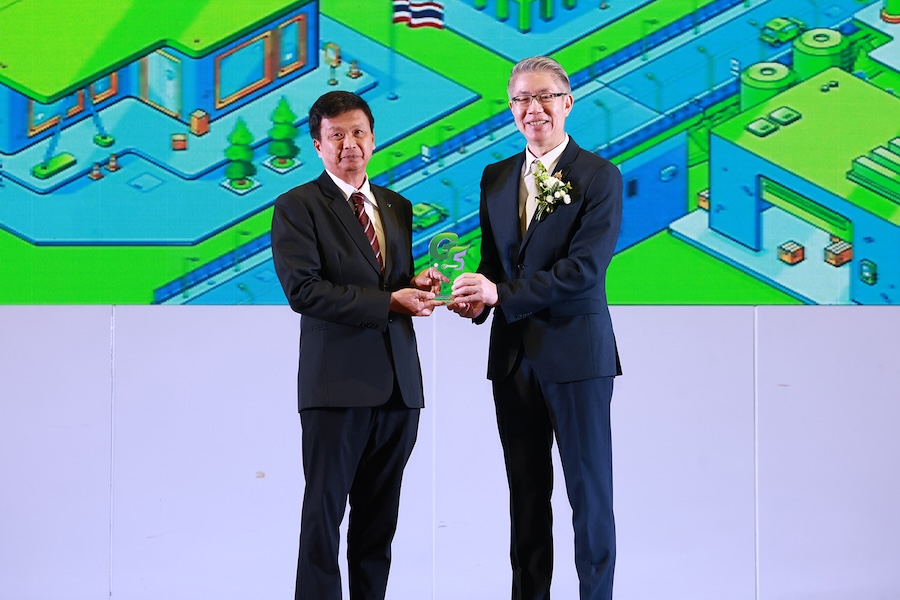
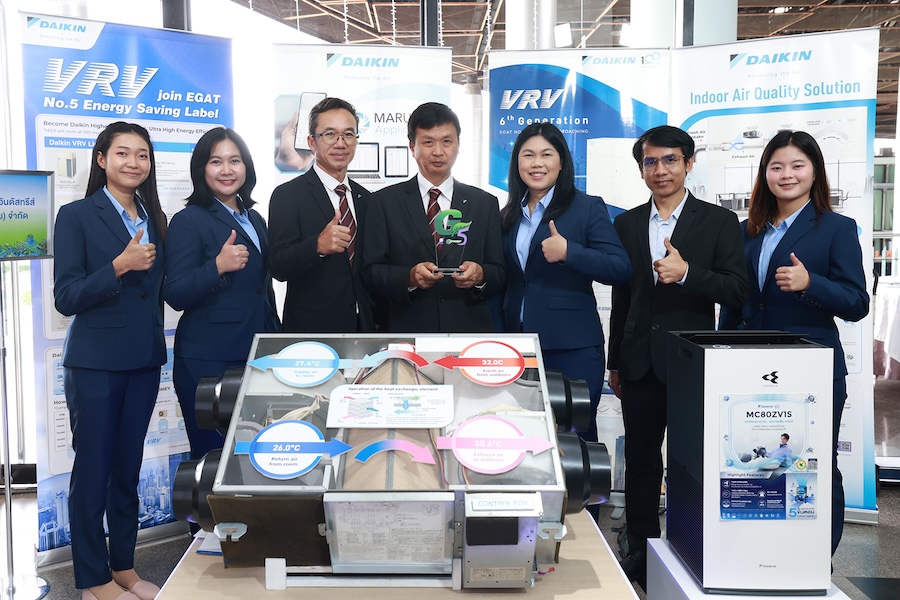
Daikin Industries (Thailand), a leading global manufacturer and exporter of air conditioning units, has been awarded the "Green Industry Level 5" for the year 2025, the highest recognition from the Ministry of Industry. This reinforces the company's role as a model organization for green factories and its commitment to integrating sustainability into all aspects of its business operations. This achievement reflects a strong environmental management system and a corporate culture where "sustainability" is embedded in the DNA at every level, from executives to employees.
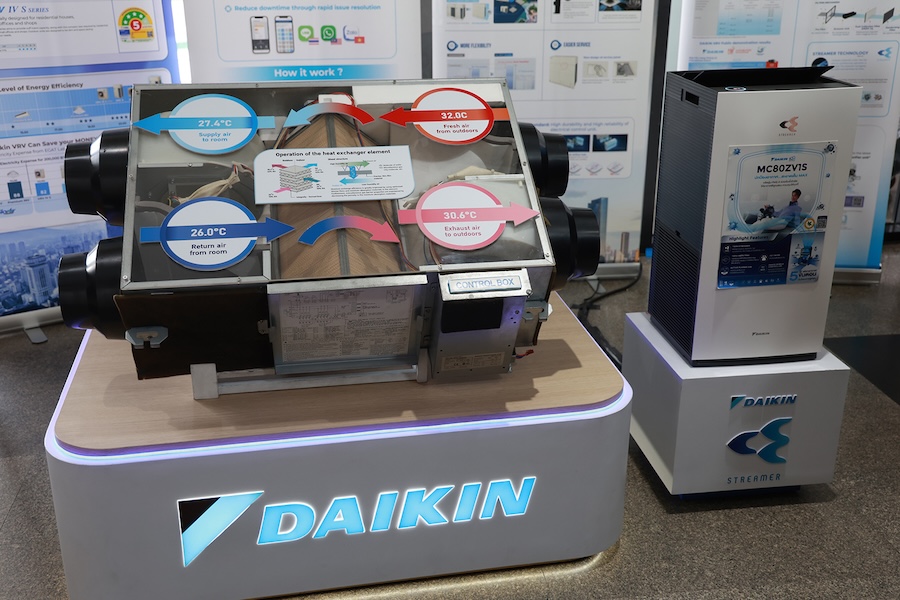
The Green Industry Level 5 award serves as a symbol confirming that Daikin has successfully created a comprehensive "Green Network". This is not merely about complying with environmental standards but also about integrating social and environmental responsibility into every business process, from product design and manufacturing to energy use and community engagement, positioning Daikin's factory as a production and export base that meets international standards.
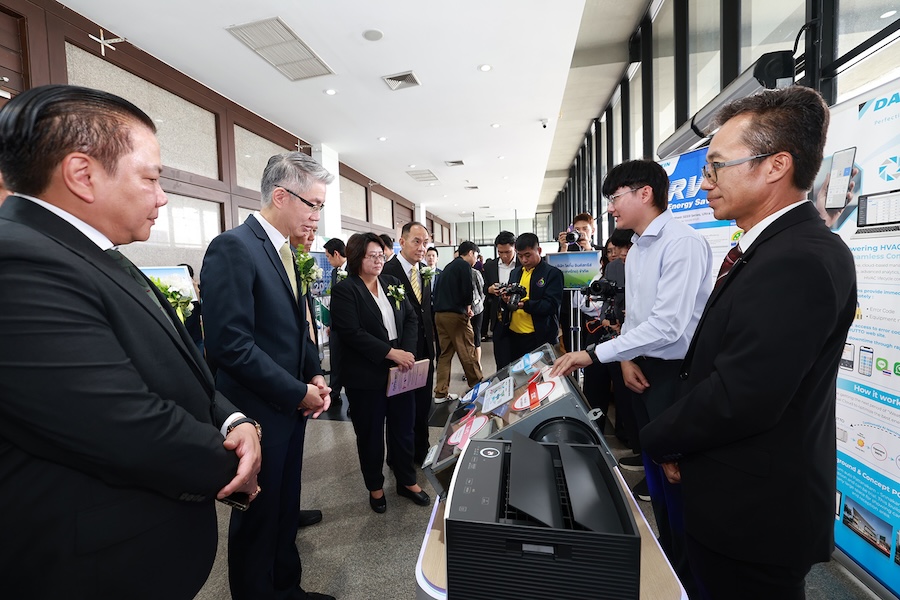
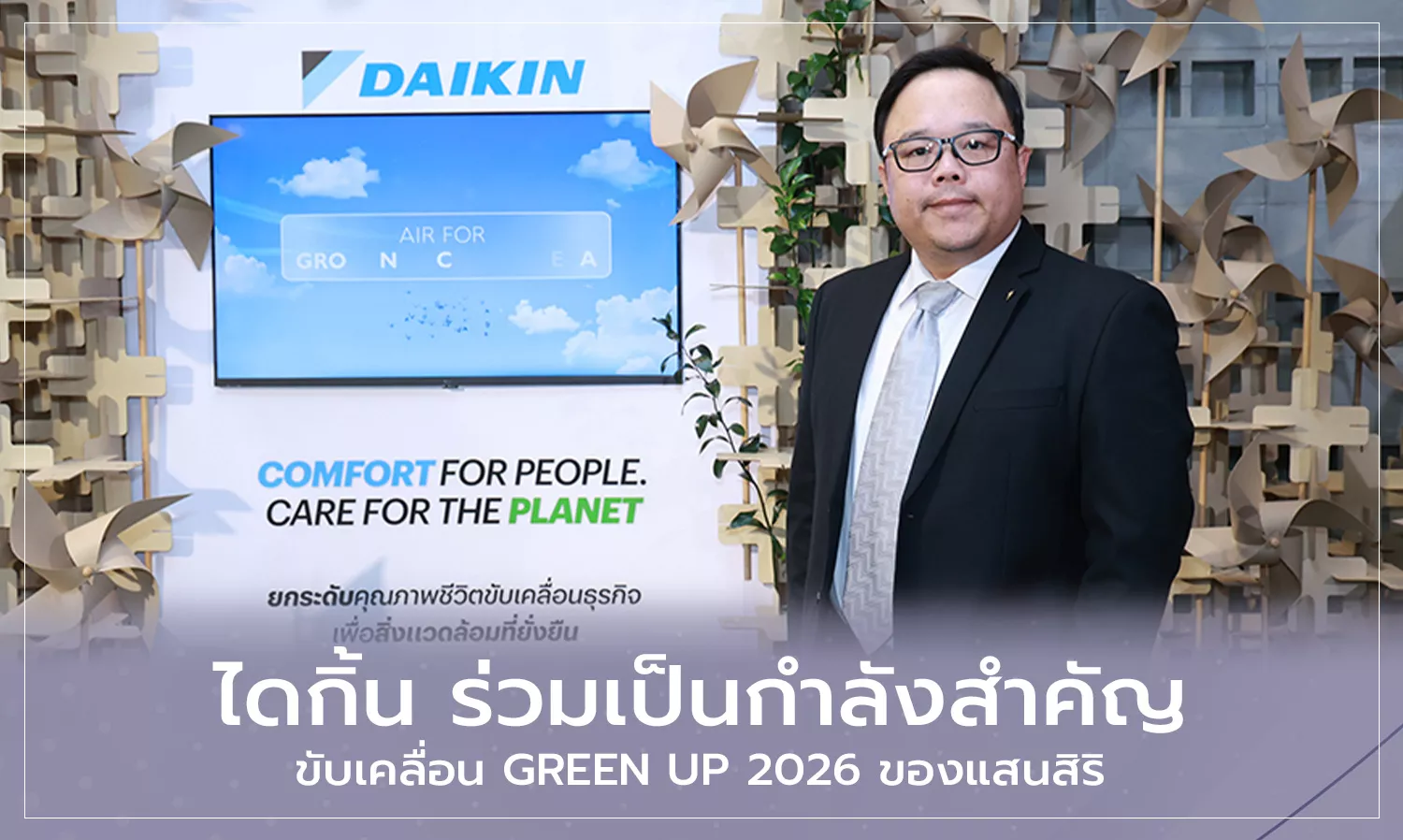
Mr. Wallop Puangpairote, Senior Executive Director of Daikin Industries (Thailand) Co., Ltd., stated, "Daikin's goal is to achieve Net Zero CO2 Emissions by 2030. As of today, we have already reduced greenhouse gas emissions by over 41% compared to the baseline year (2019), which exceeds our initial target. By 2025, we aim to reduce emissions by 50% before fully reaching Net Zero. This success stems from cultivating a green culture where everyone in the organization understands and actively participates, starting from individual actions that collectively drive all processes and activities at Daikin towards a better world."
Daikin's environmental achievements are the result of a clear and continuous strategy, starting with increasing the share of clean energy through the installation of over 5.7 megawatts of rooftop solar power, accounting for 13% of total electricity consumption. Additionally, the company has implemented IoT Visualization systems to analyze and identify energy usage issues, alongside organizing "Energy Day" activities to promote efficient energy use, which has helped reduce electricity consumption by 1.6 megawatt-hours annually.
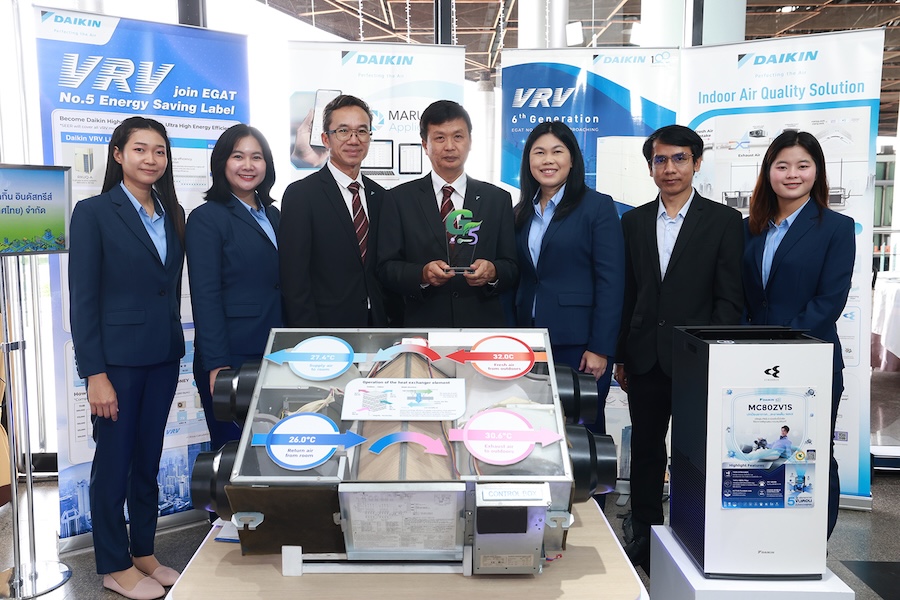
Another aspect of success is the advancement of manufacturing technology, such as replacing electric heaters with Infrared Heaters, which reduce energy consumption by over 45% compared to the previous heaters, considering the reuse of waste heat, employing automated robots for welding parts to minimize waste and enhance safety, switching forklifts to lithium-ion batteries that emit less carbon, and strictly managing refrigerants with a 100% Recovery system alongside a Reclamation process to recycle refrigerants and reduce atmospheric impact.
The clear outcome is a reduction of greenhouse gas emissions to 19,065 tons in 2024, a decrease of over 41% from the baseline year, while electricity usage has dropped to 971 kilowatt-hours per MB, a 19% reduction from the baseline, and LPG usage has decreased to 22.82 kilograms per MB, a reduction of over 30.5% in just four years. Throughout this process, the energy savings figures are equivalent to planting over 240,000 trees, reflecting that Daikin not only sets goals but also takes concrete actions to achieve them.
In terms of resource usage, the factory has reduced water consumption to 4.35 cubic meters per MB and can recycle up to 45,100 cubic meters of water annually. It has also reduced industrial waste through a 4Rs (Reduce, Reuse, Recycle, Recover) management system, continuously minimizing waste in various processes, and controlling VOC emissions to 10.65 kilograms per ton of aluminum, consistently better than the established standards. All these efforts have propelled Daikin's factory towards becoming a truly "clean and sustainable factory."
Importantly, Daikin is also systematically expanding its sustainability efforts beyond the organization through four main dimensions:
- Suppliers: Encouraging over 442 suppliers to achieve Green Industry certification level 2 and above, while organizing Carbon Neutral Curriculum seminars to help suppliers measure and report carbon emissions systematically, and implementing a Green Procurement policy that mandates environmental considerations in sourcing parts and raw materials from the outset.
- Customers: Sharing knowledge on efficient energy use and supporting the selection of energy-saving air conditioning units by collaborating with dealers to organize activities aimed at reducing carbon footprints in households and organizations.
- Consumers: Educating consumers on proper product usage to extend lifespan and promoting the recycling of refrigerants through the Reclamation project, providing opportunities for consumers to participate in reducing greenhouse gas emissions.
- Communities: Implementing CSR projects focused on the environment, such as training on energy and resource management in schools and communities surrounding the factory, while creating a "Green Network" that connects employees, communities, and partners to foster a green culture that extends to society as a whole.
"Receiving the Green Industry Level 5 award in 2025 is more than just a certificate of achievement; it symbolizes a step towards a sustainable future. For Daikin, this marks the beginning of "Fusion30," a plan for a fully carbon-free factory by 2030, and serves as an inspiration for the Thai and global industrial sectors to see that growth can truly coexist with environmental preservation,"Mr. Wallop concluded.