Humanica Joins Forces with TBS to Host Forum on Advancing HR in the Thai Medical Sector into the Digital Era
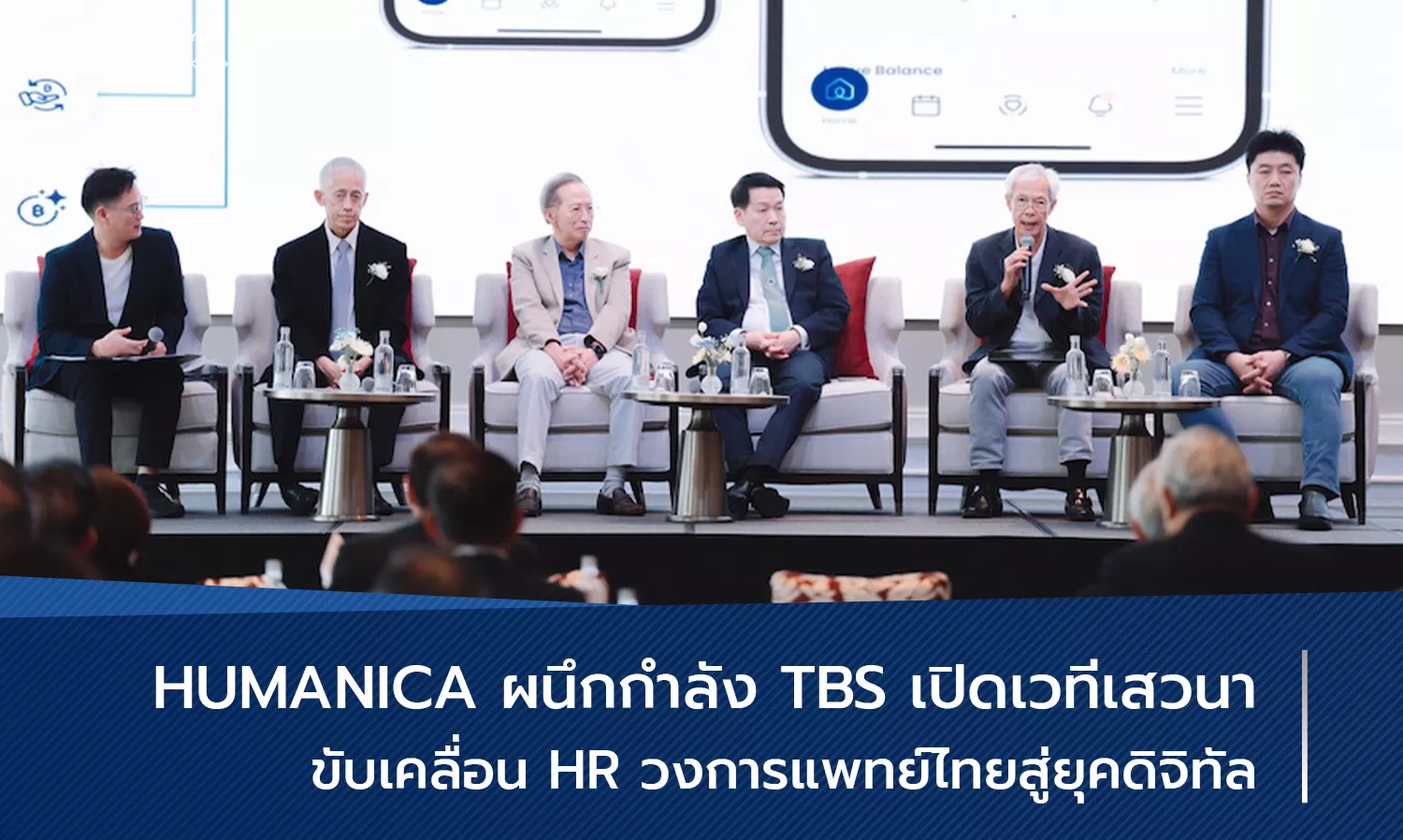
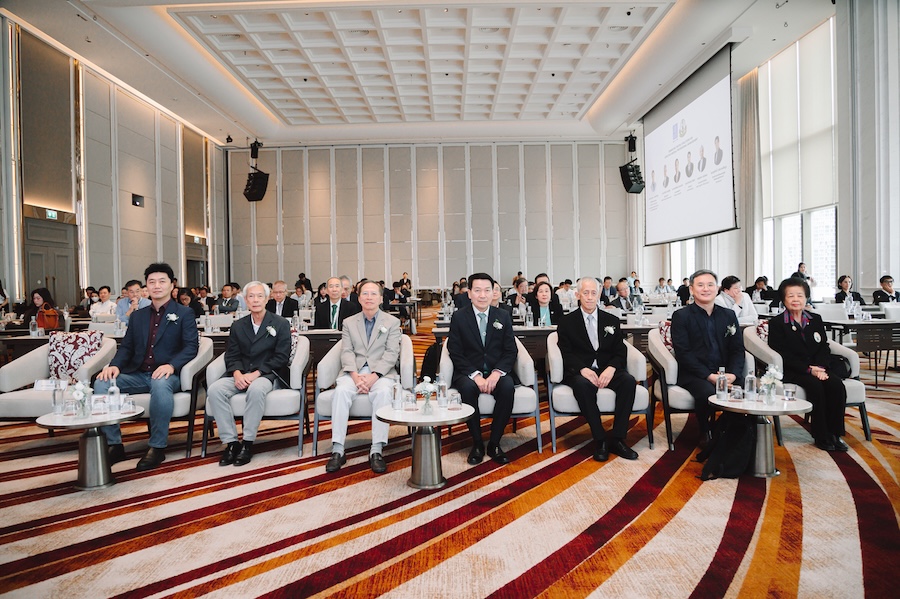
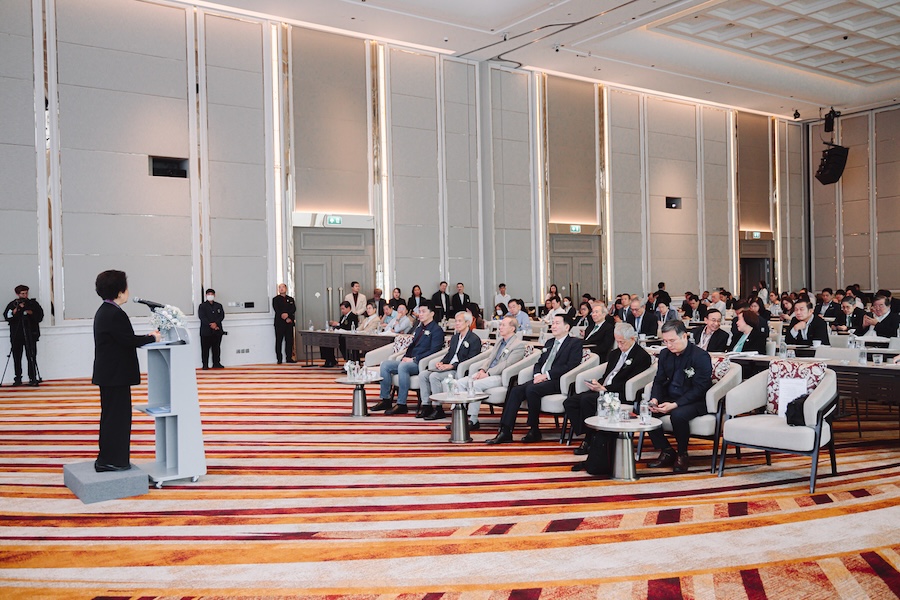
Humanica Public Company Limited, or HMC, has partnered with the Faculty of Commerce and Accountancy at Thammasat University (TBS) to organize a national forum in collaboration with the Medical Council, under the theme "Embracing Digital Evolution for Effective Medical Professional Management" at the Grand Center Point Hotel, Lumpini. This initiative aims to promote cooperation and knowledge exchange in human resource management within the healthcare sector, focusing on leveraging technology to enhance HR systems in alignment with the specific context of the medical profession.
Mr. Sunthorn Dentham, CEO of Humanica Public Company Limited, stated: Currently, Thailand's healthcare system faces rapidly changing and diverse contexts, including an aging population, the increasing complexity of medical workloads in healthcare facilities, uneven distribution of personnel, and the transition into the digital era that requires adaptability at both individual and organizational levels. These challenges exacerbate existing issues such as personnel shortages, chronic fatigue from excessive working hours, burnout, and an imbalance between work and life. Meanwhile, traditional HR systems are unable to effectively address the current complexities.
Humanica continuously develops technology and processes for human resource management in both HR Tech and HR Process dimensions under the concept of HR Transformation. They present Workplaze, an end-to-end personnel management platform that covers everything from scheduling medical personnel to systematically managing in-depth personnel data, automatically linked to hospital information systems. Additionally, there are People Wellbeing Solutions that focus on the well-being of personnel in all dimensions, including physical health, mental health, financial wellness, job satisfaction assessment, stress management, and burnout analysis through a system specifically designed for medical organizations with unique contexts and needs.

Another key highlight is the use of AI technology to assist in proactive workforce planning, which can analyze trend data such as absenteeism, shortages in certain departments, or peak workload periods, enabling managers to make more accurate decisions and allocate personnel according to departmental needs. This automation reduces administrative tasks and enhances the long-term quality of life for personnel in terms of work efficiency and job satisfaction.
During the forum, distinguished speakers from three main sectors of the healthcare system were invited to create in-depth exchanges from diverse perspectives, including medical producers, standard regulators, and healthcare service users. Professor Dr. Piyamit Srithara, President of Mahidol University, discussed the crucial role of medical educational institutions in creating an appropriate environment and support systems for new doctors to promote motivation, reduce turnover, and prevent brain drain issues that impact the healthcare system in the long term.
Dr. Anuwat Supachutikul, an expert from the Hospital Accreditation Institute, emphasized that a sustainable quality system must start with promoting the quality of life of personnel within organizations, especially in the medical sector where staff constantly face high pressure.
Meanwhile, Dr. Pongpat Pathanavanich, Managing Director of MedPark Hospital, presented the concept of "Hospital as a Platform," a new approach that views hospitals as intelligent organizations that seamlessly integrate technology with management processes to enhance agility and improve the quality of life for personnel, particularly in creating a tangible work-life balance.
Mr. Surasak Vanitchawetphiboon, Chief Technology Officer of Huawei Technologies (Thailand) Co., Ltd., discussed the potential of Cloud and AI in reforming hospital operations through a Smart Hospital system that can collect, analyze, and utilize real-time data to support decision-making, reduce redundant processes, and significantly enhance resource management efficiency at all levels.
Assistant Professor Dr. Monthon Sarikaikitikul, Head of the Department of Management at Thammasat University, who served as the moderator, summarized that this forum reflects the "Collaboration Forward" approach, which is one of the core missions of the faculty aimed at promoting collaboration between the education sector, professional fields, and businesses to jointly design the future of human resource management that meets the challenges of the new era, especially in the complex context of medical personnel that requires a support system understanding both human and technological dimensions.
The forum "Embracing Digital Evolution" thus marks an important starting point for advancing the management of medical personnel in Thailand towards a new era with direction, integrating knowledge, technology, and real-world experience to create an HR system that meets the needs of both organizations and personnel while laying the foundation for a sustainable healthcare system in the long term.