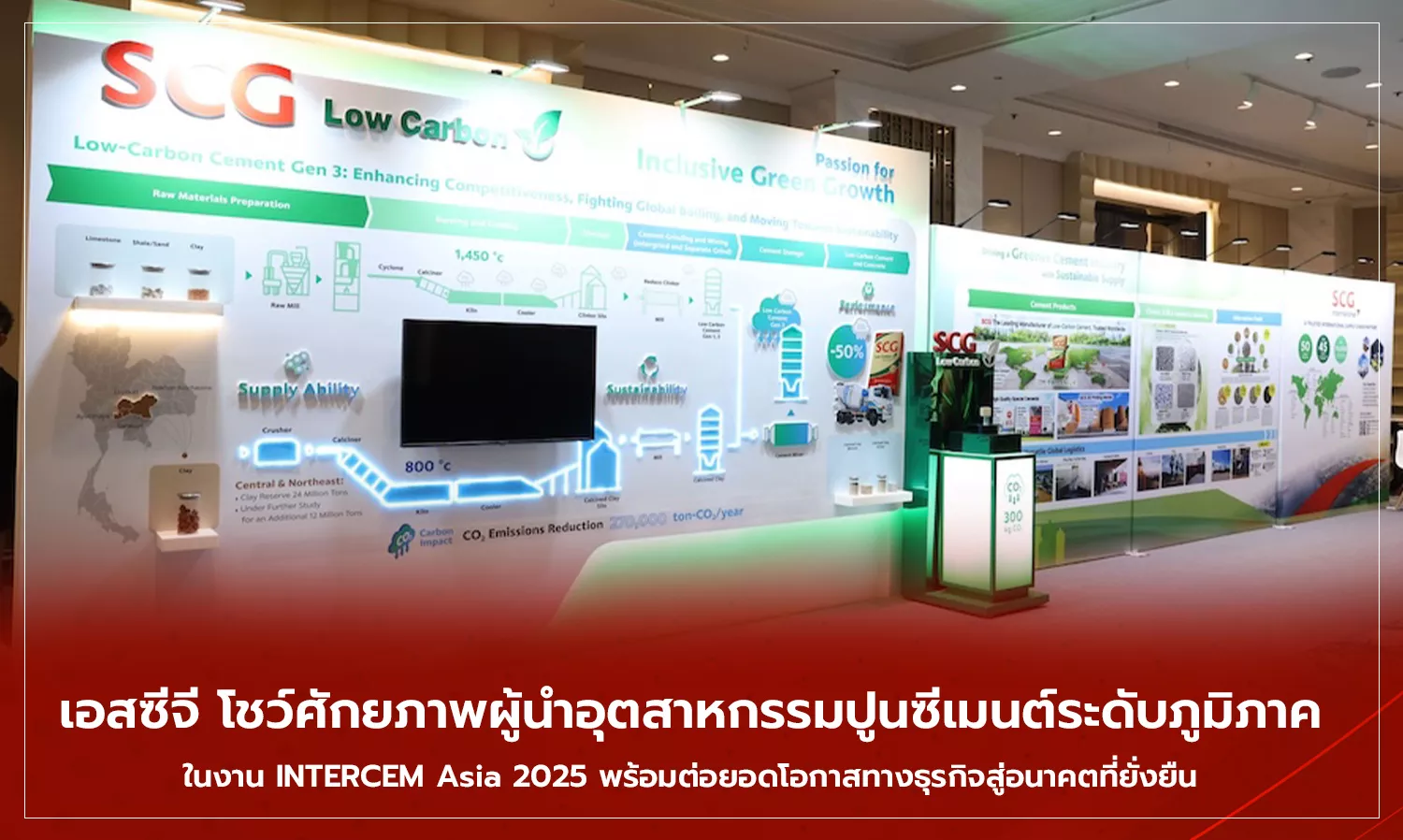
SCG Showcases Regional Leadership in the Cement Industry at INTERCEM Asia 2025, Paving the Way for Sustainable Business Opportunities
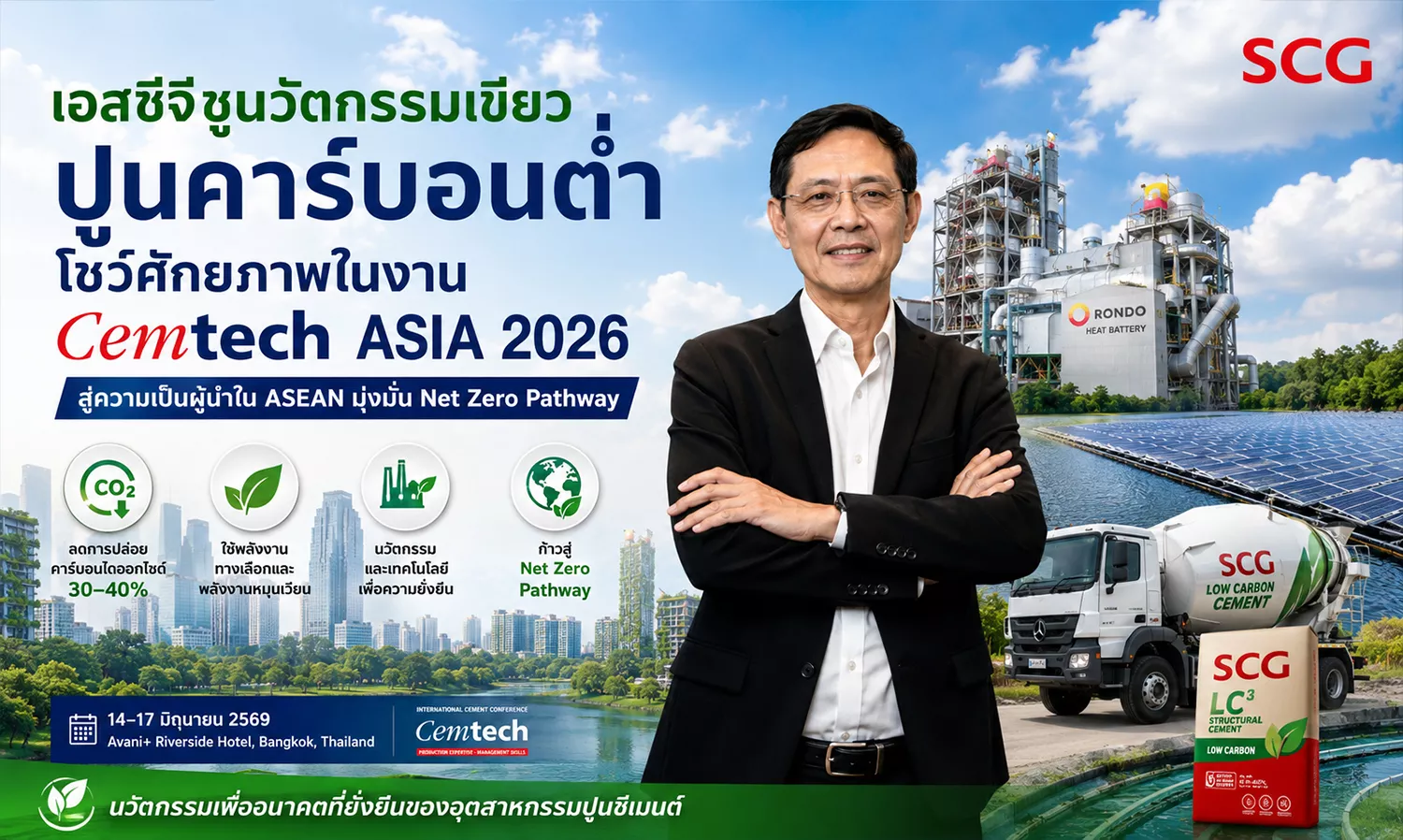
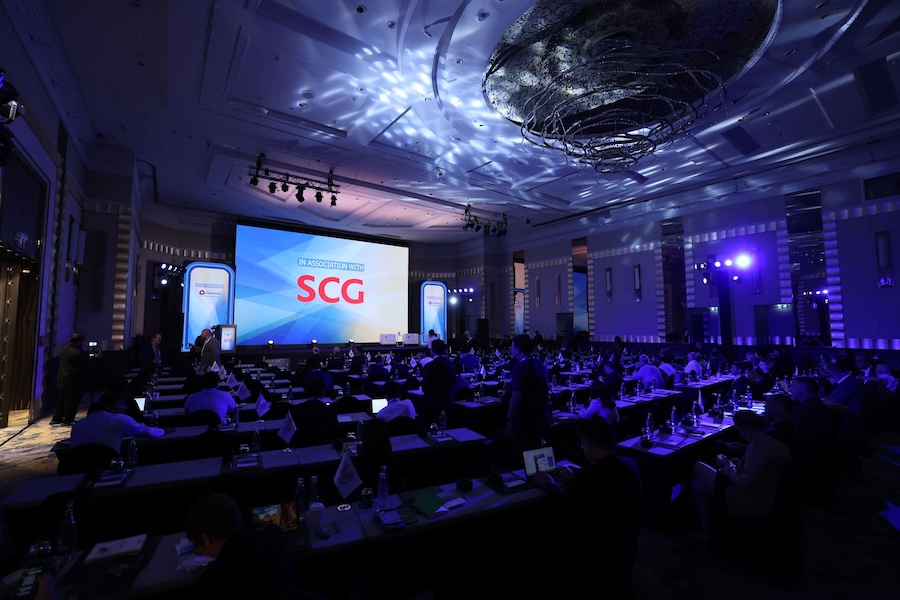
SCG co-hosts the INTERCEM Asia 2025, a global cement industry conference that brings together stakeholders from around the world to exchange knowledge on new technologies, while exploring business opportunities amidst challenges and adapting to environmental measures and changes in construction technology, customers, and markets towards a low-carbon cement industry.
During the event, SCG demonstrated its potential as a leader in the low-carbon cement industry, ready to drive green innovations for environmental sustainability and concretely pursue a Net Zero approach. The focus was on the strengths of green innovations such as Low-carbon Cement and sustainable construction solutions to meet the needs of customers in the Asia region and the global market through highlights.
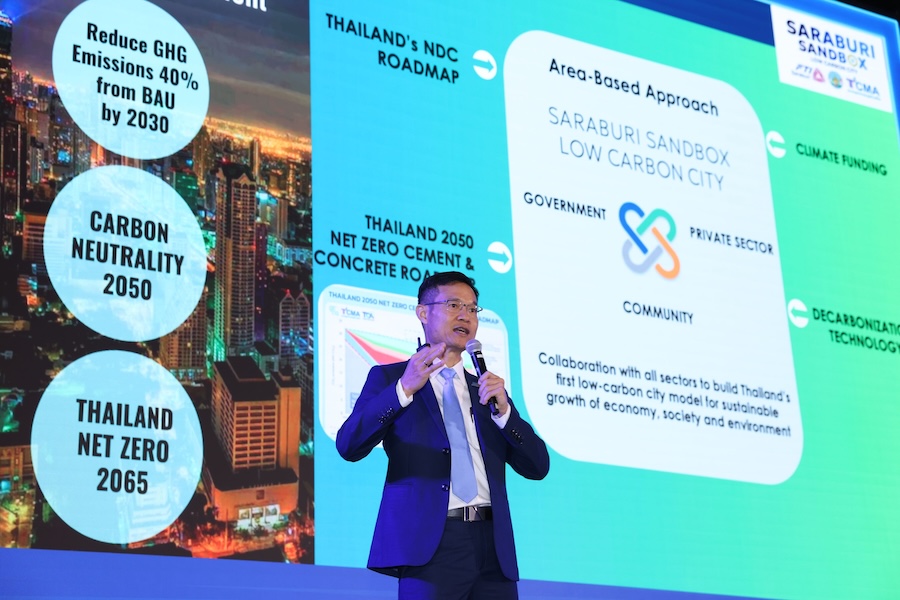
- SCG LC3 Structural Cement: A low-carbon structural cement that reduces carbon dioxide emissions by 30-40% without compromising quality. It stands out with international standards, suitable for structural work that requires strength alongside sustainability.
- SCG 3D Printing: A modern construction solution using low-carbon 3D printing technology that increases construction speed, reduces waste, minimizes labor, and opens the door to independent architectural design, showcasing SCG's potential to connect digital technology with the construction industry.
Hosting this event not only reflects global confidence in the cement manufacturing industry but also opens opportunities to expand new global business partnerships, exchange international knowledge and technology, and enhance trade opportunities while promoting sustainable growth in the cement industry at the regional level, where businesses must adapt to climate change.
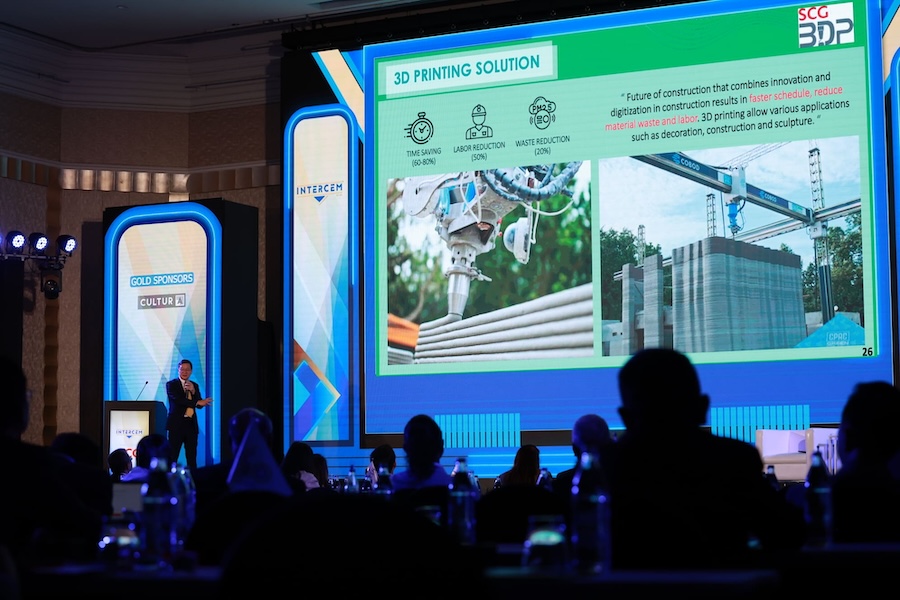
For SCG, a leader in the cement industry in Thailand and the ASEAN region, led by Mr. Monasit Sarikaputhi, Chief Innovation & Technology Officer of SCG Cement and Green Solutions, who presented strategic insights on transitioning the cement industry to a business model focused on sustainability through low-carbon cement innovations. He stated that SCG is committed to achieving its goal of reducing carbon dioxide emissions from cement and concrete production to zero by 2050, integrating sustainability in products, production processes, construction technology, and collaboration with partners across all sectors, comprising four greens:
- Green Products: Development of low-carbon cement and concrete innovations that reduce environmental impact. SCG is the first cement manufacturer in Thailand to receive EPD (Environmental Product Declaration) certification, North America standard.
- Green Process: Increasing the use of alternative fuels and renewable energy in the production process, aiming for 70% alternative fuel and 53% renewable energy by 2030, with a target of 100% by 2040.
- Green Construction: Developing sustainable construction solutions by integrating digital technology to reduce time and resource use.
- Green Society: Collaboration with partners across all sectors to create a feasible low-carbon society.
Additionally, Mr. Jareonchai Chaliokriangkhrai, Bio-Circular Business Director of SCG Cement and Green Solutions and President of the Saraburi Provincial Industry Council, spoke on the topic of the Saraburi Sandbox, Thailand's first low-carbon city model, promoting a low-carbon industry cluster through collaboration between government, private sector, and local communities, referred to as the PPPP (Public – Private – People – Partnership) model, aiming to reduce carbon emissions by 5 million tons of CO2 by 2027. This project focuses on five main areas:
- Energy transition: Promoting the use of renewable energy such as solar power and biomass fuels to replace fossil fuels.
- Waste valorization: Efficient waste separation, promoting the use of refuse-derived fuel (RDF) and recycling to reduce waste while creating added value.
- Green industry and products: Promoting the production of low-carbon cement by reducing the use of clinker and increasing the use of alternative materials to lower carbon dioxide emissions in the production process.
- Low-carbon agriculture: Supporting farmers to grow energy crops such as Napier grass for biomass fuel, helping to reduce crop burning and generate income for farmers.
- Green spaces and eco-tourism: Expanding forest areas and promoting sustainable tourism.
SCG remains committed to developing green innovations and low-carbon construction solutions that are environmentally friendly, while continuing to foster regional collaboration to drive balanced growth in the industry across economic, social, and environmental dimensions, firmly believing that "Today's collaboration is the foundation for a secure and sustainable future," in line with the approach of “Inclusive Green Growth.”