World Gold Council Reports Surge in Gold Investment from Thai Retail Buyers in Q1
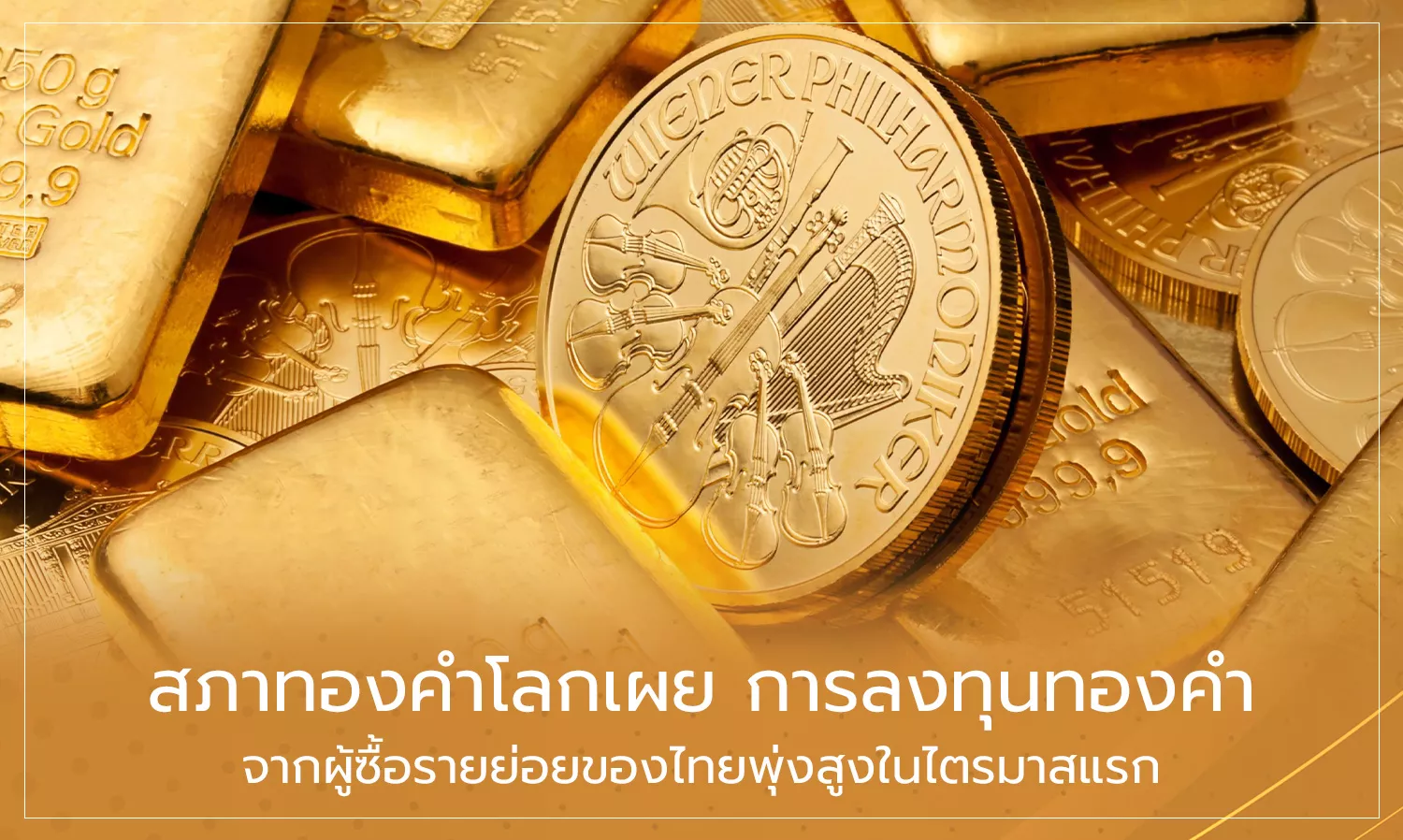
The World Gold Council (WGC) has released its Q1 2025 gold demand trends report, indicating that Thailand's demand for gold bars and coins for investment has surged by 25% compared to the same period last year, reaching 7.4 tons. This marks the strongest Q1 for Thailand since 2019, leading to a total consumer demand for gold in Thailand, which includes investments in gold bars and coins as well as jewelry demand, amounting to 9.1 tons, a 17% increase from the previous year. This represents the highest quarterly growth in consumer gold demand in Southeast Asia.

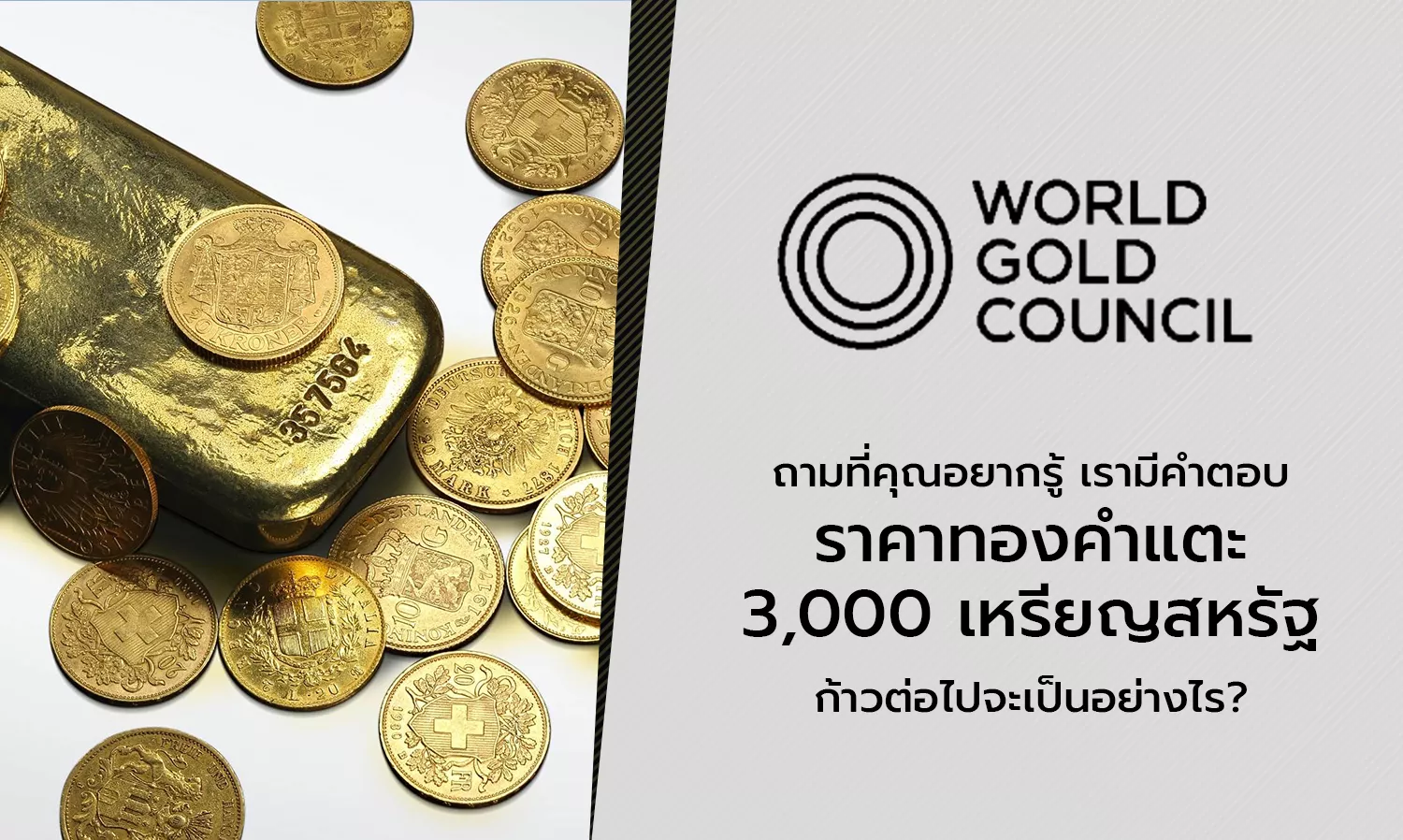
Globally, total gold demand across all sectors (including over-the-counter trading) for the quarter stood at 1,206 tons, a 1% increase compared to the same period last year, amid record-high gold prices exceeding $3,000 per ounce.
The recovery of exchange-traded funds (ETFs) for gold bars has been a significant driver, resulting in a more than twofold increase in overall global gold investment demand, reaching 552 tons, which is 170% higher than the same period last year and the highest level since Q1 2022. The inflow of funds into global ETFs surged in the first quarter, with a demand volume of 226 tons, supported by rapidly rising gold prices and uncertainties in import tax policies that prompted investors to hold gold as a safe asset.
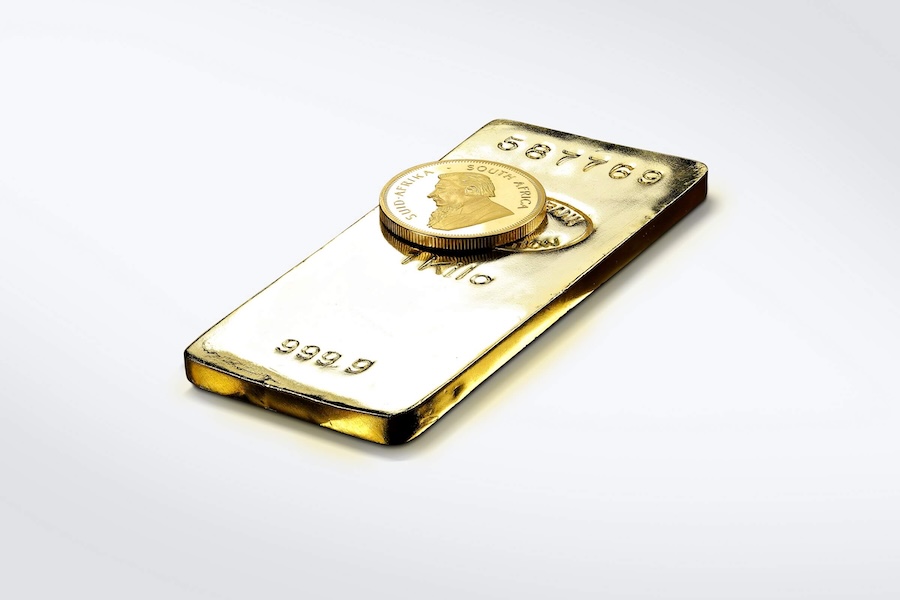
Global demand for gold bars and coins for investment increased by 3% compared to last year, remaining high at 325 tons for Q1, driven by a significant rise in retail investor activity in China, marking the second-highest quarterly demand on record. Eastern investors primarily drove global demand for gold bars and coins, compensating for the weaker demand from the West, where demand in the United States fell by 22%, while Europe saw a slight recovery to 12 tons, albeit from a very low base in the same quarter last year.
Central banks continued to be net buyers of gold for the 16th consecutive year, adding 244 tons to global reserves in Q1 amid ongoing global uncertainties. Although central bank demand decreased by 21% compared to the same period last year, it remains strong and consistent with the average quarterly demand over the past three years, reflecting sustained high levels of gold purchases.
Demand for gold jewelry followed expectations, negatively impacted by gold prices hitting record highs 20 times in Q1. Thailand's demand for gold jewelry fell to 1.7 tons, representing a moderate decline of 8% compared to the same period last year. Meanwhile, global demand for gold jewelry dropped to its lowest level since the COVID-19 impact in 2020. Nevertheless, the gold jewelry market remains robust, particularly in terms of value, despite facing significant pressure from high gold prices. In Q1, consumers globally purchased gold jewelry worth $35 billion, a 9% increase compared to last year, with nearly all markets showing higher jewelry demand values except in China.
Overall gold supply in Q1 remained stable at 1,206 tons, the same level as the previous year. Mining production reached a record high for Q1, but overall supply was slightly reduced due to a minor decline in recycled gold. Demand for gold in the technology sector remained stable at 80 tons compared to Q1 2024.
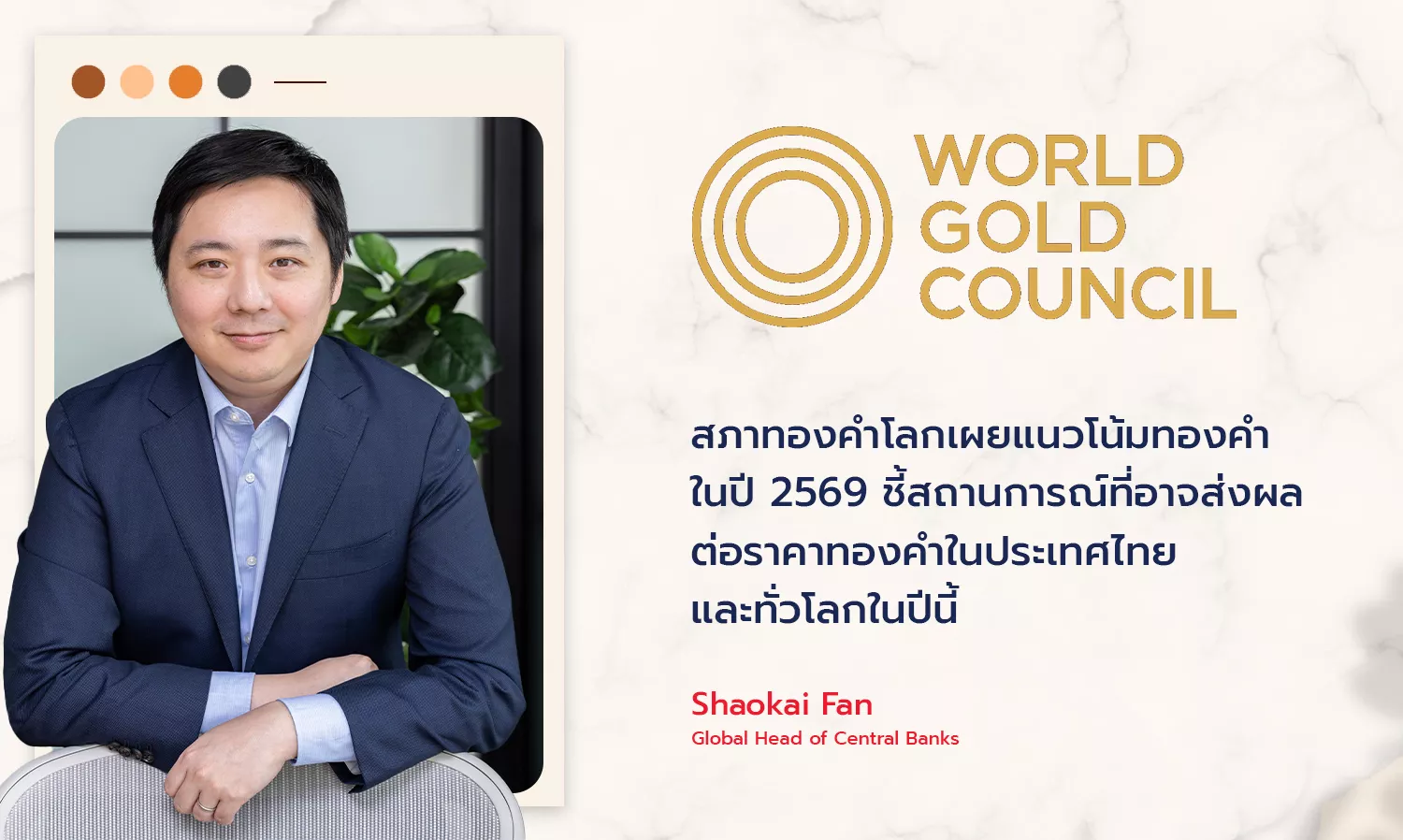
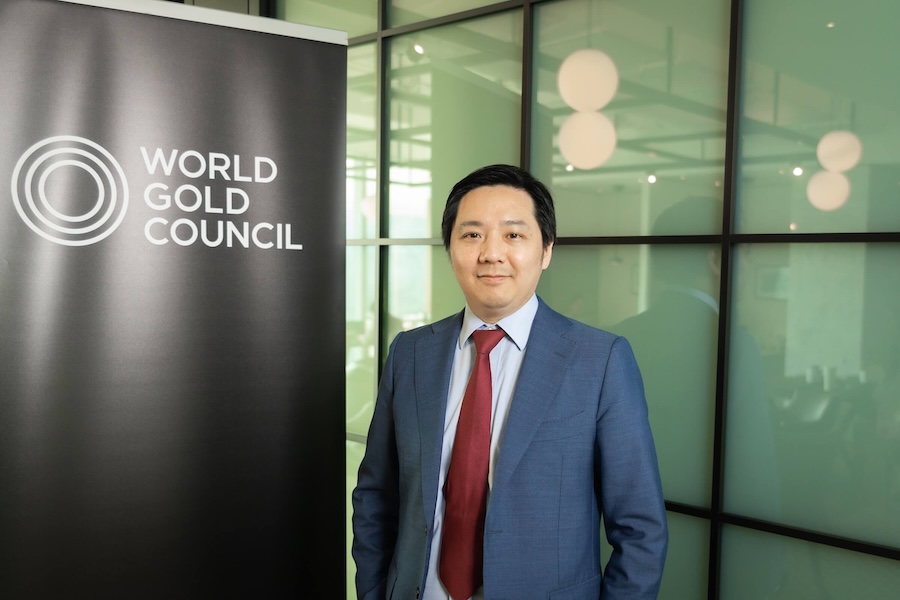
Shaokai Fan, Head of Asia Pacific (excluding China) and Global Central Bank at the World Gold Council, stated, "Overall, consumer investment in ASEAN countries in this report remains strong compared to the same period last year. For Thailand, the positive outlook on gold prices has driven gold investment, leading to a 25% increase in demand for gold bars and coins compared to the same quarter last year. However, compared to the previous quarter, demand for gold bars and coins has decreased due to higher gold prices prompting profit-taking. Jewelry demand in Thailand for Q1 aligns with the global trend of decline due to record-high gold prices. Nevertheless, Thailand's gold market remains strong and has slowed moderately compared to some ASEAN countries in our study this time."
Louise Street, Senior Market Analyst at the World Gold Council, remarked, "The beginning of last year was a challenging period for the global market due to trade uncertainties, unpredictable U.S. policy announcements, ongoing geopolitical tensions, and renewed concerns about economic recession, creating an environment filled with uncertainty for investors. These factors drove gold investment demand in Q1 to its highest level since 2016."
"In the past 10 months, investors have returned to investing in gold ETFs, continuously increasing their investment share since Q3 of last year. In April alone, the inflow of investments from Asia exceeded the total for Q1. However, there remains potential for ETF investments to grow further, as the amount of gold held in global ETFs is still 10% below the peak level in 2020."
"Looking ahead, the overall economic situation remains difficult to predict, and this uncertainty may lead to higher gold prices. Ongoing volatility may increase demand for gold as a safe asset from institutional investors, retail investors, and governments in the coming months."
For more details, you can read the Gold Demand Trends Q1 2025 Report, which includes comprehensive data from Metals Focus here.