Touch Property Suggests 7 Guidelines for Buildings to Prepare for Monsoon After Earthquakes: Areas to Monitor Closely
Touch Property, a subsidiary of Plus Property and an expert in building engineering systems with over 20 years of experience, has compiled 7 essential guidelines that should be implemented to enhance building readiness for the upcoming monsoon season, which includes thunderstorms, as well as to prepare for the rainy season following recent earthquakes. This is crucial for the safety of building occupants and residents.
Why is preparation during this time important?
Even if a building has passed initial inspections confirming its stability and safety after experiencing tremors from recent earthquakes, there may still be invisible issues such as small cracks in the walls, joints of the building, or loosening of sealant materials along the building's joints. If heavy rain follows, water may seep through these cracks, causing damage to the building or leading to malfunctions in electrical and mechanical systems.
7 Guidelines for Building Managers to Implement
1. Inspect the main structure and various parts of the building. It is essential to check the structure, including columns, beams, floors, and walls, for small cracks that may worsen or expand, or areas that may sustain further damage from water and moisture during rainy periods. Repairs should be made to restore these areas to their original condition, which will help reduce long-term damage risks.
2. Improve the waterproofing system on the roof and building joints. The roof is a direct point for rainwater. If there are cracks, leaks, or poor drainage, even minor issues can lead to damage to the internal structure of lower floors, such as ceilings, walls, or electrical systems. It is important to check the waterproofing membranes, joint sealants, and building edges to ensure they can effectively prevent water ingress.
3. Inspect the drainage system. An incomplete drainage system, such as grates, drainage channels, pipes, sumps, and pumps that remove water from the building, must be in good working condition. If they are clogged or misaligned, this can lead to ineffective drainage, causing flooding or backflow into the building. Additionally, check areas that have previously experienced leaks, such as ceilings or wall joints, to plan repairs before problems recur.
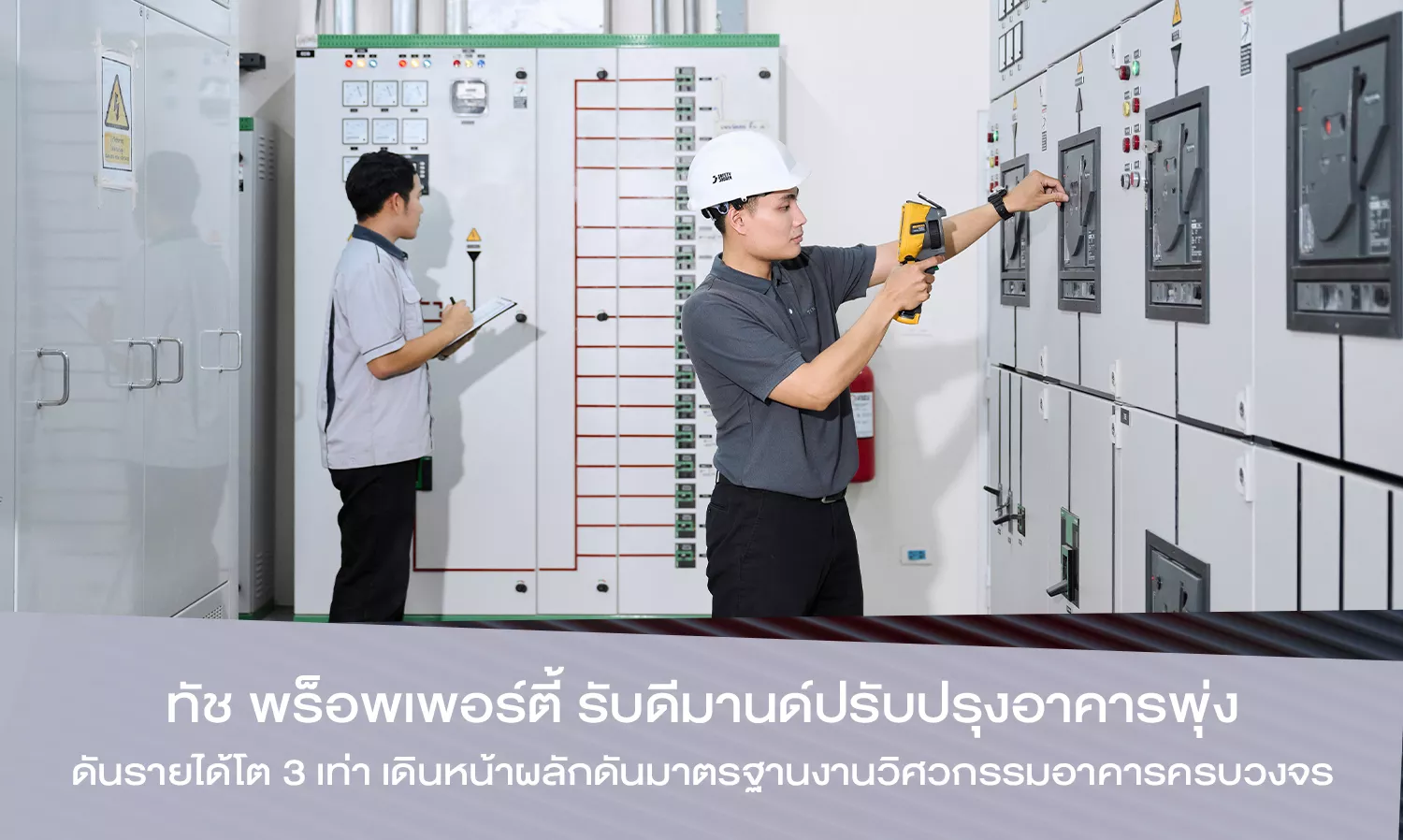
4. Inspect the electrical system and short-circuit protection devices. It is necessary to check the integrity of components, connections, and the functioning of various devices to ensure they are in normal condition. Buildings can utilize annual electrical inspections and maintenance during this time if water has leaked into the building, to help reduce risks to life and property for building users.
5. Inspect the indoor humidity control systems. This includes ventilation, air supply, and air conditioning systems. Check the installation points of various devices to ensure they are in normal condition, stable, and free from air duct leaks. Most equipment is installed above ceilings, requiring knowledgeable professionals for inspection. If the system is incomplete, during rainy or high humidity periods, it may affect indoor air quality and lead to mold issues. Regular preventive maintenance checks will help ensure the system operates continuously and safely.
6. Plan to monitor flood-prone areas in low-lying regions. Areas such as underground parking lots or building edges may face runoff issues from outside. Assess the risk of surrounding areas and plan contingencies, such as installing emergency pumps or temporary flood barriers, and conduct emergency drills with the building team.
7. Ensure the stability of various equipment. Vibrations from earthquakes may cause some equipment to become loose without notice, such as light signs, surveillance cameras, emergency light boxes, or wall decorations. Inspecting the stability of surrounding equipment, especially in common areas, will help prevent items from falling during strong winds or heavy rain.
Implementing these guidelines will boost the confidence of building users and reduce the risk of potential damage in the future. Building managers should expedite thorough inspections and plan to maintain various systems to be ready for the monsoon and rainy season comprehensively, especially for buildings affected by earthquakes, to ensure safety, peace of mind, and prolong the building's lifespan.