
Building Damage Assessment After an Earthquake – Why is it Important?
Earthquakes are natural disasters that can cause severe damage to buildings and threaten lives. Therefore, assessing building damage after an earthquake is a crucial step to evaluate safety and reduce risks associated with usage.
What is Damage Assessment? Damage assessment of buildings is the process of inspecting the structure to determine the extent of impact from the earthquake, considering cracks, damage to columns, beams, walls, and other parts of the building.
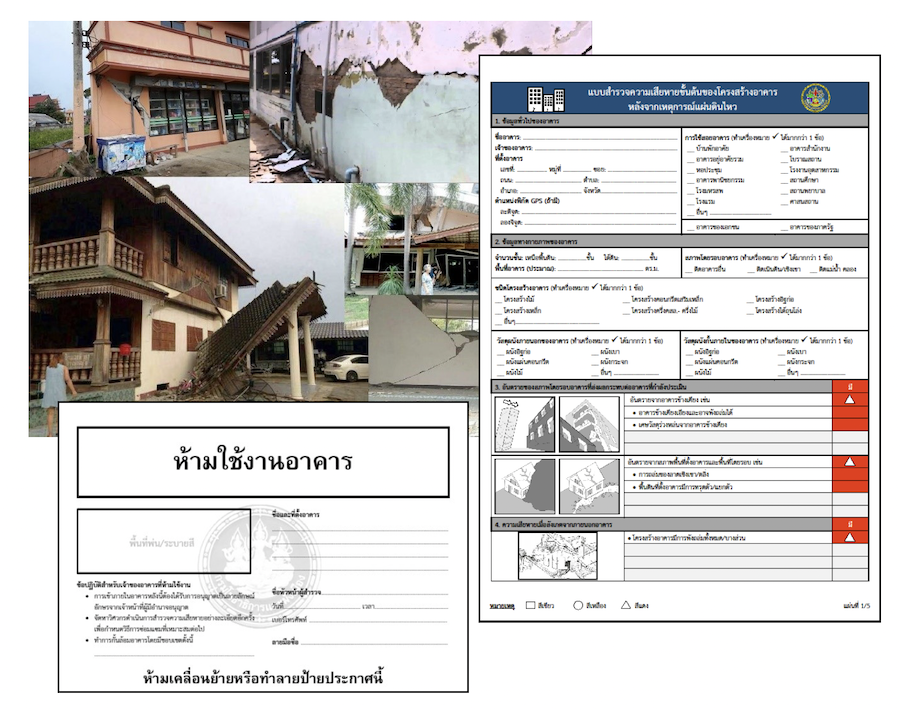
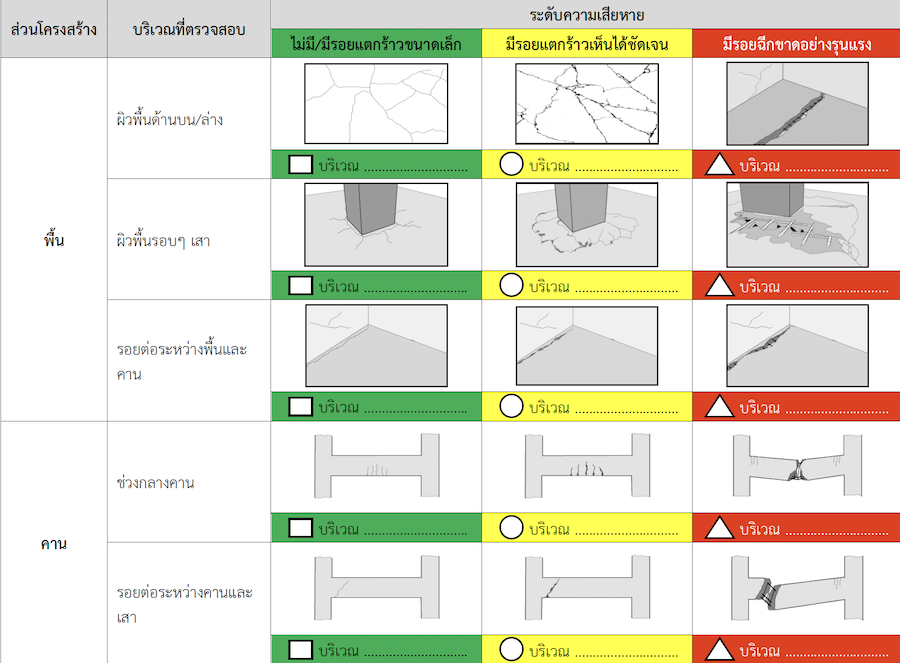
Levels of Building Damage
To standardize the assessment, buildings that undergo evaluation are categorized into three levels of damage:
✅ Green - Building is safe and can be used normally.
⚠️ Yellow - Building has some damage and requires further inspection.
Red - Building is in a dangerous condition and must not be used.
Consequences of Not Assessing Damage If damage is not properly assessed, users may face risks from unsafe buildings, which could endanger lives and property in the event of aftershocks or additional tremors.
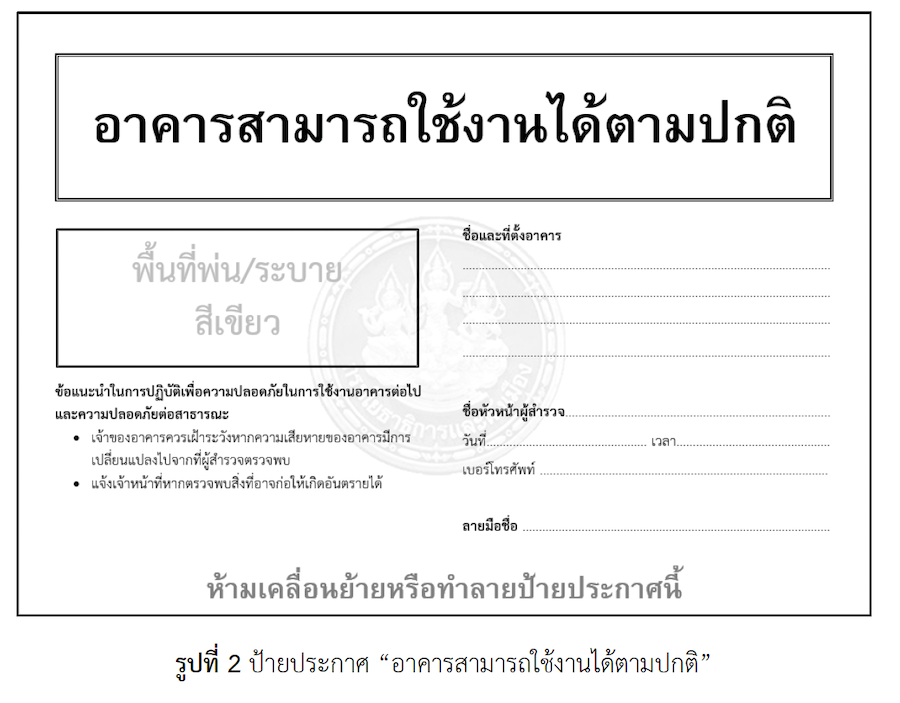
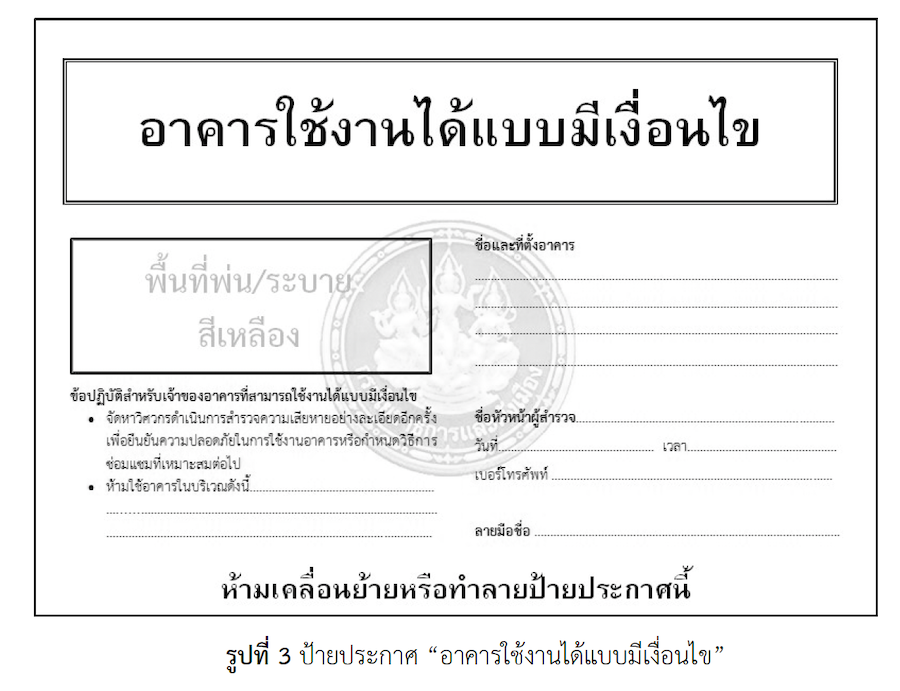
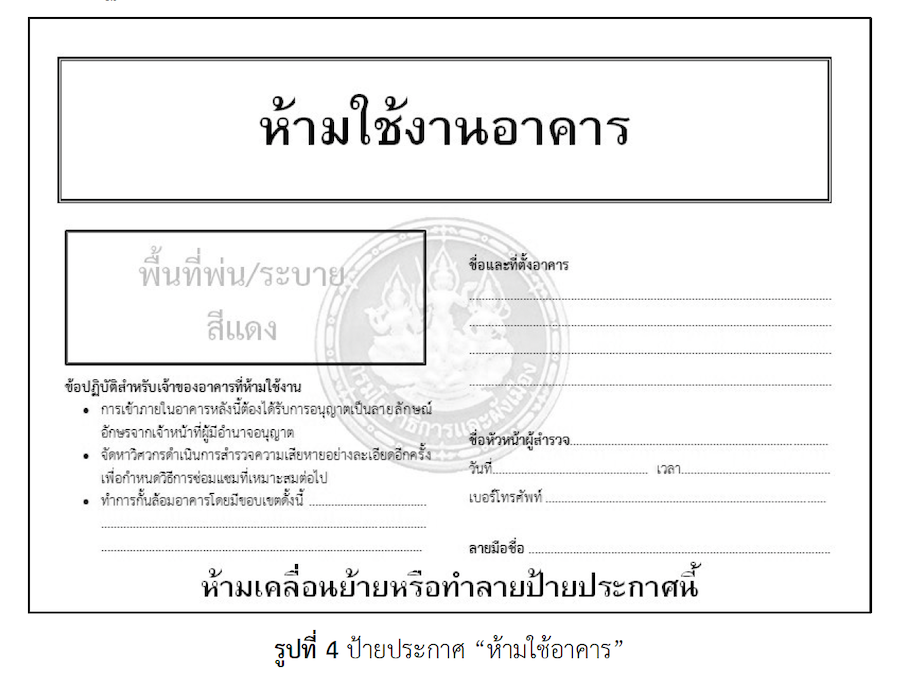
Recommendations for Building Owners
-
If the building receives a Yellow notice, have an engineer conduct further inspections to confirm safety.
-
If the building receives a Red notice, access to the building is strictly prohibited.
-
If damage to the building changes from the initial assessment, report it to the authorities immediately.
Conclusion
Assessing building damage after an earthquake is a step that should not be overlooked, as it helps prevent potential dangers and allows us to use buildings with confidence. Following proper assessment guidelines will effectively ensure the safety of people and property.