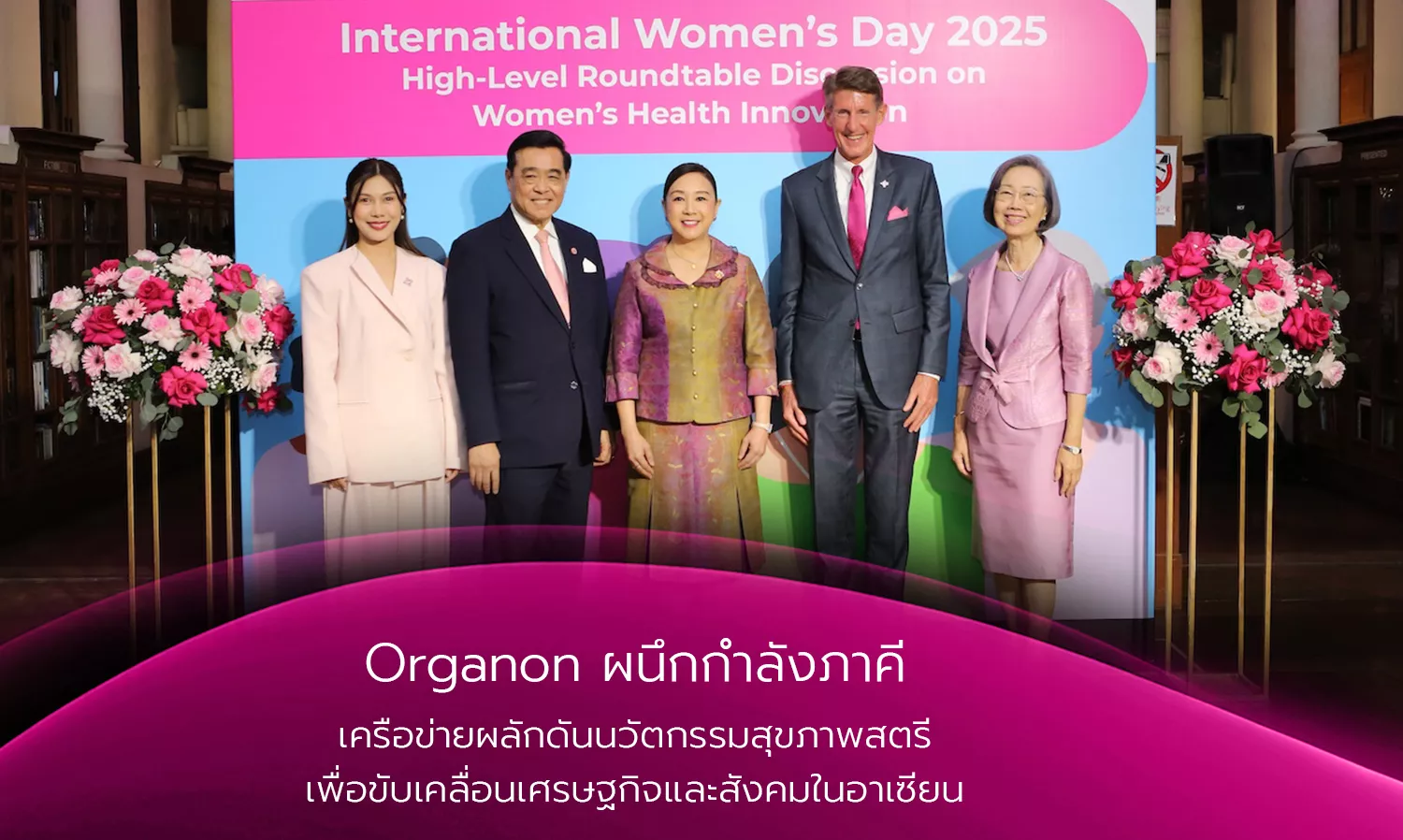
Organon Partners with Network to Promote Women's Health Innovations for Economic and Social Advancement in ASEAN
Organon (Thailand) Co., Ltd. collaborated with the Kenan Foundation Asia, the Ministry of Public Health of Thailand, and the United Nations Population Fund (UNFPA) to hold a roundtable meeting on "Innovations for Women's Health" on March 6, 2025, at the Neilson Hays Library in Bangkok. The event emphasized the crucial role of women's health in driving sustainable economic and social development.
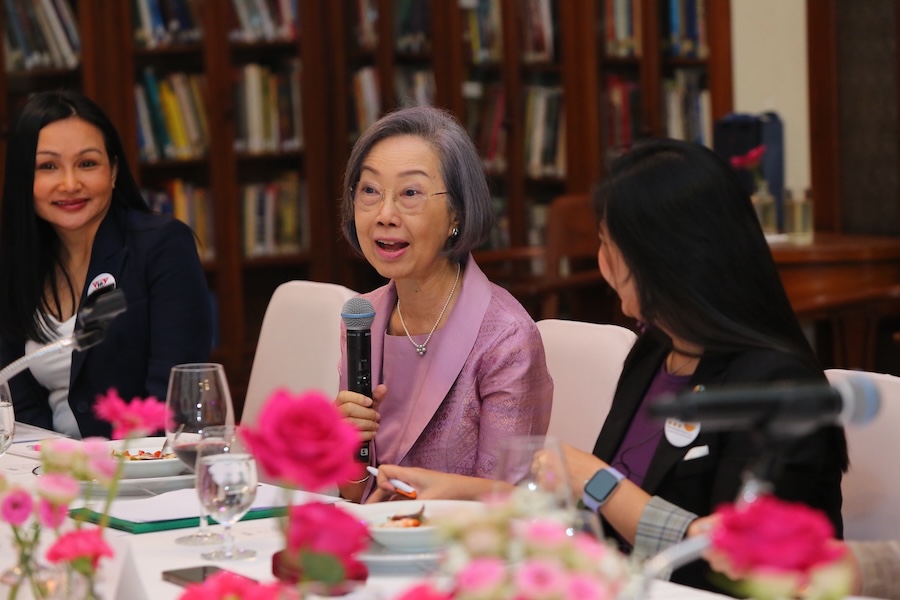
This meeting was organized in celebration of International Women’s Day (IWD) to reaffirm the collective commitment of all sectors to achieve the Sustainable Development Goals (SDGs), particularly Goal 3 on health and well-being and Goal 5 on gender equality, while promoting the APEC Smart Families initiative.
The discussions focused on urgent women's health issues observed in Thailand and the broader ASEAN region, such as Thailand's concerning cesarean section rate (34.8% of all births), high maternal mortality rate in Cambodia (218 deaths per 100,000 live births), and high teenage pregnancy rate in Laos (82 per 1,000 girls aged 15-19). The conversations acknowledged the link between investing in women's health and well-being with economic growth and social development.

Empirical data from leading global institutions such as the World Economic Forum, McKinsey Health Institute, and World Bank indicate that improving women's access to quality health services could potentially increase the global Gross Domestic Product (GDP) by trillions of dollars annually and raise women's labor market participation by up to 20%. For instance, Insular Life Assurance Company, Ltd. in the Philippines, which expanded health benefits to cover comprehensive maternity care, has seen a workforce comprising 64% women and a reduction in turnover rates, clearly demonstrating the economic benefits of investing in women's health.
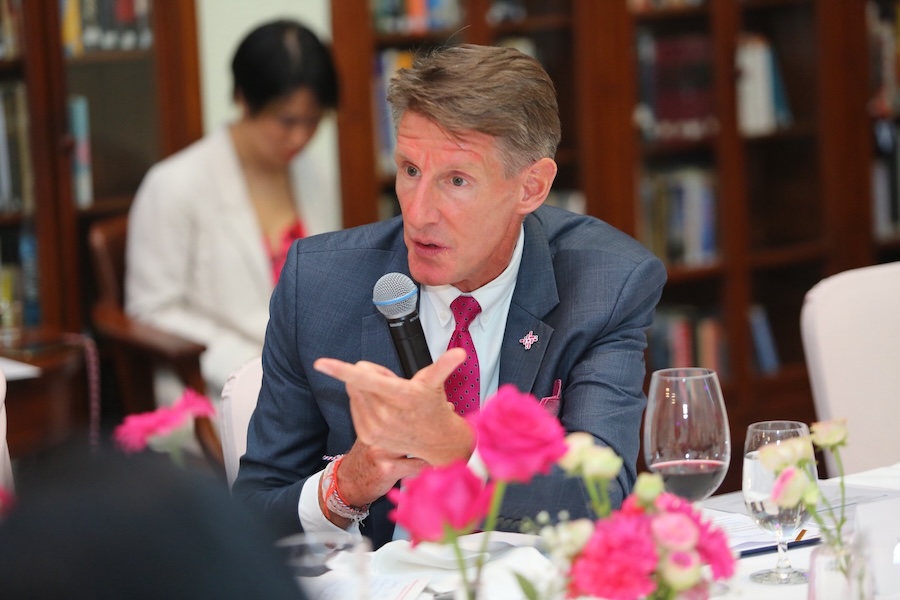
Koen C. Kruijtbosch, Managing Director of Organon (Thailand) Co., Ltd., opened the discussion by highlighting the broad impact of women's health on national development. He pointed out that urgent women's health challenges in Thailand, such as the continuously declining birth rate, rising teenage pregnancy rates, and high cesarean section rates, significantly affect women's health, the labor market, the public health system, and long-term national development. “These issues are not just personal health matters; they impact families, communities, and the future of the country. If we want to address these problems, we must apply innovations across various fields, including medicine, technology, policy, service delivery, and education, so that everyone, especially children and women, can access the necessary information and services for informed health decisions,” he stated.
Dr. Nahathai Tiwpaingam, Assistant Minister to the Prime Minister's Office, emphasized that “women's health is a key driver for social change, enhancing economic resilience, social equity, and shared prosperity. Ensuring access to reproductive health services is not just a personal health issue but essential for building strong communities, promoting flexible labor markets, and sustainable economic growth.” Dr. Nahathai also reiterated Thailand's commitment to regional cooperation, particularly through the APEC Smart Families initiative, which presents innovations to address demographic challenges while promoting gender equality and family well-being. “Investing in women's health is truly an investment in the future of our families, communities, and country,” she concluded.
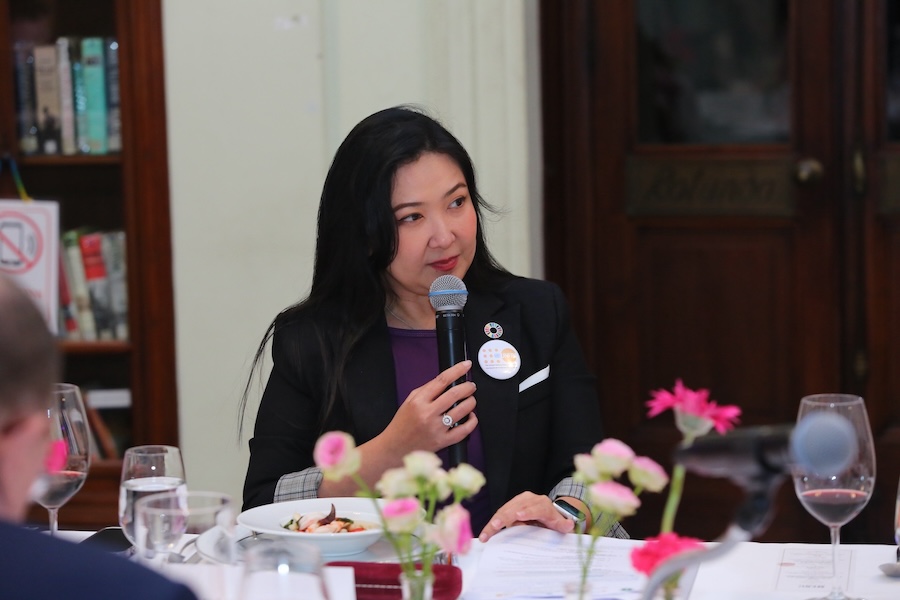
The roundtable discussion, moderated by Sirilak Chiangwong, Head of the UNFPA Thailand Office, focused on practical solutions and actionable strategies. During the discussion, Assoc. Prof. Dr. Tawida Kamolvech, Deputy Governor of Bangkok, mentioned the extension of service hours for Bangkok's public health centers, including family planning clinics, to 8 PM on weekdays and increased service hours on weekends, allowing people of all ages to access health and reproductive health services more easily, thus reducing barriers to care. This extension is a significant step in the national strategy to reduce unintended pregnancies by raising awareness and expanding access to family planning options.
From the discussions, four key conclusions were identified: First, participants emphasized the need to promote comprehensive family planning, sex education, and sexual and reproductive health services. Second, the discussions highlighted the potential of digital solutions, such as online platforms, mobile applications, artificial intelligence (AI), and telemedicine, for reporting, complaints, consultations, and expanding access to services. Third, family-friendly workplace policies, including parental leave rights, family care leave, and childcare support, are crucial factors in addressing Thailand's demographic challenges. Lastly, participants expressed a desire and willingness to promote inter-sectoral collaboration to close gaps, reduce operational fragmentation, and drive unified cooperation to strengthen women's health systems and well-being in the long term.
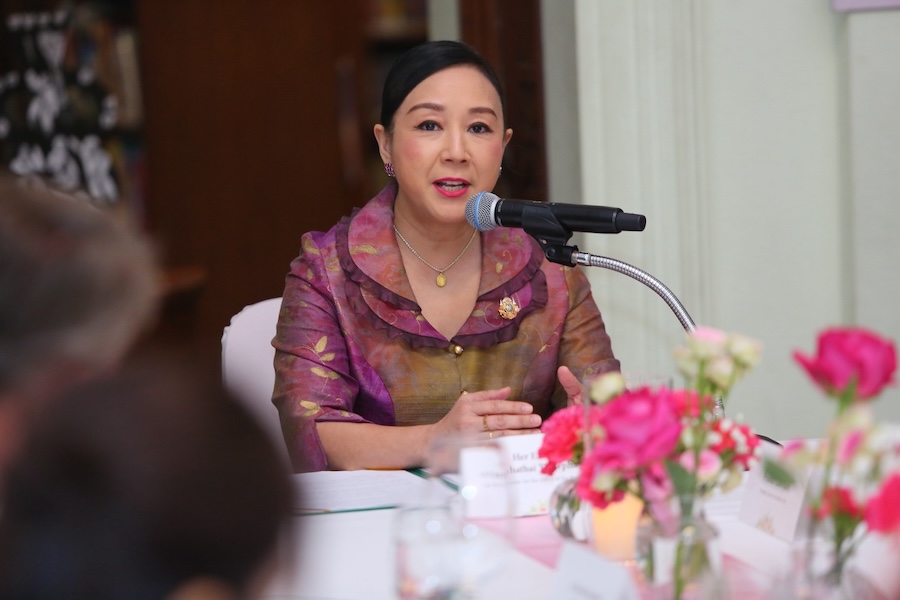
Khun Ying Kasama Vorawan Na Ayutthaya, Board Member and Executive Director of the Kenan Foundation Asia, closed the event by encouraging ongoing collaboration after the meeting. “Today, we exchanged new learnings, innovative problem-solving approaches, and met new friends, which shows us that there is still much room for further learning exchanges. Today’s event is not an end point but a starting point for future collaboration,” she stated.
The insights gained from this roundtable meeting will be used to develop policy recommendations under the "Her Promise Grant" project, funded by Organon and implemented by the Kenan Foundation Asia, which will serve as a crucial guide for expanding collaboration and enhancing investment in sustainable health innovations in Southeast Asia.