Tourism Trends in 2025: A Boom! Driving Growth in the New Era of Real Estate
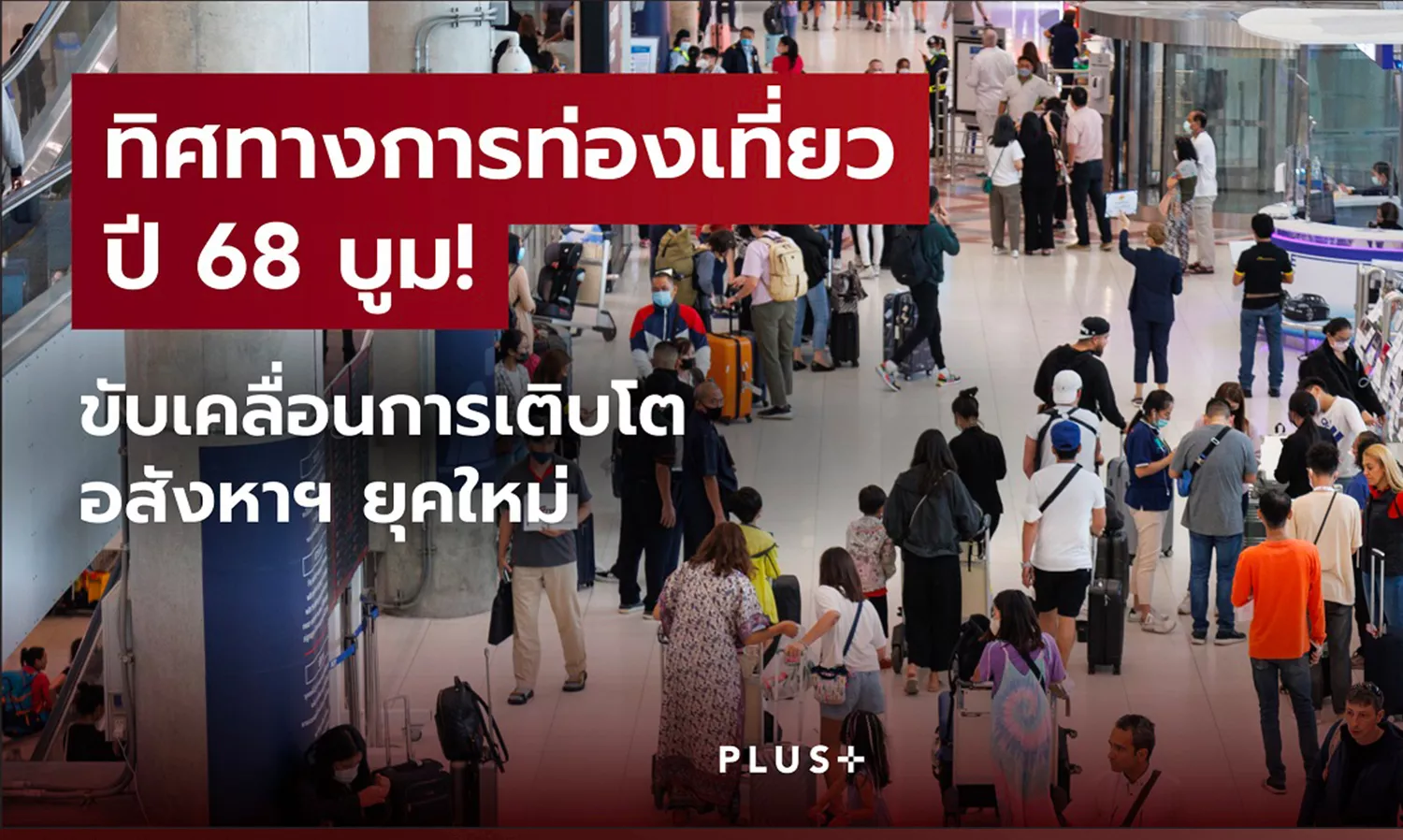
The tourism sector in 2025 remains a focal point as it is experiencing rapid growth and is set to return to pre-COVID-19 conditions. Both international and domestic tourists are regaining confidence in travel. This growth in tourism directly impacts the real estate market, influencing investment, the development of new projects, and the demand for spaces related to tourism.
Tourism: A Key Factor in the Thai Economy
According to forecasts from the Tourism Authority of Thailand (TAT), the Thai tourism industry is expected to generate over 3 trillion baht in revenue from both Thai and foreign tourists by 2025, marking a growth of approximately 7.5% from 2024. This rapid recovery is noteworthy as Thailand continues to be a popular destination in Southeast Asia, particularly in major tourist cities like Bangkok, Phuket, Chiang Mai, and Koh Samui.
This growth serves as a significant driver for the demand for tourism-related real estate, including hotels, long-term accommodations, vacation homes, and condominiums. The expansion of the tourism market presents an attractive opportunity for investors seeking high-return real estate projects in the long term.
Tourism Boosts Residential Real Estate
One segment of real estate benefiting from tourism growth is residential properties, especially condominiums and vacation homes that cater to both short-term and long-term tourists. As many people adapt to remote work or workations, the demand for accommodations that can support both work and relaxation has surged. Tourists and workers looking to escape the hustle and bustle of big cities are increasingly considering residential areas that offer a balanced lifestyle in tourist destinations.
With the rapid increase in tourism, the development of vacation home projects and condominiums near tourist attractions has become highly appealing. Choosing suitable locations close to popular tourist sites can yield excellent rental returns.
Tourism Supports Commercial Real Estate
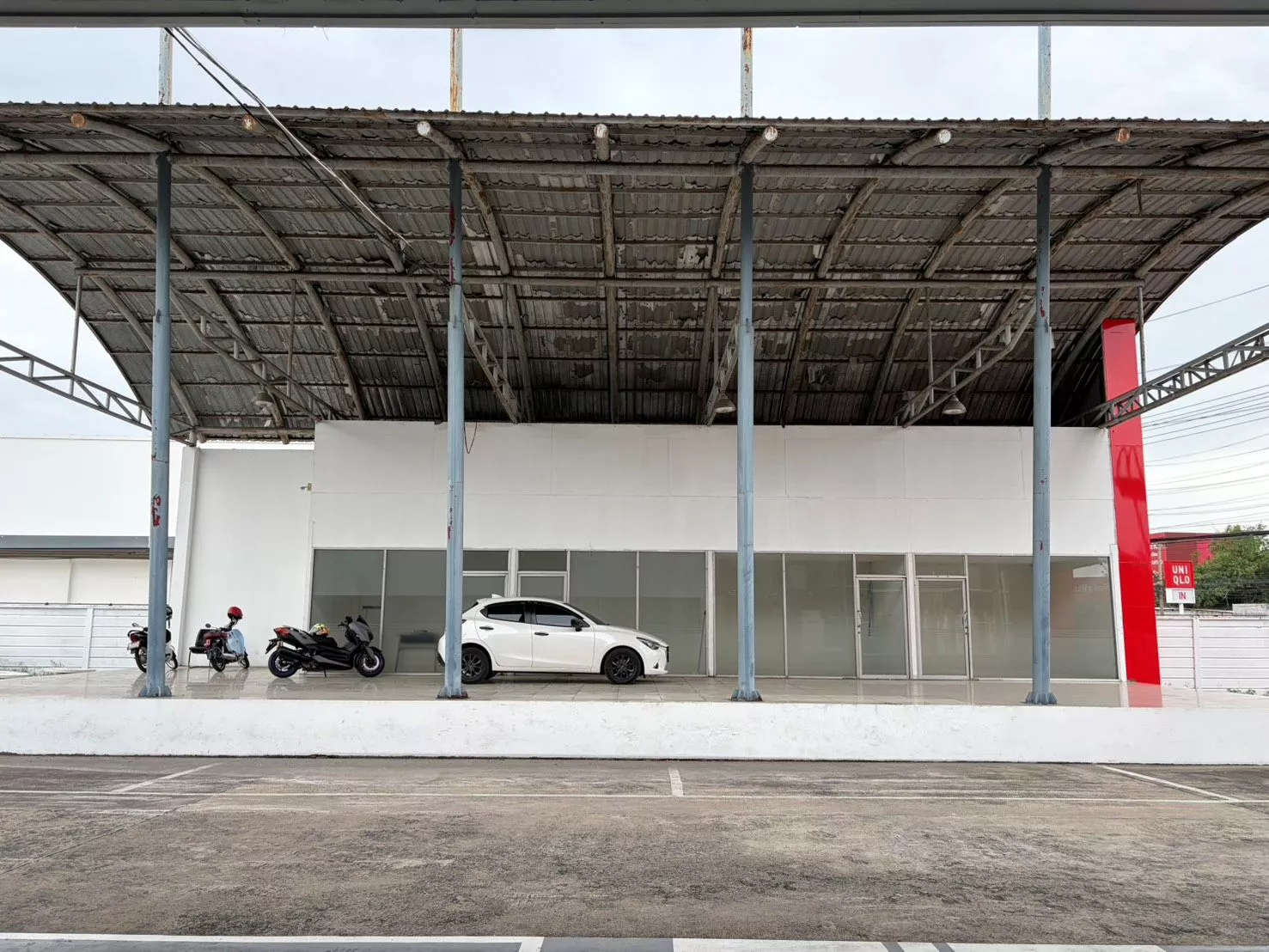
Another sector directly impacted by tourism is commercial real estate, particularly retail spaces and shopping centers that cater to tourists and businesses in the tourism industry. The launch of new shopping malls and retail complexes in tourist areas presents opportunities that investors should closely monitor.
The growth of tourism has led to increased demand for restaurant spaces, retail shops, local businesses, and tourist service centers in high-traffic tourist areas, positively influencing the development of commercial real estate in this direction.
Collaboration Between Government and Private Sector
The growth of tourism is also supported by government policies, such as the development of transportation infrastructure and the promotion of tourism through various activities, including the enhancement of tourist attractions in different provinces to better accommodate both domestic and international visitors. Additionally, there is support for creating Smart Tourism, focusing on using technology to improve service efficiency for tourists.
Policies that promote tourism will help expand the real estate market in various tourist cities continuously. The establishment of modern infrastructure and the comprehensive development of tourist cities will lead to a sustained increase in demand for real estate to support tourism and accommodations in these areas.
The growth of tourism in 2025 not only positively impacts the overall economy but also supports the expansion of the real estate market in residential, commercial, and tourist-related projects. With tourism playing a crucial role in the real estate sector, investors can identify high-potential investment opportunities in the long term. Therefore, opportunities related to tourism and expansion in promising areas in the future are particularly noteworthy for investors in this era.