KKP Predicts US Policies Will Impact Trade, Slowing Thai Economy in 2025 with Tourism Weakening and Household Debt; GDP Expected to Grow by 2.6%
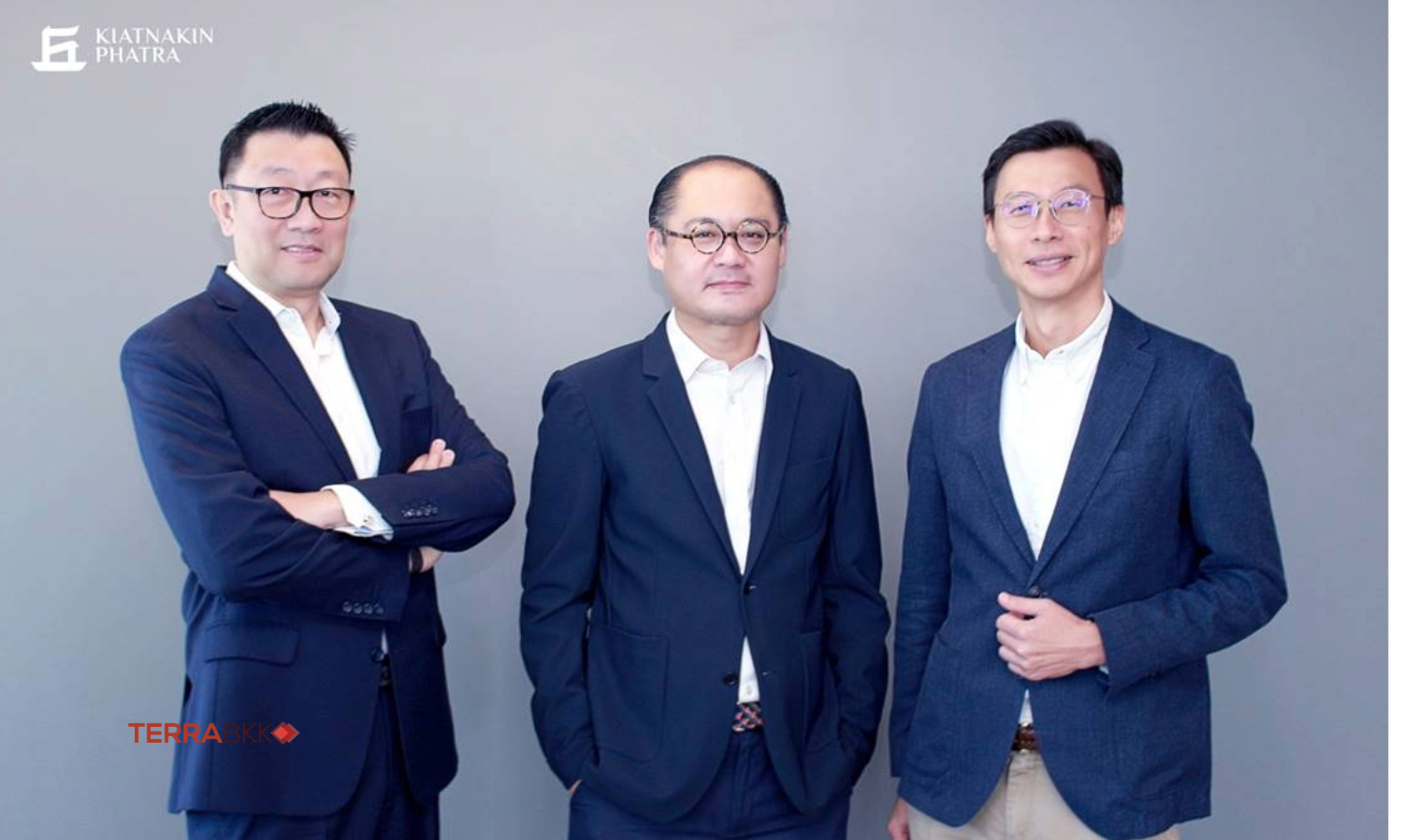
Dr. Pipat Leuangnarumitchai, Chief Economist of Kiatnakin Phatra Financial Group revealed that the Thai economy in 2025 is expected to grow by 2.6%, slightly down from the previous year's forecast of 2.7%. The main drivers are the tourism and service sectors. However, this momentum is likely to slow down as tourism returns to near-normal levels, while issues regarding the competitiveness of the industrial and export sectors continue to exert significant pressure on the Thai economy. Additionally, the contraction of bank lending due to household debt problems and the economic situation is negatively affecting the consumption of durable goods and the real estate sector.

On the external front, the Thai economy is facing risks from US policies that may use trade as a negotiation tool. Thailand ranks 11th among countries with the largest trade surplus with the US, and ASEAN is second only to China in terms of trade surplus. This puts Thailand and ASEAN at risk of becoming targets of US trade measures, which could impact Thai trade. In addition to the export sectors that may be affected, Thailand may be pressured to open markets for certain products, including agricultural goods, where Thailand has high tariffs and import restrictions on US products. However, Thailand could benefit from relocating investment bases, making it essential for the country to prepare for negotiations to achieve the best outcomes.
Amidst economic uncertainty, Dr. Pipat believes that fiscal and monetary policies will play a crucial role in addressing risks. Furthermore, structural reforms to support investment and enhance economic potential are vital. It is anticipated that the policy interest rate may be lowered again this year, and the government will continue to implement a fiscal deficit policy to stimulate the economy.
However, with increasing fiscal constraints and public debt nearing the 70% GDP ceiling, the government may need to reconsider how to implement economic stimulus policies for optimal results. Given the declining trend in government tax revenue relative to the size of the economy and the increasing need for public spending, it is necessary to reform the bureaucracy to enhance state efficiency, expand the tax base, and reform the tax system to increase revenue, address inequality issues, and improve the country's competitiveness.

As the Thai economy continues to recover slowly and the automotive industry remains volatile, Kiatnakin Phatra Financial Group (KKP) has implemented measures to enhance performance and prepare for a highly uncertain future.

Mr. Apinan Kliayopatin, CEO of Kiatnakin Phatra Financial Group stated that since mid-2024, the quality of the bank's new hire purchase loan portfolio has been improving, recovering from the impact of declining car prices post-COVID, resulting in overall better performance of the loan portfolio. Additionally, the bank's online channels for deposits and investments, such as KKP Savvy, KKP Edge, and Dime!, have shown satisfactory growth, while the launch of foreign currency deposit accounts has provided customers with effective options for managing exchange rate costs.
“2024 is a year of balancing for KKP. Despite challenges, KKP has focused on laying the foundation for sustainable growth, emphasizing quality lending, accelerating non-interest income through financial innovation, and creating investment opportunities abroad, which we believe will deliver long-term value to customers and shareholders.”
In 2024, although KKP's capital market business faced volatility amid a downturn in the Thai stock market, non-interest income continued to rise, and assets under advice and management (Asset under Advice/Asset under Management) of KKP grew well, totaling over 1 trillion baht, supported by services through securities companies and asset management firms, bolstered by leadership in foreign investments, whether in public markets or private markets, which have provided good returns to investors.
In the investment banking sector, one of KKP's core businesses, strong performance continues, particularly in advisory and significant transaction services, such as financial advisory for the rehabilitation of Thai Airways International Public Company Limited, demonstrating the resilience and adaptability of the bank's business model, while the brokerage business continues to maintain the largest market share.
Mr. Philip Chiang Chong Tan, Managing Director of Kiatnakin Phatra Bank Public Company Limited stated that for the strategy in 2025, the bank focuses on extending new loans to quality customers to create a stable loan portfolio, reduce credit costs, and manage risks appropriately to respond to challenges from Thailand's high household debt levels. Although a cautious growth approach may lead to a short-term reduction in the size of the loan portfolio and interest income from lending, it aligns with the bank's long-term vision of creating a sustainable financial ecosystem.
“In 2025, we will continue to focus on the quality and sustainability of the loan portfolio. The bank is dedicated to creating opportunities for potential customers and assisting good customers in coping with economic uncertainties, under a framework of innovative financial solutions alongside responsible lending. Since 2023, the bank has continuously supported quality customers affected by economic conditions, including participants in the 'You Fight, We Help' program, who have been joining the program steadily.”
Our financial stability and careful resource allocation enable us to tackle market challenges while laying the groundwork for future opportunities. KKP is thus positioned to create sustainable growth and value for all our stakeholders.