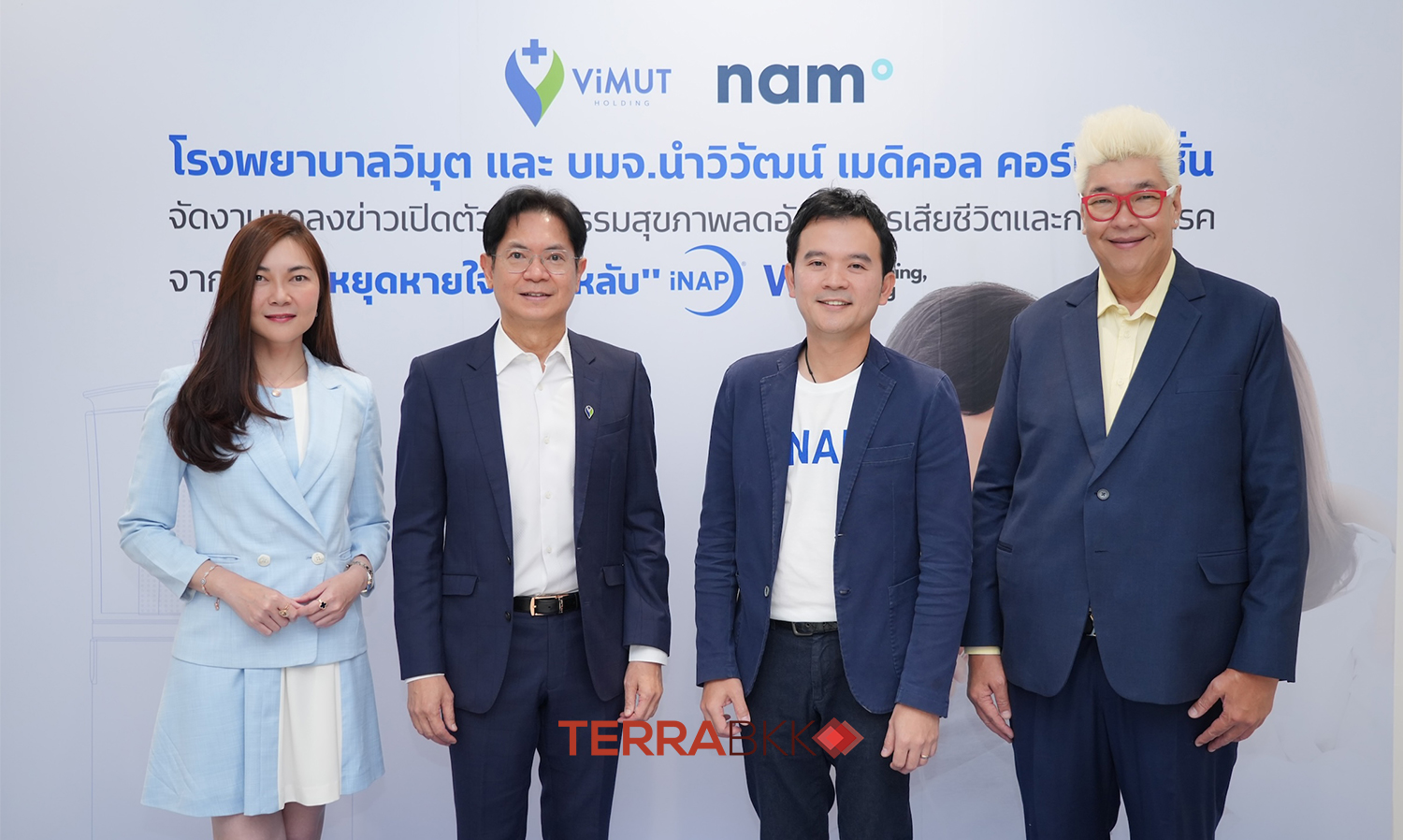
Wimut Hospital Partners with Namviwat to Launch iNAP Innovation, Targeting the Growing 'Sleep Economy' and Sleep Apnea
Wimut Hospital is aggressively entering the booming Sleep Economy market, aligning with the health mega-trend as people worldwide face increasing sleep issues. Recently, it has partnered with Namviwat Medical Corporation Public Company Limited (NAM), a leader in the production, import, and distribution of medical equipment in Thailand, to enhance health tech and improve sleep quality by launching the iNAP (Intraoral Negative Airway Pressure Therapy) technology, which helps treat snoring affecting over 25% of Thais. This is a warning sign for Obstructive Sleep Apnea (OSA), a silent threat to the health of over 3 million Thais. Wimut Hospital emphasizes the importance of raising awareness about the dangers of snoring leading to sleep apnea, which, if untreated, can result in severe physical and mental health issues such as mood swings, fatigue, excessive daytime sleepiness, increased risk of heart disease, high blood pressure, and other long-term complications. They encourage Thais to self-monitor and seek medical advice if they or those around them experience frequent snoring, to ensure a chance for a better quality of life and reduce preventable mortality rates.
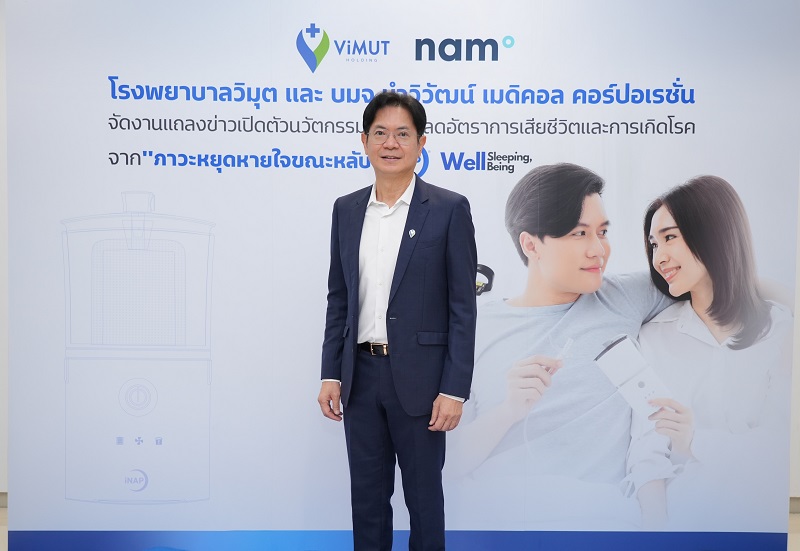
Dr. Pichit Kangwankit, Deputy CEO of Pruksa Holding Public Company Limited, stated, “Wimut Hospital continues to enhance holistic health care for Thais while strengthening its healthcare business to align with modern health trends. According to Emergen Research, in 2022, the Sleep Economy market was valued at $512.8 billion, with a compound annual growth rate (CAGR) of 6.3%. Current data shows that snoring and sleep apnea are increasingly threatening global society. The National Council on Aging (NCOA) in the U.S. reports that approximately 936 million people worldwide are facing sleep apnea, from mild to severe. Furthermore, those who snore are at a 94% risk of developing this condition. In Thailand, data from the Royal College of Otolaryngologists indicates that about 25% of Thais snore, with approximately 5% or around 3 million people suffering from sleep apnea. Those with this condition often experience severe snoring and intermittent breathing cessation during sleep, leading to oxygen deprivation, which is dangerous for the heart, brain, blood vessels, and other organs. Sleep apnea is a serious health issue that can lead to many complications without awareness, such as sudden death, stroke, heart disease, diabetes, paralysis, high blood pressure, and more. Wimut Hospital recognizes that snoring is not just a nuisance but a dangerous signal that requires medical attention. There are various medical treatment options available to help patients regain quality sleep.”

The collaboration with Namviwat Medical Corporation to launch the iNAP Sleep Therapy System represents a new innovation in treating snoring and sleep apnea, providing more options for addressing these issues and enhancing sleep quality. This reinforces Wimut Hospital's commitment to being a leader in the Trusted Healthcare Platform, integrating medical technology to elevate care and provide seamless services. They continue to partner with allies to strengthen the health platform for sustainable health for Thais,” Dr. Pichit added.
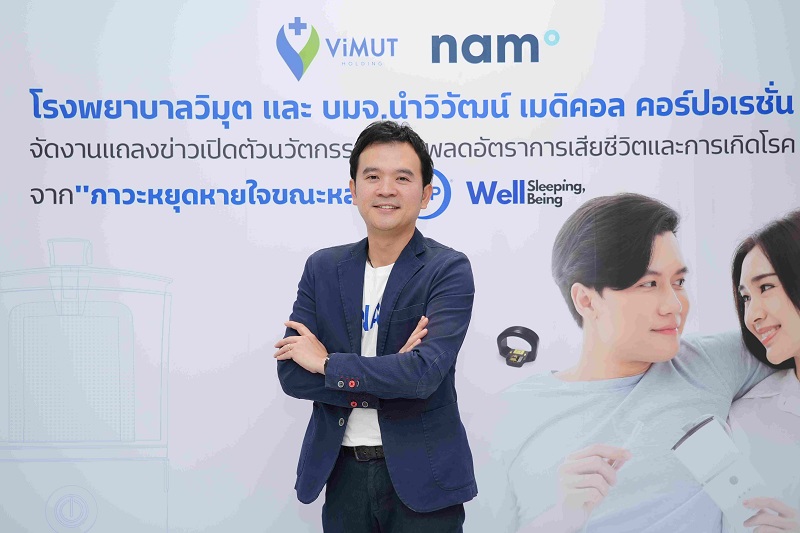
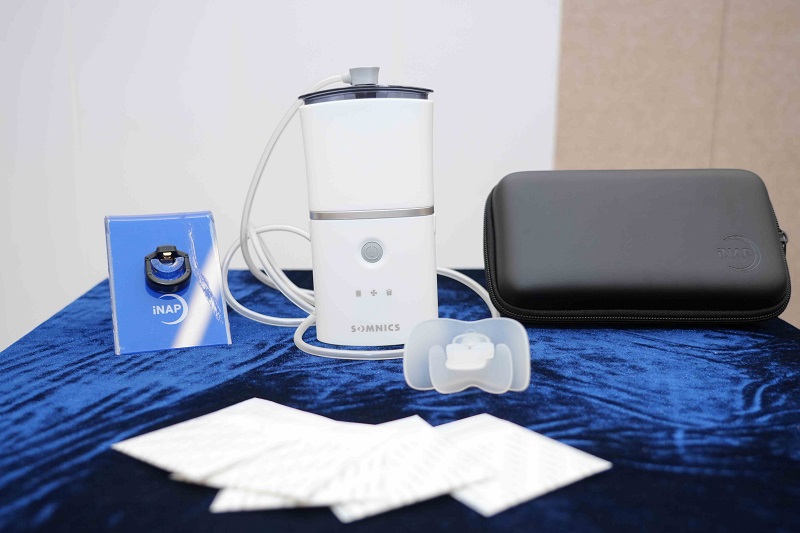
Mr. Wiroj Chaiterdkiat, Board Member and CEO of Namviwat Medical Corporation, stated, "Currently, people worldwide and in Thailand are becoming increasingly aware of the importance of sleep quality and the silent dangers of poor sleep. Research And Markets indicates that the global market for medical devices treating sleep apnea will reach $9.95 billion by 2030, growing at a CAGR of 7.34% from 2024 to 2030. The current market is estimated at $6.06 billion in 2023. Namviwat Medical Corporation, with over 50 years of experience working with leading hospitals and healthcare facilities, is committed to providing modern and effective medical innovations to improve patients' quality of life. The launch of the iNAP Sleep Therapy System is a significant step in offering new options for managing sleep apnea patients in Thailand, being the first hospital in the country to introduce this system. The iNAP One Sleep Therapy System is designed to reduce upper airway obstruction, the cause of snoring, utilizing Oral Negative Air Pressure Therapy technology to create gentle suction, keeping the tongue and tissue in the proper position for natural breathing during sleep. Its compact, portable design allows for easy travel, operates without a plug, and lasts 4-6 days on a single charge. It is also FDA-approved in the U.S. and Taiwan, and has received various awards from leading organizations, gaining recognition from doctors and researchers in multiple countries for its effectiveness and safety in reducing sleep apnea across all severity levels.”
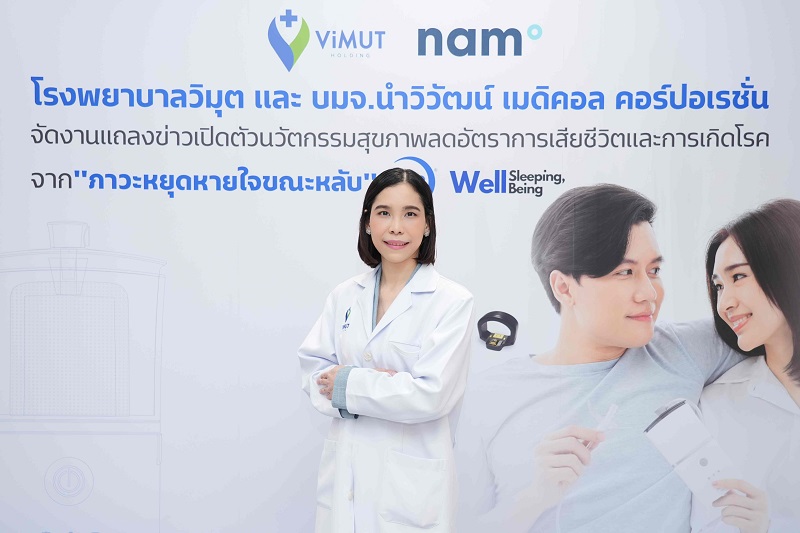
Associate Professor Dr. Kwinnyarat Jit-arun, a specialist in otolaryngology and allergy at Wimut Hospital, discussed the causes of snoring and the risks of sleep apnea, stating, “In today's society, sleep issues are a significant health concern. We find that people worldwide often experience accumulated stress, insomnia, insufficient sleep, and poor sleep quality. These abnormal sleeping behaviors gradually affect the body and mind without our awareness. Alarmingly, many still consider snoring a normal occurrence, which is not the case, especially for those with severe snoring leading to obstructive sleep apnea, which can severely impact health. Snoring can occur at any age but is more common in adults and more prevalent in men, particularly those who are overweight. Severe snoring with accompanying breathing cessation is referred to as Obstructive Sleep Apnea, where the upper airway narrows due to anatomical issues in the throat muscles, causing the tongue to collapse and block the airway, especially during sleep. This results in low oxygen levels and carbon dioxide buildup, leading to gasping during the night or shortness of breath upon waking, making one feel unrested and fatigued. Regular occurrences can severely affect physical and mental health, increasing the risk of conditions such as high blood pressure, heart failure, atrial fibrillation, type 2 diabetes, stroke, depression, and obesity.”
“The best behavioral adjustments to reduce snoring and sleep apnea include weight loss, dietary control, regular exercise, avoiding alcohol, and changing sleep positions to side sleeping, which can help alleviate symptoms. It is crucial to avoid sleep deprivation and to monitor oneself and those around for abnormal symptoms, such as habitual snoring with gasping, feeling excessively sleepy despite a full night's sleep, dry mouth or throat pain upon waking, or frequent headaches after waking. If any of these symptoms are present, it is essential to consult a doctor for timely diagnosis. If the history suggests a risk, a Sleep Test should be conducted to analyze body functions during sleep in detail to find treatment options and return to a full life,” Associate Professor Dr. Kwinnyarat concluded.