Nippon Paint Promotes GREEN PLAN Towards Corporate Agenda Aiming for Net Zero by 2050
Global warming is a pressing issue that clearly impacts both the environment and humanity. The current climate change is shaking the existence of all living things on Earth, prompting global awareness and urgent efforts to find solutions. 'Nippon Paint', the leading paint manufacturer and distributor in Asia and the fourth largest in the world, has long recognized this situation and its consequences. Therefore, it wishes to express its stance by announcing a significant mission aimed at achieving Net Zero by 2050 through the “GREEN PLAN” to contribute to reducing global warming caused by energy use in production.
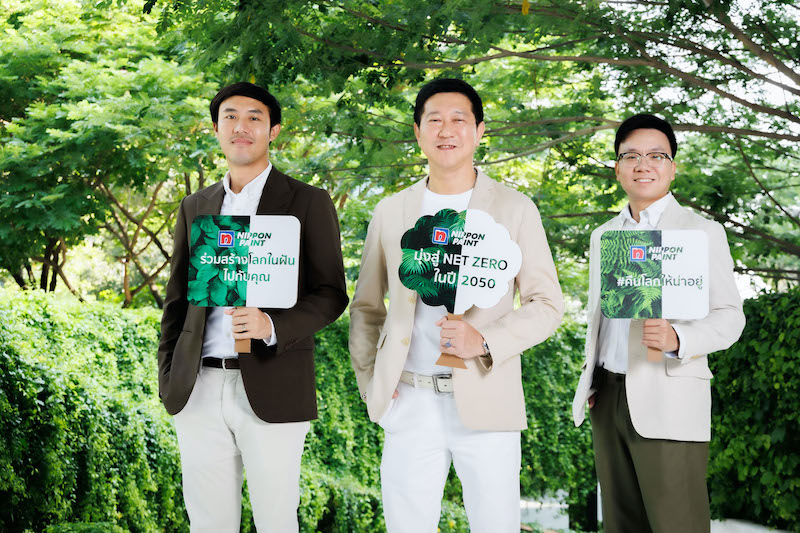
Roadmap to Net Zero by 2050
'Nippon Paint' adheres to the principles of the GREEN PLAN, which consists of Green Process and Green Product in line with the principles of global Sustainability, including Environment, Social, and Economy. Additionally, it expands the importance to cover two more aspects: Innovation and Customers. All of this aligns with the 9 principles of UNSDGs, integrated into a “Smart Framework” strategy that not only emphasizes sustainable business practices in the value chain but also promotes and drives a culture of environmental responsibility and equality within the organization, aiming to make it a key agenda towards achieving full Net Zero by 2050.
Green Process involves reducing direct greenhouse gas emissions at facilities under the ISO 14001:2015 environmental management system through the following strategies:
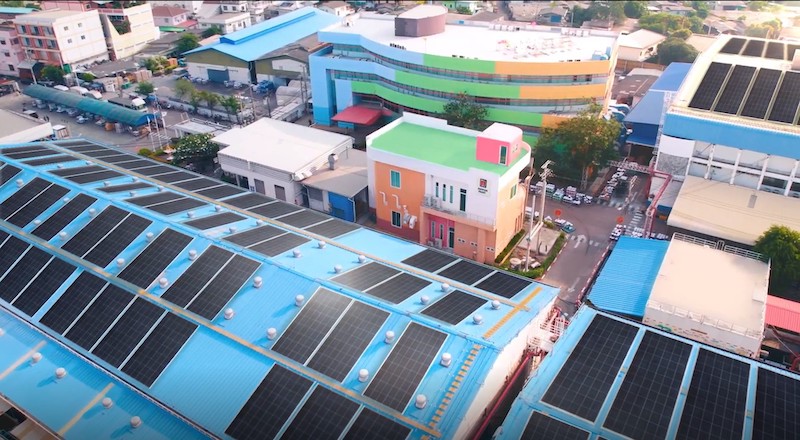
1. Energy Strategy: This includes installing solar panels on the roofs of paint production facilities (Solar Roof) to reduce carbon emissions by over 600,000 kilograms per year, equivalent to the carbon absorption of planting more than 60,000 trees. The alternative energy from solar panels can generate over 1.4MW of electricity annually for use within the factory, and transitioning to battery-operated forklifts instead of diesel-powered ones.
2. Water Conservation Strategy: Water is a crucial resource for 'Nippon Paint's' production process. The company strictly promotes wastewater treatment activities within the organization by reusing properly treated wastewater, anticipating a reduction in water usage by over 840,000 liters per year, equivalent to flushing a toilet over 70,000 times. To enhance the efficiency of wastewater treatment, 'Nippon Paint' has also installed soil testing and leak detection systems to mitigate potential issues with surrounding communities and the environment. The company has different wastewater treatment requirements depending on the type of wastewater, including:
- Water that cannot be reused or recycled will be disposed of according to industrial waste types and stored by licensed service providers for further treatment as per local laws.
- Water that needs treatment before disposal from laboratories will be treated in dilution tanks and tested by evaluators before being released as public wastewater.
- Water that can be disposed of directly, such as from toilets and sinks, will be directly connected to the public sewage system.
3. Air Pollution Reduction Strategy: Utilizing large machinery such as Dust Collectors to capture dust and recycle it back into the production process, thereby reducing dust emissions by 3,000 kilograms per year.
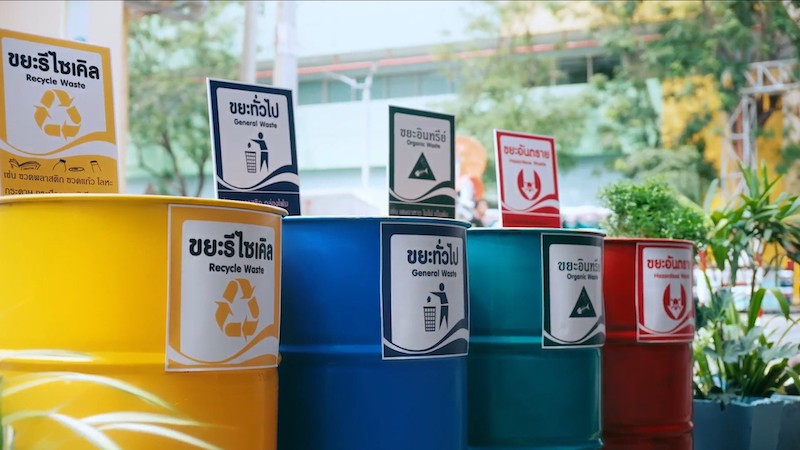
4. Waste Disposal Strategy: Waste disposal methods vary depending on the type of waste. For recyclable materials, they will be reused or recycled by licensed contractors or managed internally. Additionally, 'Nippon Paint' is committed to waste disposal, whether through waste separation or labeling to guide proper disposal methods. Furthermore, it assesses impacts to identify and track the origins of waste under ISO 14001 standards and local waste disposal laws to establish the most efficient waste management procedures.
Green Process and Green Product: The high-quality paint systems and innovations of 'Nippon Paint' are not only developed based on genuine user needs but also aim for low carbon emissions through the following methods:
1. Paint System to Reduce Embodied Carbon: Through certified carbon footprint products, with solutions to reduce carbon from construction, streamline processes, and enhance work value while reducing Operation Carbon with energy-saving paint technology that lowers temperatures and electricity costs, ensuring high-efficiency energy-saving labels, durable paints that extend building lifespans, and reduce carbon emissions from building renovations.
2. Sustainable Paint Innovations: Guaranteed with the GREEN CHOICE label, free from strong odors (Low VOCs), helping to increase LEED v4.1 and WELL v2 scores for real estate projects, enhancing productivity, and elevating the paint industry in Thailand, along with innovations that reduce waste on job sites and minimize dust during work for improved quality of life and environmental safety.
Additionally, it strengthens its portfolio with 40 brands of paint products from 'Nippon Paint' that have received carbon footprint certification (CFP), indicating the amount of carbon emitted from sourcing raw materials, production processes, distribution, usage, transportation, and waste limitation.
Latest Environmental Campaign: Revitalize the World: 'Nippon Paint' launched a campaign under the slogan “Nippon Paint: Revitalize the World”, inspired by the company's intention to be part of creating a sustainable world together. This advertising campaign conveys the beauty of nature through colors, resembling the paradise that humanity dreams of, filled with abundant resources and clean water accessible at any time. However, the world we see today is not like that; rising temperatures and pollution confront us daily, leading to a strategy to restore a livable, bright world for those around us in terms of environment, society, and economy, encouraging all parties, both B2B and B2C, to recognize the importance of working together to combat climate change and create sustainability and equality.
All of this is just a part of the mission towards achieving complete Net Zero by 2050. 'Nippon Paint' remains steadfast in this mission to create an environment and a sustainable world for all of us.
Thank you to the venue: Forest Pavilion, The Forestias project by MQDC.