LWS Suggests 5 Approaches for Developing Environmentally Friendly Projects
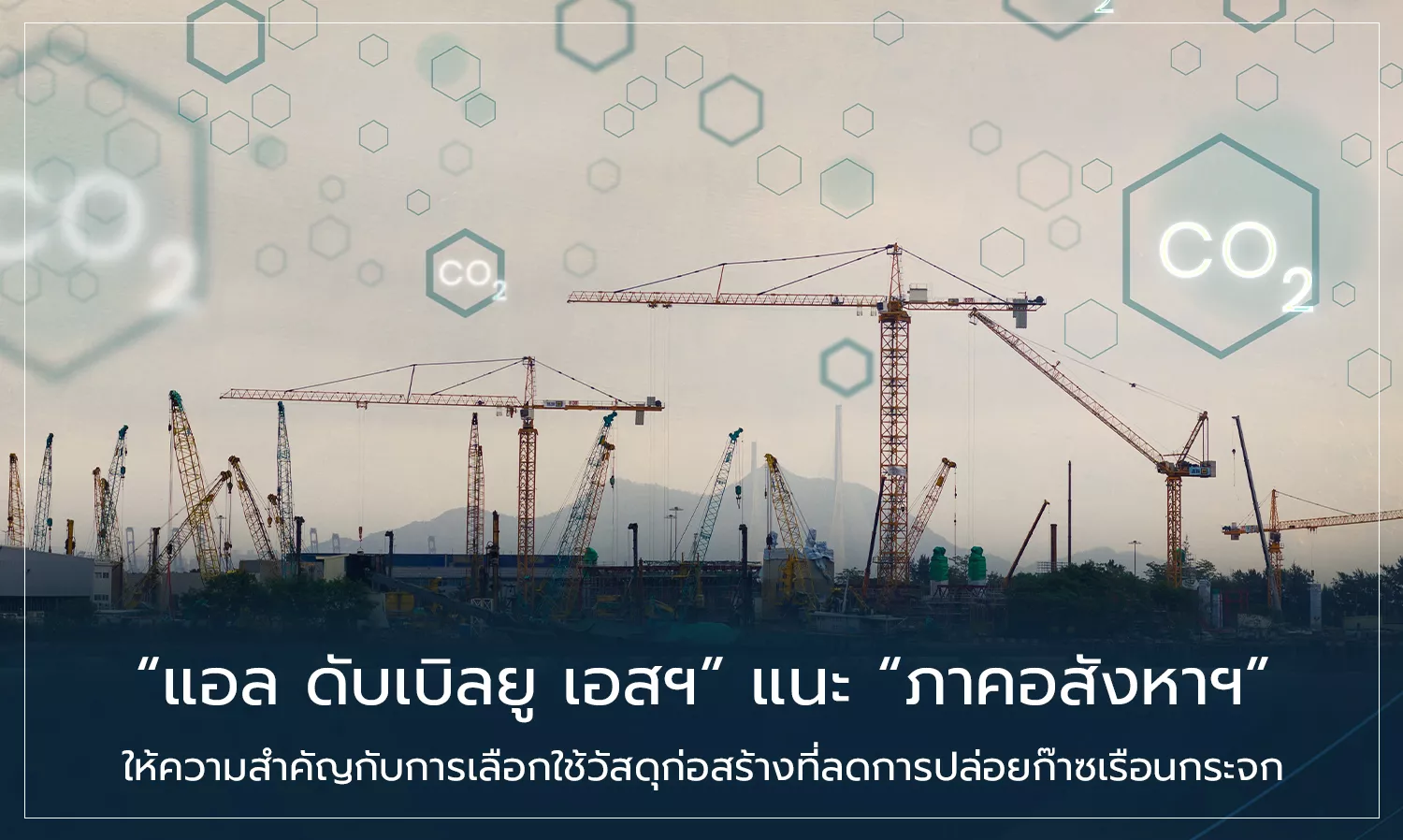
“LWS” suggests 5 approaches for developing environmentally friendly real estate projects in light of the current and future challenges posed by global warming.
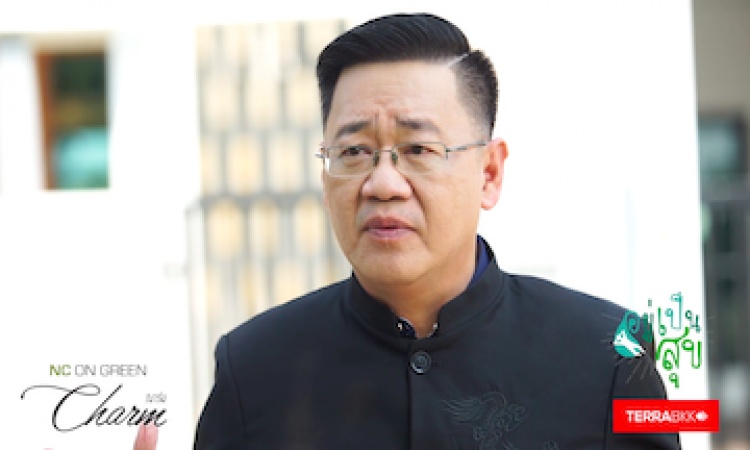
Mr. Prabhan Sak Raksaiwan, Managing Director of LWS Wisdom and Solutions Co., Ltd., a research and development company in the real estate sector under LP N Development Public Company Limited, commented on the strategies for developing both residential and commercial real estate projects amidst the global warming crisis faced by Thailand and the world.
Global warming is causing climate change, which leads to rising global temperatures, directly impacting the lifestyles and living conditions of people in society. Real estate companies, as developers of various types of housing and buildings for public use, must adjust their strategies and approaches to project development to align with the changing environmental context. The main approaches for developing projects that meet the challenges of the current and future environment include the following 5 key strategies:

1. Assessing Project Risks Related to Environmental Changes
Real estate operators should assess the risks that may arise from the projects they intend to develop, utilizing various tools or standards to aid in risk assessment. For instance, using the ISO 31000 risk management standard can help analyze the likelihood and consequences of various disasters such as storms, heatwaves, droughts, and wildfires. Additionally, considerations can be made based on location, design, building lifespan, and user requirements.

2. Implementing Measures to Mitigate Climate Change Impacts
Developers can create projects using measures that alleviate or reduce the impacts of climate change by adopting energy-efficient building concepts to lower greenhouse gas emissions. This includes effectively managing resource use within buildings, as new innovations have been developed for constructing environmentally friendly buildings. The working strategies include:
2.1 Setting goals and efficiently reducing energy and water usage within buildings. Efficient energy and water use can decrease consumption, reduce costs, and lower greenhouse gas emissions through improvements in lighting, air conditioning, and ventilation systems, as well as water-saving fixtures.
2.2 Establishing a plan for monitoring energy use, maintenance, and regular system upgrades.
2.3 Opting for renewable energy sources to promote reduced energy use in buildings.
2.4 Implementing waste management measures within projects to minimize waste disposal, which reduces energy consumption for waste decomposition and decreases landfill waste.
2.5 Establishing disaster response measures, such as for flooding, drought, and water shortages.

3. Developing Projects to Adapt to Climate Change Under Green Building Concepts
3.1 Designing and developing projects with building layouts, frameworks, and systems that utilize efficient materials to enable buildings to adapt to changing weather conditions.
3.2 Investing in building technologies that enhance operational efficiency, such as smart building designs and installing sensors to monitor ventilation or air quality.
3.3 Designing project layouts to reduce urban heat islands, increase green spaces, and select heat-resistant paving materials.
3.4 Designing common areas that promote public transportation and environmentally friendly vehicles. Projects should include pedestrian pathways to encourage walking, promote public transport use, and facilitate eco-friendly vehicles by providing designated parking for electric cars, charging stations, bike parking, and shuttle services from public transport to the project.
4. Fostering Collaboration Among Operators, Customers, and Partners
Effective building management planning cannot succeed without collaboration from all users within the project, including project owners, tenants, staff, and even surrounding communities. Project managers must create networks for collaborative work, promoting understanding and awareness of the project's various measures, such as waste separation initiatives and sustainability education.
5. Continuous Learning and Development
Ultimately, projects must monitor and evaluate their operations. Building managers should seek knowledge by keeping up with trends, research, and news related to climate change issues, as well as gathering feedback from all stakeholders, including tenants, staff, and employees, to improve measures in response to various situations.
According to a study by Global Climate Risk from Germanwatch, Thailand ranks 9th among countries most affected by natural disasters due to global warming. If temperatures continue to rise, by 2050, Bangkok may face permanent flooding as sea levels rise and overflow into the city from the coast. This study highlights the need for Thailand to have strategies to cope with these situations, while real estate developers play a crucial role in urban development through housing initiatives. A recent report from the Ministry of Energy indicates that in 2023, electricity consumption in the commercial and residential sectors accounted for 50.6% of the country's total electricity use. Therefore, developing energy-efficient commercial and residential buildings will be beneficial and contribute to reducing global warming.
“Global warming is not a distant issue; it is something everyone must be aware of and participate in solving. Real estate operators, as part of society, can contribute to addressing this problem. Adjusting strategies and approaches to project development with consideration for the environment by incorporating innovations to create energy-efficient buildings and housing is a sustainable and socially responsible approach for real estate developers,” said Mr. Prabhan Sak.