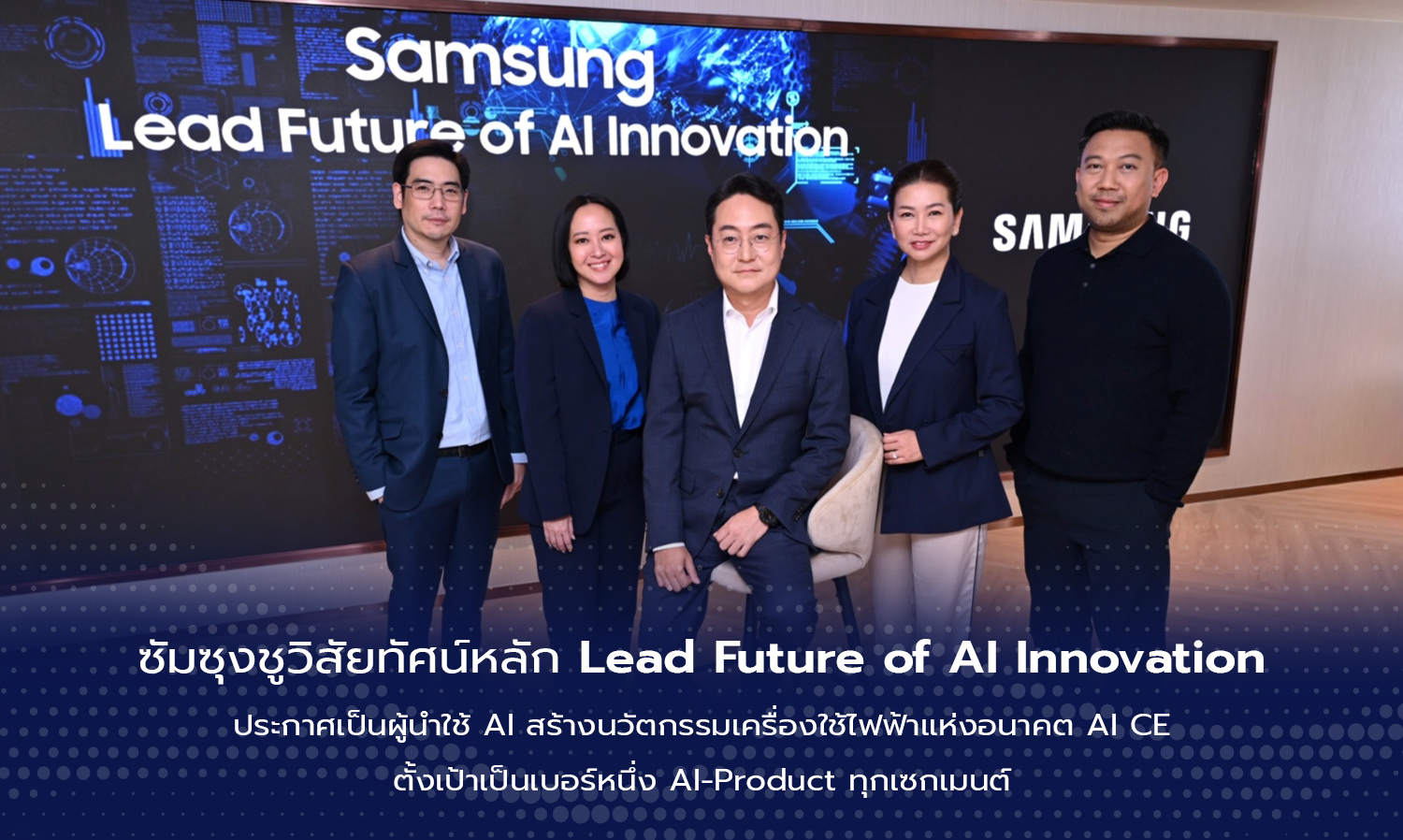
Samsung Unveils Core Vision 'Lead Future of AI Innovation' as a Leader in AI-Driven Home Appliance Innovation, Aiming to be Number One in AI Products Across All Segments
Samsung has announced its vision “Lead Future of AI Innovation” for its business operations in Thailand, emphasizing the use of AI to unlock future experiences and innovations across all business sectors. The company has outlined its marketing strategy for home appliances using AI CE to provide a more secure, unified, and energy-efficient connected experience, aiming for success as the leader in AI-Product across all segments.
Samsung continues to make waves, starting the year with its first announcement on AI usage at CES 2024, leading to a new era with Galaxy AI, culminating in the 'Lead Future of AI Innovation' event for Samsung's home appliance division. Se-yoon Kim, President of Thai Samsung Electronics Co., Ltd. revealed that “Samsung believes in the potential of AI to unlock experiences, opportunities, and new innovations for everyone. AI is not new to Samsung, as the company has been integrating smart connectivity into its devices for nearly a decade. Our primary focus has always been on using AI to enhance user experiences comprehensively across all channels, aligning with significant growth trends in smart home application usage, with 3.2 million downloads of SmartThings in Thailand.”
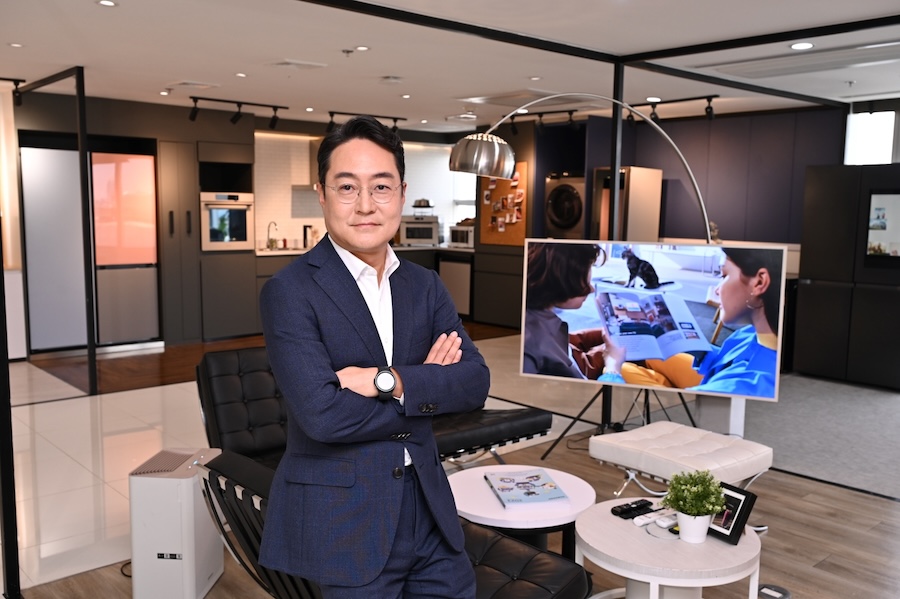
Se-yoon Kim, President of Thai Samsung Electronics Co., Ltd.
AI is not the future; it is the present. The capabilities of AI are shaking up every industry. Phannawalay Intharapichet, Director of Corporate Marketing added, “35% of consumers in Thailand are likely to use AI in both personal and work life. 86% of Thai consumers say AI has transformed their shopping experience, and 99% of Thai workers have used Generative AI to enhance their work efficiency. Thai people are open to new technologies and have the most positive attitude towards AI in Southeast Asia and Oceania, with 80% believing AI can improve work efficiency, 75% saying AI provides personalized experiences, and 51% showing interest in smart home applications.”
Lead Future of AI Innovation
Today, Samsung, as a global leader in technology and innovation, leverages its expertise to drive AI development, reinforcing its number one position across all business sectors, from applications to AI chips that play a crucial role in the smart technology revolution. With billions of partner devices worldwide and increased connectivity through the SmartThings platform and various Samsung services, it can be said that Samsung is creating a future where AI drives reality across all business sectors. Samsung's AI development focuses on what matters most to people in their daily lives. In addition to being a leader, Samsung is also fostering open collaborations with over 400 leading industry partners both domestically and globally to create practical AI applications for everyone.
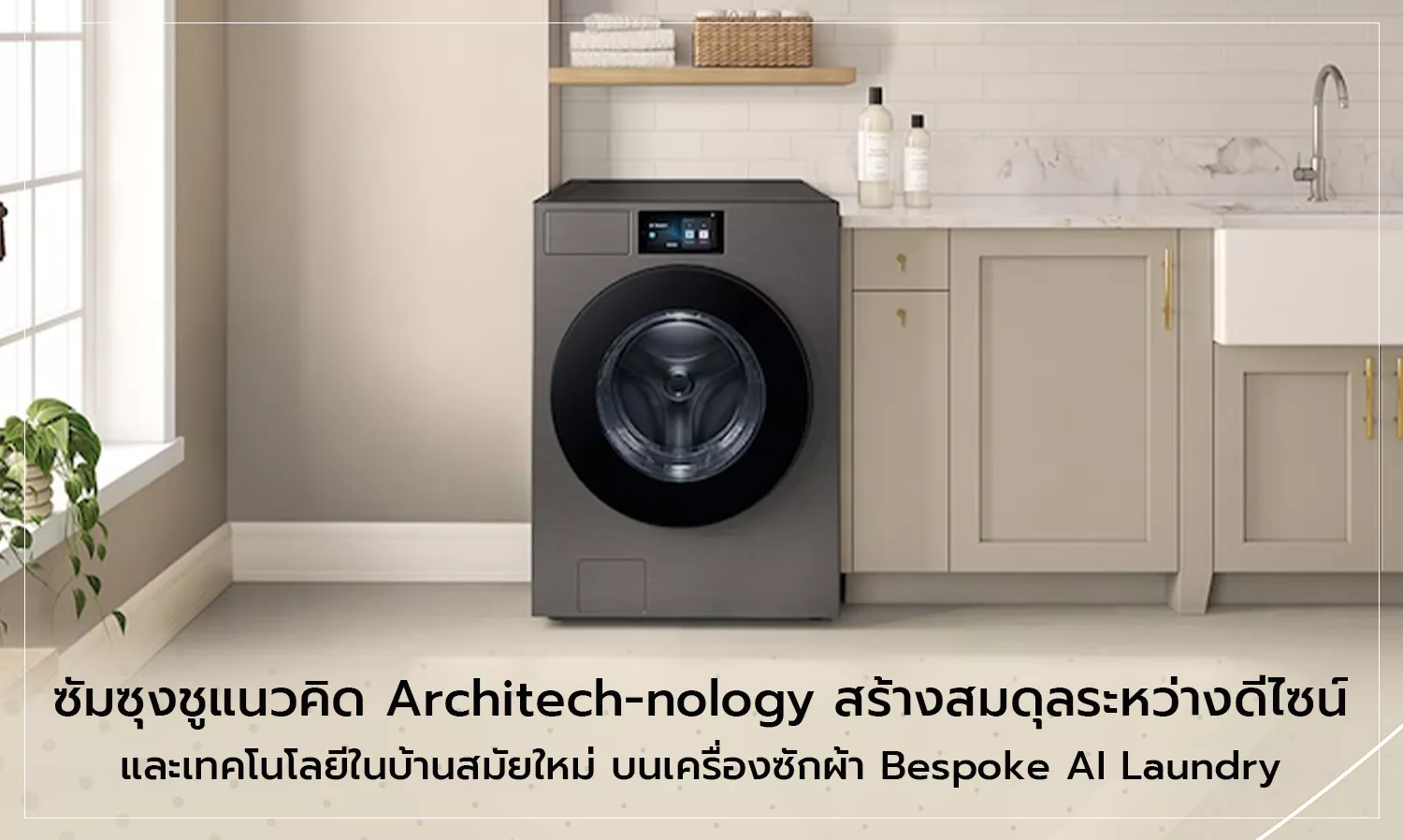
For home appliances, Samsung has integrated AI innovation into products, including displays (AI Screen), air conditioners (AI Cooling), refrigerators (AI Family Hub), washing machines (AI Wash), and vacuum cleaners (AI-Powered Cleaning).
Maintaining the Position of No.1 in Large Screen and Premium TVs
In the past year, premium TVs in Thailand have seen continuous growth, and consumers have responded positively to large screen TVs. Samsung continues to lead as the number one brand in the large screen TV segment (75 inches and above) and premium TVs. Globally, Samsung has maintained its record as the number one TV manufacturer for 18 consecutive years, a feat never achieved before, and Samsung soundbars have ranked among the top ten in global sales for ten consecutive years.
Samsung integrates AI into display products at the hardware level, focusing on comprehensive development in quality, accessibility, and safety to usher in the era of AI TVs. In 2024, Samsung will launch many new TV models to upgrade existing TVs, led by Neo QLED 8K for AI TVs, making them more accessible, personalized, and user-friendly. AI TVs will elevate the entertainment experience to unprecedented levels.
Aiming to Transform Consumer Behavior into an AI Home with AI Home Appliances
Home appliances are essential in daily life. Consumers often perceive AI Home as merely turning appliances on and off. However, AI will create an easily controllable home experience with connectivity from anywhere and on any device. AI will transform kitchen experiences, helping homemakers who may struggle with laundry care and preparing the best recipes for special occasions. Samsung aims to increase the share of AI-Products to 50%, transforming Thai homes into AI Homes within three years, offering a full lineup and features with AI for Thai people to access innovations and improve their lives.
Reinforcing Leadership in AirCare Solutions — Air Conditioners Must Be More Than Just Cool
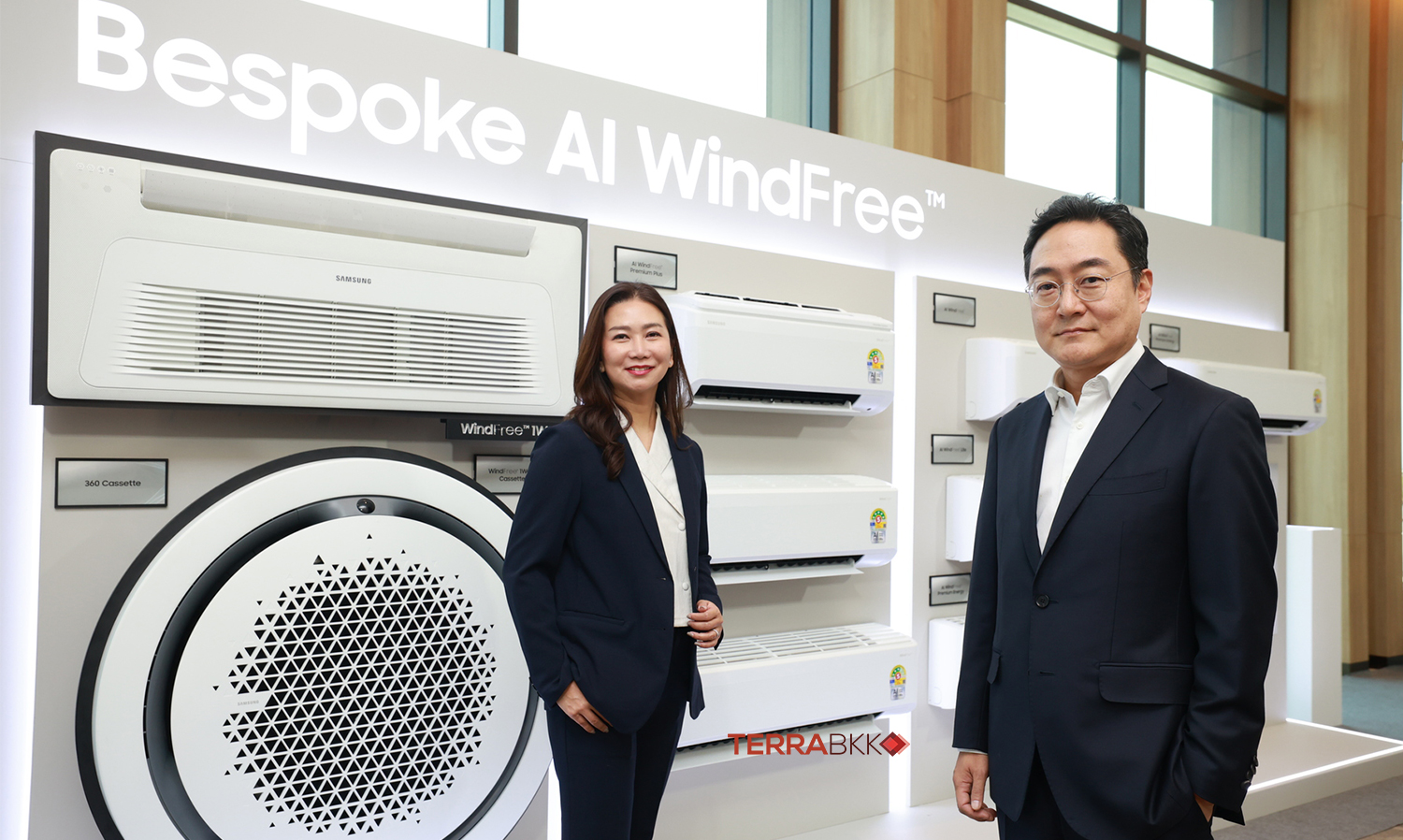
Consumers seek comprehensive air conditioning solutions. Samsung is a leader in AirCare with its One & Only Technology, excelling in WindFree™, AI Energy Mode, and SmartThings, addressing consumer pain points comprehensively. In addition to AI in household air conditioners, Samsung is expanding AI integration into the commercial air conditioning industry with its innovative DVM S2 model. The advanced AI can detect building weather conditions to optimize cooling and heating efficiency, maintain appropriate pressure, and detect refrigerant leaks in real-time, providing immediate alerts. With AI, energy savings can reach up to 15%.
Integrating Smart Connectivity on SmartThings
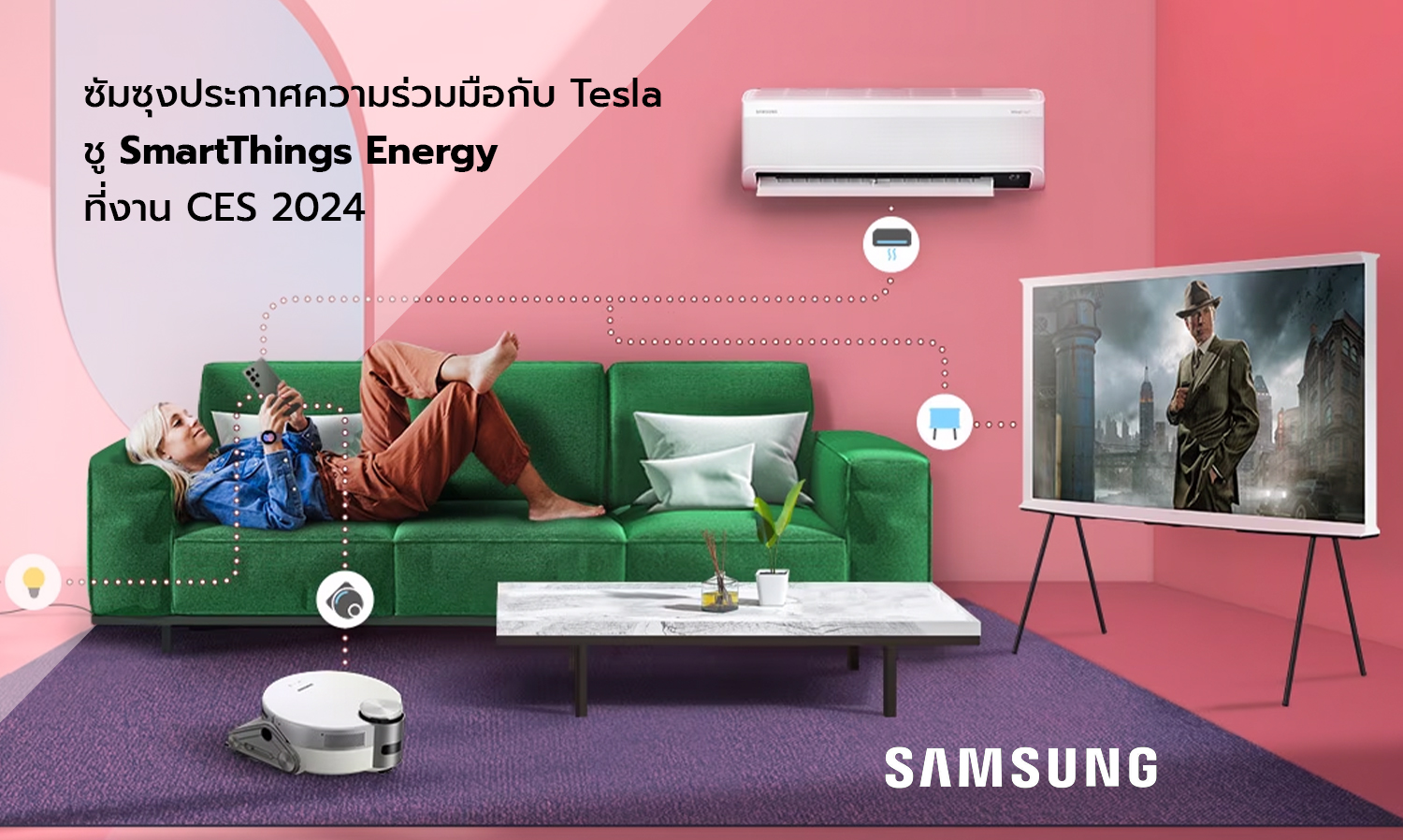
AI-enabled appliances not only allow for smarter home management but also connect seamlessly within the SmartThings ecosystem, enabling convenient control and more efficient energy management. Integrating AI capabilities into Samsung products is like having a personalized family assistant.
“For the home appliance business in 2024, Samsung aims to elevate the quality of life for Thai people through AI technology, with over 70% of home appliances integrating AI functionality. We will continue our commitment to innovation alongside environmental care and efficient energy management, with the AI Energy Mode innovation helping consumers manage electricity sustainably, reducing environmental impact and preserving the planet. This can cut electricity costs by up to 70% for washing machines, 25% for TVs, 20% for air conditioners, and 7% for refrigerators,” Se-yoon Kim concluded.