FutureTales Lab by MQDC and Nebula Share Ideas for Sustainable Urban Development
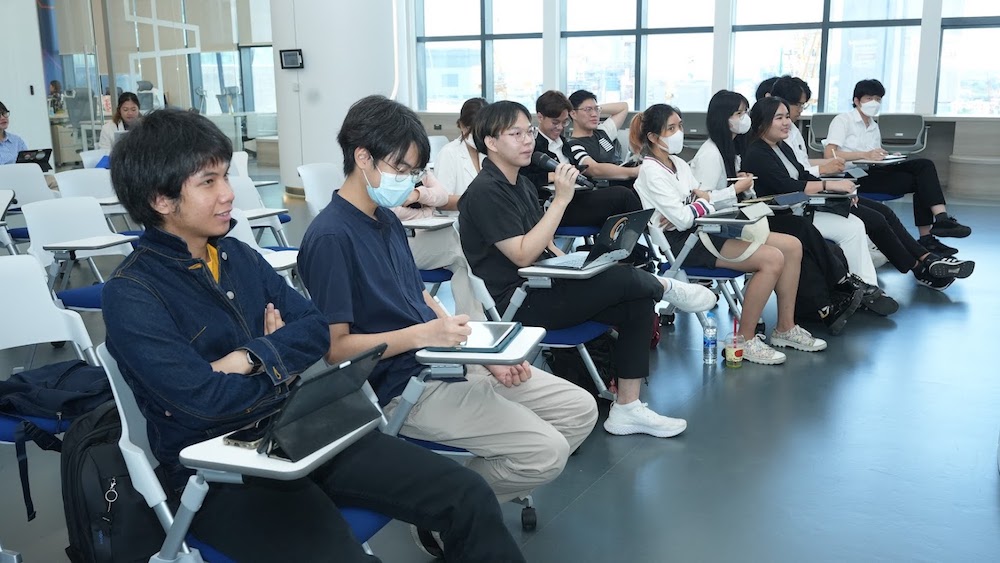
FutureTales Lab by MQDC and Nebula Corporation, in collaboration with the Bangkok Metropolitan Administration (BMA), the Ford Learning Center for Community and Environment (FREC Bangkok), and the Urban Studies Lab (USL), organized an educational event on future urban development for participants of the hackathon aimed at brainstorming ideas for the development of Bangkok.
Dr. Kande Liowphairoj, Chief Futurist and Digital Asset Officer of Magnolia Quality Development Corporation Limited (MQDC) stated that the Bangkok Metropolitan Administration, in partnership with FREC Bangkok and USL, organized a hackathon to invite interested individuals to participate in finding and creating new ideas for the development of Bangkok under the name “BMA x FREC Hackathon” from June 29 to July 1, 2023. They invited the FutureTales Lab and Nebula Corporation, experts in innovation and urban development, to conduct knowledge-sharing activities to provide new perspectives and help participating teams present their projects more effectively and comprehensively.
“Under this collaboration, the FutureTales Lab and Nebula Corporation organized a Knowledge Sharing event to provide participants with information on various aspects of urban development, including learning about Foresight analysis of Bangkok's future from expert teams. Participants also viewed ‘Bangkok Next Tales’, an intelligent system simulating various future scenarios for Bangkok, such as green space, traffic conditions, and extreme situations like flooding, as well as ‘Future of Living’, which depicts the future of human living in terms of housing, transportation, and urban forms. We hope this activity will enhance the knowledge and skills of competitors to design the dream city for everyone,” Dr. Kande said.

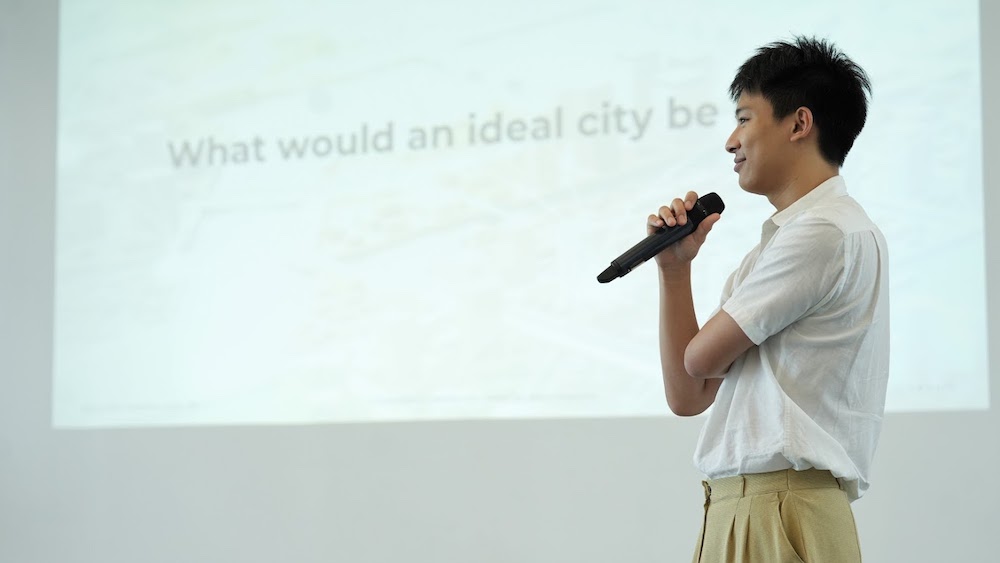
Ms. Sunatta Pongjaroen, Director of Future Foresight Research at FutureTales Lab by MQDC, discussed the main mission of the research center, focusing on research to forecast future possibilities, designing tools and databases (Data Platform) to help prevent and mitigate potential future issues, as well as collaborating with government, private sectors, and interested citizens both domestically and internationally to research, analyze, and disseminate future studies.
“The Foresight process involves analyzing the future based on current data using the STEEPV principles – Social, Technological, Economical, Environmental, Political, Values – to observe trends and how changes under these factors will impact the future, identifying signals that may develop into trends to seek opportunities and challenges that may arise in various dimensions, allowing us to respond promptly,” she added.
Additionally, Ms. Sunatta also shared research findings on ‘Future of Urbanization, which looks at the future of Bangkok in the next 30 years from various perspectives, including living conditions, transportation, public utilities, and biodiversity. This will serve as a guide for stakeholders in planning urban development that meets the needs of residents, addresses existing problems, and promotes a city where residents are happy and have a good quality of life.
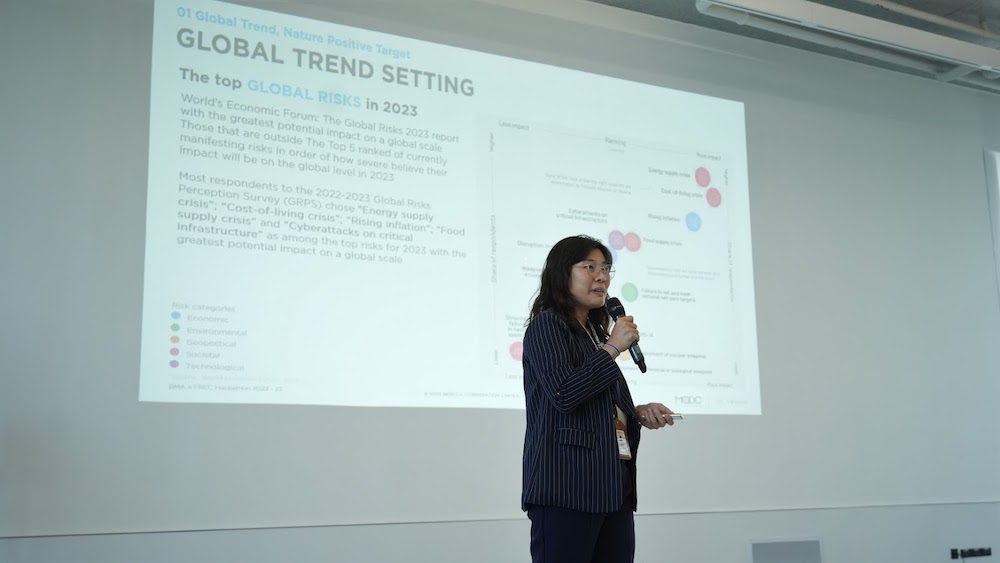
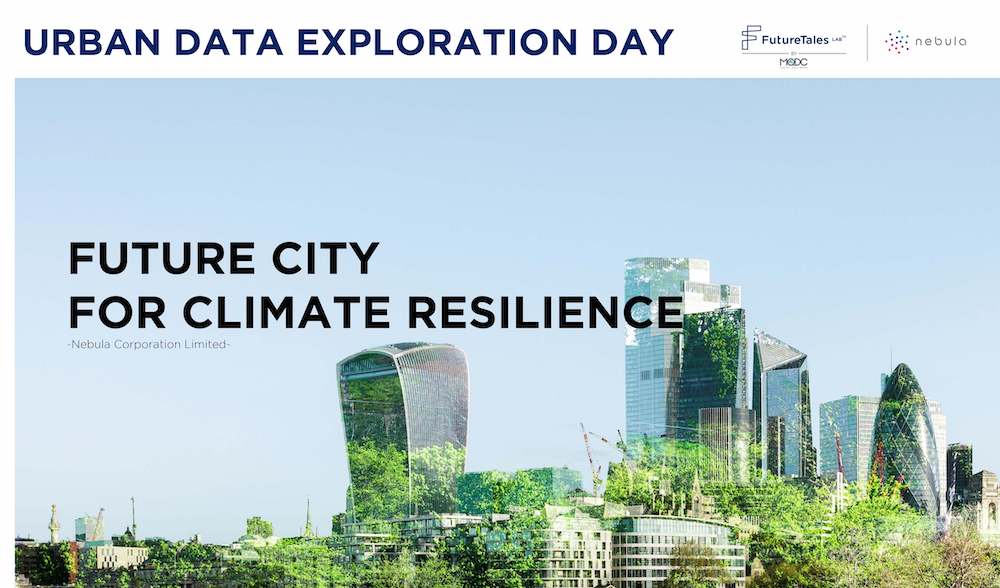
In the same event, Dr. Napasinee Seubsuk, Assistant Director of Urban Innovation at Nebula Corporation, pointed out that the future city model must be a ‘Future City for Climate Resilience’, or a city that is resilient to climate change and can adapt to changing climatic conditions. Given the rapid changes in the environment and climate today, such as increasing carbon usage, heat, and dust, it is essential to design cities that allow people to live comfortably and safely in changing environments.
To develop into a better city, it must address four key areas: Environmental, Harmony Living (the harmonious coexistence of humans and other life forms), Health & Wellness, and Economic Stability.
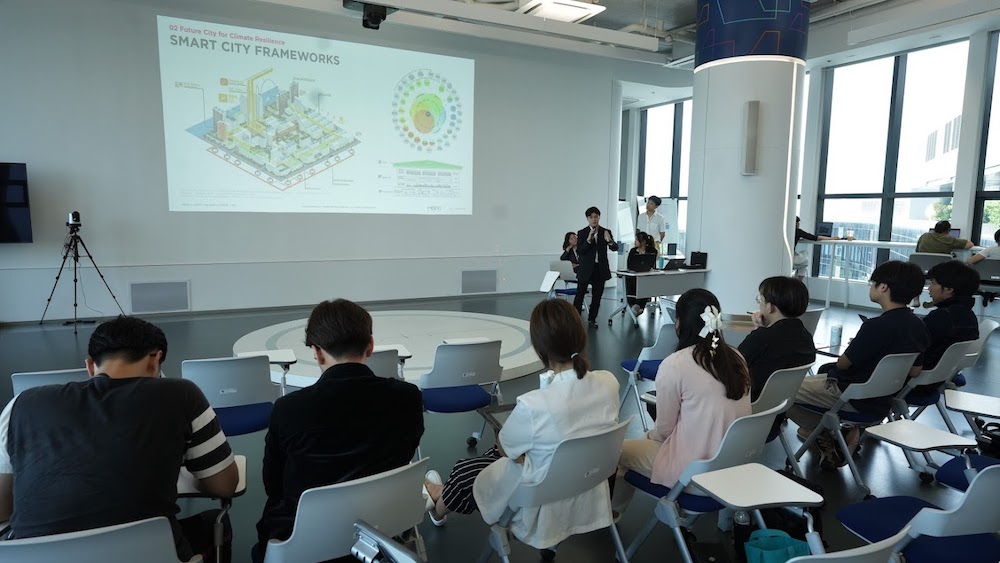
Mr. Phutichat Lertudompruksa, Senior Manager of Urban Innovation and Ms. Papapint Pholyeam, Urban Innovation Manager at Nebula Corporation stated that “Future City for Climate Resilience” is one of Nebula's missions to innovate and develop cities that focus on driving urban growth while caring for our planet, aiming to create a Resilient & Regenerative City, a city that can sustainably sustain itself, such as the development of Taipei into a city of activities and tourism.