Excise Department Promotes 'Ethanol' Use in Bio Plastic Industry to Reduce Carbon Emissions and Absorb Greenhouse Gases by 15 Million Tons/Year
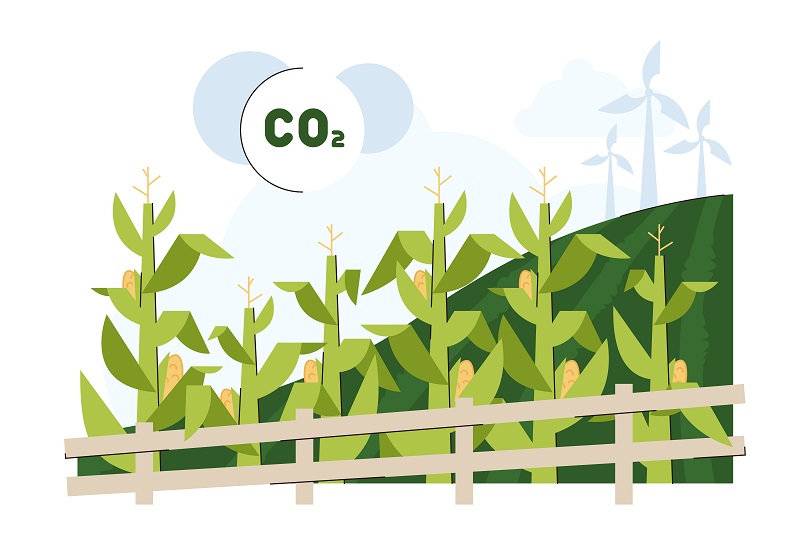
Thailand produces approximately 5 million tons of plastic from petroleum-based raw materials annually for domestic use and export. If the raw materials are switched to ethanol derived from plants such as sugarcane or cassava, which are bio-based materials, it would help reduce greenhouse gas emissions. The process of growing plants for ethanol production has a low carbon footprint and can absorb around 15 million tons of greenhouse gases per year.
The production of 5 million tons of bio-plastic will support the demand for over 10 billion liters of ethanol per year, allowing industry operators to avoid the need to change their machinery. Additionally, it will encourage farmers and ethanol producers to invest in developing quality to meet international standards.
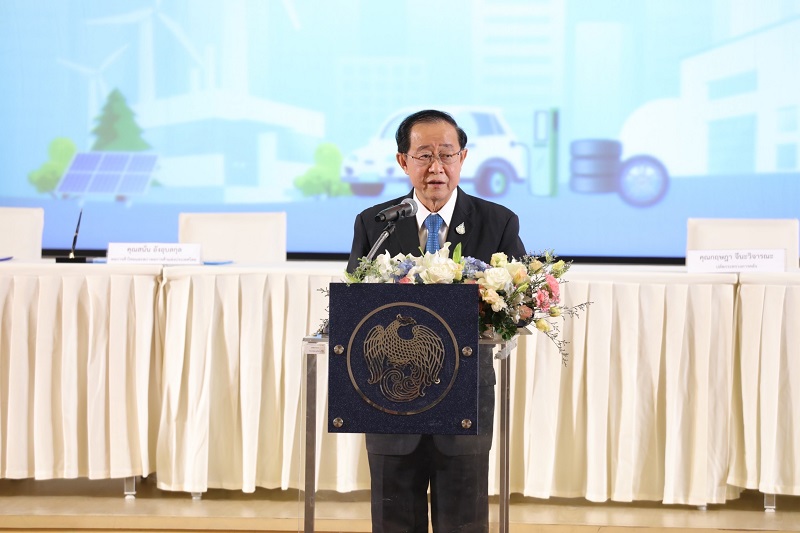
Mr. Arkhom Termpittayapaisith, Minister of Finance, stated that the Cabinet has acknowledged the approach to promote ethanol use in industries beyond biofuels and liquor production. This is part of the strategy to drive national development through the BCG economic model, supporting the goal of carbon neutrality by 2050 and net-zero greenhouse gas emissions by 2065.
Mr. Ekniti Nitithanprapas, Director-General of the Excise Department, mentioned that the Excise Department and the Customs Department will support the use of ethanol in bio-plastic production by requiring that domestic-produced ethanol be used first. The main approach for utilizing ethanol in the bio-plastic industry will focus on establishing production standards for domestic ethanol, with the Office of the National Policy Council for Higher Education, Science, Research, and Innovation as the primary agency collaborating with domestic experts, ethanol producers, and ethanol users.
Meanwhile, the Ministry of Finance will appoint a committee to review the domestic ethanol production volume in advance each year. Additionally, the Ministry of Finance, through the Excise Department and the Customs Department, will consider implementing tax measures to support the use of ethanol in bio-plastic production and will support the development of farmers' and domestic ethanol producers' capabilities to sell ethanol at competitive prices compared to imported ethanol.
However, it is expected that there will initially be a demand for about 450 million liters of ethanol per year to boost confidence among farmers and ethanol producers in investing.