LWS States Nearly 200 Condominiums Must Be Designed According to Energy-Efficient Building Standards Effective in 2023
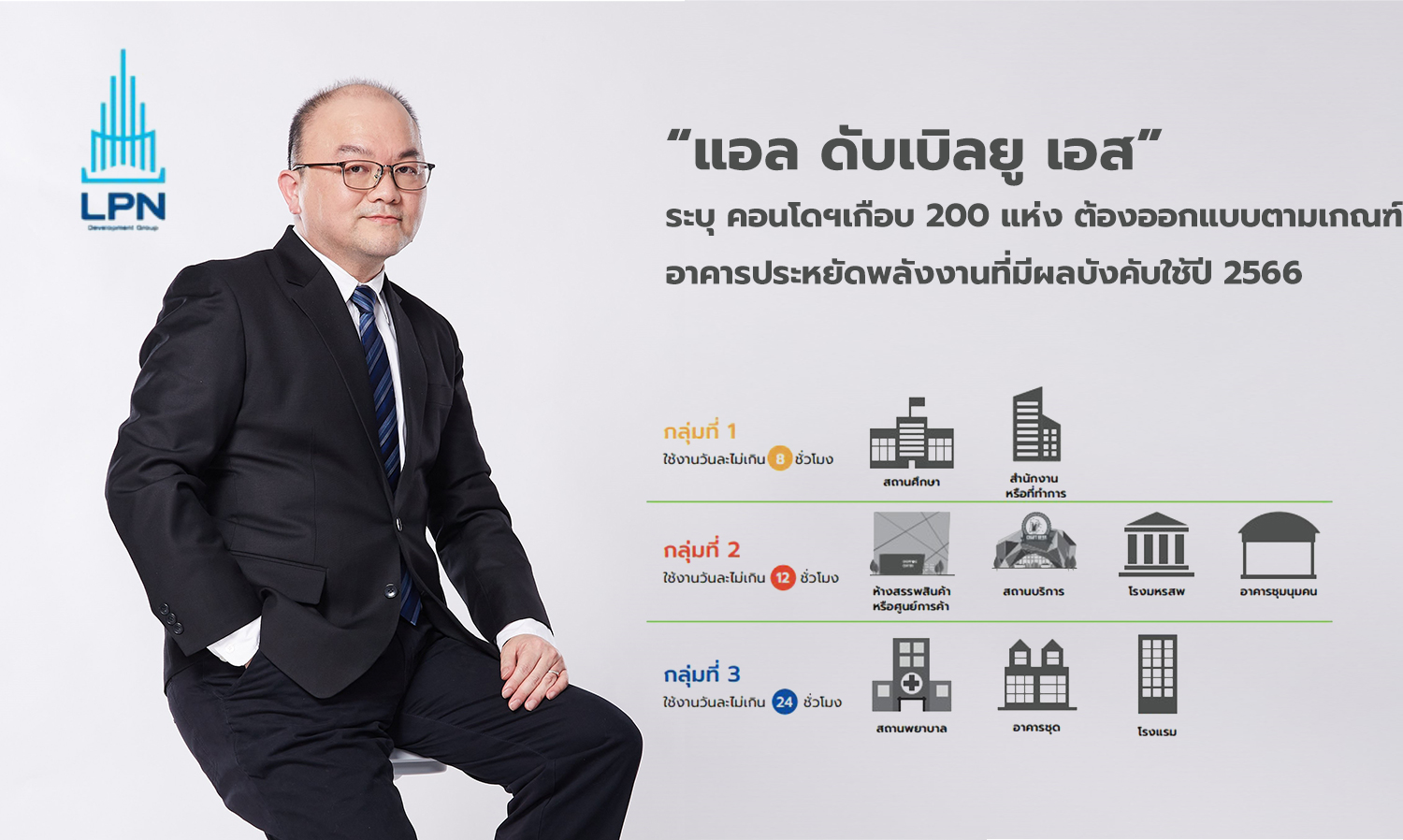
“LWS” indicates that nearly 200 condominiums in the Bangkok metropolitan area must be designed according to the energy-efficient building standards that came into effect on March 13, 2023. This will result in a 5% increase in construction costs but can save energy costs by at least 10% per year, with a payback period of 3.5 years.

Mr. Prabhan Sak Raksaiwan, Managing Director of LWS Wisdom and Solutions Co., Ltd. (LWS), a research and consulting firm in real estate under the LP-N Development Public Company Limited, stated that the current situation in Thailand shows an increase in electricity consumption across the public sector, businesses, industries, and residences, which impacts the environment due to electricity production processes. Consequently, the Ministry of Energy, through the Department of Alternative Energy Development and Efficiency (DEDE) and related agencies, has issued ministerial regulations defining the types and sizes of buildings and design methods for energy conservation in 2020. This regulation was published in the Royal Gazette on November 12, 2020, and further announcements were made in 2021, applying to new buildings or modifications that must comply with legal requirements, starting with public buildings since 2011 and becoming effective for private sector construction on March 13, 2023.
According to the ministerial regulation, Mr. Prabhan explained that it is a standard known as the “Building Energy Code (BEC)” that applies to nine types of buildings with a total area of 2,000 square meters or more. The essence of the energy conservation design standards includes six systems: building envelope (OTTV, RTTV), lighting system (LPD), air conditioning system, hot water production equipment, overall energy use of the building, and renewable energy use, categorizing buildings into three groups based on daily usage duration. These three groups encompass a total of nine building types, namely:
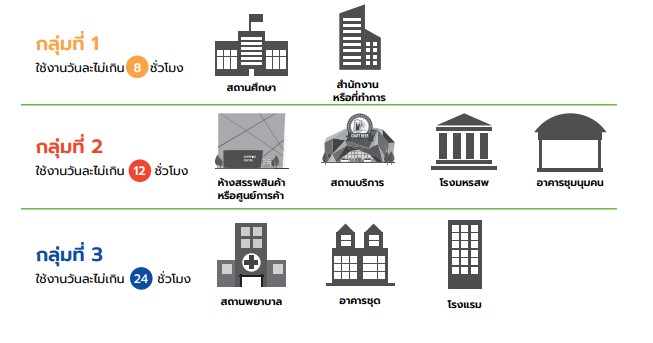
Group 1 - Used for no more than 8 hours a day, including educational institutions, offices, or workplaces.
Group 2 - Used for no more than 12 hours a day, including shopping malls or centers, service establishments, theaters, and assembly buildings.
Group 3 - Used for no more than 24 hours a day, including hospitals, residential buildings, and hotels.
The assessment criteria will utilize the Building Energy Code (BEC) program, which is designed as a tool for calculating energy conservation values that must meet the standards. This can be done in two ways: by passing all six systems or by evaluating the overall energy use of the building. The guidelines for energy conservation assessment, detailed documents, and important news can be downloaded at https://2e-building.dede.go.th/.
After the BEC standards came into effect for the private sector on March 13, 2023, “LWS” surveyed condominium data that must apply for construction or modification permits according to BEC standards in 2023, totaling 168 buildings. These are condominiums currently under construction, with 76 projects expected to be completed in 2023, valued at 94,224 million baht, and 92 new projects launched in 2022 that will begin construction in 2023, valued at 135,297 million baht.
Meanwhile, the Department of Alternative Energy Development and Efficiency reported that there are currently 4,782 buildings that have passed the BEC criteria, divided into buildings with usable areas of less than 2,000 square meters (1,780 buildings), those with areas of 2,001-5,000 square meters (1,360 buildings), those with areas of 5,001-10,000 square meters (785 buildings), those with areas of 10,001-20,000 square meters (190 buildings), and projects larger than 20,001 square meters (667 buildings). Residential buildings account for 53% of all buildings, followed by office buildings at 13% and mixed-use buildings at 8%.
According to the report from the Department of Alternative Energy Development and Efficiency, buildings constructed under the BEC standards will have a 5% increase in construction costs compared to typical buildings. At the same time, buildings built according to BEC standards can save energy by at least 10% compared to typical buildings. Studies show that new buildings (3,300 buildings per year) consist of 3,000 private sector buildings and 300 public sector buildings under BEC standards, which can reduce electricity consumption by 1,400 million units per year, equating to savings of approximately 5,000 million baht annually. Considering the increased construction costs under BEC standards, the payback period for the increased costs will be within 42 months or 3 years and 6 months.
“The study indicates that buildings designed and constructed according to BEC standards, despite the increased construction costs, have a quicker payback period and can save energy in the long term, especially in the current environment where energy prices are volatile and continuously rising,” said Mr. Prabhan.
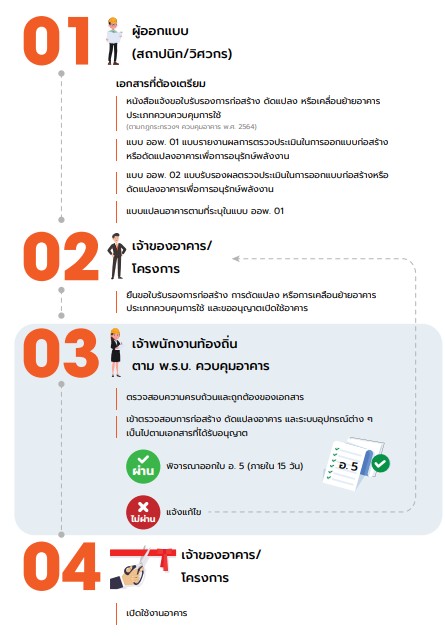
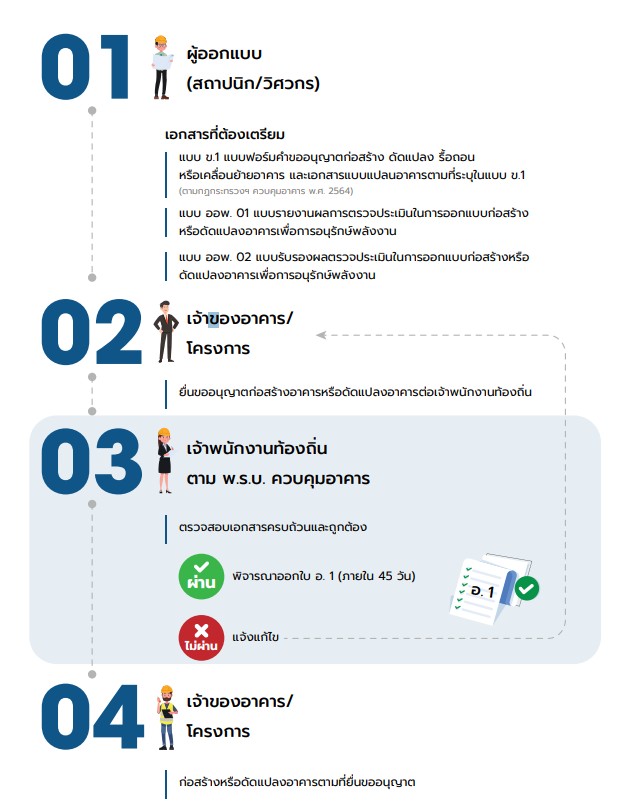
The BEC standards not only apply to new buildings that apply for permits after March 13, 2023, but also to buildings under construction that will be completed after this date. According to these criteria, buildings must be inspected to ensure compliance with BEC standards within 15 working days. If the building and its systems do not pass inspection by local officials, they have the authority to order corrections to meet the specified standards before the building can be opened for use.
“Given the BEC standards and criteria, real estate developers of commercial buildings, office buildings, and condominiums must prioritize and seek advice from licensed energy conservation and environmental consultants to ensure that building designs and improvements comply with the established standards. This is part of the expertise that LWS offers, as we have a team licensed to provide advice and prepare for changes in the construction permit application process and energy conservation modifications using the BEC assessment program, to provide the best services and information to project owners, construction operators, and real estate developers,” Mr. Prabhan stated.