MQDC Announces Significant Mission: 'Nature Positive & Carbon Negative 2050' - Creating Positive Impact on Nature and Achieving Net Negative Carbon Emissions
MQDC (Magnolia Quality Development Corporation Limited) <\/span>is a leading international real estate development company <\/span>that has announced a significant mission aimed at achieving the goal of 'creating positive impacts on nature and achieving net negative carbon emissions by 2050 (Nature Positive & Carbon Negative 2050)' <\/span>This marks an important advancement beyond its previous mission of developing projects and innovations to enhance the quality of life for all beings, positioning itself as a key player in helping the world address the climate change crisis.<\/span><\/strong><\/p>
Mr. Wisit Malaisirirat, CEO of MQDC,<\/span><\/strong> stated that as a leading real estate developer focused on enhancing the well-being of all lives, or 'For All Well-Being', which includes not only residents but also society and the overall environment throughout its 30 years of operation, the company recognizes the increasingly severe impacts of climate change on the lives of all beings, as well as the issue of biodiversity loss. Therefore, MQDC is committed to being part of the solution to the world's crisis by announcing a new mission to coexist sustainably with natural resources, creating positive impacts on nature and reducing net carbon dioxide emissions to negative levels, or Nature Positive & Carbon Negative by 2050.<\/span><\/p>
“Through MQDC's dedication to research and innovation, we aim to achieve our core mission of creating sustainable well-being for all beings, or 'For All Well-Being'. We recognize that biodiversity loss and global warming are critical issues affecting the well-being of the entire planet. Therefore, we believe we can leverage our past innovations and ongoing research to contribute tangibly to solving the world's environmental crisis,” said Mr. Wisit.<\/span><\/p>
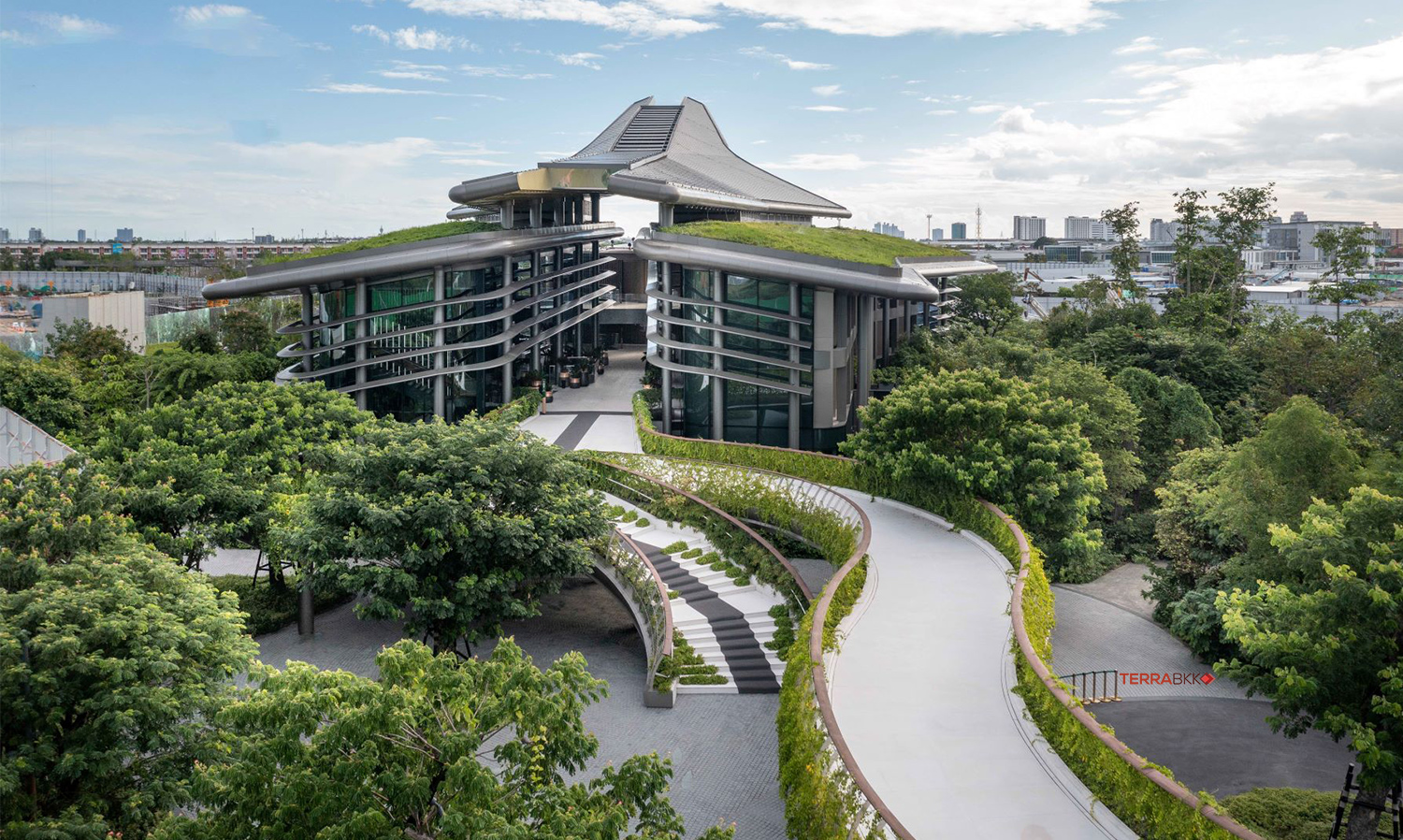
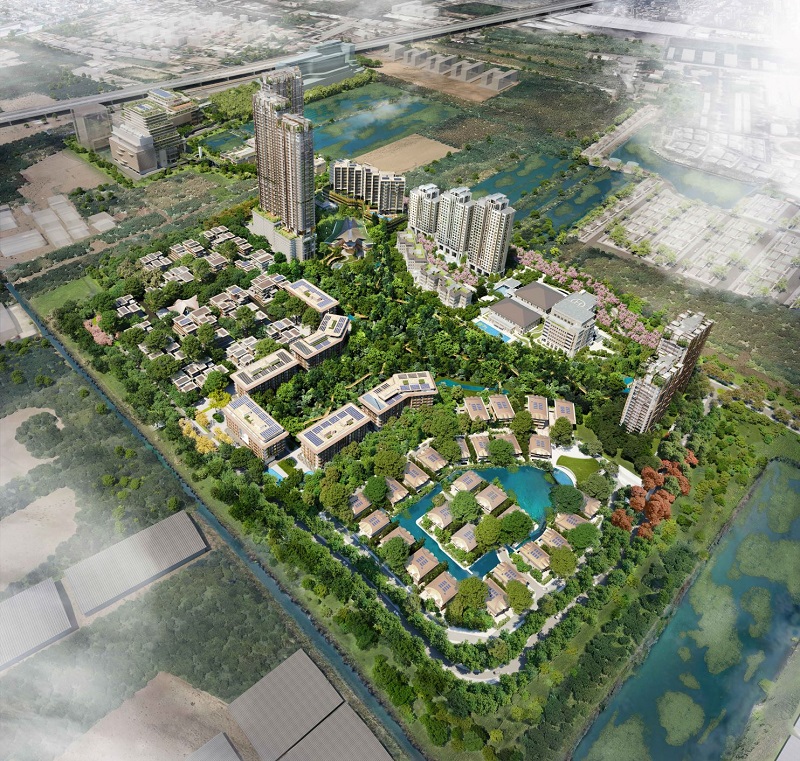
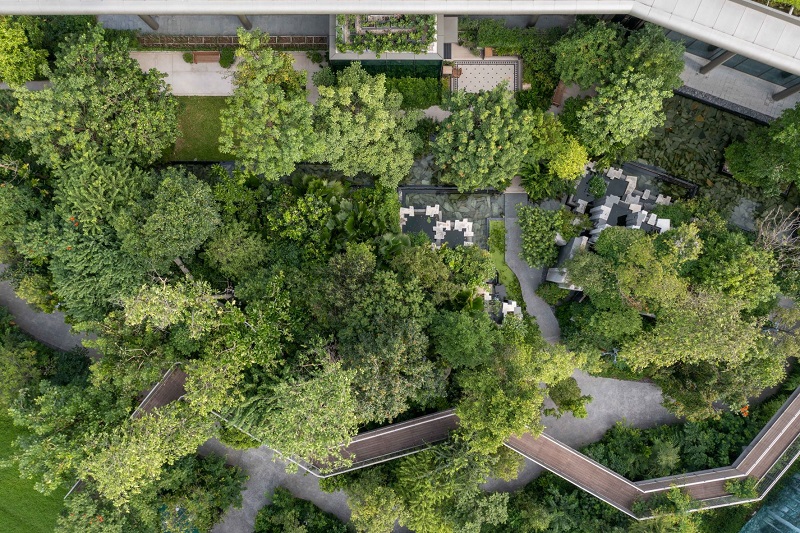
MQDC's completed and ongoing projects have incorporated various sustainability innovations, or Sustainnovation, as a core aspect of their construction. A notable project that exemplifies this approach is The Forestias, which features a large forest area and is based on intensive research to promote the local ecosystem and biodiversity. Additionally, the 101 True Digital Park project continuously supports activities to reduce carbon dioxide emissions and has been certified for reducing CO2 emissions by 576.449 tons, equivalent to 60,678.84 trees, within 30 months.<\/span><\/p>
To successfully achieve this mission, <\/span>the RISC by MQDC Research Center, one of six research and innovation centers within MQDC, will play a central role in strategic planning and innovation development to support the mission's success.<\/span><\/strong><\/p>
Associate Professor Dr. Sing Intarachuto, Head of the Advisory Committee at the RISC by MQDC,<\/span><\/strong> which is a key agency in advancing the Nature Positive & Carbon Negative 2050 mission, stated that this mission represents a significant challenge for MQDC. As seen, countries around the world have set a collective goal to achieve net-zero greenhouse gas emissions by 2050, but MQDC aims for a net negative level in the same year. MQDC has chosen to pursue this highly challenging mission because the world is in a crisis that requires urgent cooperation from all sectors to address these issues. Additionally, tackling environmental challenges is a core mission of RISC by MQDC, which is dedicated to conducting research to enhance the organization's capacity to operate with a focus on the environment and the well-being of all beings.<\/span><\/p>
Associate Professor Dr. Sing expressed confidence that RISC by MQDC will be able to advance towards this grand mission as planned, utilizing strategies under the 'Life Cycle Thinking' concept and employing 'Life Cycle Assessment'. Currently, MQDC is in the process of gathering data to establish the carbon footprint of MQDC and all companies under the DTGO Corporation group, which is the parent company of MQDC, covering both direct and indirect greenhouse gas emissions across all categories.<\/span><\/p>
This strategy will be implemented continuously, with short, medium, and long-term goals leading up to 2050 to achieve the Nature Positive & Carbon Negative 2050 target. MQDC has planned to operate according to the following strategies:<\/span><\/strong> Net Zero Energy Ready Building: Creating energy-efficient and energy-saving buildings <\/span><\/strong>aiming for zero energy consumption. MQDC has begun to incorporate global design standards for Smart & Energy Efficient Buildings into its energy-saving building designs while promoting quality of life, such as designing buildings to align with the environment to reduce energy use (Passive design), implementing fresh air ventilation systems with heat exchange for the well-being of residents without burdening the air conditioning system, utilizing a District Cooling System, and central utility buildings (CUP), as well as enhancing the production and use of renewable energy in projects, installing solar panels to generate clean energy for projects, and providing EV chargers to facilitate and support the use of electric vehicles instead of combustion engine cars.<\/span><\/p>
Reduce Construction Impacts and Employ Circular Economy: Choosing materials that help reduce construction impacts and align with circular economy principles <\/span><\/strong>starting from the design phase to select more environmentally friendly materials, low-carbon materials, or materials with recycled content, such as green concrete or wood products. Proper design helps reduce construction waste and minimize waste generated during construction, including using modern construction technologies that have less environmental impact. The circular economy principle, which is a key measure under the BCG model (Bio-Circular-Green Economy), is applied to real estate business, including rethinking buildings as material banks (The Building as a Material Bank) where materials can be disassembled and reused in new buildings after their initial use, replacing the old notion that buildings must be demolished when no longer needed, generating massive waste.<\/span><\/p>
Nature-based Solutions and Enhance Biodiversity: To affirm its commitment to creating well-being for all lives, or 'For All Well-Being', <\/span><\/strong>MQDC aims to create green spaces that are more than just ornamental trees but also help absorb greenhouse gases from the atmosphere and provide fresh air for residents. This includes nature-based solutions that aim to create ecosystems where living beings can thrive, compensating for the loss of green spaces in urban areas by planting native species that require less fertilizer and water and are better adapted to local conditions than non-native plants.<\/span><\/p>
ClimateTech & Innovation: Investing in and researching modern technologies and innovations to help reduce greenhouse gases <\/span><\/strong>such as Direct Air Capture (DAC) innovations for capturing and storing carbon dioxide for industrial use, or carbon absorption materials to help reduce greenhouse gas levels in the atmosphere. The center has conducted research and developed practical innovations, as seen in The Forestias project, which serves as a model for creating forest areas alongside real estate projects, aiming to reduce carbon dioxide emissions through renewable energy use, high-efficiency energy systems, and a complete ecosystem within the forest area of the project, including the use of district cooling systems and central utility buildings (CUP).<\/span><\/p>
Additionally, <\/span>RISC by MQDC <\/span><\/strong>has established a Sustainability Framework standard to ensure that all MQDC projects and affiliated companies operate under this standard for sustainable project development.<\/span><\/p>
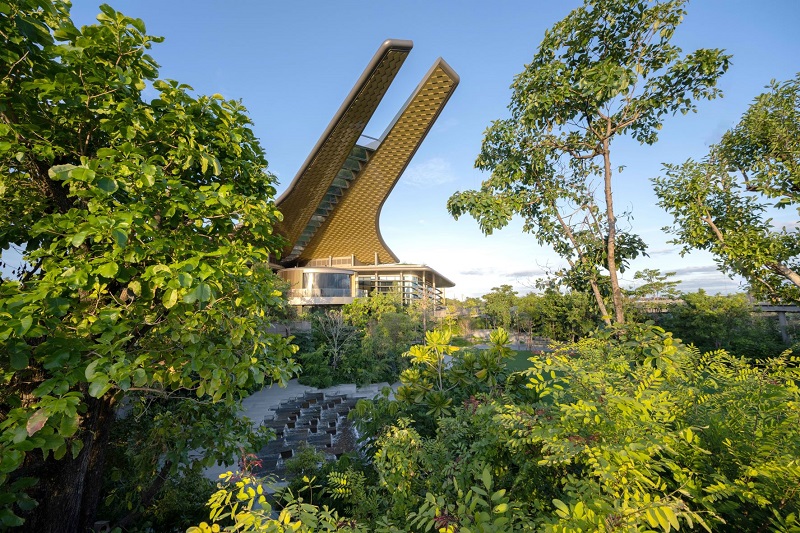
“It’s not just large projects like The Forestias, but also other projects such as Whizdom, Mulberry Grove, and future projects where we have integrated innovations to align with our mission. For example, district cooling systems, central utility buildings (CUP), green roofs for habitats for plants and insects, etc. All these designs utilize Sustainnovation principles to achieve the goal of creating well-being for all beings, or For All Well-Being, which we have consistently succeeded in,” <\/strong>said Associate Professor Dr. Sing.<\/span><\/p>
<\/span><\/p> 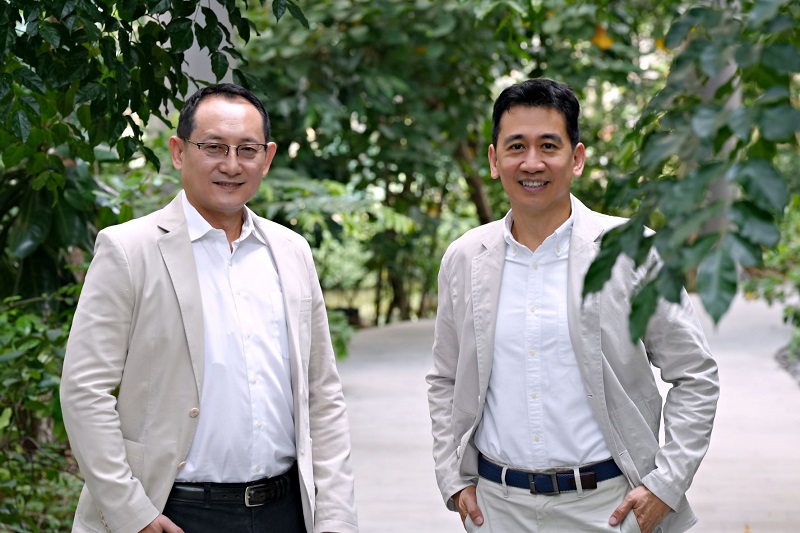 <\/p>
<\/p>
 <\/p>
<\/p>
 <\/p>
<\/p>
 <\/p>
<\/p>