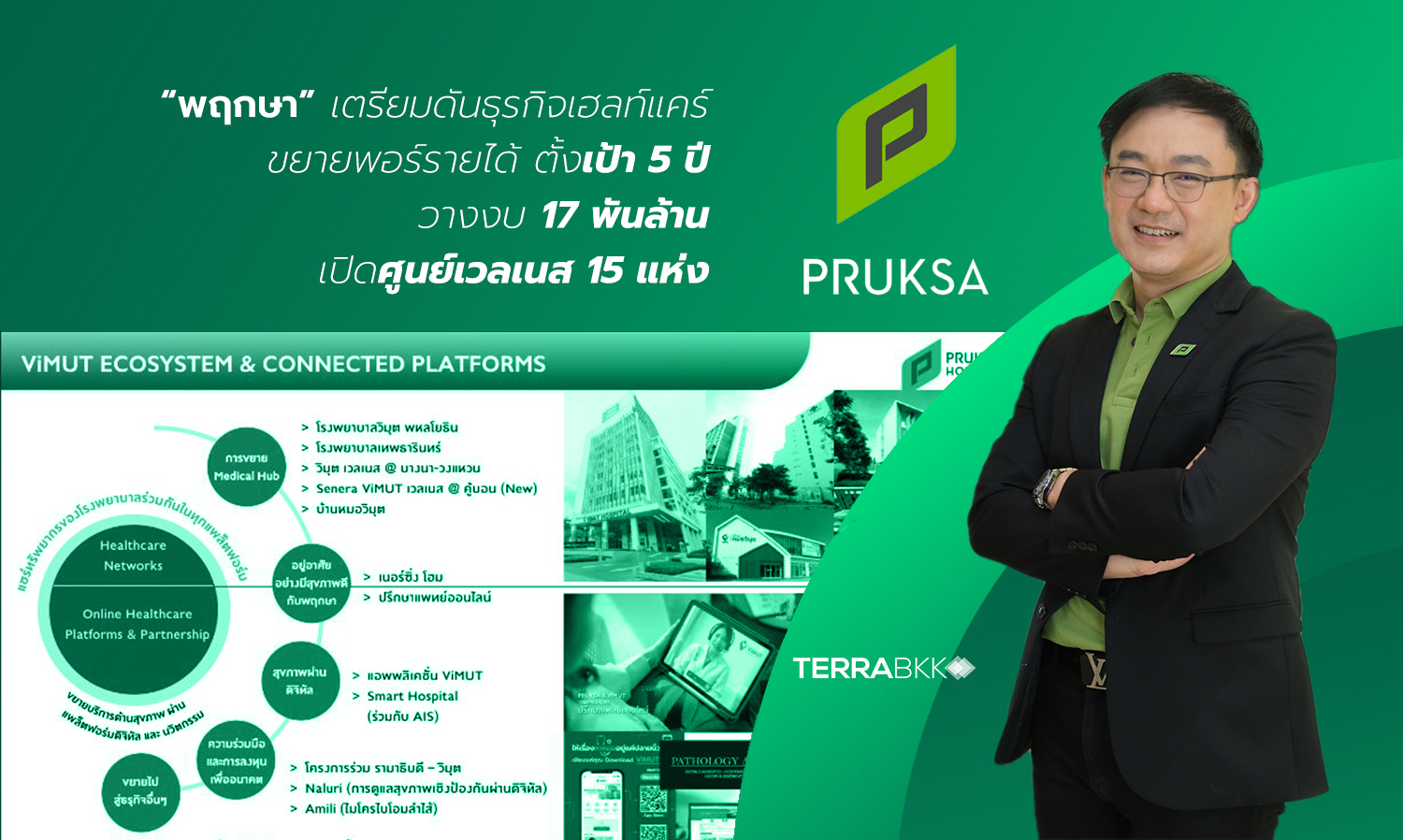
Pruksa Plans to Expand Healthcare Business, Targeting 5-Year Revenue Growth with a Budget of 17 Billion Baht to Open 15 Wellness Centers
Pruksa Holding has announced its 2022 performance with a revenue of 28.64 billion baht and a net profit of 2.77 billion baht, marking an 18% growth. Revenue from Vimut grew dramatically, increasing 4.7 times compared to 2021. For 2023, the real estate business plans to increase the proportion of projects in the mid to high segment, targeting more premium customers.

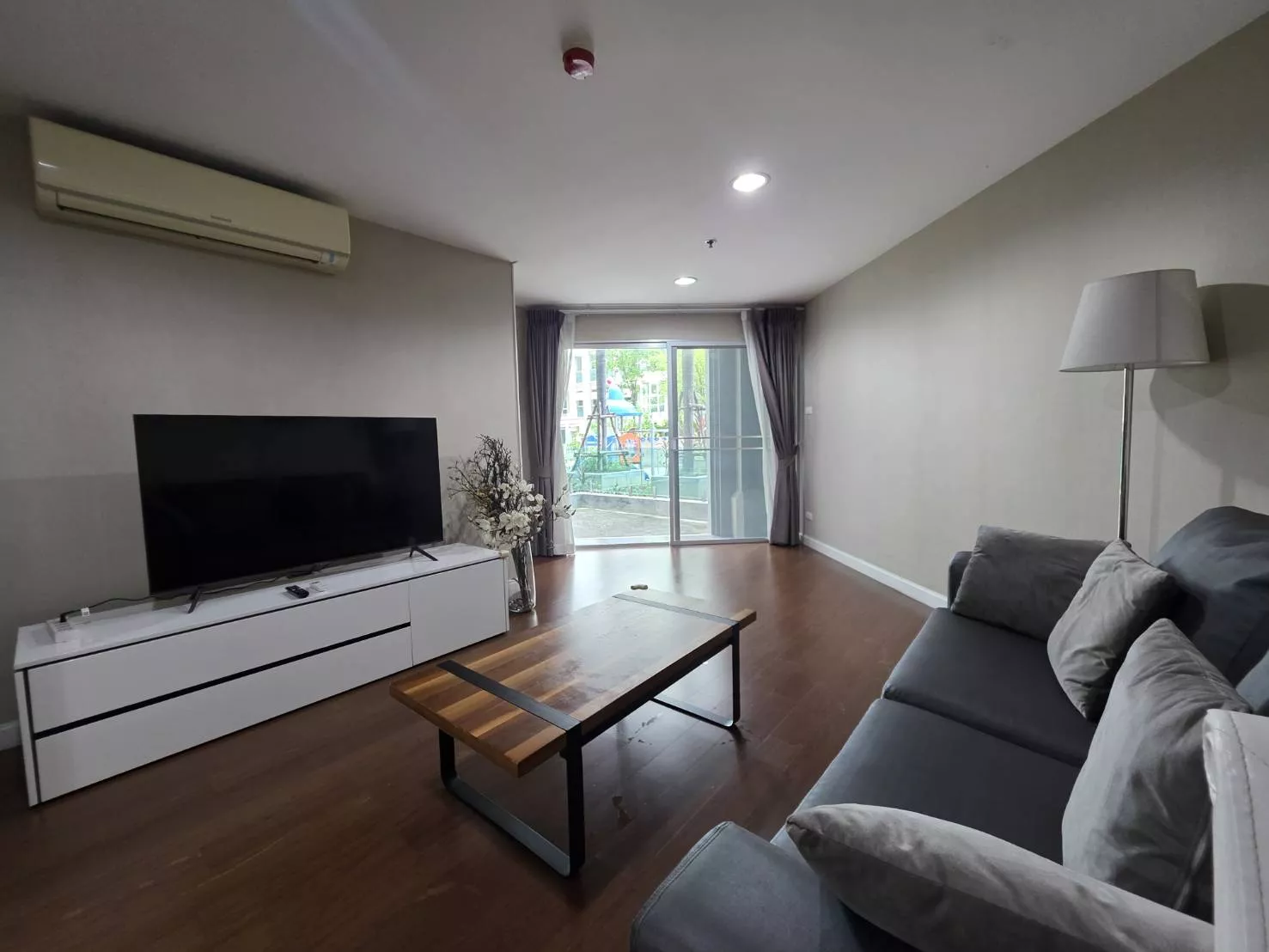
Mr. Uthen Lohachitpitak, CEO of Pruksa Holding Public Company Limited believes that the overall economy in 2023 is improving compared to last year, although the real estate sector still faces challenges. It is expected that the real estate market may grow by about 7% this year. Customers with monthly incomes between 50,000 to 150,000 baht remain a strong purchasing group, allowing homes priced between 5-15 million baht to continue to grow. For condominiums, this year is seen as a market for real demand customers who want ready-to-move-in condos, providing a good opportunity for developers to diversify their offerings.
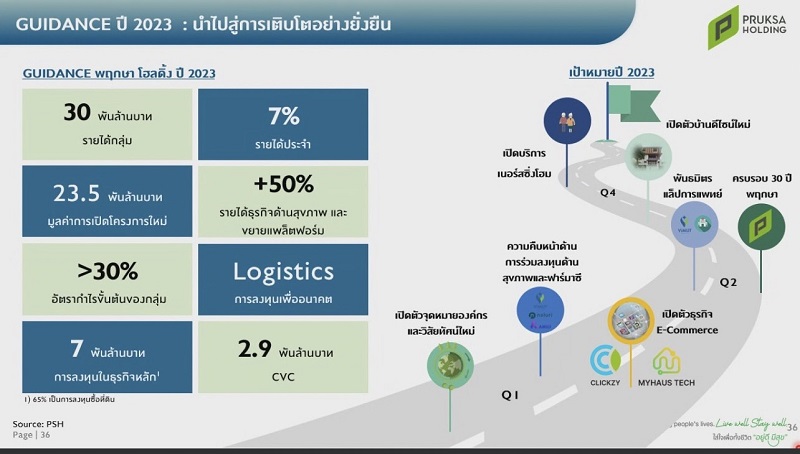
For 2023, total revenue is projected to be around 30 billion baht, a 5% increase compared to 2022, with 28 billion baht from real estate and about 2 billion baht from healthcare. This year, there are also plans to invest around 6 billion baht in new businesses, including logistics, restructuring the precast business expected to generate continuous revenue growth, and opening new health centers to cover all areas of the city.

Mr. Piya Prayong, CEO of Pruksa Real Estate Public Company Limited stated that in 2023, the company plans to launch 23 new projects worth over 23.5 billion baht, including 8 single-detached house projects, 11 townhouse projects, and 4 condominium projects, aiming for sales of 24 billion baht and transfers of 28 billion baht, with a land purchase budget of 5 billion baht.
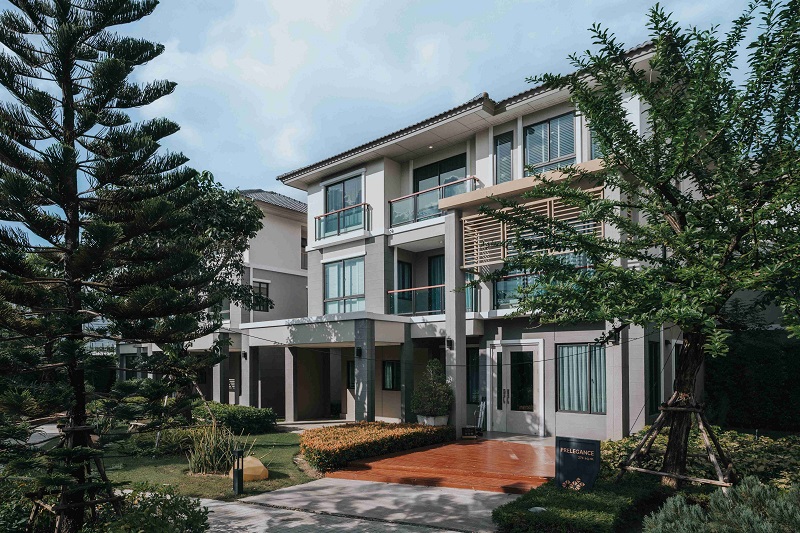
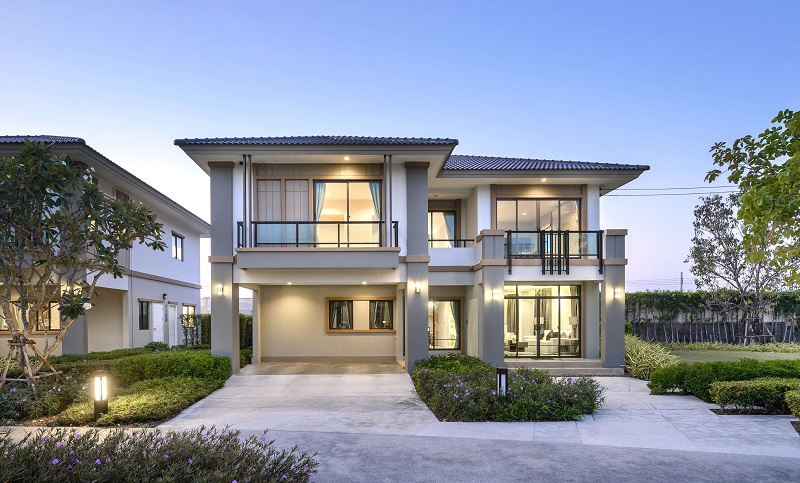
This year's key strategy will focus on targeting the mid to high segment customers, with prices ranging from 15 to 30 million baht. Plans include launching 3 premium single-detached house projects: The Palm Watcharapol, The Palm Bangna-Ring Road, and The Palm Pattanakarn, along with redesigning homes to align with mega trends, emphasizing sustainability, and integrating collaboration between Pruksa's health business and other businesses set to launch this year. The company also aims to manage its existing assets to meet the trend of ready-to-move-in homes and condominiums. Currently, the company has 158 ongoing projects across the country, valued at approximately 69.9 billion baht.


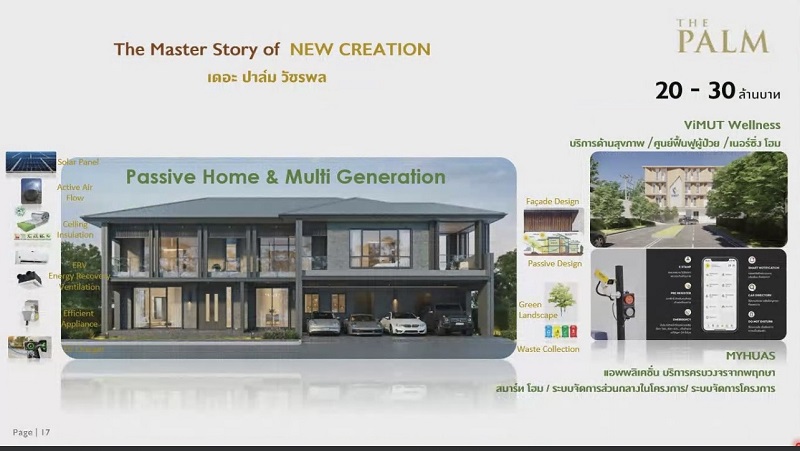
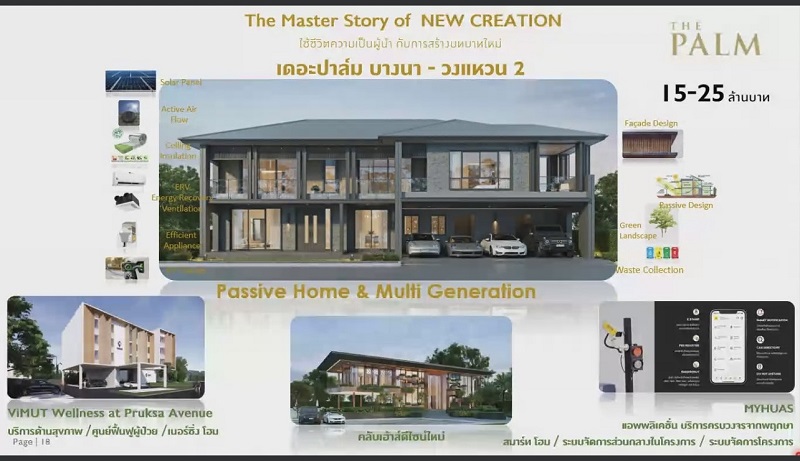
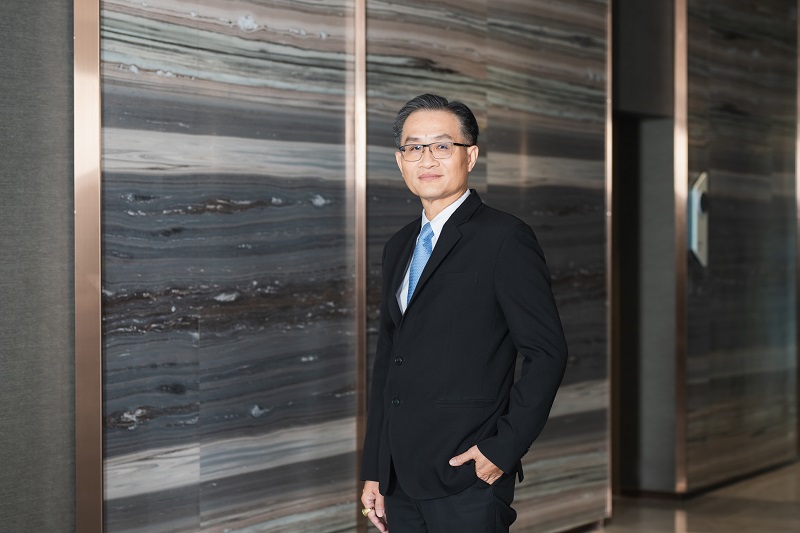
Regarding the healthcare business, Dr. Somsak Arksilp, CEO of Vimut Hospital Holding Company stated that in 2022, Vimut achieved a remarkable revenue growth of 1.34 billion baht, increasing 4.7 times from 2021, with over 80% of revenue unrelated to COVID-19. This revenue increase resulted from the expansion of the hospital's ecosystem network, including the Wellness Center at Vimut Hospital, and services through digital platforms such as telemedicine applications. Last year, Vimut also established partnerships with foreign partners, resulting in a 3.2-fold increase in international patient visits.

For 2023, there are plans to invest around 2.5 billion baht to open 3 additional health centers (Health Center) in Khu Bon, set to open on March 1, and in Soi Bearing, Watcharapol, and Sukhumvit 54, which are part of this year's plans. The healthcare business aims for a revenue target of 2 billion baht, growing about 50% from last year. According to the 5-year plan, the company will gradually open 12-15 health centers to cover all areas of the city. Additionally, there is collaboration with Ramathibodi Hospital for patient referrals for surgeries at Vimut, which will help reduce patient waiting times significantly.

“Pruksa remains committed to sustainability, prioritizing social and environmental care, aiming to reduce greenhouse gas emissions by 30% by 2030 and achieve carbon neutrality by 2050. This year, the company has initiated projects to reduce greenhouse gas emissions and fuel consumption, including the use of solar roofs, energy-efficient home designs (Passive Home), Smart Home technology, low-carbon precast construction, and the development of Smart Office and Smart Hospital buildings that consume less energy, among others.”