"Lumpini Wisdom" Outlines 3 Water Management Strategies to Reduce Flooding Issues in Projects
<\/p>
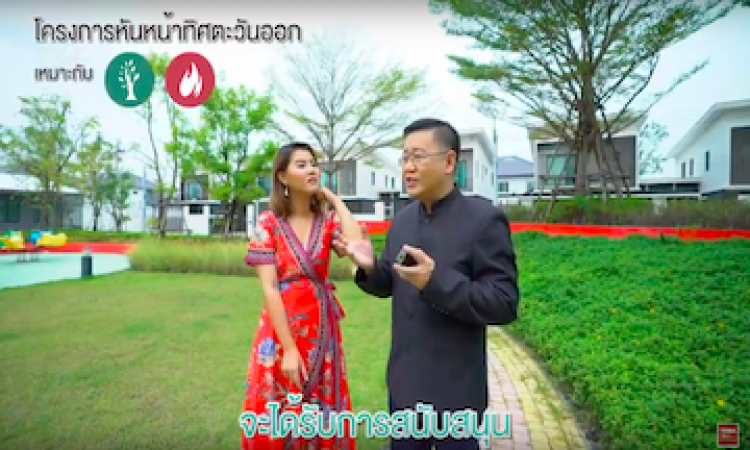
Mr. Prabhan Sak Raksaiwan, Managing Director of Lumpini Wisdom and Solutions Co., Ltd., a research and development company under L.P.N. Development Public Company Limited (LPN)<\/strong> “Lumpini Wisdom”<\/strong><\/span> stated that since Bangkok and its surrounding areas are located in the Central Plains, the onset of the rainy season and monsoon leads to flooding and waterlogging, creating a seasonal problem. Especially when heavy rain causes traffic congestion, areas that experience flooding due to excessive rainfall that cannot be drained quickly create significant difficulties for the residents of Bangkok.
“One reason for heavy rainfall leading to waterlogging is that the public drainage system cannot drain water quickly enough.<\/span><\/strong> This results in a large volume of rainwater waiting to be drained, causing flooding in some areas. Clearly, addressing the issue of waterlogging in public areas requires improving Bangkok's drainage system to function more efficiently. Various agencies in Bangkok have proposed solutions such as installing larger drainage pipes and constructing tunnels for water drainage. However, real estate developers working on residential projects in Bangkok and its vicinity can also contribute to solving the flooding and waterlogging issues during monsoon seasons with heavy rainfall, starting from the design phase of both condominium and housing projects,” Mr. Prabhan Sak said.<\/strong>
 <\/p>
<\/p>
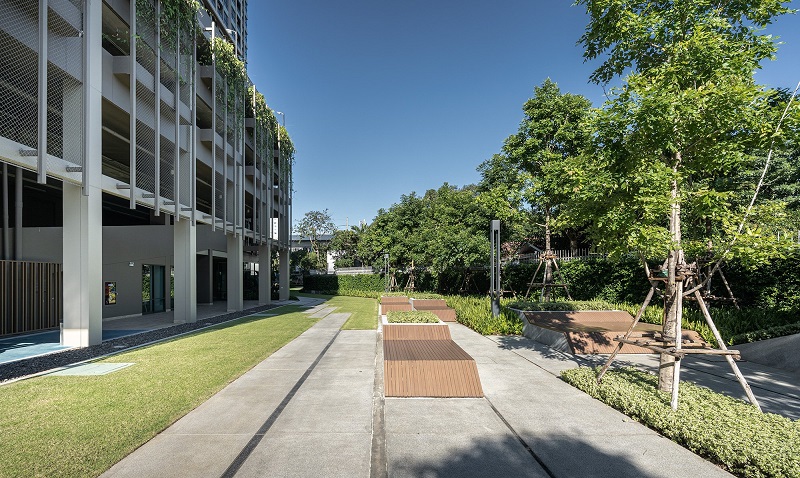
Currently, in developing residential projects, both condominiums and houses, especially those located in urban areas, water management within the projects is a topic that real estate developers must prioritize from the design process. This includes considering the management of water usage within the project, as well as managing wastewater and rainwater before it is discharged into the public drainage system. The design or planning of water management is governed by legal requirements and is also designed to ensure efficient water management within the project itself.
Legally, there are requirements regarding the design of rainwater drainage management to ensure that the volume of rainwater discharged from the project is appropriate and does not adversely affect neighboring areas or the public drainage system. This is a basic practice in the design and management of water within the project, including both usable water and the internal drainage system. However, to achieve optimal rainwater management, real estate developers must prioritize the design and establishment of water management systems within the project, especially efficient drainage systems beyond the basic legal requirements.
 <\/p>
<\/p>
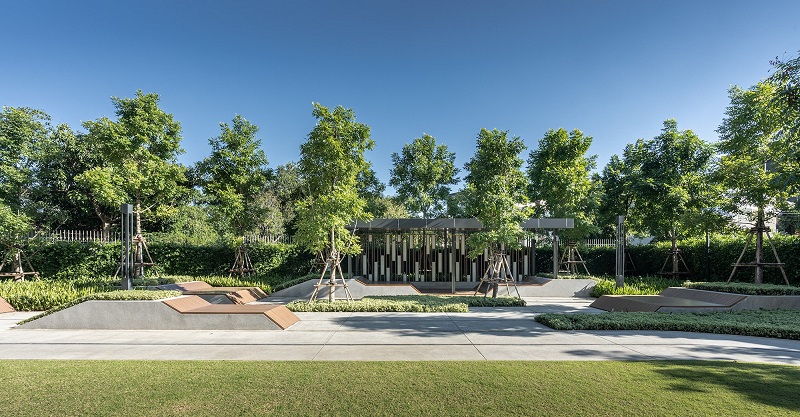
According to research conducted by the “Lumpini Wisdom”<\/strong><\/span> team, it was found that rainwater within the project primarily flows through two main pathways: rainwater that falls on soil or green areas can seep into the ground, while rainwater that falls on impermeable surfaces, such as roads, rooftops, and concrete areas, will flow into the project's drainage system before being discharged into the public drainage system. It is evident that having green areas or permeable surfaces within the project allows rainwater to seep into the ground, reducing the volume of rainwater entering the drainage system and mitigating the risk of flash flooding in urban areas.
 <\/p>
<\/p>
Based on the findings, three strategies can be established for designing and planning residential projects to effectively manage rainwater and ensure sustainability, thereby reducing the impact of flooding and waterlogging and contributing to environmental protection:
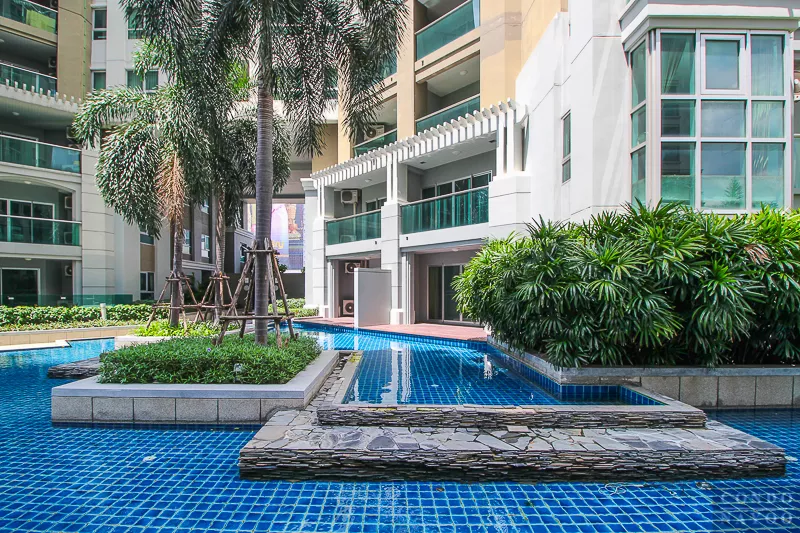
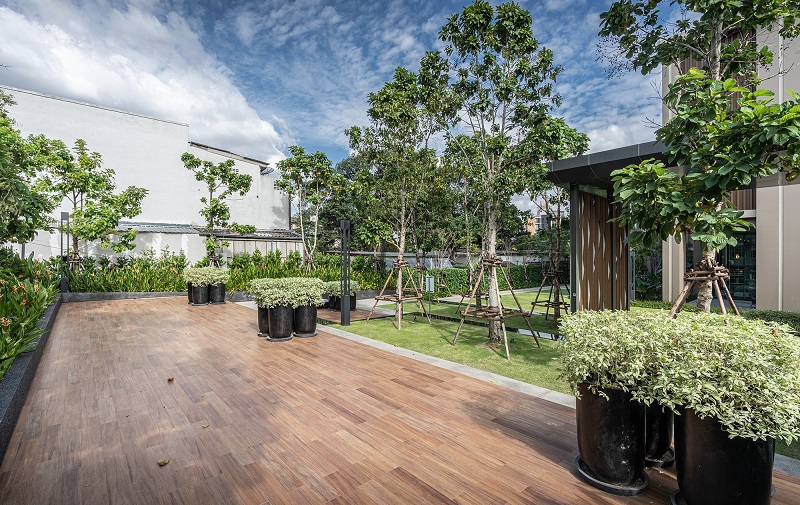
“<\/em><\/strong>More Green Areas, Better Outcomes<\/em><\/strong>”<\/em><\/strong> <\/em><\/strong> As mentioned earlier, green areas or areas where rainwater can seep into the ground reduce the amount of rainwater that must flow into the project's drainage system and lessen the burden on public drainage systems. Legally, there are minimum proportions for dividing areas within the project based on FAR (Floor Area Ratio) and OSR (Open Space Ratio). To enhance the green area in the project, design can be guided by green building standards, such as the LEED criteria, which require more than 30% of the project area to be designated as Open Space, with at least 25% of that Open Space being green area.
Use Permeable Materials for Roads and Sidewalks<\/em><\/strong> <\/span> Typically, roads and sidewalks are made of concrete that does not allow water to seep through. Rainwater flows into the project's drainage system. However, there are now innovations in surface materials for roads or hard surfaces that are porous and allow water to seep through. Therefore, when selecting exterior surface materials, replacing solid concrete with permeable materials will increase the area that can absorb water into the ground and reduce the volume of water in the drainage system.
Design Sustainable Green Spaces in the Project<\/em><\/strong> <\/span> By integrating the design of green spaces with principles of connectivity and enhancing ecosystems, known as Green Infrastructure, which focuses on managing the efficiency and quality of green areas, water, and air. This is another design approach that aids in water management and conserves ecosystems within the project.
“With the continuous development of design technologies and new construction materials, real estate developers can create high-quality residential projects that reduce waterlogging and flooding both within the project and in surrounding public areas. This is part of addressing the issues of waterlogging and flooding during the rainy season while simultaneously developing environmentally friendly and sustainable projects,” Mr. Prabhan Sak concluded.<\/strong>
<\/p>
<\/p>