Next Step: New Horizons in Real Estate Connecting to the Digital World – Highlights from the Property Focus 2022 Seminar: Mega Trends in Real Estate Embracing the New Norm
Consumer behavior during the COVID era is constantly evolving, especially in the choice of real estate. Therefore, development must keep pace with new trends, particularly in areas such as Security Convergence, Sustainable Cooling, Seamless Transition, Smart Energy Network, and Metaverse. Currently, about 30% of major real estate developers are entering the Metaverse. Whether this will be successful remains uncertain, but the world is changing, and we must adapt accordingly. For instance, creating condos priced under a million baht and integrating energy-saving and eco-friendly practices into the organization's DNA are crucial adjustments that every business must make.
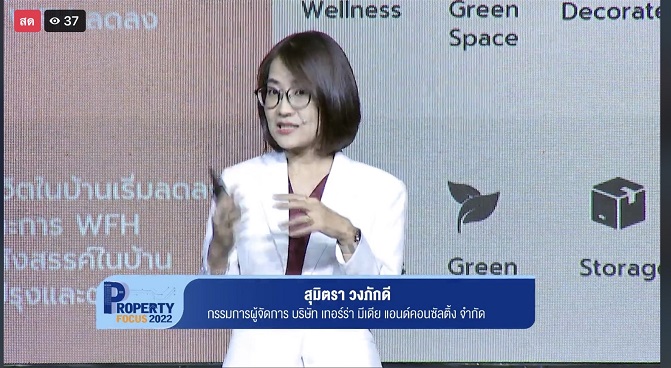
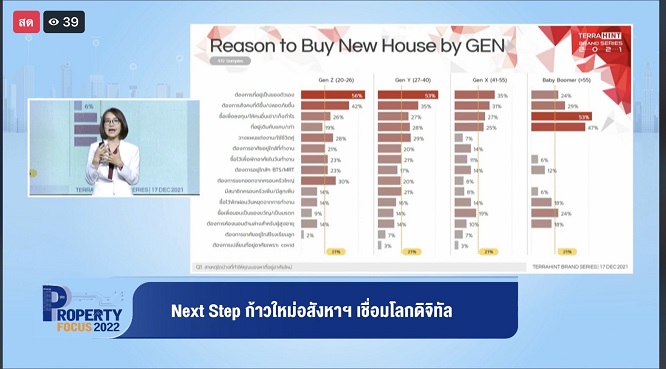
Ms. Sumitra Wongphakdee, Managing Director of Terra Media and Consulting Co., Ltd. or the website TerraBKK.com stated at the Property Focus 2022 Seminar: Mega Trends in Real Estate Embracing the New Norm that consumer behavior regarding real estate purchases has changed. Data collected by TerraBKK from an online survey of 1,500 respondents at the end of 2021 revealed that respondents primarily reside in Bangkok and its vicinity. Detached houses are the most sought-after product, while townhomes, vacation homes, and duplexes have seen a growth rate of up to two times compared to previous periods.
Additionally, Gen Z individuals prioritize purchasing detached houses, followed by condos. Most want to buy their own homes for personal ownership, to seek better communities, and interestingly, many express a desire to separate from large families. This indicates that this group has grown up with a self-reliance mindset, where owning real estate is a significant marker of success in life. In contrast, Gen Y is a diverse group with complex interests and preferences in real estate, showing varying loyalty compared to other groups.
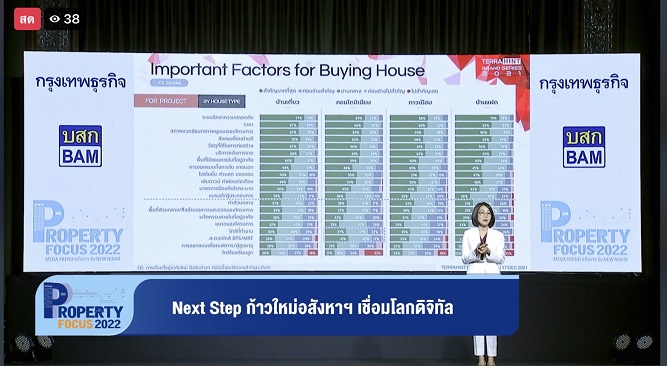
For key factors influencing customers' real estate purchases at this time, most indicate a need for enhanced security systems, especially for low-rise homes where customers seek more than just 24-hour security guard services. Additionally, customers desire projects with good environmental conditions, as proximity to BTS stations may no longer be the primary factor in real estate selection, with many reporting that closer proximity to the BTS leads to increased noise and dust pollution.
Nevertheless, online media remains crucial for marketing in this era, particularly advertising through Facebook, which ranks first, surpassing other media. Facebook closely monitors user behavior. For example, during the COVID situation, customers are not visiting projects in person, so advertising on Facebook allows interested parties to receive automatic notifications when they like property products. This phenomenon indicates that if you sell a real estate project but do not advertise on Facebook, while a nearby project does, customers will only see the nearby project, causing you to miss out on sales opportunities. Currently, online media reaches all customer segments and significantly influences purchasing decisions.
The customer journey has also changed according to circumstances, especially for customers interested in low-rise homes, who primarily seek private spaces for their families and small areas of their own. This has led some individuals who already own homes but lack workspace to consider purchasing condos near their current homes. Thus, customers searching for interests through Google can bring your products closer to consumers, making it essential for brands to create brand awareness for easier customer access.
Currently, consumers interested in townhomes often use them as home offices, allowing them to conduct business or store inventory in the same space as their residence. They prioritize common areas and seek more privacy, preferring projects that cluster townhomes or have fewer houses per lane to create more personal space. Consequently, some townhome projects are moving closer to urban areas.
For condos, today's consumers do not want projects with many units but rather seek increased common areas, especially Family Rooms, which residents want to use for family activities, similar to trends from the past decade. The renewed interest in Family Rooms is to compensate for the small or insufficient space within the units.
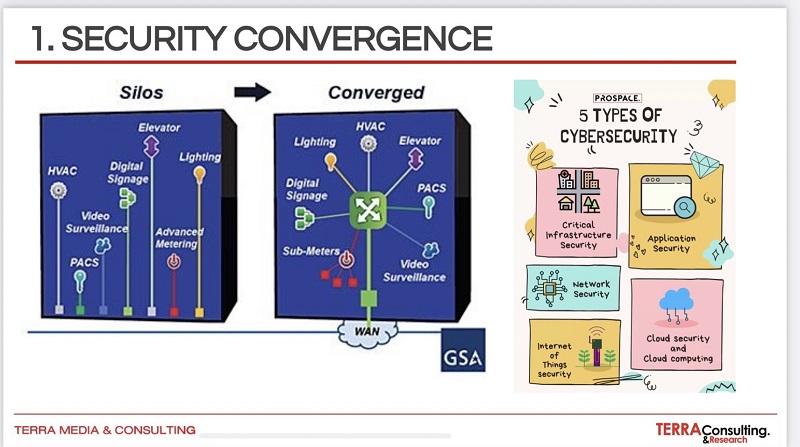
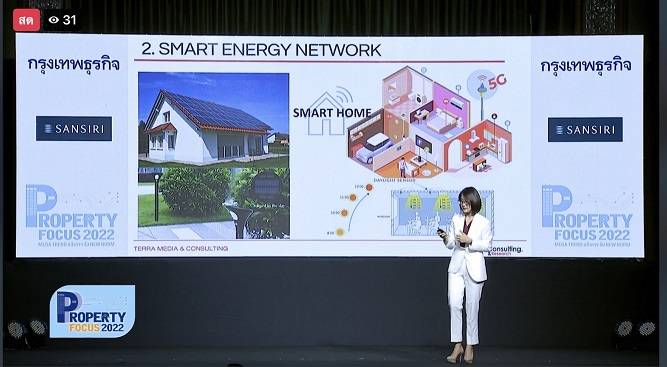
Trends in the real estate business expected to emerge will often connect living styles, technology, and work life, leading to a New Standard in real estate development in the near future. For example, Security Convergence refers to integrating security systems beyond just physical security at project entrances, incorporating Cyber Security data to enhance safety and prevent data leaks. Additionally, homes must feature a Smart Energy Network that connects energy-saving systems, such as solar panels linked to Wi-Fi, enabling homes to control clean energy usage independently or via smartphones and various sensors, particularly for elderly residents who may need to live alone safely.
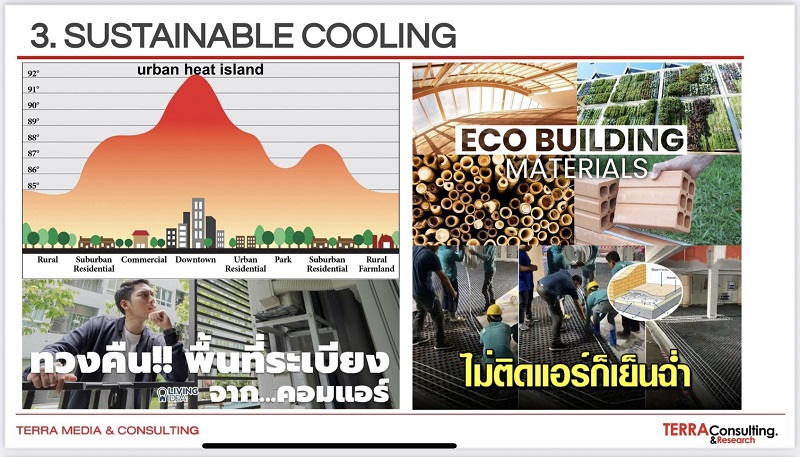
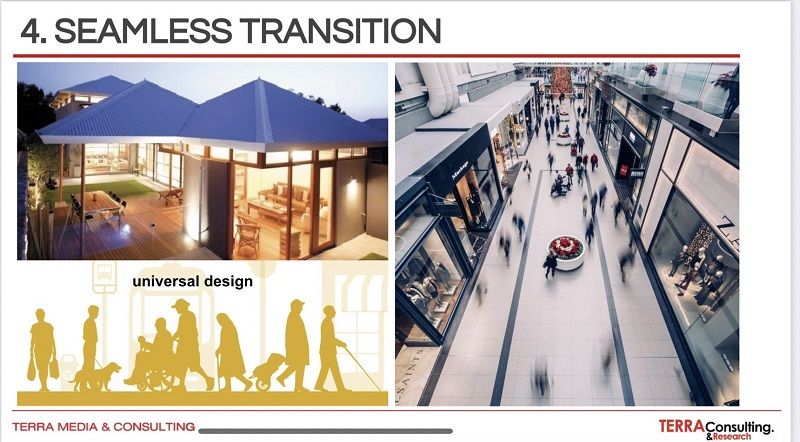
This includes Sustainable Cooling and Seamless Transition in developing cooling systems that balance living spaces inside and outside the home. Currently, the Forestia project serves as a model for integrating cooling systems effectively.
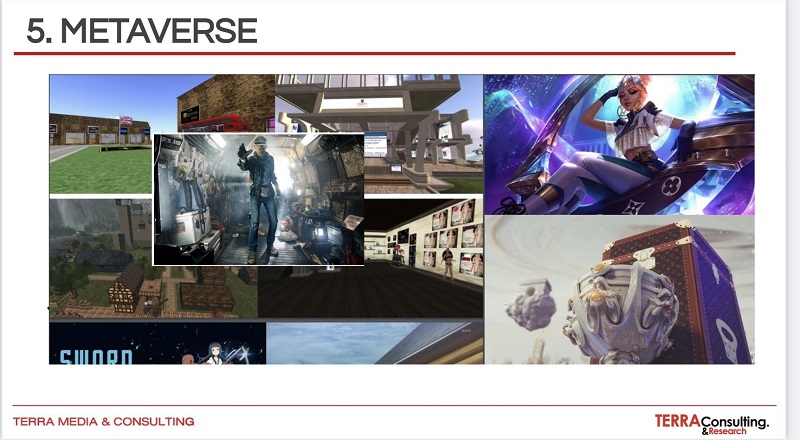
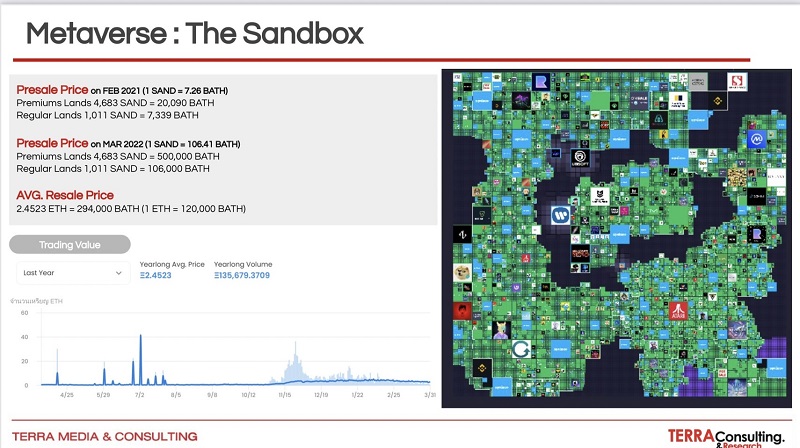
Finally, Metaverse or the virtual world raises the question of how the Real Estate Industry will emerge in this realm. It must be acknowledged that there are platforms where land can be bought and sold in the Metaverse using digital currency. Brands can establish their presence in the Metaverse to reach new consumers like Gen Alpha, who are interested in product experiences. Currently, about 30% of major real estate developers are entering the Metaverse, but whether this will be successful remains uncertain. Ultimately, the world is changing, and we must move in that direction, such as creating condos priced under a million baht and embedding energy-saving and eco-friendly practices into the organization's DNA. These are essential adjustments that every business must make.