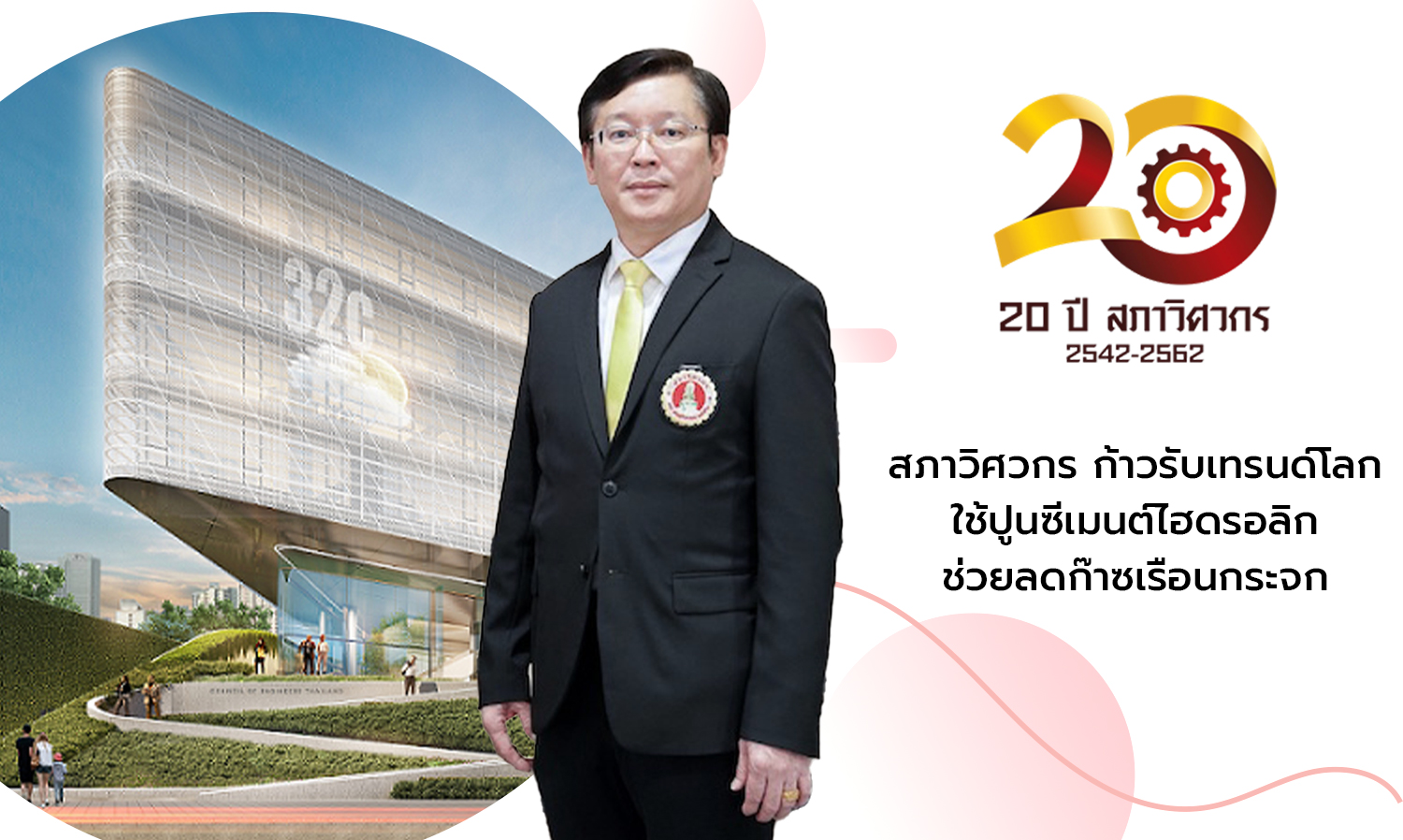
The Engineering Council Embraces Global Trends by Using Hydraulic Cement to Reduce Greenhouse Gas Emissions
Reducing Greenhouse Gas Emissions is a priority for the Engineering Council, which is actively working to achieve the goal of keeping global temperatures from rising more than 1.5 degrees Celsius by the end of the century, as agreed upon by world leaders at the 26th Conference of the Parties (COP) in Glasgow, United Kingdom.
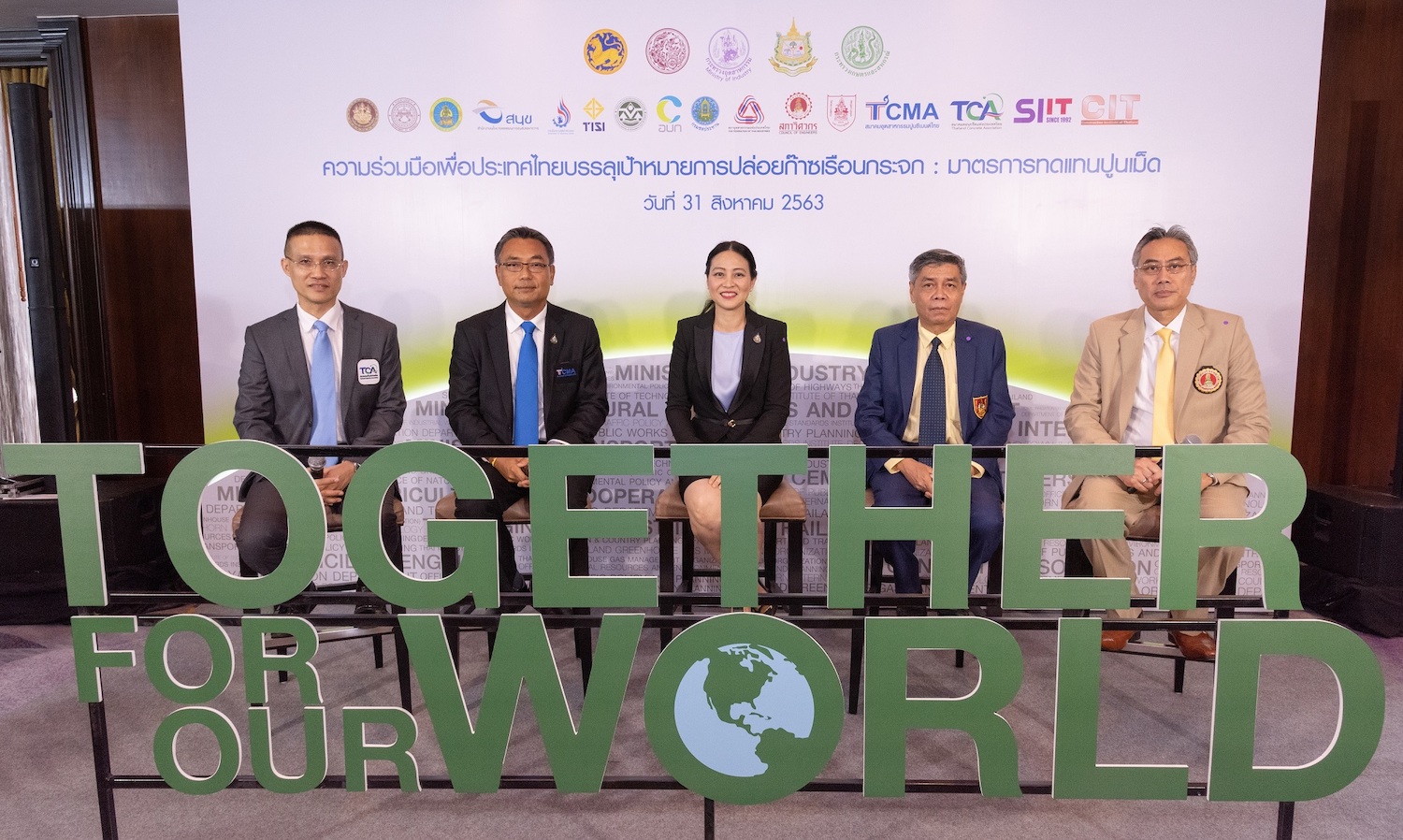
The Engineering Council is a key partner in integrating cooperation among government, professional sectors, industry, and education, with the support of five ministries (Ministry of Industry, Ministry of Natural Resources and Environment, Ministry of Interior, Ministry of Transport, and Ministry of Agriculture and Cooperatives). This collaboration has successfully achieved the initial goal of reducing greenhouse gas emissions by 300,000 tons of CO2 from industrial processes and product use, as well as measures to replace clinker. To support government policies aimed at reaching Net Zero, the Council is prepared to increase the greenhouse gas reduction target to 1,000,000 tons of CO2 by 2023.
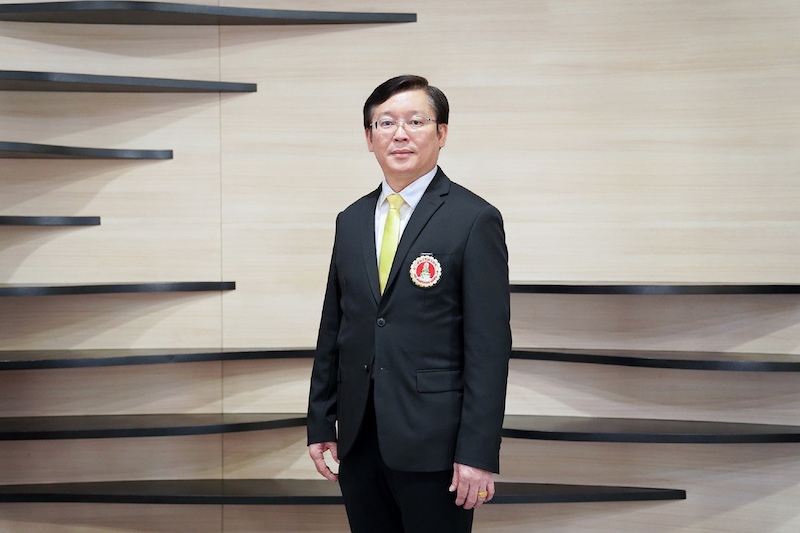
Associate Professor Dr. Piyabut Wanichpongpan, President of the Engineering Council, stated, "Reducing greenhouse gas emissions is crucial. The Engineering Council aims to encourage engineers in all fields to participate in this effort. Currently, global trends emphasize the importance of climate change, and technology continues to advance. Materials and products used in building structures are continuously researched and developed for their environmental friendliness, standards, and durability, aligning with the Sustainable Development Goals (SDGs), which are a shared agenda for the world.
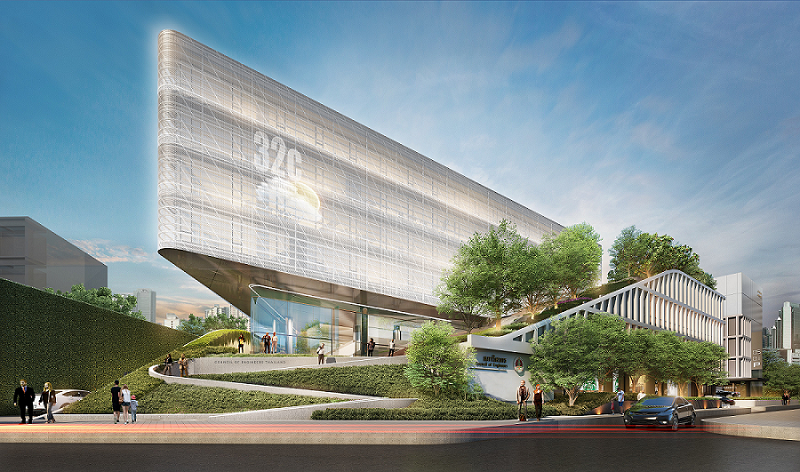
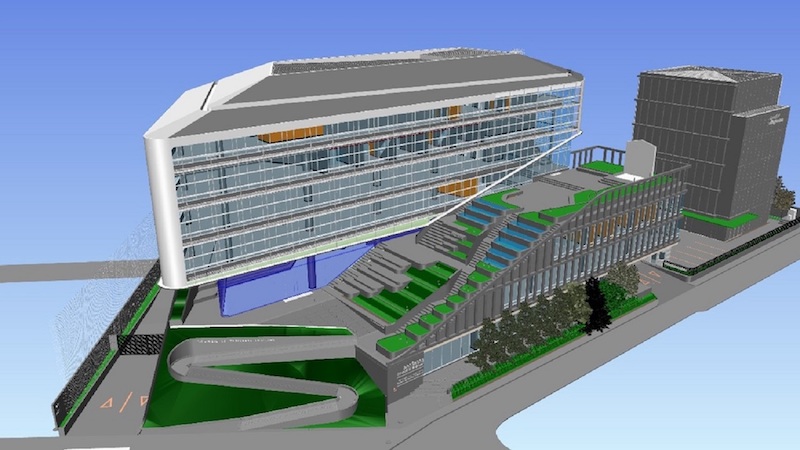
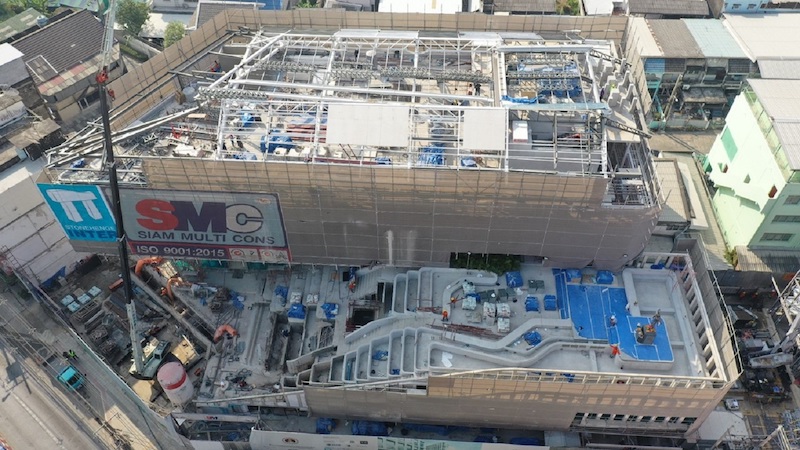
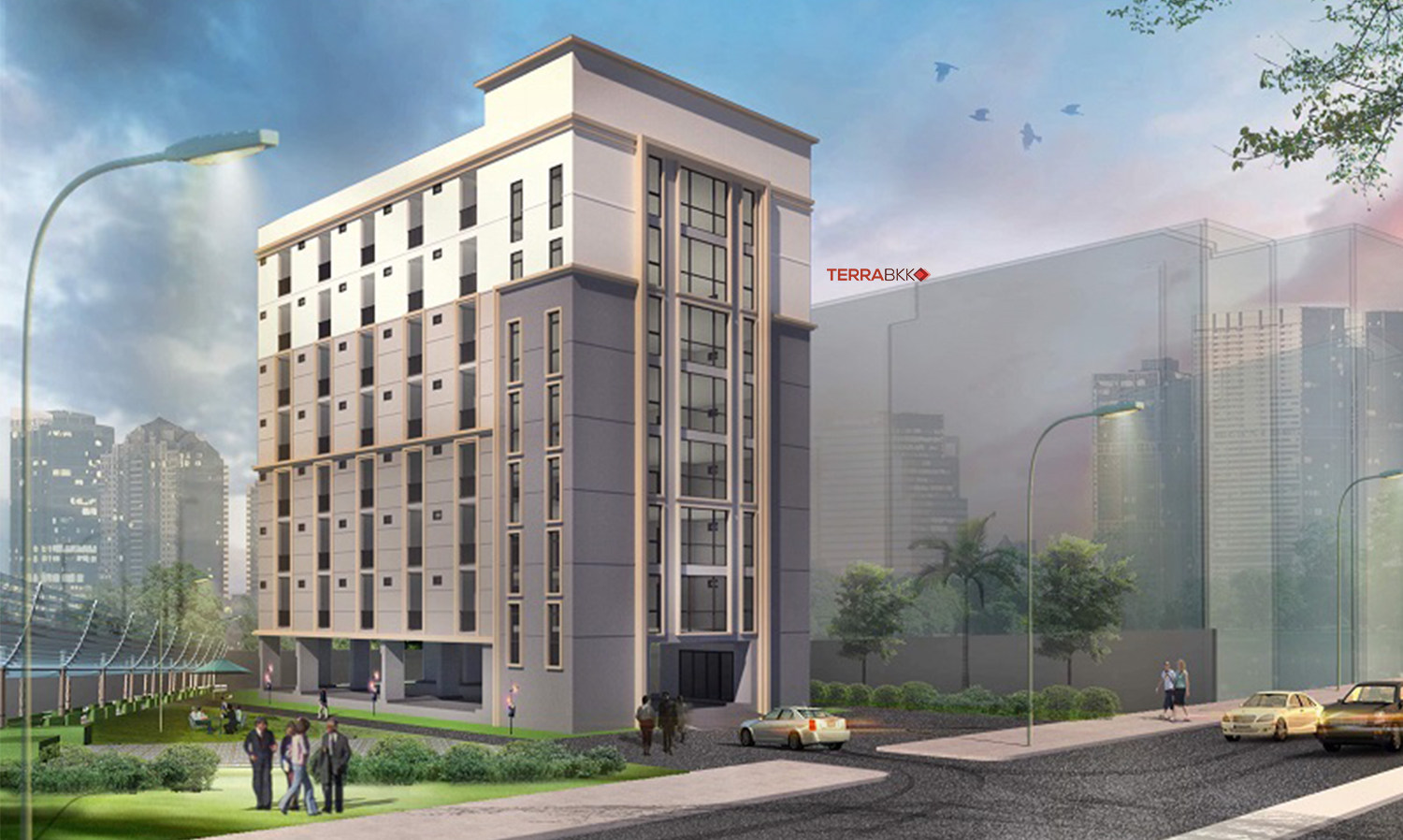
The new Engineering Council building, with a usable area of approximately 9,000 square meters, prioritizes the physical environment, building framework, engineering systems, and aims for energy conservation according to the Thai Green Building Standard (TREES). Additionally, the Engineering Council promotes the use of 'hydraulic cement' that meets Thai Industrial Standards (TIS) 2594, which is a low carbon cement for construction, capable of reducing greenhouse gas emissions by up to 62,000 kilograms of CO2 (equivalent to planting 7,341 trees). This represents a significant role of the Engineering Council in aligning with global trends to promote and drive the reduction of greenhouse gas emissions."