World's Largest Hybrid Floating Solar Power Plant at Sirindhorn Dam Now Operational!
The world's largest hybrid floating solar power plant at Sirindhorn Dam, operated by EGAT, has commenced commercial electricity generation. It is set to become a new tourist attraction in Ubon Ratchathani, welcoming visitors from early 2022, while also moving forward with 15 new projects nationwide totaling 2,725 megawatts, reinforcing its position as a leader in clean energy and contributing to a sustainable low-carbon society.

Mr. Boonyanit Wongrakmit, Governor of the Electricity Generating Authority of Thailand (EGAT), announced that the floating solar power plant in conjunction with the hydropower plant at Sirindhorn Dam in Ubon Ratchathani (Hydro-floating Solar Hybrid), with a capacity of 45 megawatts, has started supplying electricity to the commercial grid as of October 31, 2021. This initiative enhances the country's energy security and reduces greenhouse gas emissions by approximately 47,000 tons per year, addressing the need for clean energy to combat global warming. The commercial operation date (COD) ceremony was attended by Mr. Sara Suwannarat, Director of the Energy Regulatory Commission Office, Region 5 (Ubon Ratchathani), Mr. Thanakorn Sornach, Ubon Ratchathani Provincial Energy Officer, and Mr. Wanchai Pochthihansa, Project Manager of B. Grimm Power Public Company Limited, along with EGAT executives at the meeting room of the Chang Noi Building at Sirindhorn Dam.
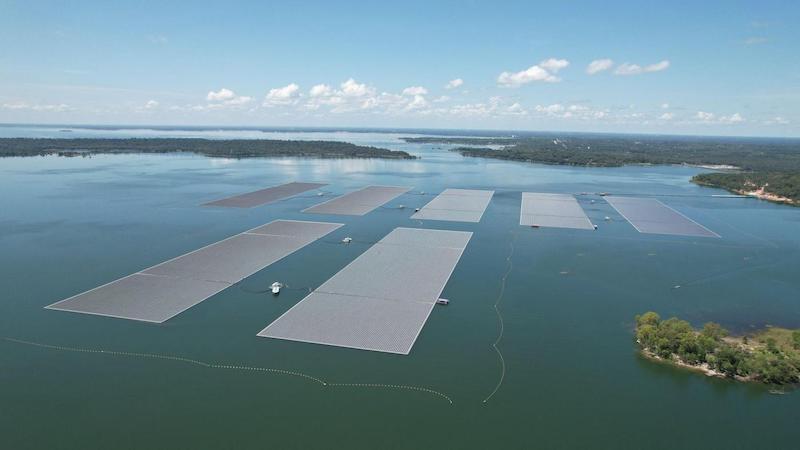
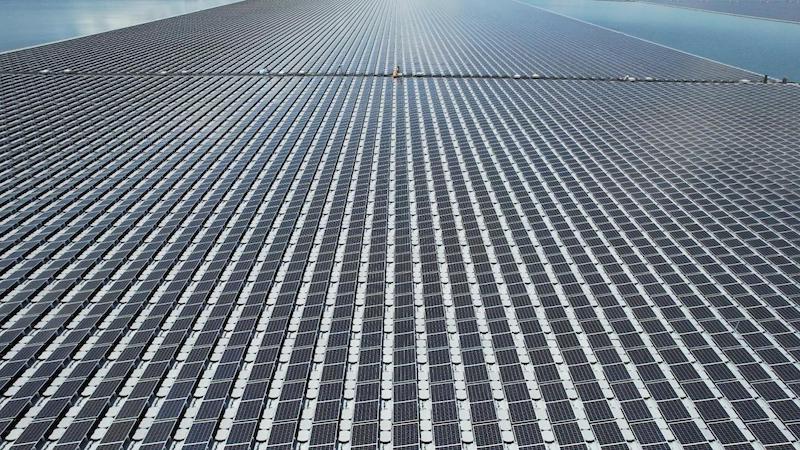
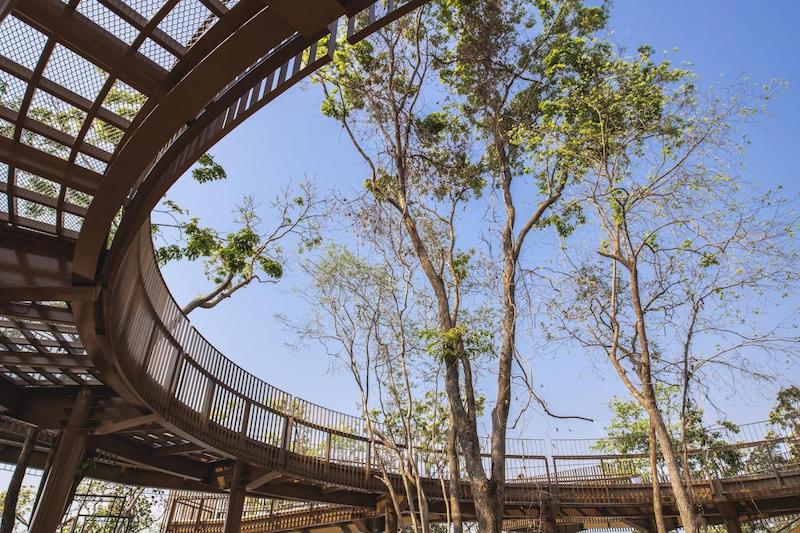
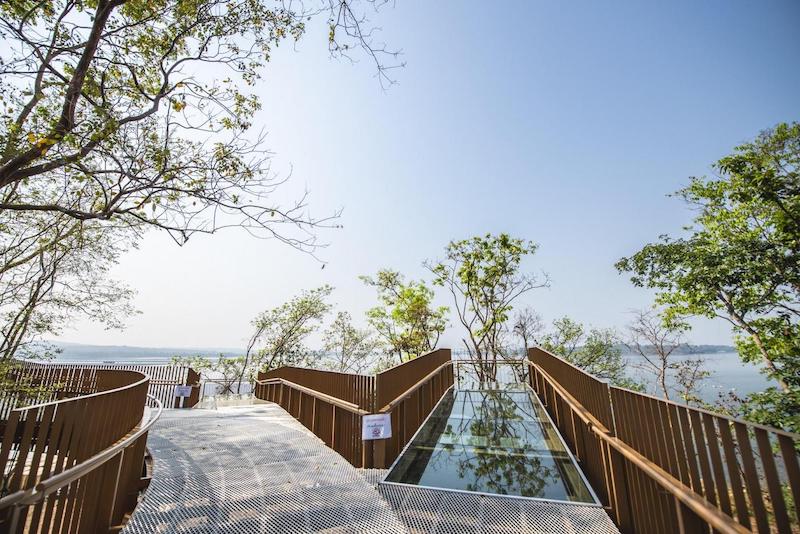
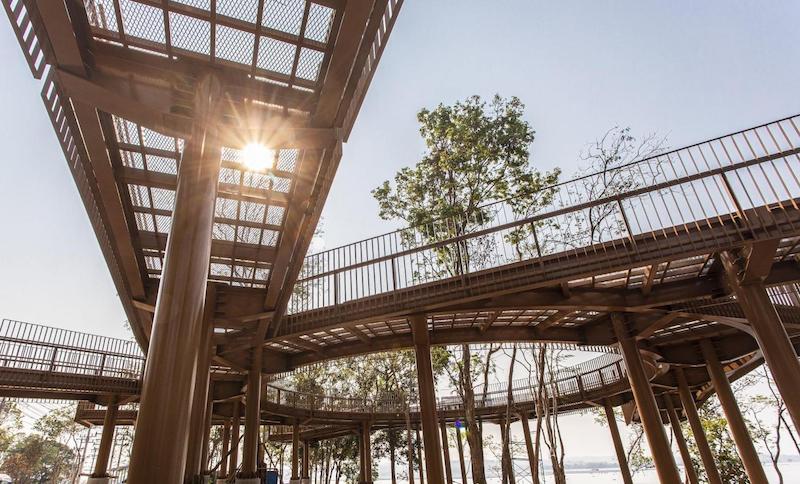
Additionally, EGAT is committed to improving the quality of life for local communities by preparing to launch this power plant as a significant tourist destination in Ubon Ratchathani, open to the public starting January 2022. This initiative will help create jobs and generate income for the community, enabling sustainable self-reliance and stimulating the overall economy of the province.
Following this success, EGAT plans to advance projects at Ubolratana Dam in Khon Kaen with a capacity of 24 megawatts and 15 other sites across the country, totaling 2,725 megawatts, to accelerate Thailand's goal of achieving net-zero carbon dioxide emissions and transitioning to a sustainable low-carbon society.
The world's largest hybrid floating solar power plant at Sirindhorn Dam is notable for its ability to generate electricity from both solar energy during the day and hydropower from the existing dam, producing electricity during non-sunny hours or meeting peak evening demand. This is managed through an Energy Management System (EMS) combined with a Weather Forecast System to enhance the stability of electricity production, allowing for longer operational periods and reducing the limitations of renewable energy. In the future, EGAT plans to establish a Renewable Energy Control Center (RE Control Center) utilizing Artificial Intelligence (AI) technology to further improve electricity production efficiency.
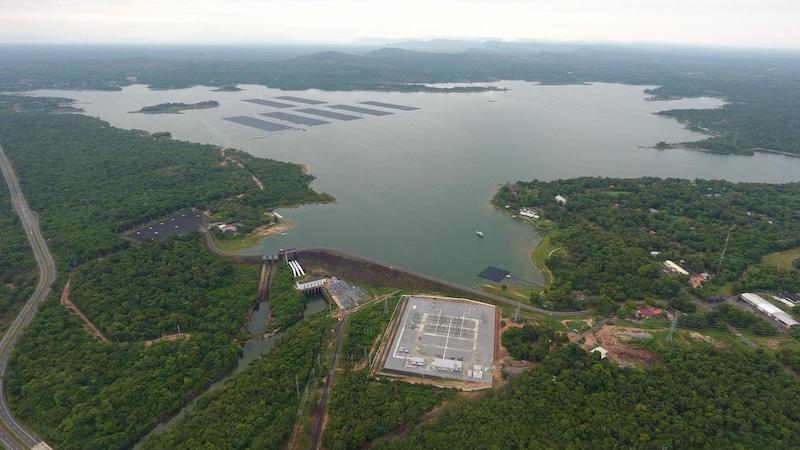
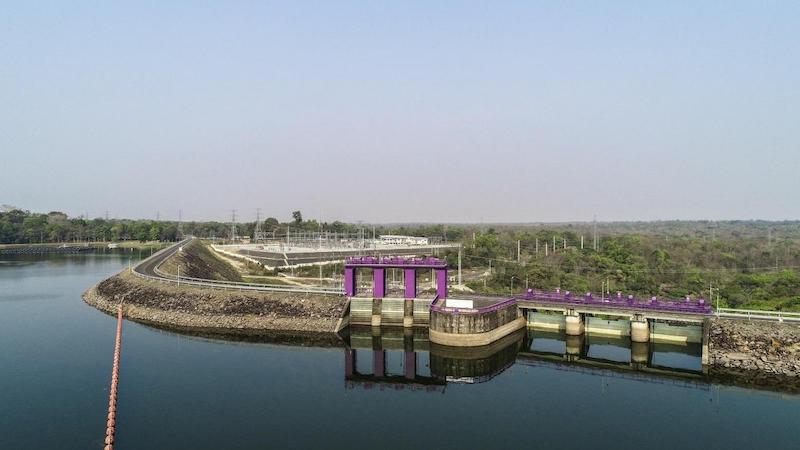
The power plant has installed solar panels divided into 7 sets on less than 1% of the reservoir's surface area, using environmentally friendly solar panels and floating buoys that do not impact the underwater ecosystem. Furthermore, it maximizes the use of existing electrical transmission systems and equipment, reducing costs and expenses, leading to lower electricity prices. The solar panels are angled with gaps between the panels and floating buoys, allowing sunlight to penetrate the water, thus not affecting the underwater ecosystem. Additionally, placing solar panels on the water surface helps reduce the temperature of the panels, improving electricity production efficiency by 10-15% compared to land installations, while also reducing water evaporation from the dam by approximately 460,000 cubic meters per year.