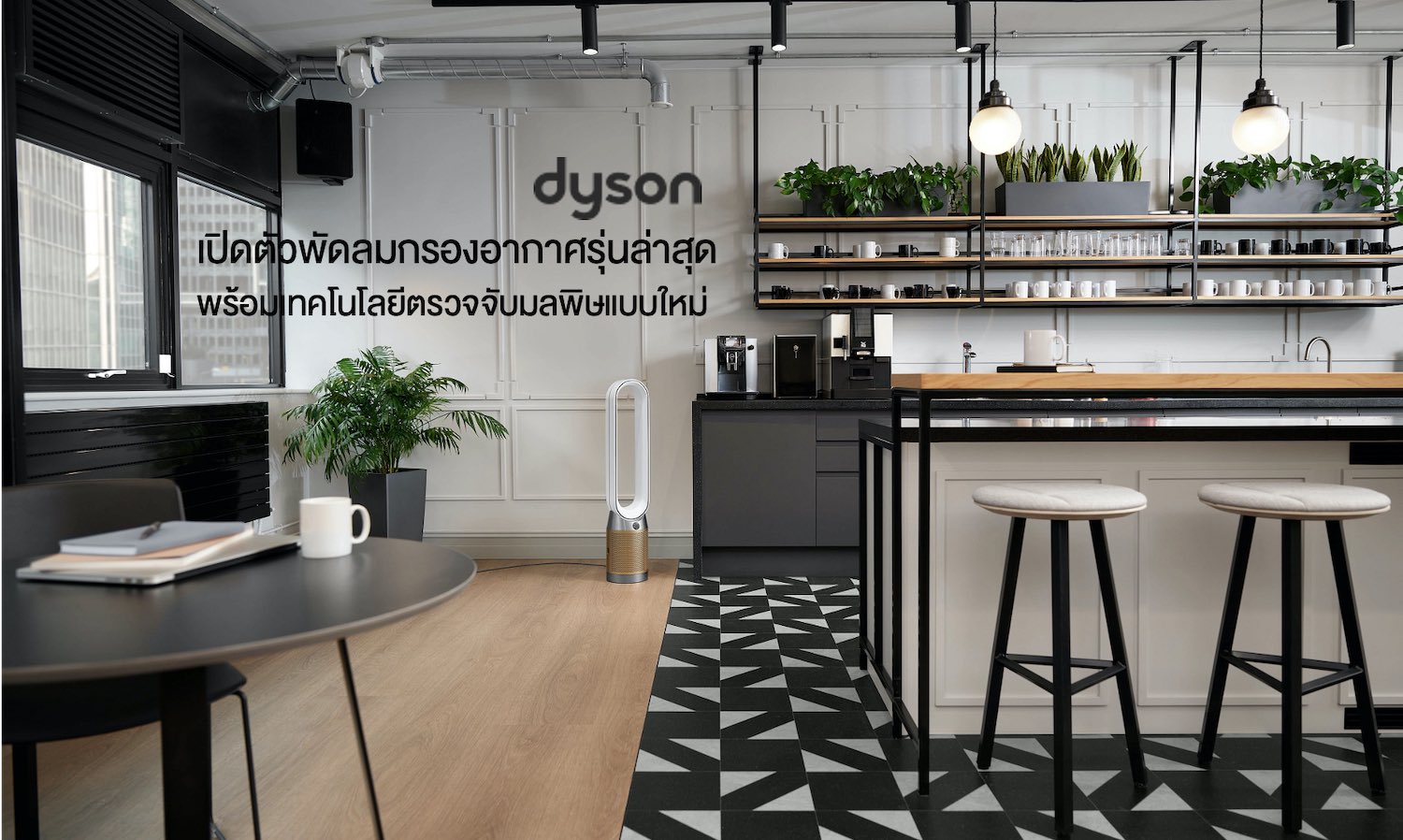
Dyson Launches Latest Air Purifier Fan with New Pollution Detection Technology
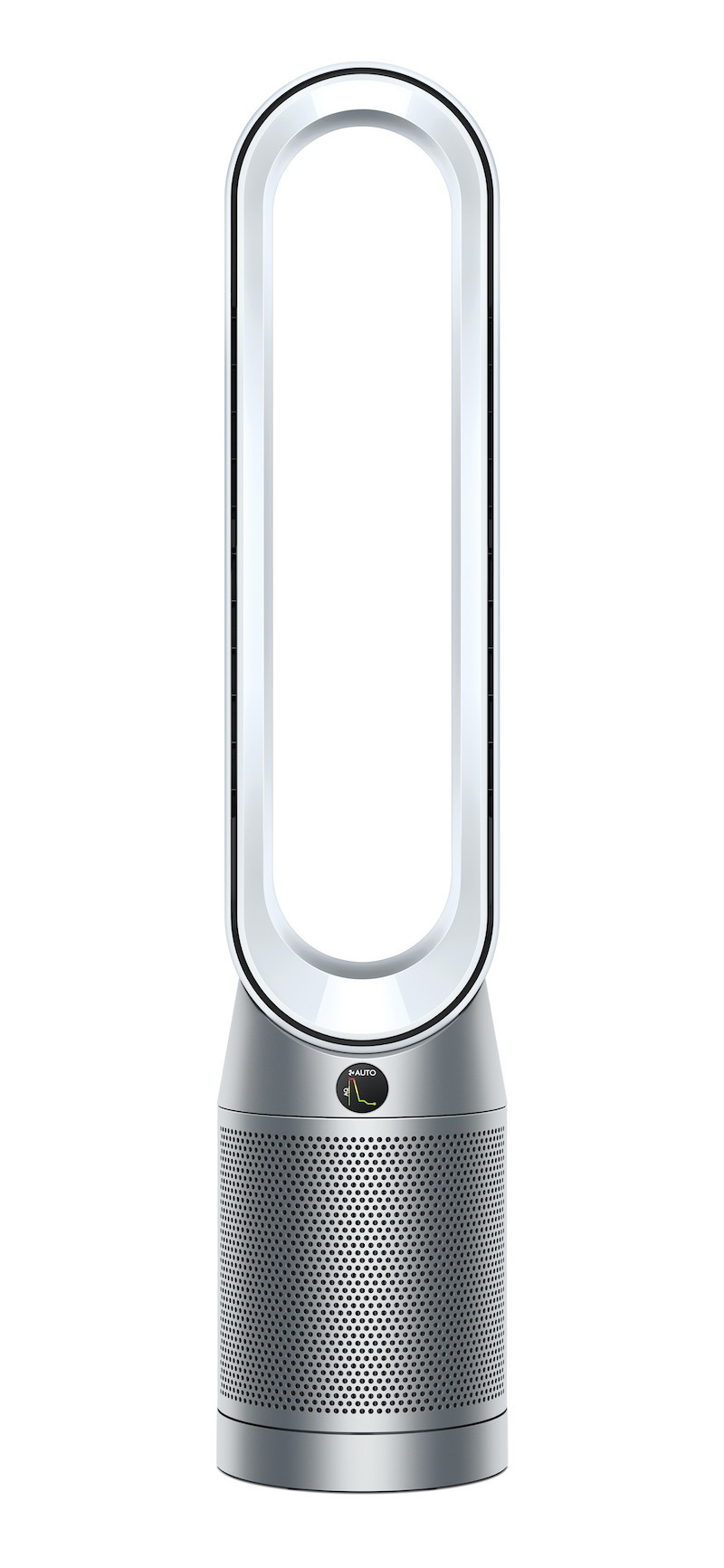
Millions of people around the world are spending more time indoors. With the air purifier fan's ability to detect formaldehyde using new solid-state technology, combined with HEPA 13 standard filtration and a 20% reduction in noise levels, the Dyson Purifier Cool product line ensures users can trust that their home environment will be cleaner.
Dyson has introduced its latest air purifier fan equipped with solid-state technology for detecting formaldehyde, designed to capture dust and allergens while also breaking down potentially harmful VOCs, including colorless gas pollutants like formaldehyde. This gas originates from furniture and wood products such as plywood and fiberboard, as well as insulation materials or products like paint, wallpaper, polish, and household cleaners. These substances are often smaller than 0.1 microns, making them particularly difficult to detect, and prolonged exposure can be hazardous due to continuous contact with airborne chemicals.
While other gel-based formaldehyde sensors may degrade over time and can confuse VOC detection, Dyson's new solid-state formaldehyde sensor, working in conjunction with Dyson's proprietary algorithms, can accurately monitor formaldehyde levels without confusing it with other gases detected by VOC sensors.
Dyson engineers have redesigned the airflow path to perfectly meet HEPA 13 standards, ensuring that air does not leak through the filter and blocking potential leak points that could allow dirty air into the airflow. The latest Dyson air purifier fan can eliminate particles as small as 0.1 microns with 99.95% efficiency. Additionally, improvements in the airflow path have made the Dyson Pure Cool and Dyson Pure Cool Formaldehyde fans operate 20% quieter without compromising air filtration performance.
Alex Knox, Vice President of the Environmental Care Product Group at Dyson, stated, "Formaldehyde is a very difficult gas to detect and can linger in homes for years. Dyson has designed products that can accurately detect, capture, and destroy these pollutants effectively. Our solid-state sensors do not lose efficiency over time, allowing the machines to have a long lifespan. The COVID-19 pandemic has raised global awareness about the air we breathe, and Dyson's commitment to developing products that make the air cleaner through innovation and technology remains our core mission."
A Generation Living Mostly Indoors
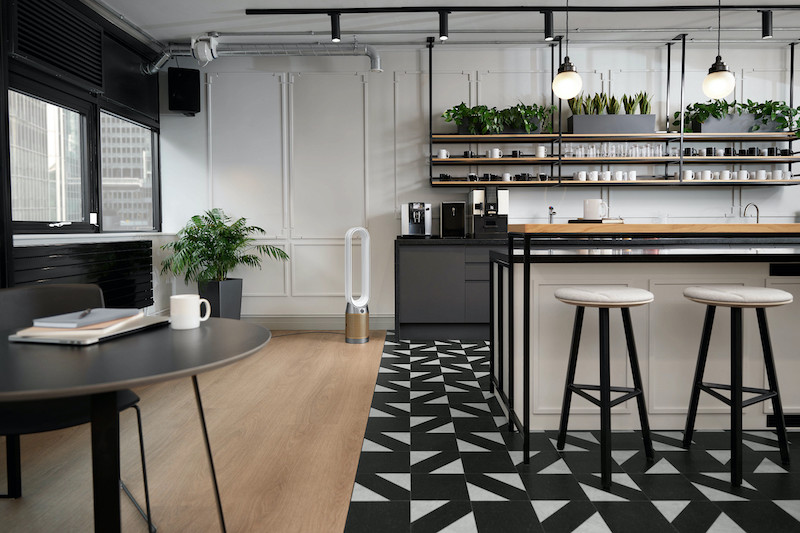
Every day, humans can inhale up to 9,000 liters of air. Even before the COVID-19 pandemic, we spent up to 90% of our time in homes and buildings, as our homes have become spaces for various activities such as working, exercising, sleeping, and playing. Therefore, the quality of the air we breathe in every aspect of our daily routines is something we should prioritize.
Indoor pollution sources arise from various factors releasing pollutants such as PM10, PM2.5, VOCs, NO2, and formaldehyde into the air. Pollution sources are present in every corner of our daily lives, whether it's PM2.5 released from cooking, VOCs emitted from cleaning products, or the continuous release of formaldehyde from our living room furniture. The new Purifier Cool product line from Dyson has been continuously improved and developed, reflecting the latest technology in three main areas: detection, filtration, and sound system.
Accurate Detection and Destruction of Formaldehyde
In addition to sensors that detect particles like NO2 and VOCs, as well as temperature and humidity, the unit also features an intelligent formaldehyde sensor that allows for precise detection of pollutants throughout the machine's lifespan. The formaldehyde sensor can be gel-based, which may gradually degrade as it dries over time. However, by using chemical-based electrical cells, Dyson's formaldehyde sensor does not dry out. Working with a unique intelligent algorithm, it checks data every second, allowing for accurate detection without confusion with other VOCs.
Dyson's Selective Catalytic Oxidation (SCO) filtration system can continuously break down formaldehyde at the molecular level. The catalyst filter has a unique coating, structured like the mineral cryptomelane, with sizes and shapes optimized to capture and destroy formaldehyde, converting it into small amounts of water and carbon dioxide, which then generates oxygen in the air.
Full-Machine HEPA Filtration
In Dyson's new air purifier fans, not only does the filtration system meet HEPA H13 standards, but the entire machine can capture 99.95% of H1N1 viruses and particles as small as 0.1 microns, including allergens, bacteria, and pollen. Dyson engineers employed forensic methods to create a fully sealed machine, adding 24 additional high-pressure seals to prevent dirty air from flowing through the filter and being released back into the room.
Dyson Purifier Cool: Engineered for 20% Quieter Operation
Dyson engineers have increased efforts to reduce the sound output of the Dyson Purifier Cool while maintaining air purification performance. Through multiple design and testing iterations in a sound-testing room at Dyson's development center in Malaysia, the machine has been engineered to operate 20% quieter, reducing noise disturbances. Dyson engineers improved the airflow path by expanding the aperture (the opening through which air exits the machine) and optimizing the shape, which helps reduce friction between the air and the machine's surfaces, resulting in a sound level reduction from 64 to 61 decibels at maximum fan mode.
Air Multiplier Technology
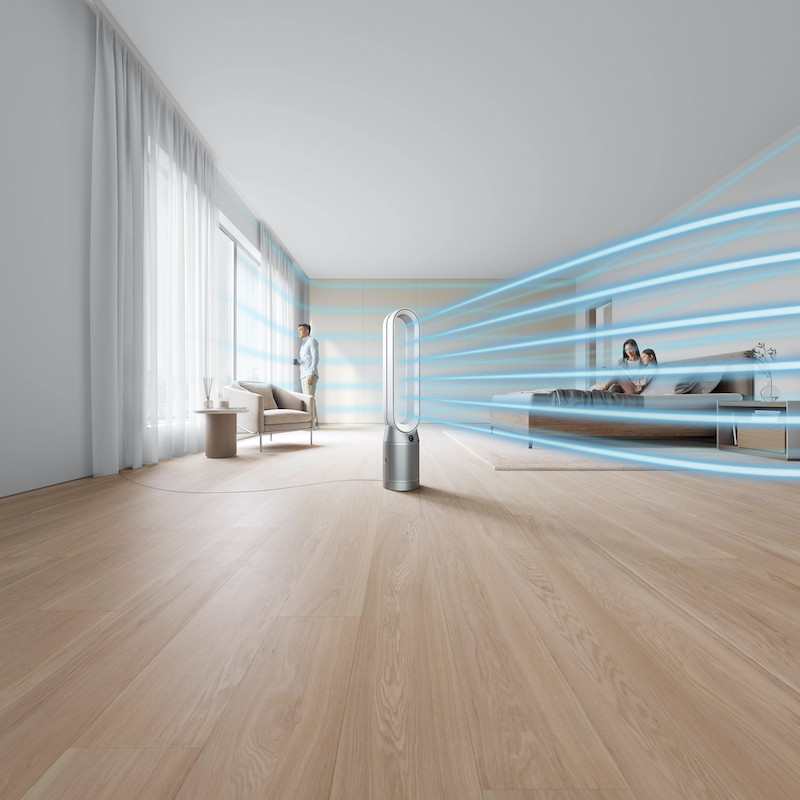
Utilizing Dyson Air Multiplier technology, the machine can distribute purified air to every corner of the room. The automatic mode allows the machine to maintain the desired room temperature and air quality, while the entire unit can be controlled through the Dyson Link app and voice commands.
Designed for Real Home Environments
Dyson's air purifier fans are designed to fit the actual size of home spaces. According to industry standards, air purifier performance is tested in small laboratory rooms of only 12 square meters, with ceiling fans to circulate air and one sensor inside the room to measure air quality. However, Dyson's testing is conducted using POLAR testing in larger rooms of 27 square meters without supplemental fans, using up to eight sensors placed in the corners of the room and one sensor in the center to collect air quality data.