Should Organizations Continue with Digital Transformation in 2021?
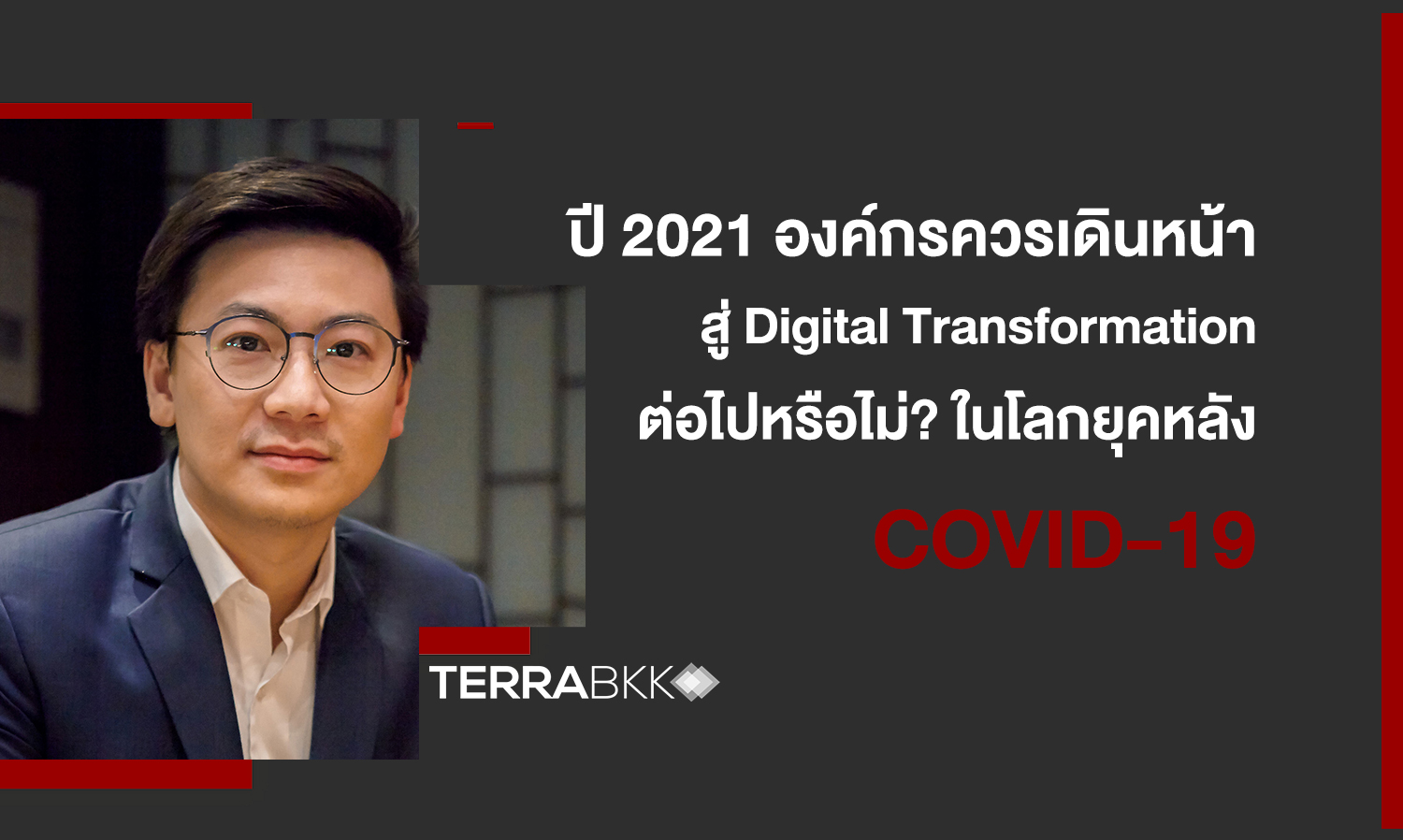
Should Organizations Continue with Digital Transformation in 2021?
Amidst the changes in the post-COVID-19 era, many organizations have been affected in various sectors, leading to doubts about whether Digital Transformation is still necessary.

The term Digital Transformation is a concept that many organizations adopt to define their direction and serve as a core policy in their business operations. Typically, technology is used as a tool to help transform organizations and create a new S-CURVE for businesses, which is a dream for almost all organizational leaders. Some organizations succeed while others struggle to implement Digital Transformation effectively.
Ultimately, there remains a question of whether Digital Transformation is merely a “concept” or if it can truly be realized in various organizations across Thailand.

Thanawin Rattametha Founder of The Enterprise Content Platform, a creator of content for organizations and businesses, with experience in developing technology for large organizations, stated, “The Enterprise was born from a group of people who understand technology and the needs of organizations. We recognized the issue that organizations and their employees lack access to easily understandable, neutral, and reliable information. Therefore, we aimed to create a reliable content platform that is creative and accessible to people within organizations. We believe that if individuals in organizations have more knowledge and ideas, they can effectively develop the organization.”
In recent times, the topic of Digital Transformation has been widely discussed, and there have been significant efforts to implement it. Thus, we have studied various cases that have occurred in businesses, focusing on the essence of what Digital Transformation is and how to achieve it successfully.”
The true meaning of “Digital Transformation”
Implementing any technology to improve and enhance the business processes within an organization is certainly a straightforward definition, but it encompasses many underlying aspects. The simplest way to start a transformation is by replacing paper with Excel systems or choosing large software such as ERP, CRM, or HCM for use within the organization. This is also considered a form of Digital Transformation. The transformation does not depend on how advanced the technology is, but rather on the needs of the business and the work processes, more than just using technology to meet organizational needs.
However, it cannot be denied that technology itself is diverse and has rapidly developed (High Technology), with the capability to enhance or assist organizations in working more efficiently. For instance, cloud-based work (IaaS, PaaS, and SaaS) or even complex technologies (Disruptive Technology) such as Machine Learning or AI Robotics and IoT can significantly ease and expedite organizational operations. Personnel can then allocate their time to other value-adding processes rather than repetitive tasks.
Digital Transformation and Business Transformation
From our study, The Enterprise sees that there is still an important aspect missing in the definition of Digital Transformation, which is the term “Business” that is absent from the definition of transformation and is a key to making the transformation complete. Many organizations overlook the need for “Business Transformation” and tend to jump straight into digital matters.
Many organizations mistakenly believe that simply implementing advanced and complex technologies will lead to improvements and changes that create a new S-CURVE for the organization. In reality, this is only half true. While it is correct that technology drives Digital Transformation, it is crucial not to overlook the “business” aspect of the organization, including the nature of the business (Business Industry), business processes (Business Process), and most importantly, the business direction of the organization (Business Direction). These elements are the keys that must start with understanding the organization itself before truly creating Business Transformation, supported by technology.
A correct example would be when a COO sets a policy to implement a CRM system to create new Customer Experiences and reach new customer segments to achieve significant sales growth. This is how to create a complete Business Transformation, leading to a new S-CURVE that drives the organization towards its intended goals (Digital Transformation Roadmap).
Digital Transformation and 5 Challenges Faced by Executives and Teams
The Enterprise has compiled challenges based on real experiences from executives and teams in various organizations, identifying them as the main challenges in implementing Digital Transformation, focusing on the root causes of the problems and ranking them by frequency as follows:
- The Change Management team plays the most crucial role in the transformation process. Transformation will inevitably face resistance from both the organizational processes and the employees themselves. Therefore, managing change is a significant challenge that organizations cannot avoid.
- Transformations that do not align with the company’s direction - Teams in many organizations often find that the results of their transformations do not align with the policies set by senior management.
- The difficulty in managing outsourced teams to understand the company’s transformation - Organizational personnel are not just employees, especially in the current trend where organizations prefer to use outsourcing for easier management. If an organization hires an outsourcing company to develop systems for transformation, it presents another major challenge, as they may not be involved in the transformation process but merely follow requirements.
- Placing the highest importance on Business Processes - The technology introduced will come with changes to the Business Processes. Organizations should have clarity from the outset and should not prioritize Best Practices over their unique identity.
- Data Migration continues to pose ongoing issues - For technology-related tasks, data migration requires filtering, establishing relationships, and transferring old data to new systems. Some data may not be transferable. This issue cannot be overlooked, and some organizations even have Data Managers specifically overseeing this matter.
“The Enterprise is confident that the term Digital Transformation will remain essential for organizations of all sizes and will continue to be relevant for some time. As long as organizations understand its true meaning and reflect on their own needs, they can determine the direction in which they want their business to grow. With this understanding, The Enterprise believes that it can create a new S-CURVE for your organization.”
For those interested in studying Digital Transformation or seeking creative insights about technology and business, you can follow and inquire further at www.facebook.com/the.enterprise.platform