Homes of the Future Must Incorporate Waste
In this era, where environmental conservation has garnered significant attention and is discussed almost everywhere, managing the increasing amount of waste generated daily poses a considerable challenge. This has led to various ideas for repurposing materials from waste. A clear example is in the realm of clothing and footwear, where many leading brands like Nike and Adidas have begun using recycled materials in their products. This trend is not limited to the fashion industry but has also extended to the housing construction sector.
Producing strong bricks from plastic waste
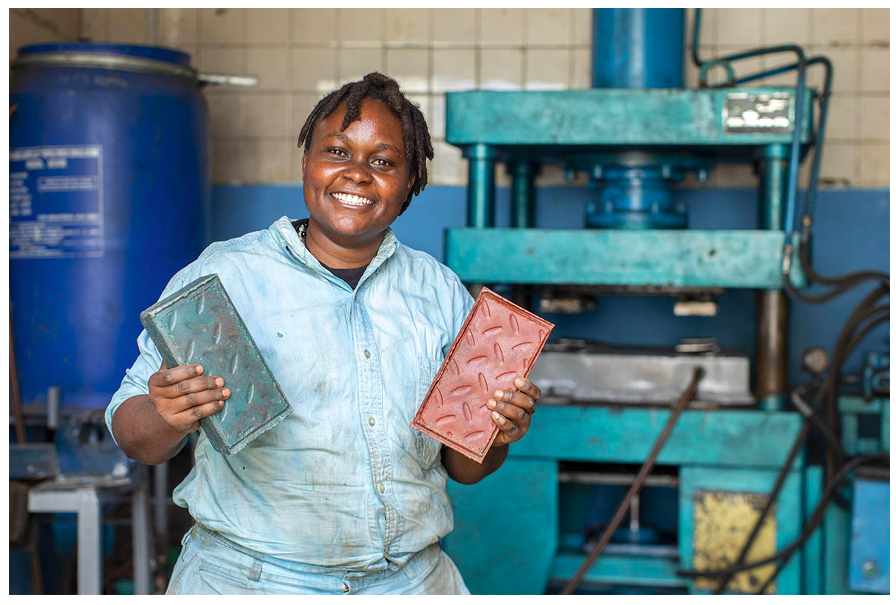
Kenya is one of the countries facing a critical waste problem, stemming from trade policies that allow developed nations to send various types of waste to Kenya. This has resulted in overflowing waste and numerous pollution issues. Waiting for government agencies to resolve the problem seems slow and may be too late, prompting engineers like Nzambi Matee to use her materials science knowledge to establish Gjenge Makers. This company transforms plastic waste into bricks that are seven times stronger than concrete. Gjenge Makers can process over 20 tons of plastic waste, mixing it with sand and compressing it into bricks. Nzambi has stated that she hopes her project will not only help reduce waste in Kenya but also provide affordable housing options for people in Kenya.
Compressing plastic bottles into blocks
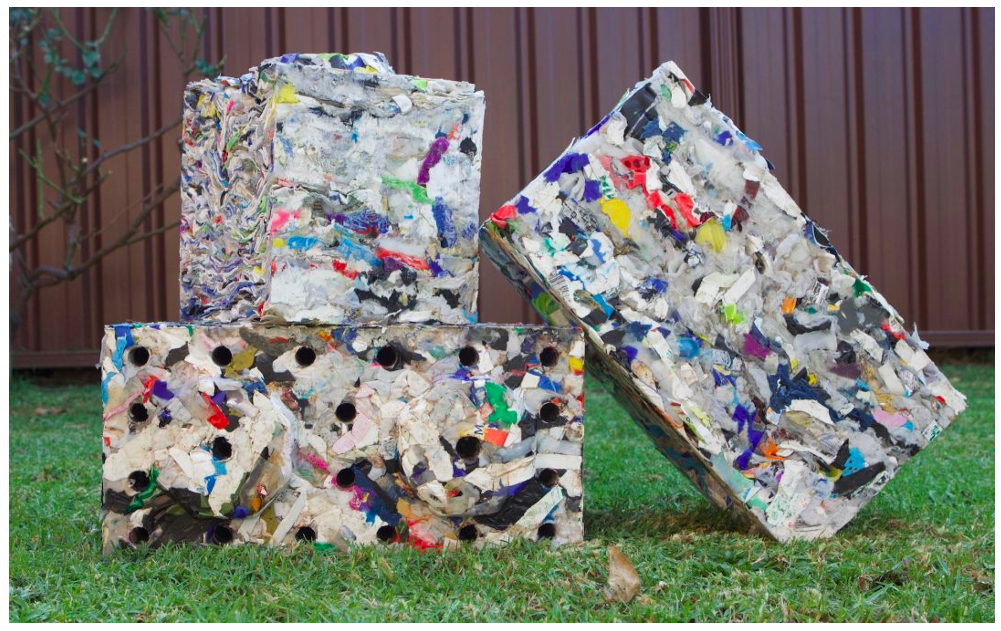
Another interesting project utilizing plastic waste for housing is Byfusion, which compresses plastic waste into square blocks called Byblocks. These blocks can be arranged to create walls. Byfusion aims to recycle 100 million tons of plastic by 2030.
Eco bricks: A simple idea to turn bottles into bricks
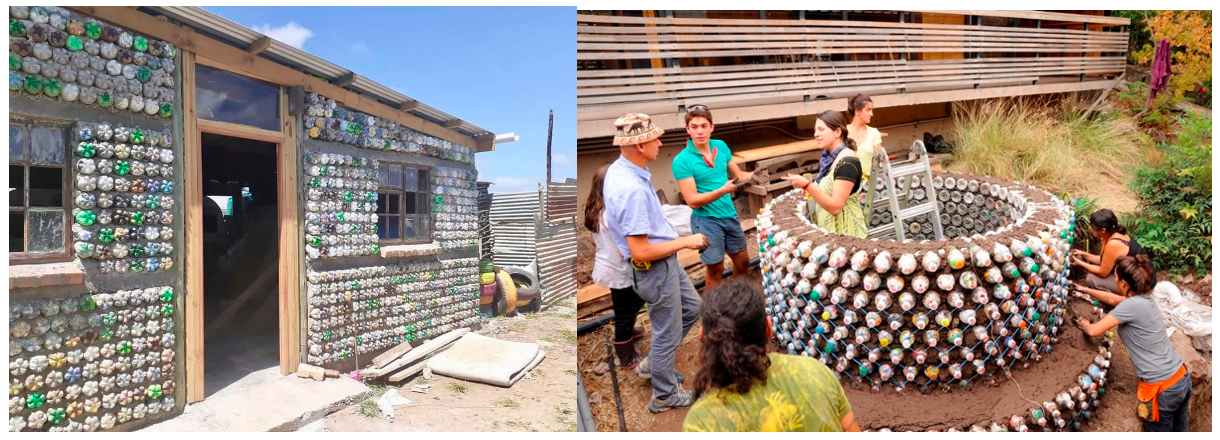
One project being carried out by volunteers in several countries, including Thailand, involves taking used PET plastic bottles, commonly seen as drinking water bottles, and filling them tightly with small pieces of waste until the bottles can no longer change shape. This process makes the bottles dense and strong enough for other uses, such as furniture or as insulation within walls.
These innovations are projects aimed at reducing waste and incorporating plastic waste into housing. This trend suggests that in the future, we will see an increase in construction materials made from recycled components, and the use of environmentally friendly materials that do not cause pollution will also play a role in housing decisions.