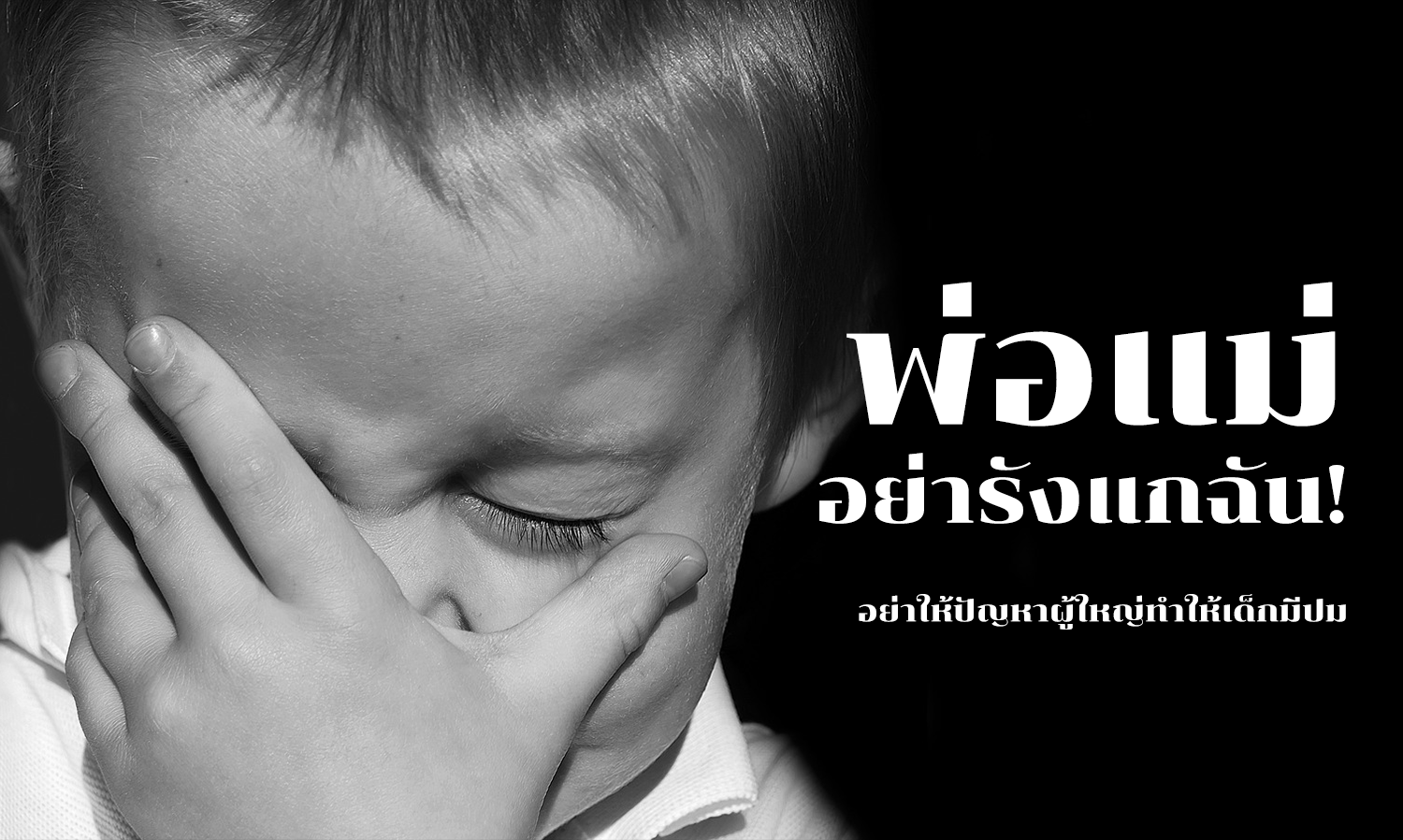
Parents, Don't Bully Me! Don't Let Adult Problems Leave Scars on Children
Adult issues are too delicate for children to understand. If a child grows up able to comprehend, accept, and endure such situations, it is fortunate. However, we must remember that not every child can cope with the barrage of questions from those around them regarding matters they did not cause. When the problem stems from their "parents," it directly impacts the child, often leading to emotional scars.
In cases where parents or guardians are public figures, any issues that arise among adults directly affect the child, often in an indirect manner. Adults may not consider how the child will navigate society, especially when they are thrust into the media spotlight, making them unwitting victims of their parents' actions. Therefore, is it justifiable to inflict wounds on children? As they grow, these issues can manifest as severe psychological problems.
Thus, parents and guardians should be mindful of children's rights and must not violate them by involving children in adult problems. Bringing children into the media spotlight is particularly inappropriate, as parents cannot predict how children will face society.
Children's Rights That Parents and Guardians Must Acknowledge
Even though they are just children, as human beings, they are members of society just like adults. Therefore, children should be protected under the law known as "children's rights," as stipulated in the Child Protection Act of 2003, which outlines four key rights for children.
The Right to Survival
This right begins at birth, where children must be registered to become citizens of the country. They should receive care from their parents or guardians and be adequately protected to ensure they have the opportunity to grow and develop.
The Right to Protection
Once children survive, the next responsibility of parents and guardians is to protect their lives from physical and emotional violence, illegal labor, hazardous work, educational obstruction, and to ensure they receive assistance from the justice system.
The Right to Development
Parents and guardians must provide children with opportunities for education and development. By law, children are entitled to 12 years of compulsory education, which must be of quality, enabling them to grow into self-reliant individuals, developing both physically and mentally, and acquiring specific skills for a better quality of life in the future.
The Right to Participation
Even though they are young, children are also members of society. They have the right to participate fully, express their opinions freely, and engage in matters appropriate to their age and maturity. Their expressions should not be stifled, and their thoughts should be heard.
The Potential of Parents and Guardians in Raising Quality Children
Essential foundational factors that parents, guardians, or caregivers should provide for children include:
Basic Care refers to the fundamental nurturing or daily care, which encompasses basic physical needs or the four essentials of life that parents and guardians must prepare for their children.
Ensuring Safety means guaranteeing that children are safe. Parents and guardians must protect children from danger or harm, whether from family members, strangers, or even the children themselves due to their innocence and lack of understanding of responsibility.
Emotional Warmth involves being an emotional support for children, ensuring they feel their basic emotional needs are met, instilling good attitudes, and fostering an environment where they can grow without psychological issues, often referred to as "lack of warmth."
Stimulation means encouraging children's development. Parents and guardians should promote learning and cognitive development by stimulating thinking, providing encouragement, and offering social opportunities and education for further development.
Guidance and Boundaries involve providing advice and setting boundaries, which is a crucial responsibility of parents and guardians. They must help children manage their emotions and behaviors by modeling appropriate conduct, emotional regulation, and interactions with others, fostering socially acceptable behaviors.
Stability refers to emotional and mental stability. Parents and guardians must treat children consistently, ensuring a stable family environment that allows children to develop and maintain strong attachments to their primary caregivers for appropriate development.
It is evident that the quality of a child's growth is fundamentally determined by their parents and guardians. Therefore, any form of physical or emotional abuse, whether direct or indirect, making children feel discriminated against, allowing them to be in dangerous situations from individuals, society, or the environment, violating children's rights, and exploiting children will lead to problematic growth, embedding deep-seated issues that persist into adulthood.
If we want children to grow into vital members of society, parents and guardians must consider all aspects. They should prioritize their children's emotional well-being. If children receive comprehensive care in this regard, it becomes exceedingly difficult to ensure a bright future for any child.
Information from Child Rights Protection Foundation