
It's Time to Look Beyond 2021
Let's look beyond the immediate future: What will the "global economy" look like in the next 6-12 months, or in 2021? How will growth figures and stock market trends unfold?
As we approach the middle of the third quarter of each year, once the economic growth figures and mid-year reports from listed companies are fully released, institutional investors begin to focus their investments on the following year. This year is particularly unique due to the ongoing COVID-19 pandemic, which has severely pushed the global economy into a recession. Especially with the second quarter figures just released, the critical question is: what does the recovery trend look like as we look ahead to 2021?
- Global and U.S. Economy in 2021
Analysts on average, as per Bloomberg's estimates, predict that the global economy will rebound by 5.1% in 2021 after contracting in 2020, while the U.S. economy is expected to grow by 3.8% next year, recovering from a -5.1% decline this year, which is considered a solid recovery.
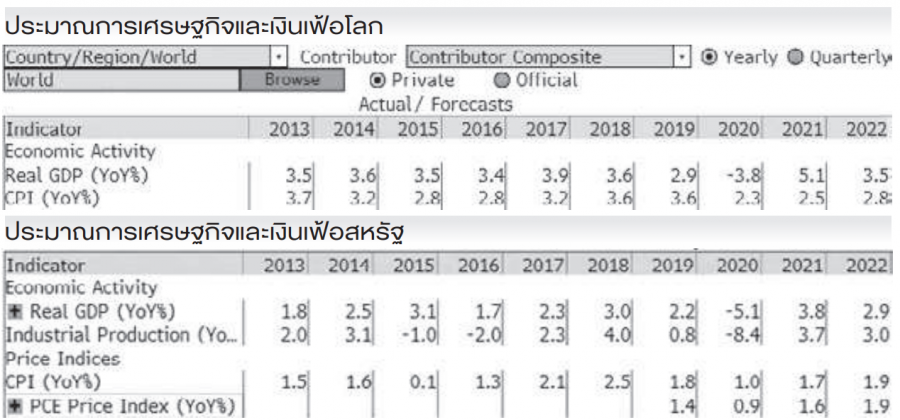
Figure 1: Global Economic and Inflation Estimates; Figure 2: U.S. Economic and Inflation Estimates | Source: Bloomberg
Looking at the U.S. economic figures for the third quarter of 2020, which are being released gradually, we see signs of recovery in employment, production, and consumption figures. Even though the number of COVID-19 cases in the U.S. is still rising, the death rate has decreased.
Another crucial point is the vaccine development, which is progressing from China, Russia, and the U.S. If the world can expect a vaccine soon and distribute it widely, consumer confidence and tourism are likely to recover significantly.
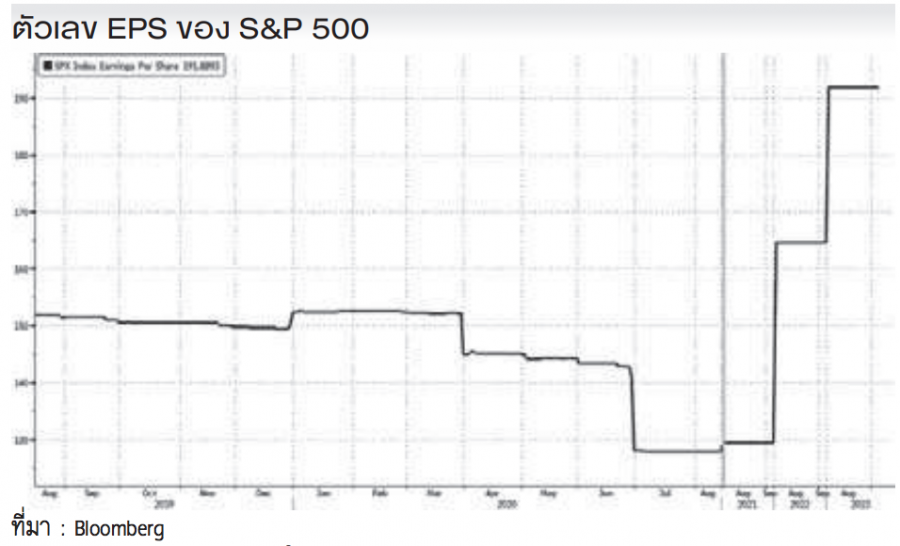
Figure 3: EPS Figures of S&P 500 | Source: Bloomberg
If we look at the earnings per share (EPS) of the S&P 500 index after the second quarter reports, which is expected to be the worst quarter impacted by this crisis, the EPS stands at around 130. Analysts predict that the EPS will rise to 165 next year, which would reduce the P/E ratio from 26 times to 20 times. As the year progresses, investors will start to focus on the profit trends for the following year and whether they will recover quickly or slowly.
- When Will the Stock Market Stop Rising?
While the fundamentals are starting to look better for next year, we must not forget that the stock index, especially in the U.S., has risen significantly, leading to one of the highest valuation levels in history.
The high valuations are due to the loose monetary policy that has kept interest rates near zero, along with substantial monetary (QE) and fiscal stimulus measures, marking one of the largest injections in history.
Whenever the FED starts to see inflation at a satisfactory level of 2%, up from the current Core PCE of about 1%, and employment figures return to normal, the QE injections will likely decrease. The author believes that the market will undergo a significant correction similar to when the FED halted QE in 2013.
In summary, we are in a situation where equities are considered a good investment because the market will begin to focus on the economic recovery and profit trends for 2021. Meanwhile, low interest rates and QE will likely continue throughout this year. Investors should closely monitor inflation and employment figures; once they approach the FED's target (likely around the end of 2021), it would be wise to prepare and reduce portfolio risks at that time.
SOURCE: www.bangkokbiznews.com