Mega Project Worth 1.947 Trillion Baht to Boost EEC; 500,000 Engineers Needed in 5 Years
The government's mega project worth 1.947 trillion baht is set to invigorate the EEC, with a demand for over 500,000 engineers in the next 5 years.
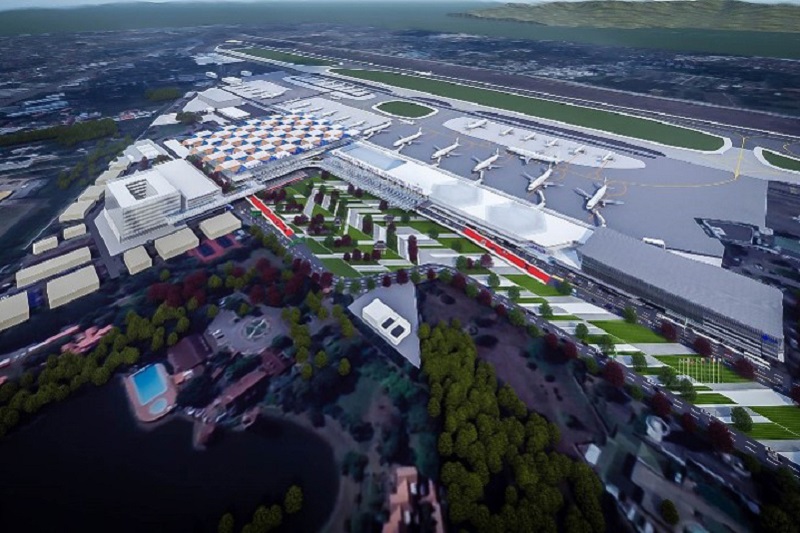
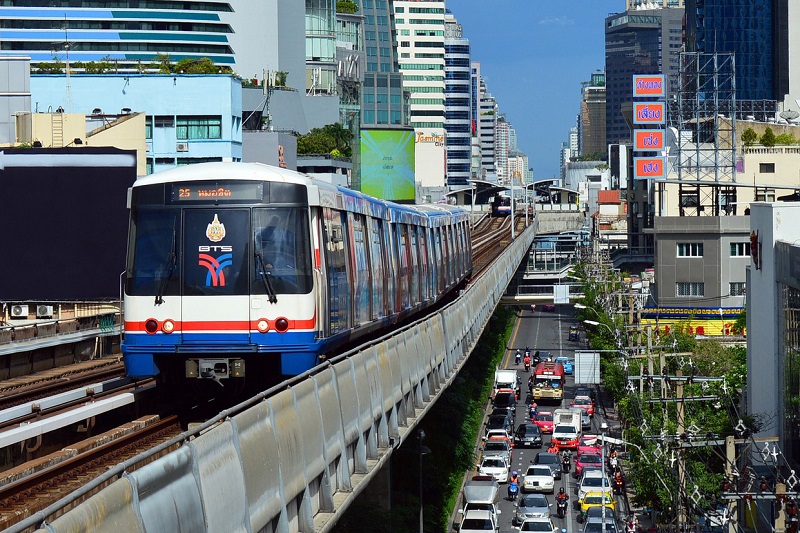
The investment in the government's Mega Project focuses on the country's transportation infrastructure over an urgent 8-year period (2015 - 2023) involving 44 projects with a budget of 1.947 trillion baht. This aims to enhance road, rail, waterway, and air transport systems, particularly in rail projects such as the construction of 7 dual-track railway routes covering 993 km, including routes from Chachoengsao to Khlong Sip Kao to Kaeng Khoi, and from Jirath Road Junction to Khon Kaen. Other significant projects include the high-speed rail collaboration between Thailand and China covering 252 km, three expressway routes from Pattaya to Map Ta Phut, Bang Pa-in to Nakhon Ratchasima, and Bang Yai to Kanchanaburi, as well as the massive investment in high-speed rail connecting three airports, the expansion of Suvarnabhumi Airport, U-Tapao, and investments in special economic zones and mass transit systems throughout Bangkok.
Currently, there are 29 projects with a total investment value of 1.2 trillion baht that have been approved by the Cabinet. There are 17 projects under construction worth a total of 782.329 billion baht, and 12 projects in preparation with a budget of 412.739 billion baht. The Ministry of Transport is accelerating and pushing these large-scale projects to align with the investment plan alongside the "Thai First: Thai Make, Thai Use, Thais First" policy, promoting the involvement of Thai engineers and technicians, supporting the use of locally produced components in large investment projects, and encouraging technology transfer in design, construction, and production processes from Thailand instead of relying on imports. This aims to foster learning and development so that Thai people can manage independently in the future, reducing dependence on foreign countries while also focusing on research and development of new innovations.
Undoubtedly, the development of transportation infrastructure will enhance Thailand's strength, particularly in the Eastern Economic Corridor (EEC), which is currently being driven forward concretely. This has attracted major investors from two groups, China and Japan, who have manufacturing bases in China, looking to invest to escape the trade war between China and the United States. They are seeking new investment locations to avoid the impacts of the trade war, focusing on two countries in the ASEAN region: Thailand and Vietnam, especially in the EEC.
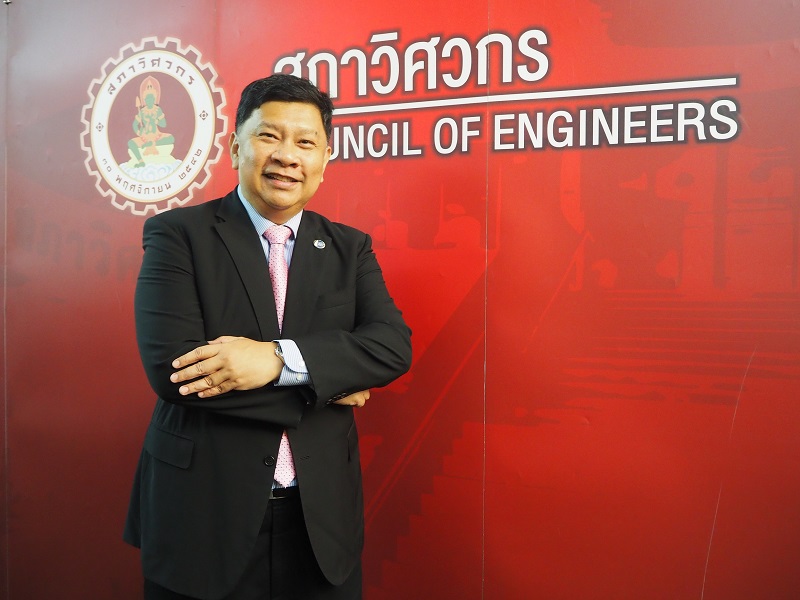
Mr. Weerapong Chai-perm, a special expert in target industry investment at the Eastern Economic Corridor Policy Committee (EEC), noted that the investment projects in the EEC amount to over 1.7 trillion baht, which are large projects requiring personnel, especially engineers. It is estimated that in the next 5 years, there will be a demand for a total of 475,674 engineers. The investment in the EEC Project List, comprising 5 projects expected to start moving forward in the second half of the year, includes the high-speed rail connecting Don Mueang, Suvarnabhumi, and U-Tapao airports. The other 4 projects will gradually sign contracts around the same time, including the development of U-Tapao Airport and the Eastern Aviation City, U-Tapao Aircraft Maintenance Center, Phase 3 of Laem Chabang Port, and Phase 3 of Map Ta Phut Industrial Port, with a total investment value of approximately 652.559 billion baht. This investment is in the form of PPP, where the government invests 32% or about 209.916 billion baht, while 68% or 442.643 billion baht comes from the private sector. The expected economic return from all 5 projects is clearly stated to be 819.662 billion baht, with the government receiving a financial return of 446.960 billion baht over the 50-year project duration, totaling 1.266.622 trillion baht in returns. Therefore, the importance of developing Thailand necessitates preparing a new generation of engineers with skills and knowledge that align with the labor market in the EEC, despite current challenges regarding technology transfer and the unclear opportunities for Thai engineers to participate and what is needed from them.
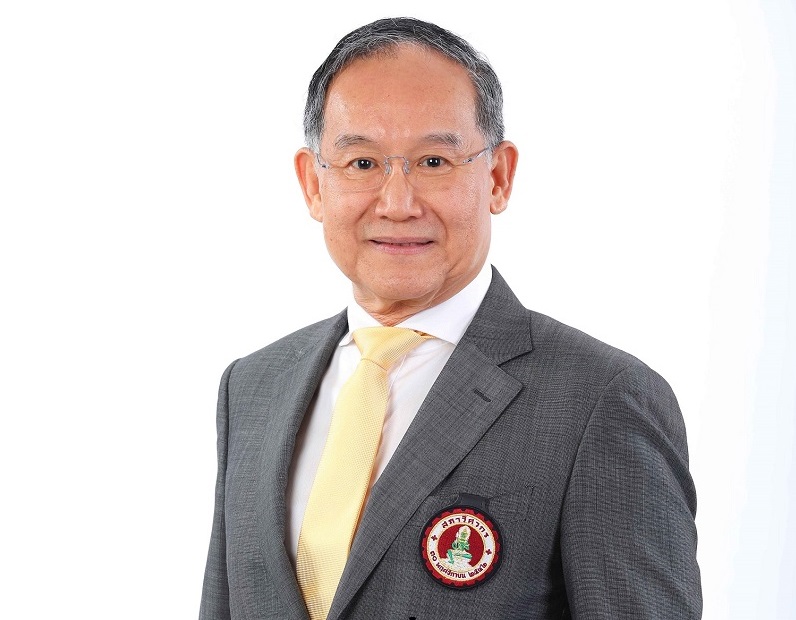
Dr. Prasert Tapaneyangkoon, Secretary-General of the Engineering Council, stated that from the government's large-scale investment projects in transportation infrastructure, there are still limitations regarding the transfer of engineering technology in design, construction, and production to Thai engineers. This leads to Thailand's continued reliance on technology and the import of construction materials from abroad. The Engineering Council, as a representative of Thai engineers, seeks to have the government provide opportunities for Thai engineers to collaborate with foreign engineers involved in investment projects, particularly to facilitate technology transfer that enables Thai people to learn and become self-reliant in the future. This model has been successfully implemented in China.
Thailand needs to develop the skills of engineers currently in the labor market to ensure they have the skills and knowledge that meet market demands. The Engineering Council, responsible for professional standards, must adjust the certification standards for engineers to be comprehensive and open enough to accommodate new industrial sectors emerging in the EEC.
This initial phase of projects is seen as a promising start to effectively utilize the geographical location of our country. As many know, Thailand serves as a connecting point between economic zones in the region, whether from China down to Indonesia or from Vietnam across to Myanmar. It is likely that in the future, once these projects are completed, the EEC will provide opportunities for new businesses to emerge, supporting new cities and industries, while also making domestic travel and transport more convenient with improved connections by land, water, and air.