SCG Invites Homeowners to Stay Informed! The Hidden Dangers of Substandard Building Materials and Tips for Choosing Quality Materials for Long-Term Well-Being
Today’s living environment is evolving with societal changes and the lifestyle of the 4.0 generation, leading to new housing trends such as homes for the elderly, eco-friendly homes, innovative homes, and smart homes. All these trends aim to enhance the quality of life. However, one crucial aspect that deserves special attention, regardless of the housing trend you choose, is that the building materials used for construction and decoration must be free from toxins or harmful chemicals. Substandard building materials may contain hazardous substances such as asbestos and lead, which can spread throughout the home. Prolonged exposure through inhalation or contact can adversely affect the health of residents, particularly young children and the elderly, potentially leading to allergies, headaches, coughing, and unexplained illnesses, or even increasing the risk of chronic diseases like cancer. As a construction materials expert, SCG wants homeowners, the general public, and contractors to be aware of these hidden dangers and to pay more attention to selecting building and decorative materials for the true well-being of everyone in the household.
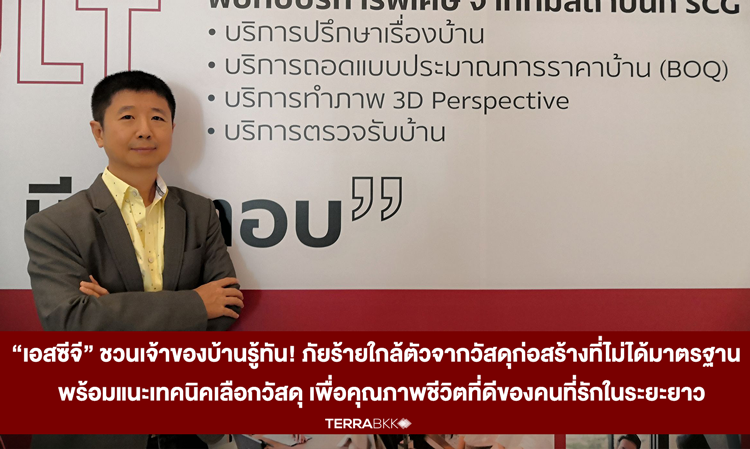
Mr. Jue Kuppitthala, Consult and Design Solution Business Lead at SCG, stated that we spend most of our daily lives engaging in activities and resting at home, making it difficult to avoid contact with and inhalation of toxins from building materials. Therefore, homeowners, household members, and construction contractors should be aware of these hidden dangers to avoid them and find ways to protect household members from various toxins.
Get to Know the 2 Major Toxins Commonly Found in Building Materials
1. Asbestos is a natural mineral that appears as fibers mixed within rock. It has been used as a component in various building materials such as roofing tiles, ceiling panels, cement pipes, thermal insulation, and synthetic wood panels. Prolonged inhalation can lead to chronic diseases such as pneumonia, lung cancer, and mesothelioma, and it can also pose risks to reproductive health.
2. Lead is a heavy metal that is soft and easily melted, making it suitable for casting into various shapes. It is commonly used to produce faucets and showerheads. If produced without standards, lead can contaminate water. Ingesting or coming into contact with lead can cause lead poisoning symptoms such as fatigue, headaches, irritability, loss of appetite, nausea, vomiting, numbness in limbs, or even memory loss and lack of concentration. In severe cases, it can lead to seizures, stupor, unconsciousness, and death.
SCG, as an organization committed to developing safe and environmentally friendly products and providing comprehensive solutions, recommends basic techniques for safely selecting building materials: choose trusted brands that comply with industrial product standards (TIS) or certifications from reputable institutions. Additionally, users should seek information or further verify the production processes and materials used by each brand.
Helpful Tips for Choosing 3 Essential Groups of Building Materials for Your Home
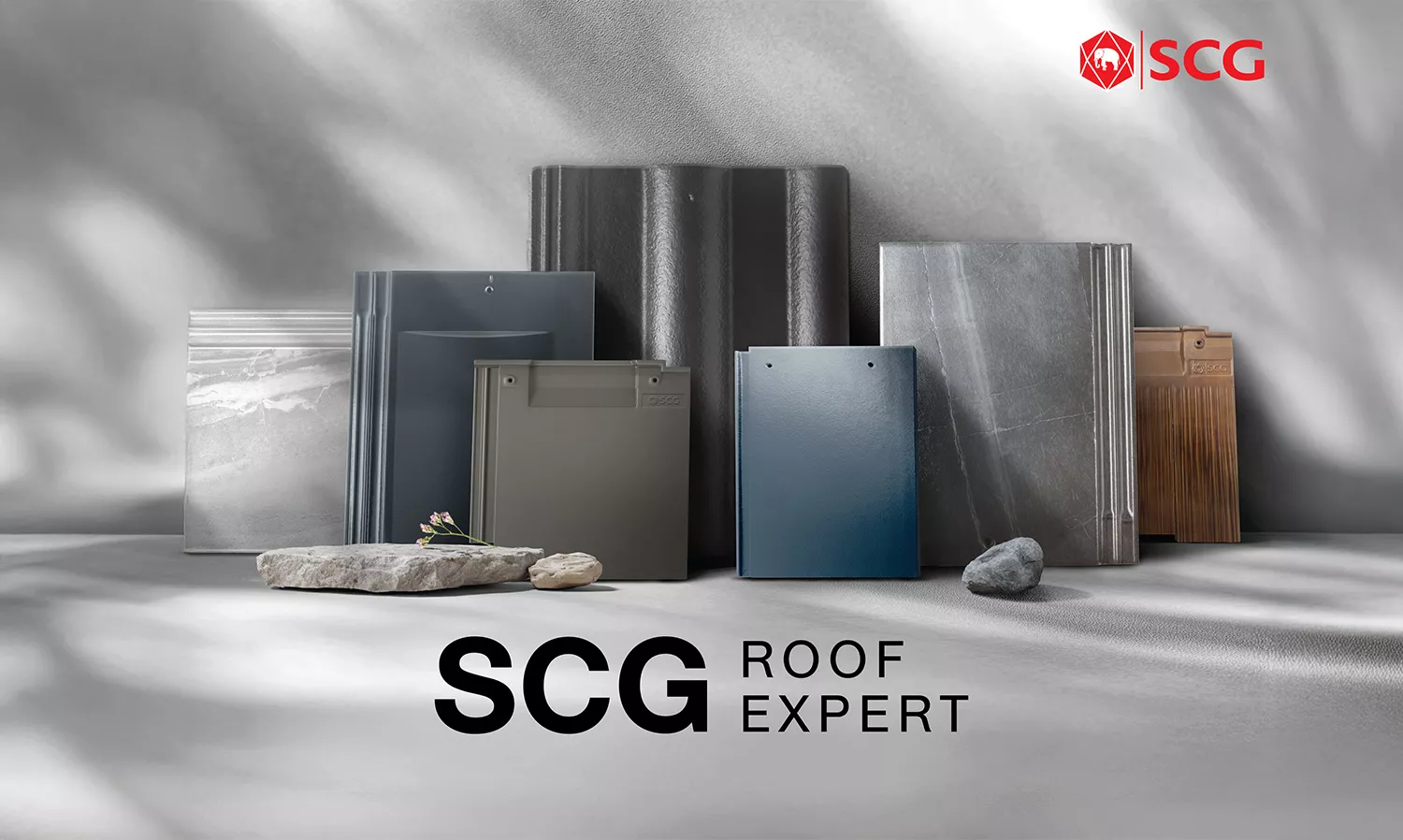
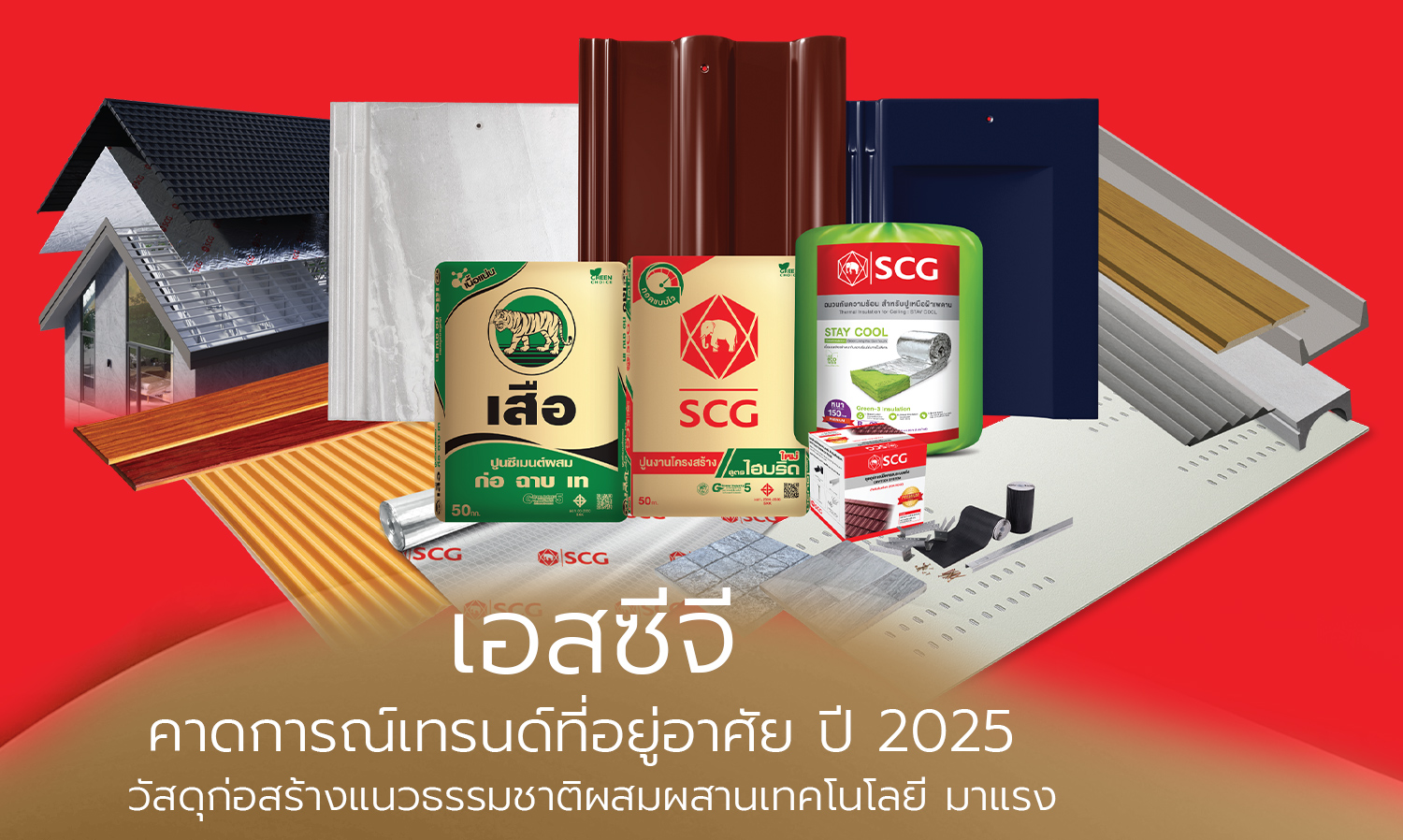
Roofing Tiles, Ceiling Panels, and Synthetic Wood should be sourced from manufacturers that use production technology without asbestos, opting for natural or specially engineered synthetic fibers, such as fiber cement, which are safe substitutes for asbestos. Utilizing modern production processes and materials will result in products that are stronger, more durable, non-toxic, and more resilient to microorganisms, mold, bacteria, and chemicals. SCG is the first construction materials manufacturer in Thailand to adopt asbestos-free production innovations.
Thermal Insulation is often misunderstood as a dangerous material like asbestos. However, glass wool insulation consists of large cylindrical structures that cannot enter the lungs. When selecting glass wool insulation, look for additional certifications from reputable agencies, such as SCG's STAY COOL thermal insulation, which is certified by the International Agency for Research on Cancer (IARC) of the World Health Organization. Additionally, glass wool insulation is safe as it is non-combustible, ensuring user safety.
Faucets and Showerheads should be made from high-quality metals that do not contaminate water with harmful heavy metal particles, such as brass, copper alloys, bronze, or stainless steel. If lead is present, it must not exceed the standards set by TIS, with lead levels in tested water not exceeding 0.007 milligrams per liter. Furthermore, consider the exterior finish, choosing products that are coated, not dented, blistered, warped, cracked, bulging, or stained. COTTO faucets and showerheads utilize innovations to control four types of heavy metals (lead, cadmium, copper, zinc), and all models meet TIS standards, ensuring they are free from contaminants.
Now that you know this... before deciding to build or renovate your home, remember to pay attention to selecting building materials to prevent chemical hazards and create a safe, worry-free relaxation space. If you need more information about building materials, feel free to contact the SCG HOME Contact Center at 02-586-2222 or visit the website www.scgbuildingmaterials.com
Thank you for the information from www.scgbuildingmaterials.com