10% Tax Reduction for Salaried Workers Likely to Fail!
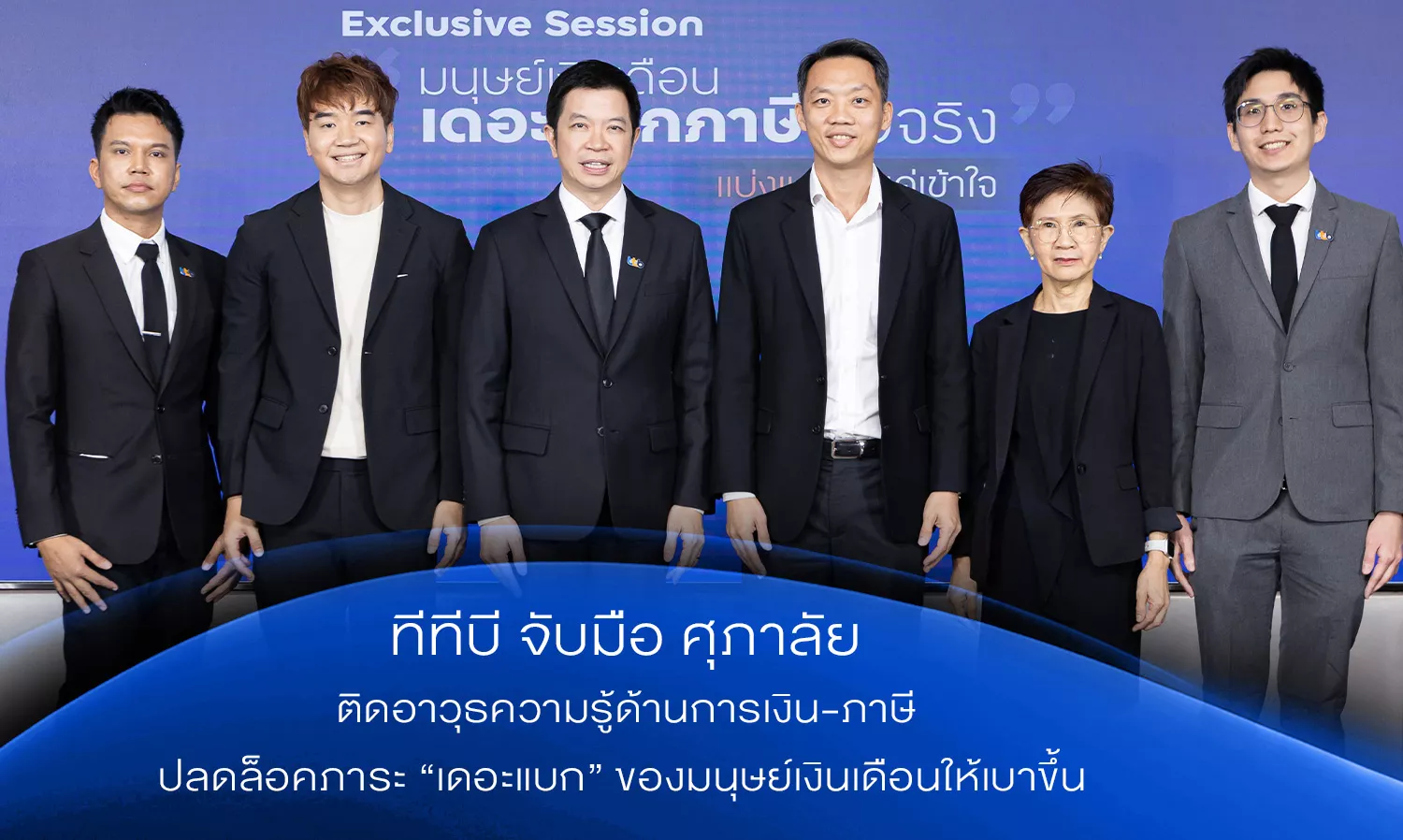
On September 16, 2019, Mr. Prasong Poontaneat, the Permanent Secretary of the Ministry of Finance and Chairman of the Tax Structure Reform Committee, revealed that he has assigned three tax departments, namely the Revenue Department, the Excise Department, and the Customs Department, along with the Fiscal Policy Office (FPO), to expedite the study of linking tax data from all agencies together. This aims to enhance the efficiency and speed of tax collection, facilitate taxpayers, and ultimately benefit the country by increasing tax revenue.
The Tax Structure Reform Committee has already held its first meeting and has instructed each agency to review the current tax collection methods to ensure they are modern and responsive to technological and global changes. Any obstacles identified must be addressed, and many issues have already been studied by the respective tax departments.
“We will need to hold several more meetings because tax matters are sensitive. We must conduct public consultations to gather opinions from society on how the country's tax collection should be structured,” Mr. Prasong stated.
Mr. Prasong further stated that regarding the proposed 10% reduction in personal income tax as part of the coalition government's campaign policy, a comprehensive study is necessary. It cannot be concluded within this year, as the implementation must consider fairness for all parties, including both businesses and citizens. Thailand aims to provide good welfare while minimizing tax burdens, which contrasts with developed countries where high taxes fund extensive welfare systems, such as in Europe.
The tax reduction must primarily benefit low- and middle-income earners, rather than disproportionately favoring the wealthy or affluent. It is essential to assess whether a reduction in personal income tax would genuinely benefit low-income individuals, as typically, they do not pay taxes and thus would not gain from such a reduction. Conversely, this could benefit those who already pay taxes by reducing their tax liabilities.
“A 10% reduction in personal income tax is possible, but it must be viewed holistically. We need to consider what kind of 10% reduction it would be. If there is a real reduction, those who previously received exemptions would no longer receive them, and those who have never paid taxes would need to start paying taxes. It is impossible to reduce taxes without compensating for the lost revenue elsewhere; nothing comes for free,” Mr. Prasong explained.
Currently, the disparity between personal income tax and corporate tax is minimal, as the corporate tax rate stands at 20%. However, businesses also have to pay taxes on dividends, resulting in a combined tax burden of 28%. In contrast, individuals pay a maximum personal income tax rate of 35%, but after deductions, the effective tax rate is around 29%. This indicates that the actual tax burden for individuals and corporations is quite similar, with little disparity.
Thank you for the information from www.thaipost.net