S-Curve Industry Drives 3.45% Growth in Plastic Demand
The Thai-German Institute indicates that the demand for plastic in Thailand continues to grow. According to statistics, the average growth rate of plastic production in Thailand over the past five years is 3.45% per year. The production volume of plastic pellets last year was 9 million tons, reflecting a 5.8% increase from the previous year. Plastic remains a crucial upstream raw material for various industries, with the growth in demand driven by the S-Curve industries, which consistently require more plastic.
Mr. Somwang Boonrakcharoen, Director of the Thai-German Institute stated that despite the increasing campaigns to reduce plastic use and a downward trend in consumer plastic usage, plastic remains an essential raw material for production across various industries. This allows different sectors to adapt suitable types of plastic for their businesses. The statistics show that the average growth rate of plastic production in Thailand over the past five years is 3.45% per year, with last year's production volume at 9 million tons, up 5.8% from the previous year.
The main factors supporting the growth in plastic usage include the S-Curve industries such as agriculture and biotechnology, food processing, aviation, and logistics. These industries are seen as having the potential to evolve into a new economy and attract significant investment into the country. For example, in 2017, the following industries significantly incorporated plastic into their production:
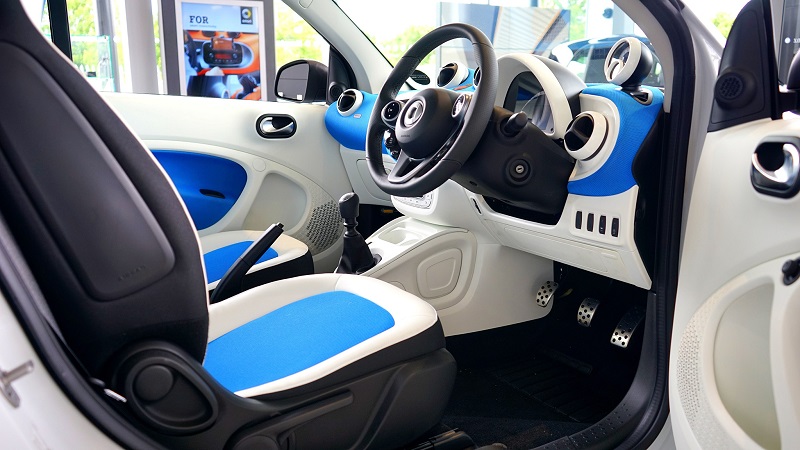
Automotive Industry produced 364 kilotons per year, accounting for 6.9% of annual production, with a production value of 97.203 billion baht, or 13.0% of annual production value. Examples of plastic products in the automotive industry include exterior and interior decorative parts and automotive instrument panels.
Electronics Component Industry produced 838 kilotons per year, representing 15.9% of annual production, with a production value of 179.666 billion baht, or 24.1% of annual production value. Examples of plastic products in the electronics component industry include plastic parts in control panels and electrical plugs.
Medical Industry produced 51 kilotons per year, accounting for 1.0% of annual production, with a production value of 49.861 billion baht, or 6.7% of annual production value. Examples of plastic products in the medical industry include medical gloves, feeding tubes, IV sets, medical instruments, and pharmaceutical packaging.

Thailand is the leading plastic production base in the Asia region, with a diverse range of plastic usage across various industries. The growth trend of the economy, aligned with Thailand 4.0 policies, encourages companies to commit to delivering advanced manufacturing technologies and innovations. This supports Thai entrepreneurs in responding to government policies aimed at enhancing competitiveness in various industries on a global scale. As a manufacturer of plastic injection molding machines, which are crucial in the plastic production chain, the company recognizes the importance of selecting high-quality manufacturing technologies from the outset, which can help industries reduce production costs, increase efficiency, and save time and resources. They are ready to advance towards becoming smart factories and enhance their competitiveness in the global industry.

The challenge for Thai manufacturers is accessing advanced technology or innovative production methods to enhance the production capabilities of Thai entrepreneurs. Therefore, the Thai-German Institute, in collaboration with Messe Düsseldorf Asia, is preparing to organize the T-Plas 2019, the largest technology exhibition for the plastic and rubber industry, scheduled to take place from September 18 to 21, 2019, at BITEC Bangna, Bangkok. The event will showcase cutting-edge technologies and solutions from leading companies worldwide to promote opportunities for Thai entrepreneurs in related industries and strengthen the downstream industry by improving the quality and standards of upstream raw material production.