IWG Reveals Global Survey: Over 83% of Modern Employees Prefer Flexible Work
IWG, the operator of leading global office space brands such as Regus and Spaces, conducted a survey of over 15,000 business professionals across 80 countries. The results revealed that 83% of respondents view 'flexible working' as the new normal for today's workforce and consider it a crucial factor when choosing an organization to work for, prioritizing flexible work environments over the number of vacation days. Furthermore, organizations lacking flexible work policies are likely to lose high-skilled employees compared to those that offer flexibility in both work hours and locations. Over the past decade, more than 85% of organizations have increased their flexible working policies.
60% of respondents believe that some organizations struggle to implement flexible working concepts, particularly those with long-standing practices. These organizations often face limitations in increasing flexibility due to concerns that such changes might impact their established culture and working methods.
(Note: Most respondents defined flexible workspace policies as the ability to choose and change their work locations.)
Mr. Lars Wittig, Vice President of Sales for the ASEAN region at IWG, stated, "The Global Workspace Survey from last year highlighted a significant shift, and this latest survey clearly shows that flexible working is now a focus for organizations aiming to enhance productivity, agility, and attract talented individuals. Over 50% of respondents expressed a desire to work remotely at least 2-3 days a week."
Organizations worldwide must enhance their adaptability to align with the changing global landscape. The survey results underscore the necessity of integrating flexible working concepts into organizations to reap various benefits, such as strategic and financial advantages, attracting younger talent, and retaining skilled employees.
- 83% of employees globally would decline job offers with inflexible working conditions.
- 54% of respondents prioritize the ability to choose their workplace over working for a prestigious company.
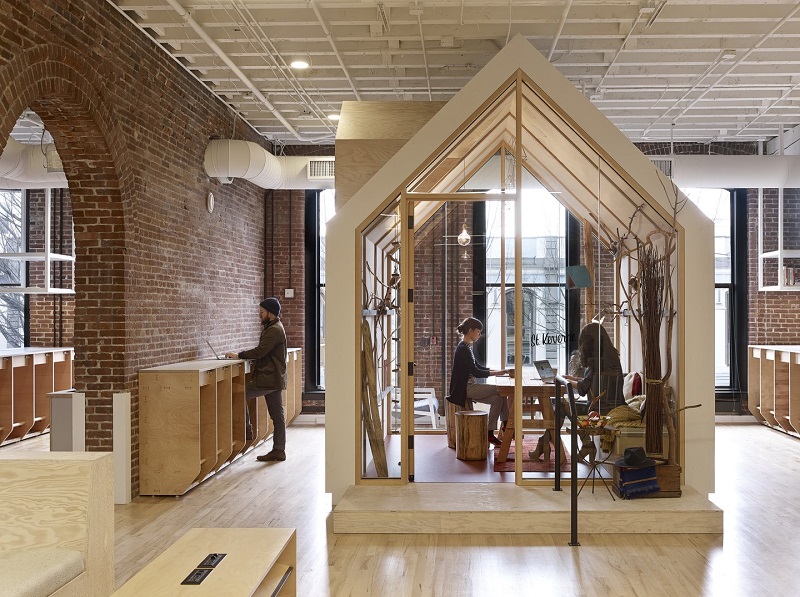
Attracting and Retaining Skilled Employees
According to the survey, 71% of respondents believe that implementing flexible working concepts can help attract and retain skilled employees while meeting organizational needs. This aligns with employees' views on flexible working, with 32% of respondents indicating that flexibility is more important than increased responsibilities.
Currently, most employees prioritize work-life balance, with the survey indicating that flexible working contributes to achieving this balance for 78% of respondents. It also fosters a better working environment for employees affected by stress, mental health issues, and older workers.

Improving Work Efficiency
Flexible working not only enhances employee happiness and health but also contributes to improved work efficiency. Over 85% of respondents confirmed that flexibility is a key factor in achieving optimal work performance, while 21% attributed good performance to flexible working arrangements. This data aligns with United Nations findings that decreased work efficiency has significantly impacted global economic slowdown in recent years.

Business Agility
In the current volatile economic climate, organizations and entrepreneurs are prioritizing business agility and cost savings. 55% of respondents confirmed that in 2019, organizations need greater operational flexibility and are looking to expand internationally. Additionally, 64% indicated that flexible working enhances efficiency and accelerates market entry into new countries. 66% of respondents prefer flexible working arrangements to support business expansion, and 65% aim to reduce costs by utilizing flexible office spaces and comprehensive services.
Reducing Commute Times
The survey also revealed that 40% of respondents consider daily commute times the worst part of their job, believing commuting may become obsolete in the next decade (by 2030). 22% reported regularly arriving late due to morning traffic congestion, spending significant time commuting, and suggested that organizations should adjust employee work hours to account for commuting time.
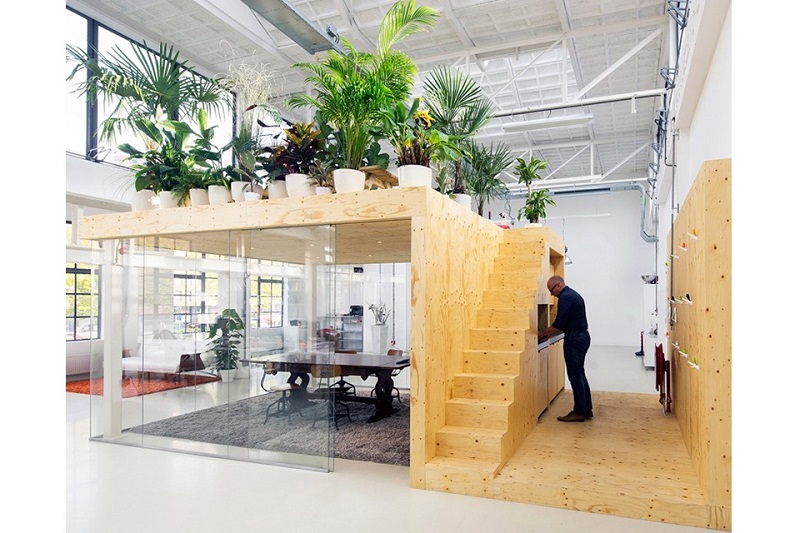
A New Work Context
For business owners and employees, over 50% of respondents view flexible working as the new context for today's workforce. Most employees now spend more time working remotely than in the office, averaging 3-4 days a week or more. This is evident as over 70% of respondents cited the work environment as a crucial factor in their job change decisions, and the flexible working concept provides organizations with opportunities to enhance employee productivity and attract skilled talent.
Source: IWG