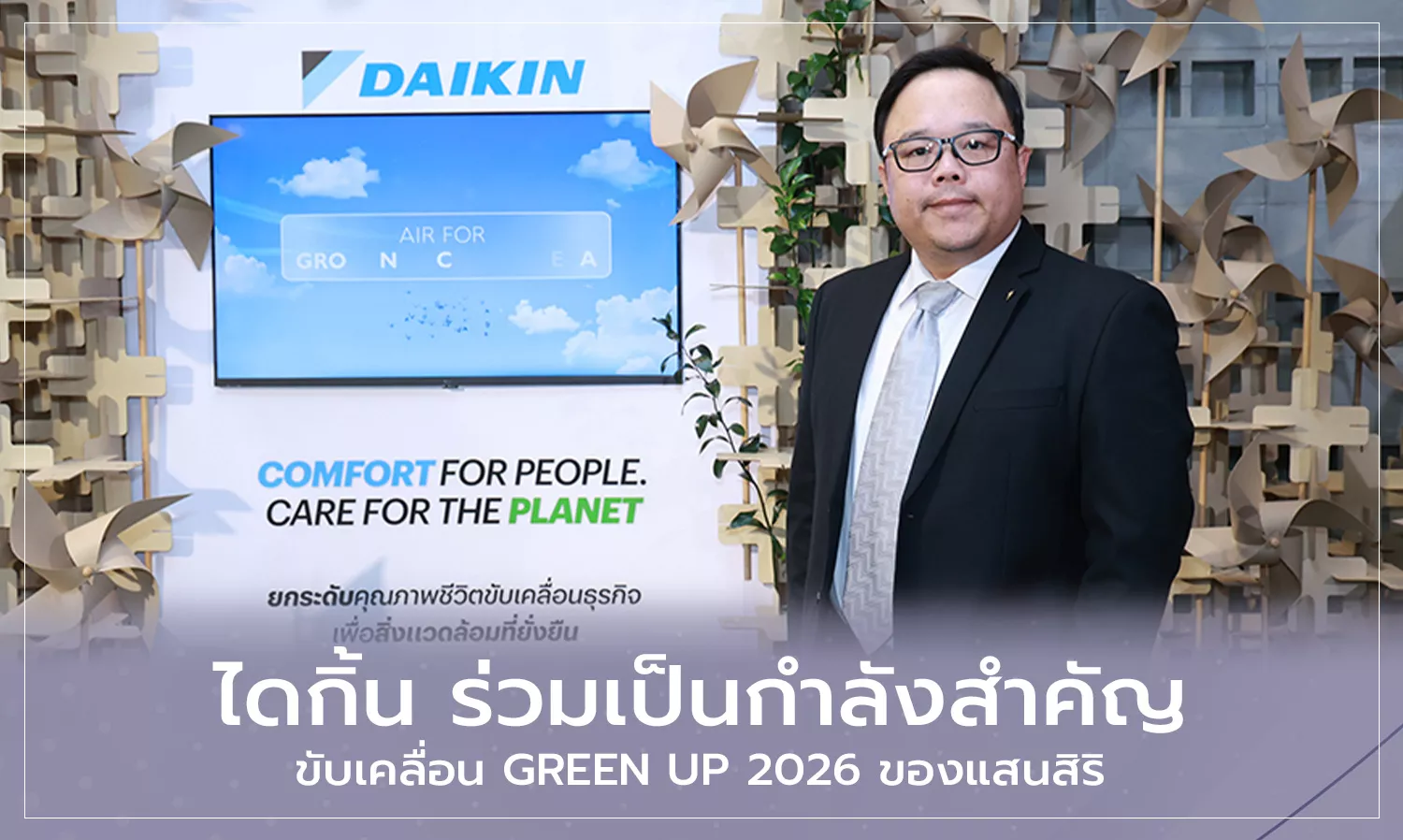
Daikin Joins as a Key Force Driving GREEN UP 2026 by Sansiri
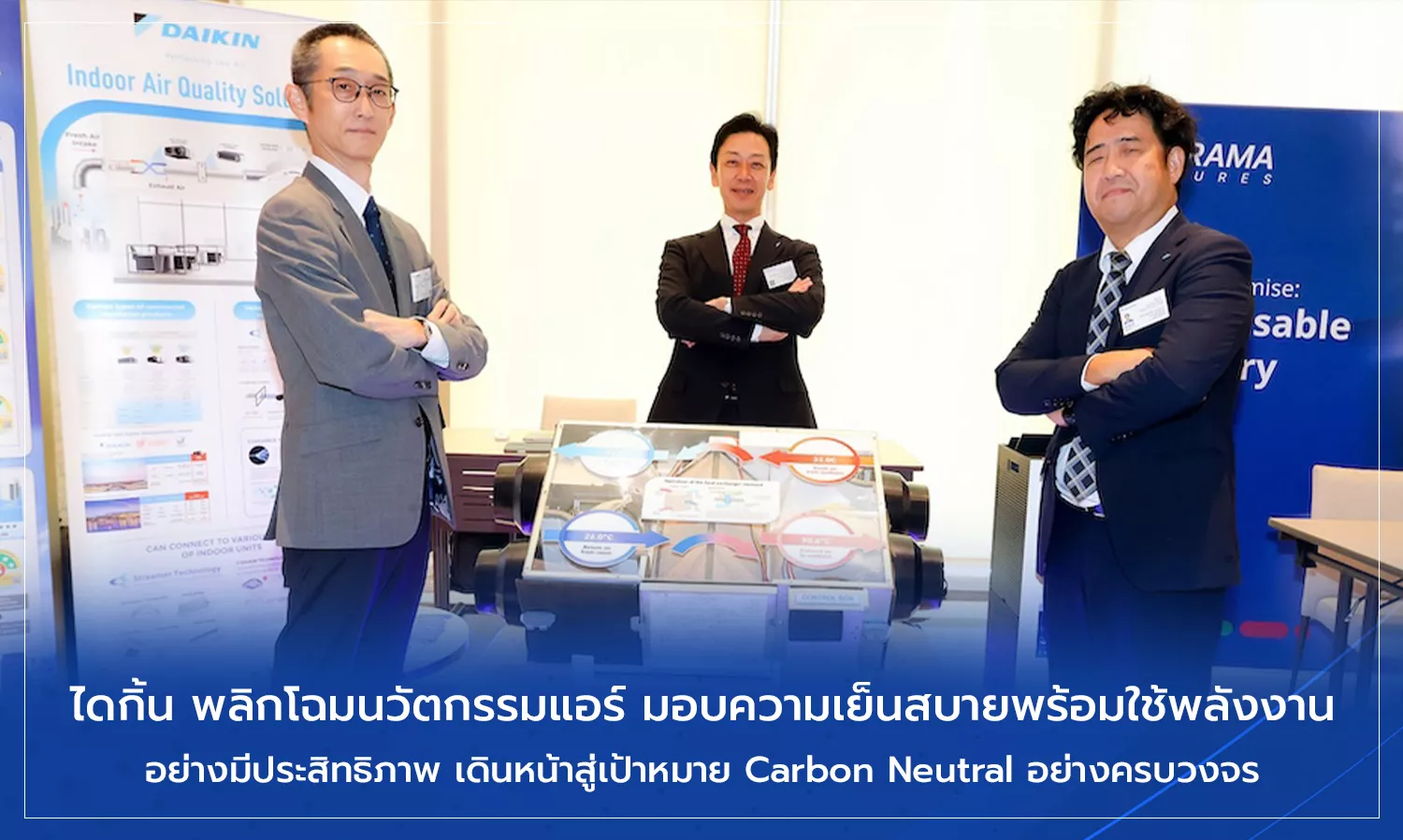
Siams Daikin Sales Co., Ltd., a leader in air conditioning systems and global clean air solutions, has partnered with the business sector at the annual sustainability forum “GREEN UP 2026: Towards a Regenerative Future,” organized by Sansiri Public Company Limited. They participated in a panel discussion titled “Aligning Business with Thailand Taxonomy,” reinforcing their commitment to advancing the air conditioning business towards a low-carbon economy by reducing greenhouse gas emissions from products, the supply chain, and by building knowledge among industry personnel.
This year marks the third edition of GREEN UP 2026, which elevates the event's concept to “Regenerative Business,” moving from merely reducing impacts to systematically creating positive value for the economy, society, and the environment. This comes amid the introduction of the new Thailand Taxonomy Phase 2, which expands its scope to include the building and real estate development sectors by measuring energy efficiency and carbon reduction throughout the building's lifecycle. As a business partner in the supply chain of the building industry, Daikin participated in this forum to share practical business practices that the organization has implemented in its transition towards sustainability.
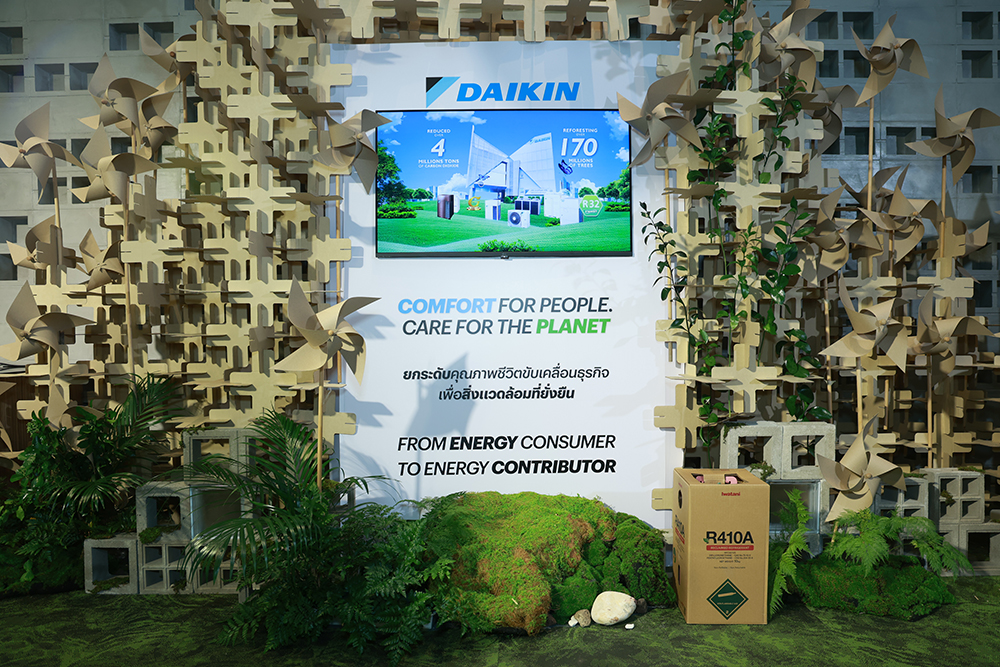
Mr. Warut Lekachirakool, General Manager of Project Sales at Siams Daikin Sales Co., Ltd., stated that for Daikin, the sustainability standard of Thailand Taxonomy is not something the organization has to start from scratch. Daikin has been operating under the concept of reducing environmental impact for over 10 years, being one of the pioneers in introducing R32 refrigerant, which has a lower global warming impact compared to previous refrigerants used in Thailand. Therefore, the arrival of Thailand Taxonomy acts as a catalyst that helps drive Daikin's global environmental goals into tangible outcomes and confirms that the direction the organization has been pursuing aligns with the country’s goals and increasingly meets international standards.
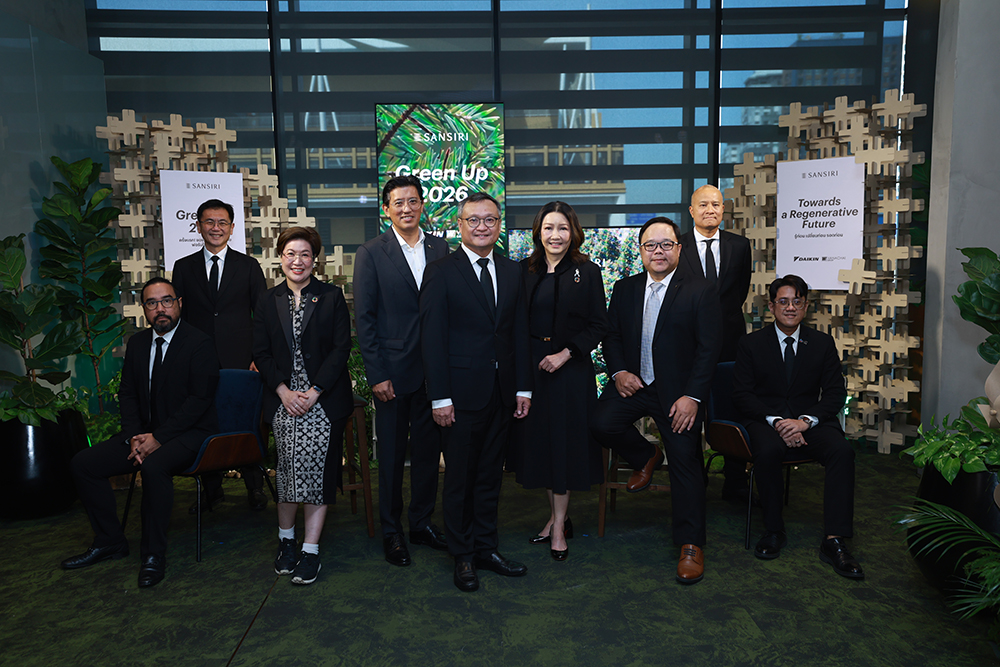
“Since air conditioning systems are a significant factor in energy consumption and carbon emissions in the building and residential sectors, Daikin has chosen to tackle the problem at the point of greatest impact through two main strategies. The first is to develop high-efficiency, energy-saving products using advanced inverter technology to help reduce carbon emissions throughout their lifecycle. The second is to continuously develop technologies that support the transition to environmentally friendly refrigerants to mitigate future climate impacts,”
Mr. Warut added regarding the challenges of Thailand Taxonomy, viewing sustainability as not just a product issue but one that must encompass the entire value chain.
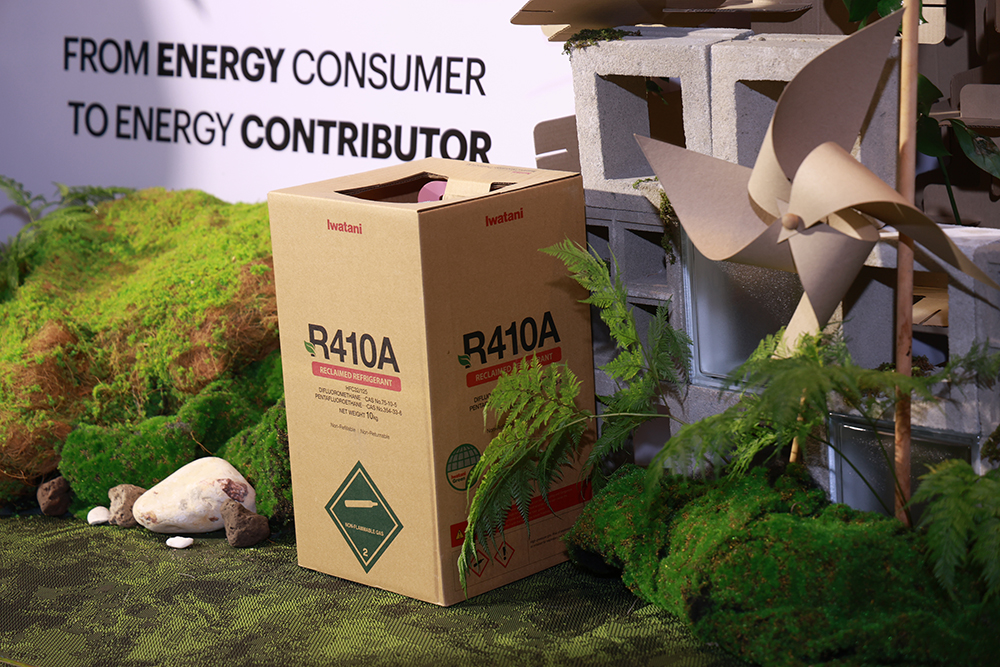
“Currently, Daikin uses over 95% domestic materials and components. Therefore, adapting to Taxonomy is not just happening within Daikin's factories; we view this in collaboration with suppliers, partners, contractors, and all related service providers. One concrete practice is reclaiming refrigerants returned from the market through a quality restoration process before reusing them, which helps reduce greenhouse gas emissions and supports the concept of a circular economy. Although this process incurs higher costs, we believe it is essential for the transition to a low-carbon economy. The challenge here includes building understanding throughout the supply chain that investing in sustainability today creates value for society and the environment in the long term.”
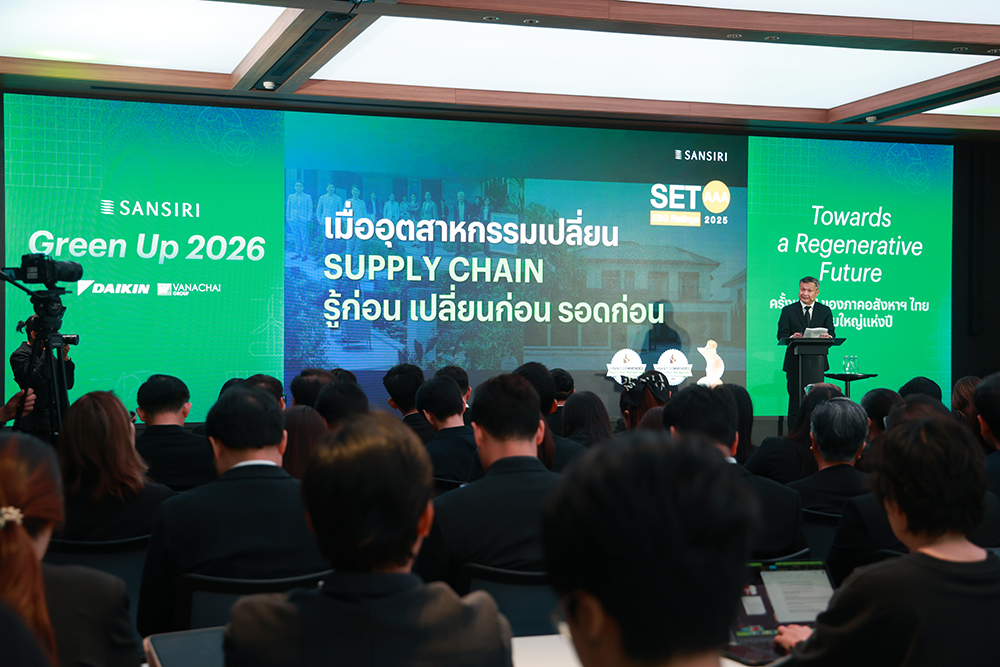
Partnering with Sansiri to Promote “People” – Supporting SMEs to Lay the Foundation for True Transition
Collaboration with “Sansiri” and partners at the GREEN UP 2026 forum reinforces Daikin's role through the design of green architecture, building on high-performance products by incorporating smart energy management systems to elevate projects to meet international standards, transforming legal compliance into tangible electricity savings for residents.
Moreover, what Daikin prioritizes most during this transition is the aspect of ‘people’. While Thailand Taxonomy provides a framework for guiding sustainability, the real outcomes depend on personnel who are knowledgeable, understand, and can correctly implement these approaches. For this reason, Daikin places great importance on transferring technology and knowledge from Japan to Thailand to elevate the standards of the air conditioning and refrigeration industry as a whole.
In the past, Daikin has collaborated with the Office of the Vocational Education Commission (OVEC) to support teaching and learning for students and vocational personnel nationwide, including proper air conditioning installation, enhancing energy efficiency, and recycling refrigerants in an environmentally friendly manner. Additionally, this year, Daikin is developing a National Training Center to serve as a learning hub for air conditioning technology, refrigeration systems, and carbon reduction strategies for industry personnel.
Daikin also emphasizes the importance of the SME sector, viewing the current period as challenging due to economic conditions, rising costs, and competition. However, Daikin sees Taxonomy not as an additional requirement or burden but as an opportunity to elevate business operations. In the future, customers, investors, and financial institutions will increasingly value businesses that demonstrate environmental responsibility and tangible carbon reduction. Companies that begin to adapt early will have a competitive advantage and greater access to funding sources in Green Finance and Transition Finance.
“For Daikin, we are ready to support all types of entrepreneurs, including training, personnel development, knowledge transfer, and consulting on sustainability solutions. We believe that the transition to a low-carbon society can only happen when all sectors can grow together, aligning with the spirit of the GREEN UP 2026 forum that aims to drive the entire business ecosystem towards Net-Zero goals and a sustainable future together,” Mr. Warut concluded.