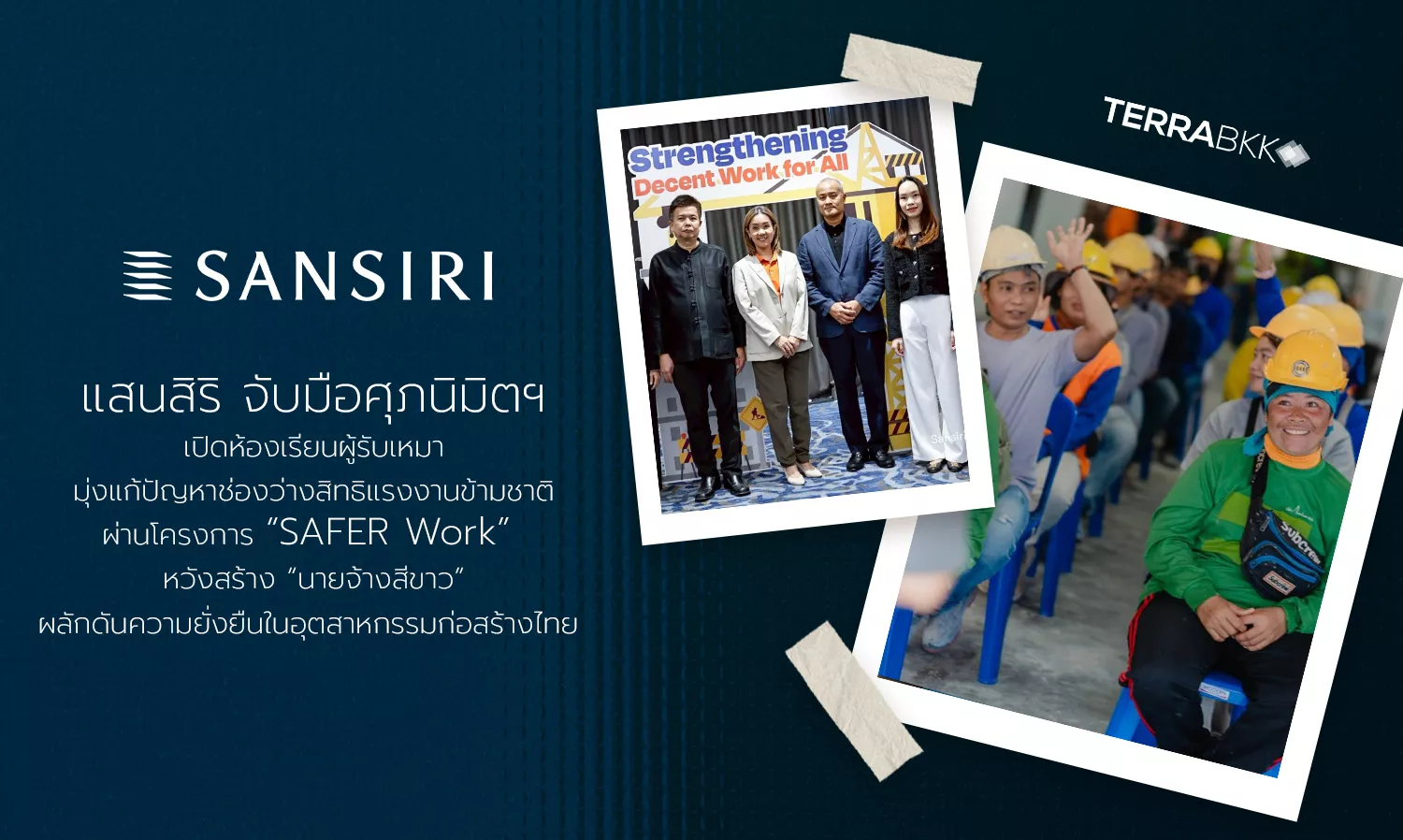
Sansiri Partners with World Vision Foundation to Launch Contractor Training Program Aiming to Address Gaps in Migrant Workers' Rights through the 'SAFER Work' Initiative
- Sansiri reaffirms its leadership in sustainability on National Labor Day by collaborating with the World Vision Foundation of Thailand to advance the 'SAFER Work' initiative.
- Launching a Contractor Training Program aimed at creating 'White Employers' to enhance fair employment practices and address gaps in migrant workers' rights.
- Emphasizing its commitment to promoting equality, human rights, and the quality of life for construction workers, positioning itself as a model organization for ESG and sustainable growth in the real estate sector.
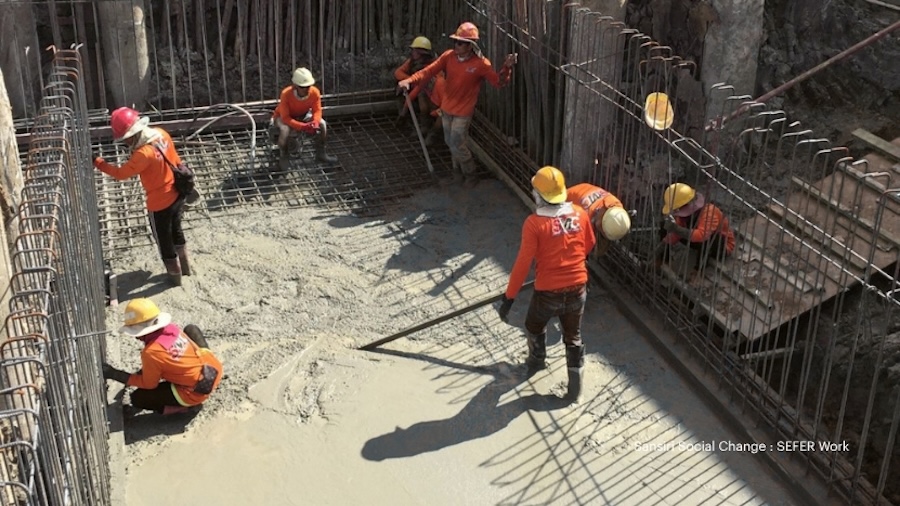
Sansiri Public Company Limited reinforces its commitment to promoting equality, human rights, and the quality of life for construction workers through its collaboration with the World Vision Foundation of Thailand under the 'SAFER Work' initiative (Strengthening Accountability For Employing and Recruiting Migrant Workers in Thailand). This initiative aims to enhance valuable employment and fair recruitment practices in the Thai construction industry. As of 2026, the Thai construction sector continues to rely heavily on migrant labor, with data from the Department of Employment indicating approximately 2.25 million workers in the construction industry, of which about 535,000 are foreign workers. This means that for every four workers on a construction site, there is one foreign worker. Sansiri, as a real estate developer that values equality and human dignity, believes that 'the quality of housing delivered to customers must begin with the quality of life of the builders.' This is particularly important as these workers face numerous challenges, including access to labor rights, social security, healthcare, workplace safety, language barriers, and access to accurate information.
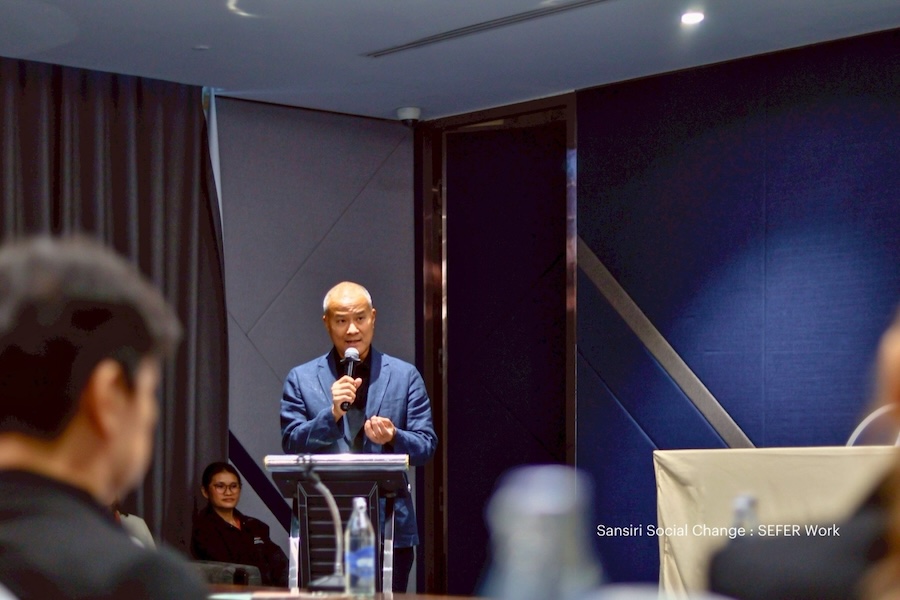
Samatcha Promsiripong, Chief of Staff at Sansiri Public Company Limited, stated that Sansiri did not start addressing labor rights overnight; the foundation was laid back in 2011 with the initiation of the 'Support for the Elimination of Child Labor on Construction Sites' project, which included creating child-friendly spaces in construction camps. The experiences from that period shaped the understanding that children's quality of life cannot be separated from the rights, welfare, and fairness that workers deserve. This was the starting point for learning about labor, working conditions, and the obstacles that migrant workers face in Thailand.
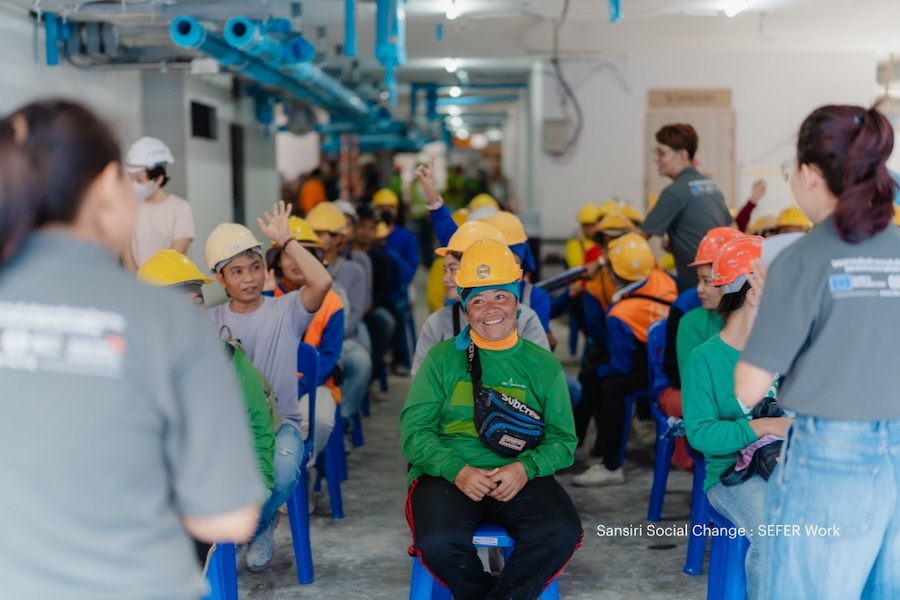
In 2022, Sansiri and the World Vision Foundation of Thailand launched the REACH project (Reaching Women Migrant Workers and Their Families in Construction Camps) to reach female migrant workers and their families in construction worker accommodations, supported by the International Labour Organization (ILO). This project began by providing education on basic legal rights, such as wages, overtime, health insurance, women's rights, prevention of gender-based violence, reproductive health, complaint mechanisms, access to public services, and vocational skills training to enhance the long-term stability of workers' lives.
From the lessons learned and outcomes of the REACH project, which helped many workers gain knowledge about their rights and access necessary information and services, the collaboration has evolved into the 'SAFER Work' initiative, which strengthens accountability in the employment and recruitment of migrant workers in Thailand. This initiative continues to receive support from the ILO and the European Union (EU) and aims to expand its impact from the level of workers to enhancing employment standards throughout the supply chain of the Thai construction industry.
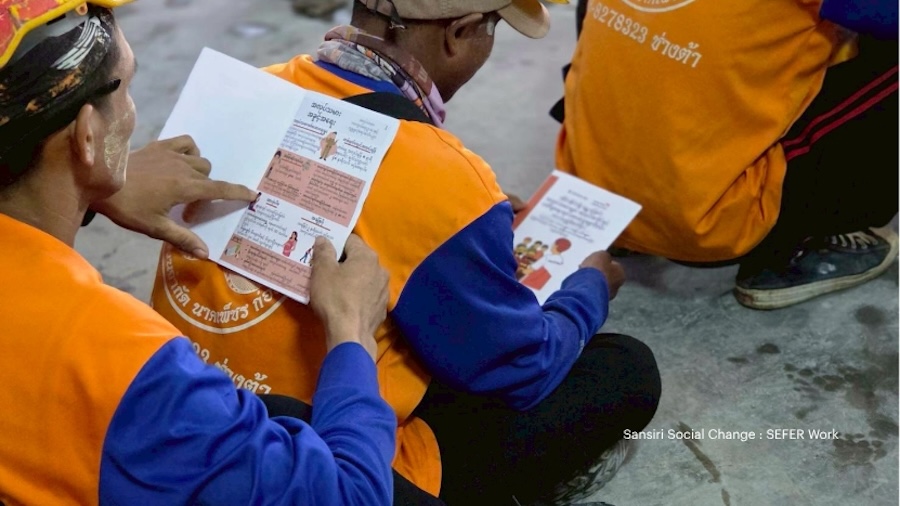
Today, we are building upon that commitment with the 'SAFER Work' initiative to transition from merely 'caring' to 'creating a system' of transparent and fair employment throughout the supply chain, targeting female migrant workers and their families in six provinces: Bangkok, Samut Prakan, Nonthaburi, Pathum Thani, Nakhon Pathom, and Chonburi, through two key mechanisms.
- Empowerment (Workers): Focused on female workers and their families, providing access to information on rights, welfare, social security, and reproductive health to reduce language barriers and inequalities.
- System Change (Contractors): For the first time, launching a 'Contractor Training Program' using the ILO's Due Diligence Toolkit for Fair Recruitment to train contractors and subcontractors to create 'White Employers' who understand the principles of decent work and fair recruitment.
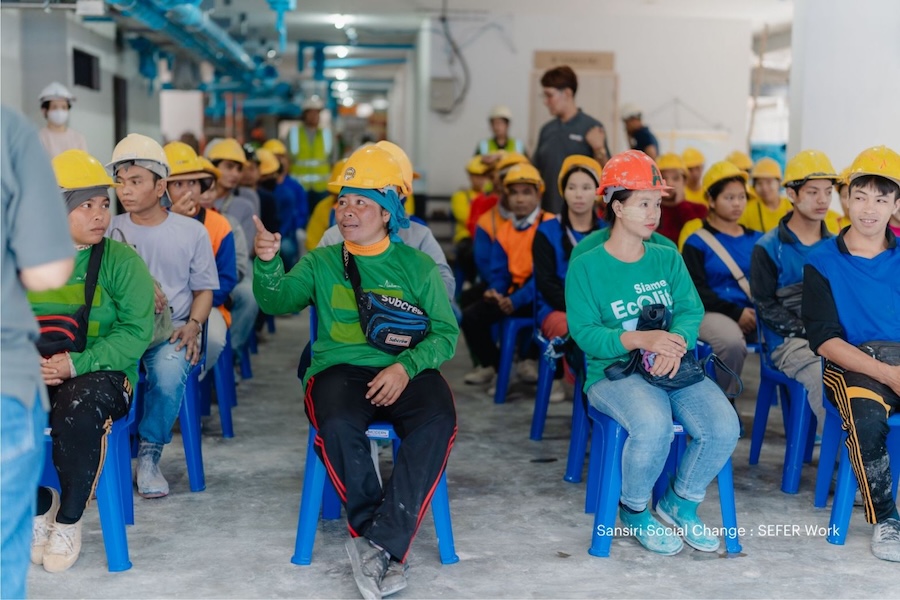
Additionally, workshops will be organized to develop contractors' capabilities, aiming to create tangible changes in the supply chain of the construction industry, from fostering an understanding of decent work and fair recruitment to enhancing labor management standards in line with international human rights principles and supporting the environmental, social, and governance (ESG) operations of the construction business. The essence of 'SAFER Work' reflects the idea that enhancing labor rights in the supply chain is not just about legal compliance but is part of conducting business responsibly within the ESG framework and business human rights principles, which are becoming increasingly important both in Thailand and globally.
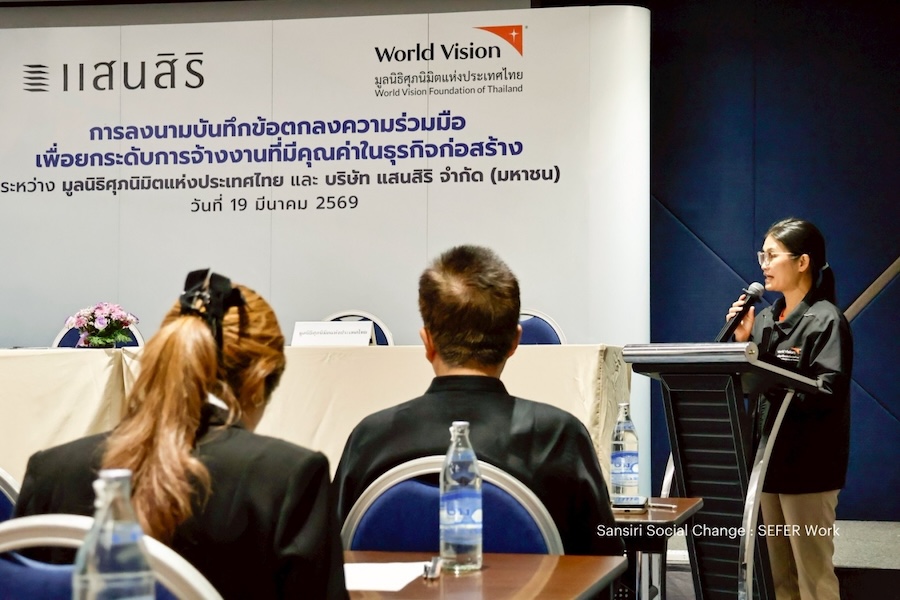
“We intend for this project to serve as a model to show that the rights of migrant workers on construction sites are issues that should not be overlooked and deserve respect and equality just like other workers. The signing of the collaboration and the advancement of 'SAFER Work' is not just a short-term activity but is about creating a system, building a culture, and establishing new standards for the construction industry so that all workers, regardless of their origin, receive the fairness and dignity they deserve. As a leading real estate company, Sansiri chooses to 'look deeper' into the supply chain, which goes beyond just caring for its own employees. The collaboration with the World Vision Foundation under the 'SAFER Work' initiative reflects that Sansiri understands that true sustainability must start with the labor force that plays a crucial role in the construction industry. Currently, there are 698 workers in Sansiri's construction projects who have been trained through this initiative, from a project target of 1,920,” Samatcha stated.
For Sansiri, this collaboration is another significant step in affirming that the development of quality real estate projects is not only measured by the quality of housing or business performance but also includes the quality of life, safety, and fairness of the people behind every step of construction. On this National Labor Day, Sansiri wishes to convey an important message that all workers are the driving force of the country, and migrant workers, who are part of the Thai construction sector, should receive equal opportunities, rights, and protections to contribute to building a sustainable society and economy together.