Trump Withdraws the U.S. from Environmental Agreements, Shaking Global Climate Balance
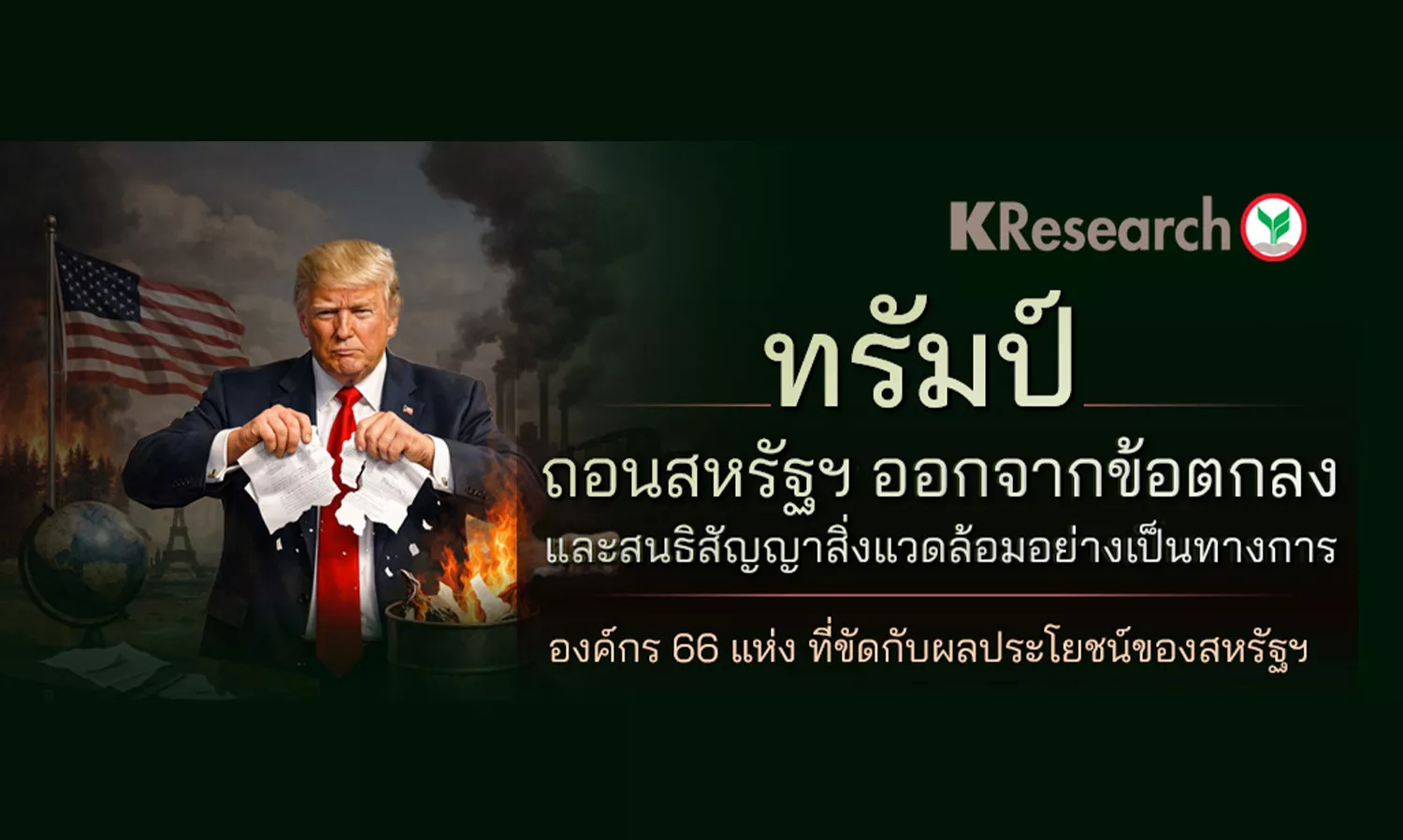
On January 7, 2026, Donald Trump signed a Presidential Memorandum ordering the United States to officially withdraw from 66 international environmental organizations and agreements. This includes key frameworks for climate cooperation, clean energy, and biodiversity, while ending participation and financial support that the government deems "contrary to national interests."
The affected list includes non-participation in COP meetings under the UNFCCC, withdrawal from renewable energy groups like IRENA and the International Solar Alliance, all of which have been crucial mechanisms for shaping global climate and energy policy over the past decade.
The U.S. government provided clear reasons in three dimensions: first, the budget burden of supporting multilateral organizations; second, the limitation on sovereignty and flexibility in determining the country's economic and energy policies; and third, the misalignment with the U.S. energy strategy and industrial growth under the framework of "national interests at the center."
The structural outcome is that the role of the U.S. in the global environmental arena has significantly declined. This gap allows other players to rise as leaders in setting standards, particularly the European Union, which is actively promoting the Green Deal and CBAM mechanisms, as well as China, which is rapidly investing in renewable energy, battery supply chains, and clean technologies at an industrial level.
In the long term, this shift in climate governance leadership may directly impact the direction of global environmental standards, the flow of green investments, and the business strategies of the private sector, especially for companies that rely on both the U.S. and European markets. The world is entering an era where "who sets the rules" is as important as "who has the technology," and the U.S. withdrawal signals that the balance of environmental power is being quietly but profoundly rewritten on the global stage.