Pattaya Opens a New Chapter for Coastal City and the Most Beautiful Growth Phase in a Decade
Pattaya is undergoing a historic turning point, where real data, actual figures, and a new seaside city image are merging into a significant driving force. Once perceived as being on a cyclical rise and fall, the city is now returning steadily with stronger fundamentals than ever before. This is not just a trend, but a recovery that is validated by tourism numbers, investment, and the largest urban infrastructure upgrades in recent years.
Pattaya is recovering with the clearest figures seen in a decade. Chonburi, with Pattaya at its heart, welcomes over 18-20 million tourists annually, generating over 200 billion baht in revenue, making it the second most popular tourist province in the country after Bangkok. These figures reflect Pattaya's potential as a city that can continuously meet the needs of both tourists and residents.
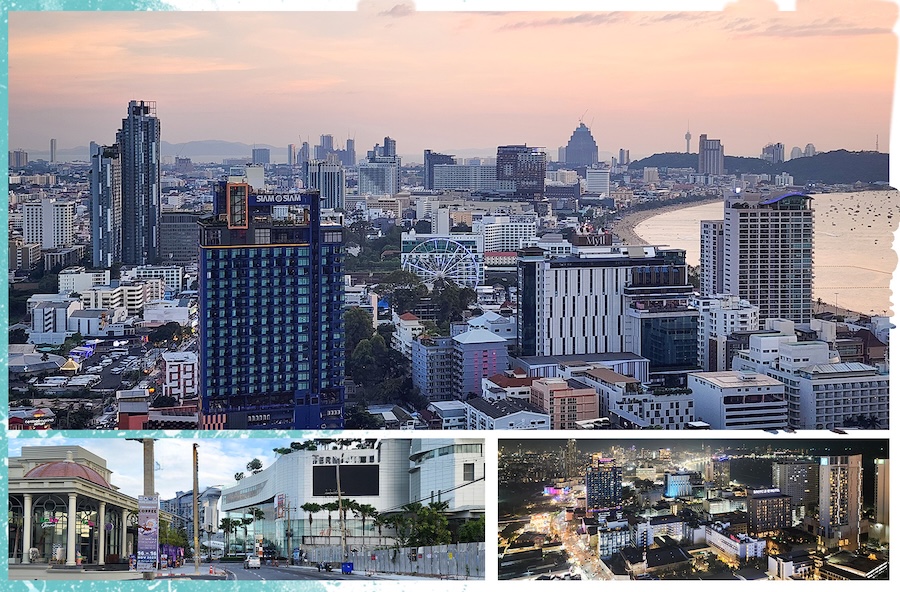
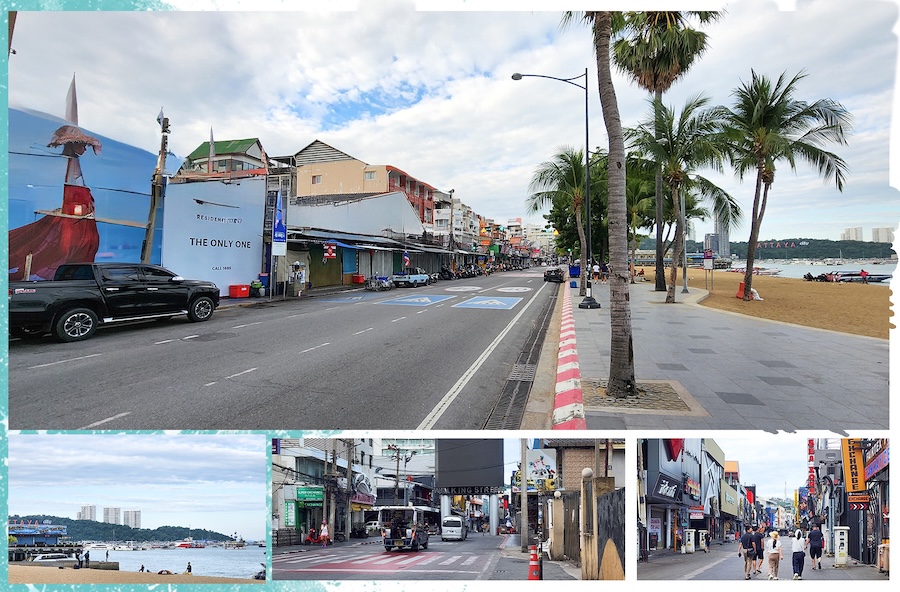
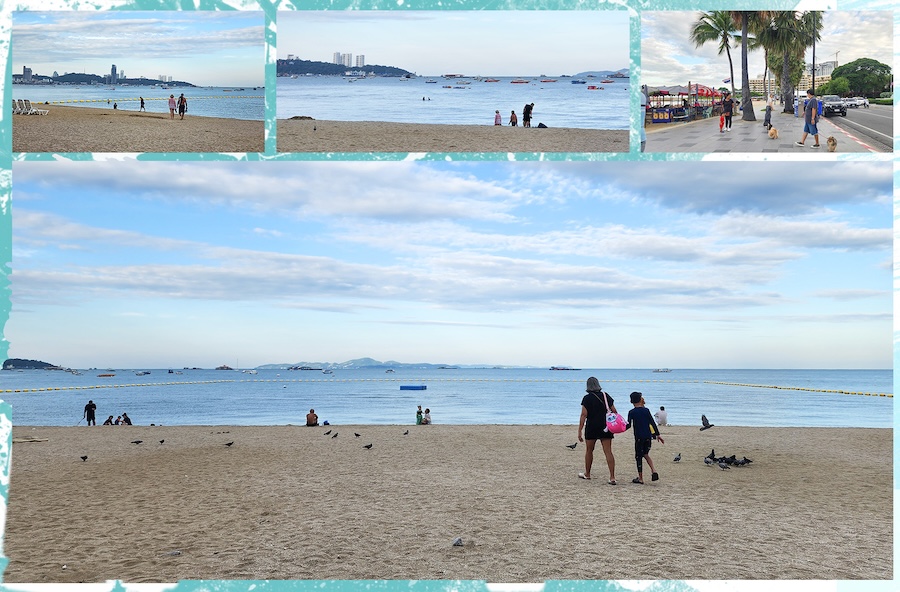
Pattaya's beaches have received a revitalization budget of 600-800 million baht, along with the addition of over 360,000 cubic meters of new sand, restoring the beach to its former wide and beautiful state. The expanded and continuous beachfront walkway spans several kilometers, transforming this area into a true infrastructure for quality of life. The result is an image of a seaside city that utilizes public spaces effectively and aligns with international tourism standards.
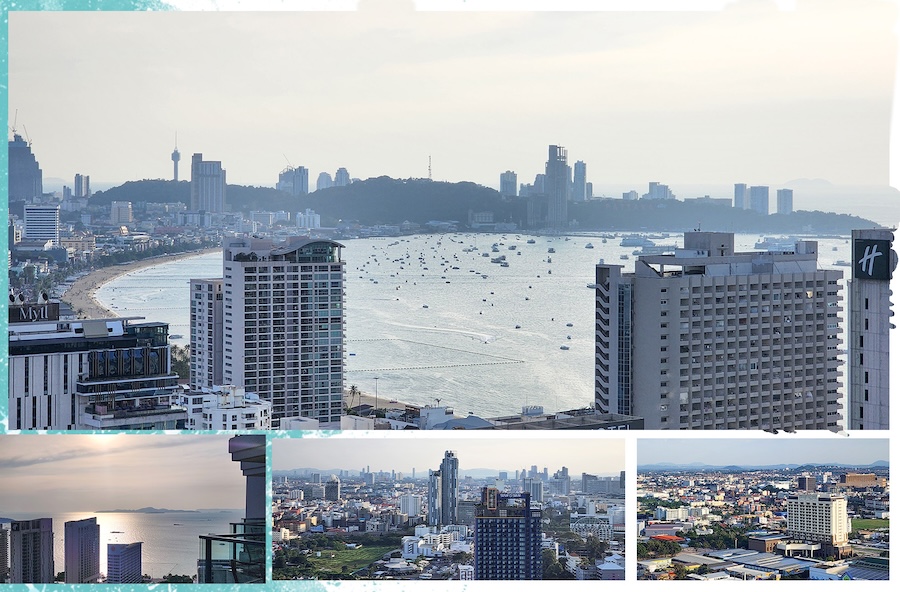
The Eastern Economic Corridor (EEC) is a structural driving force for the city. The progress of the high-speed rail project connecting three airports, valued at 224.544 billion baht, positions Pattaya as the closest seaside city to Bangkok. Once fully operational, U-Tapao Airport will accommodate 60 million passengers annually, and Pattaya is just 6-8 minutes away from the high-speed rail station. Furthermore, as the monorail development plan advances, the city will enter a new era of transportation that does not solely rely on cars, featuring three main routes with specific roles.
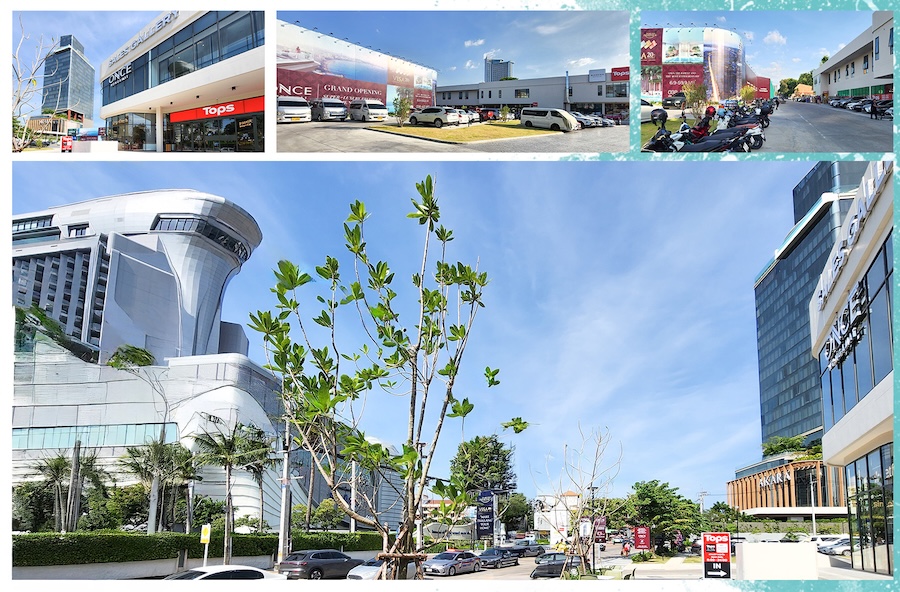
First, the green line connects the high-speed rail station to the beach at Bali Hai Cape, covering approximately 8-10 kilometers, primarily serving passengers from the high-speed rail. Second, the red line is a tourism and economic route that spans over 17 kilometers from North Pattaya to Jomtien. Third, the purple line connects the city to the Siam Country Club area and Nong Prue, covering about 11 kilometers, helping to distribute economic centers to large residential areas.
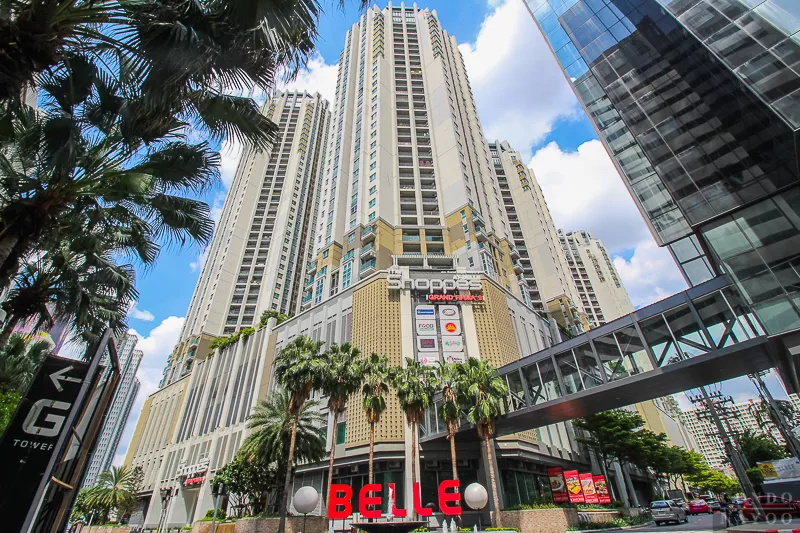
Pattaya's real estate is growing in sync with the overall city image. Premium locations like North Pattaya and Wong Amat have seen average price increases of 12-18% per year. New project launches achieve sales of 70-90% in a short time, and foreign investors account for 40-55% of total sales. This signals that Pattaya is not just a short-term tourist destination but is becoming a residential city for people from around the world.
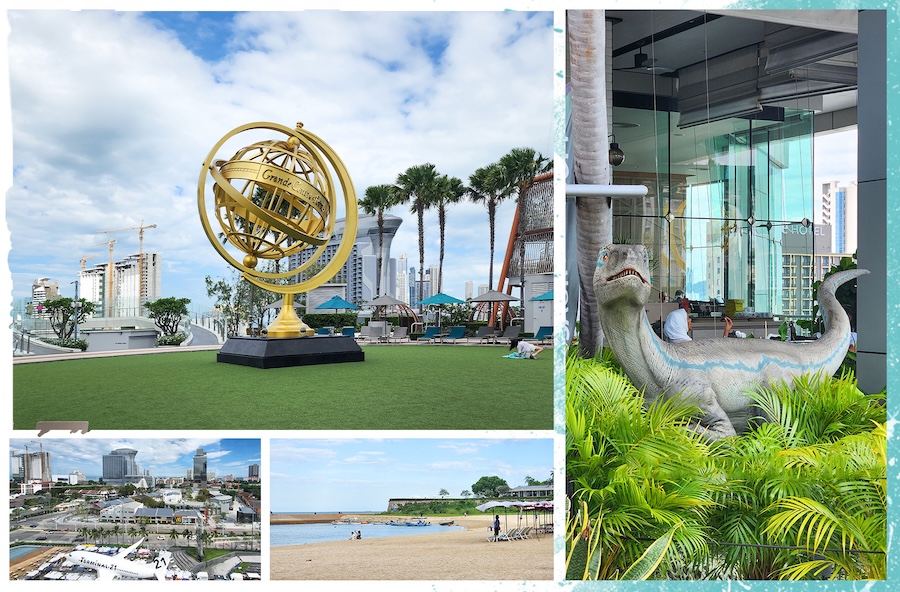
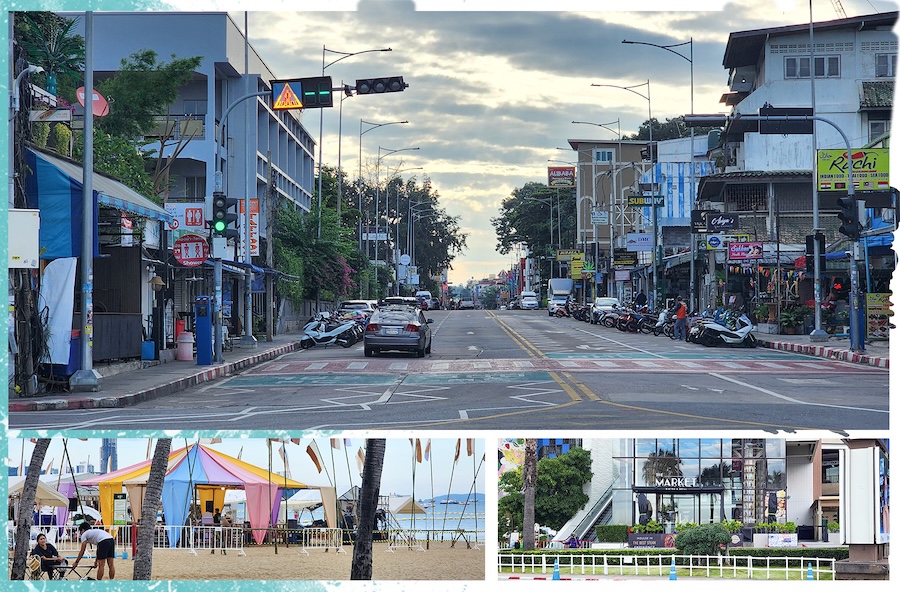
Organizing the seaside area, along with flood management projects and landscape improvements in key zones, has made Pattaya a more walkable city. The wide, open, and continuous walkways, combined with plans to connect public transport systems within the city, are making Pattaya increasingly responsive to real-life living needs. People can now enjoy seaside living more safely and conveniently, whether for residence, work, or tourism throughout the year.
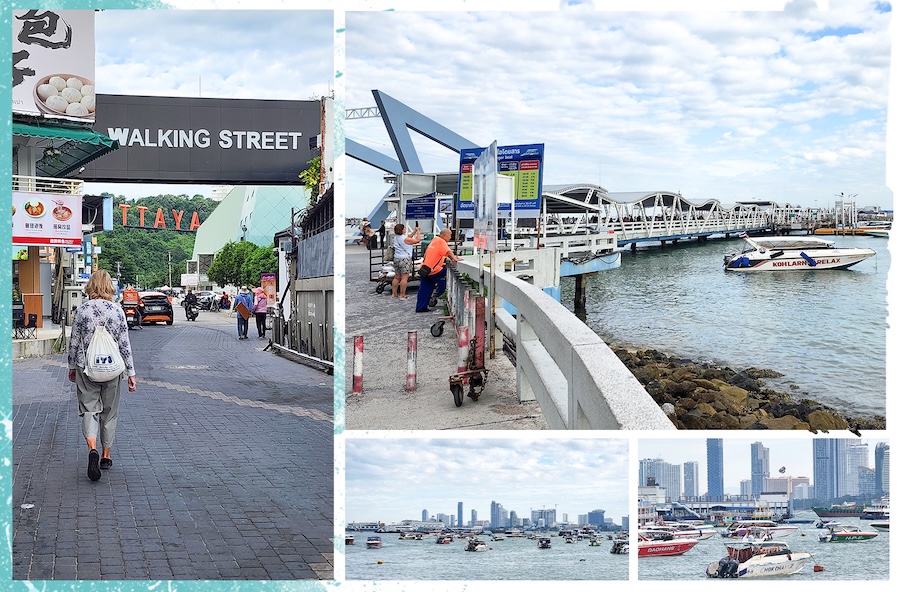
Today, Pattaya represents a new image of a coastal city that is stepping towards becoming a center for quality of life in Thailand. This growth is built on solid foundations, with a clear direction that reflects a new meaning of seaside living in an era where cities must respond to economic, tourism, and quality of life needs simultaneously. The world is moving towards a new decade of coastal cities, and Pattaya is clearly at the forefront of this movement.